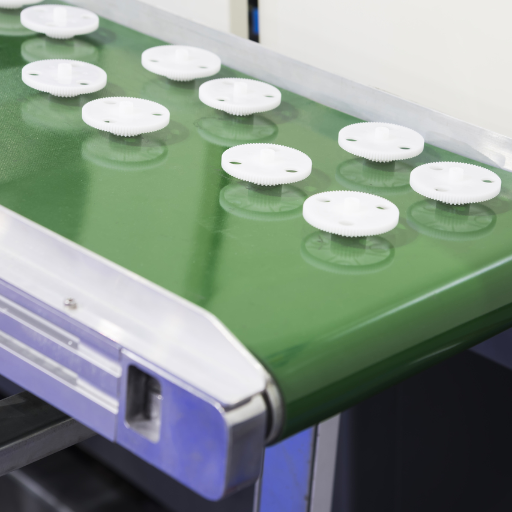
Plastic CNC prototyping has been shown to be the new face of the manufacturing processes as it combines many traditional methods of machining and adds the fast prototyping technology for people who wish to quickly enter product design. One reason it is so extraordinary is that it allows manufacturers, innovators, and entrepreneurs to produce high-quality working models of their products from any type of plastic. From developing delicate electronics to testing robustness in a new consumer good, plastic CNC routing revolutionizes the way it is done. The paper also focuses on the advancement of now that manufacturers of plastics parts can afford, the environment, and some issues affecting the speed of delivery and its positioning on the resolution of the constraints.
Understanding CNC Plastic Prototyping
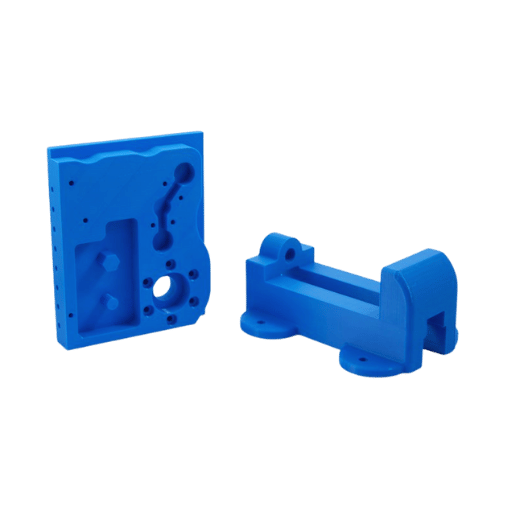
It uses computer-controlled machining to build functional and precise plastic prototypes. It exploits a program that designs the prototype mechanised in a pre-defined manner already stored in a CAD software system. This particular process has found huge favor in industry, due to its ability to facilitate the quick prototyping of designs, as in architecture, for instance. However, CNC Plastic Prototyping is so popular because it can be employed in many applications, uses many plastics, and produces many completed parts.
What is CNC Plastic Machining?
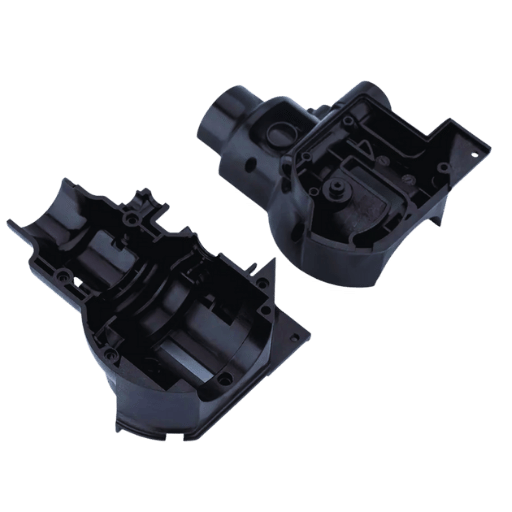
CNC plastic manufacturing is the process through which CNC machinery is used to give detailed cuttings, formations, and shapes on pieces of plastic. This form of manufacturing encompasses the use of set instructions to control machinery so as to deliver a specifically predetermined accuracy and consistency. This method is most effectively utilized in rapid prototyping, making high precision custom components and complex end products with fine details or particulars that are appealing to design engineers.
The Role of CNC Machines in Prototyping
CNC stands for computer numerical control. This involves the use of computers to form images in 3D. They come in handy when manufacturing is done in three-dimensional format. CNC delivers an imaginative and creative output compared to laser cutting and other computerized automated manufacturing methods. The reason is that the process used in the CNC method is more systematic. Machines automatically turn on, off, shift, and change tools by following the isometric perspectives in 3D design. This is, however, not the case with the other methods, hence the less fruitful and great limitation of their capabilities.
Types of CNC Machines Used in Plastic Prototyping
- 3-Axis CNC Machines: One of the more common CNC machines in machining plastic prototypes is the 3-axis CNC machine, since it provides movement across the X, Y, and Z directions along the flat surface, allowing effective machining of geometries present in the plastic part and short-distance drilling into the plastic part.
- 4-Axis CNC Machines: Machines can have a 3-axis or a 4-axis configuration, which performs extra movements along the previously mentioned 3-axis movements. The A axis makes it possible for the machine to be used with more complex shapes and for machining more features in plastic prototypes.
- 5-Axis CNC Machines: These machines surpass the 4-axis configuration one step further by employing simultaneous movement along the five axes to make even more complex and recognizable plastic prototypes. They are often used for parts that cannot be implicitly created, such as multiple plane machining or even those with radial angles.
- CNC Routers: Another segment of the rapid manufacturing niche market, there are CNC routers that perform high-speed and high-efficiency cutting of plastic sheets thereby developing details with flat bottoms in a significant way.
- CNC Lathes: More specifically, these machines are intended for the cylindrical shape of the part, which allows them to work on such prototypes as plastic pipes, joints, and the like with a high level of accuracy.
- CNC Milling Machines: These tools are resourceful devices that the modeler can utilize in trimming and shaping plastic prototypes for multilayer boards at an astonishing pace.
- Swiss-Type CNC Machines: Suitable for applications in tight spaces with complex geometries and which require high level of accuracy, the tiny machines are often employed in crafting plastic parts in medical or electronic devices’ laboratories.
Benefits of CNC Plastic Prototypes

Cost-Effectiveness of CNC Machining
CNC machining serves as an efficient method of plastic prototype production due to its speed of operation and accuracy, whereby the materials used are at their minimum. Thanks to this production progress, it is not necessary to invest in expensive moulds or other embossing tools, due to which such machines are advantageous for the making of a small number of parts and the adjustment of the prototype model. At the same time, the presence of a high level of automaticity ensures that the factors that have been cut are the labor costs and improved quality, hence minimizing the fabricating expenses on the whole.
Precision and Accuracy in Prototyping Projects
- Increasing the Identifiability: One thing that computer navigation does exceedingly well is to produce the defined parts and only the same parts of that quality, which is very important when it comes to prototyping.
- Reducing the Features: The production process in such a manufacturing system ensures dimensional control to an extent that allows for zero differences between the parts and the consequent samples.
- Complex Patterns: Production of mechanical components including detailed and delicate geometric designs such as texturing and engraving, is well served by computer-controlled manufacturing techniques where possible.
- Uniformity, Including All Design Dimensions: The majority of the machining work is less appealing when it comes to small parts design and finishing aspects, where robotic machining is less invasive but also practical.
- Quality of Form Surfaces: Machining provided by CNC produces very fine surfaces, hence secondary operations such as deburring are not necessary; all these help in increasing the final accuracy of the part.
Complex Designs and High-Quality Outputs
The state-of-the-art machining automated in Computer Numerical Control (CNC), as an example, is highly effective in terms of intricate design creation and provision of the output, which signifies premium quality parts through advanced precision manufacturing and versatility. This technique is suited to complex and irregular figures and tighter deviations that the particular applications have. It is operational whenever there is such a need because it is possible to effect changes in any design using computer-operated tooling. Moreover, it is also operational for a wide variety of material types, such as metals, plastics, and composites, and has the lowest prices on the market.
Applications of Plastic CNC Prototyping Across Industries
CNC Prototyping in Automotive Manufacturing
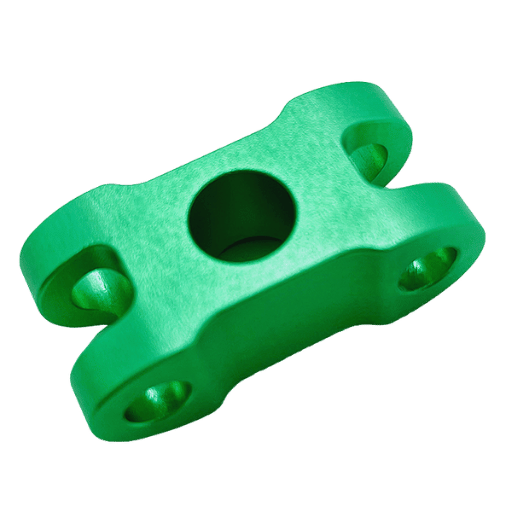
The CNC prototyping in the automotive manufacturing industry is a system by which the parts of the vehicle can be made very precisely and exactly. It is also employed in creating other parts of the vehicle, like the engine blocks or even custom parts for a version that has just been designed. Furthermore, CNC machines produce parts of the highest quality because of the machine itself, thus increasing efficiency and safety. Thanks to the diverse nature of materials that it can work with, new designs can be tested and verified by manufacturers quickly, so that it greatly minimizes the time and interrupted pattern of development. This technology’s uniqueness helps to maintain the likeness of parts produced throughout time, and it provides the required consistency in car technology, especially in the automotive production sector. Thus, it is a necessary tool for the advancement of auto manufacturing.
Aerospace Innovations with CNC Plastic Prototypes
- Lightweight Component Development: Engineers use CNC machining of molds and parts made of plastic for the flooring to allow researchers to design and analysis light weight components, which are essential for ensuring less weight in the aircraft and better fuel consumption.
- Complex Geometries: Models make it easier to express construct and fabrics that would assist in improving the aerodynamic efficiency through the civil and military aviation.
- Technology Can Test Appropriate Design Selections: This is because the use of the process of prototyping is one way of providing visual engineers with the appropriate application of technologies, particularly plastics.
- Faster Product Development: Because development is further shortened, prototypes of CNC machinery play a significant role in aiding the new technological advancements.
- Testbed construction Aims: Constructing a testbed is one way of utilizing scaled prototypes in order to apprehend how different components within a system interact with one another.
Healthcare Applications of CNC Machining Technology
- Customized Implants and Prosthetics: One of the known advantages of CNC machining is that it enables the creation of complicated and customized implants and prostheses, as a result of which accuracy and operation are ensured.
- Surgical Instruments: The most recent machinery is also able to design and make very solid surgical instruments with hairline precision.
- Medical Device Prototyping: Prototype modeling of new medical practice methods and innovations can be effectively improved by means of Computer Numerical Control. Such a concept is provided for an exhaustive test run, and only after that is a product designed for mass production.
- Diagnostic Equipment Components: Efficient production of diagnostic machines, high-precision parts, for example, magnetic resonance imaging devices and diagnostic ultrasonic equipment, can also be accomplished by Computer-aided manufacturing.
- Rapid Production of Replacement Parts: The digital technology is more helpful in reconstructing broken parts of the equipment promptly by mimicking its original structure using materials, hence minimizing the time wasted due to the equipment not being readily available, and also ensures there is no stoppage of operation.
- Advanced Material Processing: Besides, CNC machining is capable of processing materials of titanium and surgical grades of stainless steel that are considered to interact safely with the human body during treatment.
Choosing the Right Material for CNC Plastic Prototypes
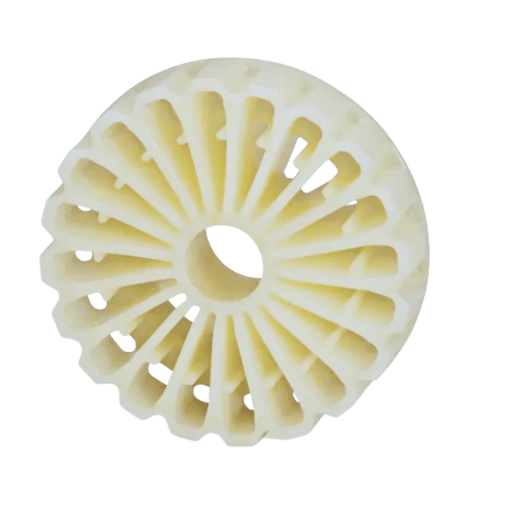
Common Plastics Used in CNC Prototyping
- ABS (Acrylonitrile Butadiene Styrene): This robust and machinable plastic material is also widely used in making different automotive parts, general-purpose industrial products, and even in electronics components.
- POM (Polyoxymethylene/Acetal): This unique engineering plastic exhibits high tensile strength and low wear rate. Its dimensions never change easily, making it suitable for highly accurate applications like gears, bearings, and bushings.
- Polycarbonate (PC): Extremely durable and known for its ability to have almost a glass-like transparency along with its resistance to breaking, polycarbonate finds use in many applications where both clarity and robustness are required, such as lenses and protective shields.
- Nylon (Polyamide): This engineering plastic building material is often found in industrial components like pipes, bolts, and mechanical parts due to its superior tensile strength, abrasion resistance, and resistance to many chemicals.
- PEEK (Polyether Ether Ketone): A high-performance thermoplastic with a high degree of heat and chemical resistance and good wear formulation properties, PEEK has specific applications, such as in making aerospace parts and devices for use in medicine.
- HDPE (High-Density Polyethylene): Inherent tough-prevent relaxations-resistants and guaranteed against trouble-making, HDPE is utilized in making wash bottles, tubing, and parts that may be subjected to hostile climates.
- PTFE (Polytetrafluoroethylene): This polymer is well known for its noticeable imperviousness to all forms of chemical solvent attack and friction-reducing properties, making it mainly used in sliding, rolling, mooring, check, and even seals in both-stage vacuum negation.
- PMMA (Polymethyl Methacrylate/Acrylonitrile): Polymers belonging to the engineering plastic category, PMMA is also an optical grade resin in some applications, including display screens and luminaires, wherein a glass substitute is more desirable, yet pmma is then used.
- PVC (polyvinyl chloride): This material has many applications in the construction industry. It is highly versatile, durable, and able to withstand corrosion and chemicals, making it suitable for use in pipes, junctions, and related items.
- Polypropylene (PP): It is made to withstand various chemicals, is fairly flexible, and provides ultraviolet protection and faux stress. Polypropylene is produced for use in packaging, car components, and scientific research.
Comparing ABS, Polycarbonate, Nylon, and Acrylic
Variety of thermoplastics are used that have some unique features, such as Polyvinyl chloride (PVC), Polyethylene 4, PVC foam, Acrilonitrile butadiene styrene (ABS), Polycarbonate (PC), Nylon, Acrylic, that makes them popular in terms of their application in machining technologies.
For a more detailed comparison, consider viewing the table below:
|
Parameter
|
ABS
|
Polycarbonate
|
Nylon
|
Acrylic
|
|
Strength
|
Moderate
|
High
|
High
|
Moderate
|
|
Impact Res.
|
High
|
Very High
|
High
|
Low
|
|
Machinability
|
Easy
|
Moderate
|
Moderate
|
Easy
|
|
Cost
|
Low
|
Moderate
|
Low
|
Low
|
|
Heat Res.
|
Moderate
|
High
|
High
|
Low
|
|
UV Res.
|
Moderate
|
Moderate
|
Poor
|
Good
|
|
Transparency
|
Opaque
|
Transparent
|
Opaque
|
Transparent
|
|
Applications
|
Prototypes
|
Safety Gear
|
Gears
|
Displays
|
Factors to Consider When Selecting Materials
- Mechanical Properties: Mechanical strength, global elasticity, ductility, and toughness of the material in line with its mechanical application.
- Chemical Resistance: The ability of the material to resist chemicals, solvents, and other corrosive agents that challenge its chemical stability.
- Thermal Stability: To determine the extent to which a material would undergo changes in temperature, measure the relevant melting or softening temperature, the strength level of the material, and the tendency to expand on heating.
- Cost: Estimate the cost of the material, the budget available for the project, the purchase cost, and the anticipated overall performance during the project timeframe.
- Environmental Impact: Study whether the material is environmentally friendly, can be used to manufacture products that can be recycled, made biodegradable, and has acceptable provisions for Conservation.
- Electrical Properties: To meet the desired electrical properties, especially with the use of electronics, ensure that the material has the right insulating characteristics or the needed conducting characteristics.
Selecting a CNC Machining Service Provider
What to Look for in CNC Prototyping Services
When choosing a CNC prototyping service, keep in mind the essential aspects mentioned:
- Precision and Accuracy: Asses if the provider is able to make prototypes with very accurate measurements and specifications. This is vital as it will ensure the modification of the unit complies with the design specifications.
- Material Diversity: Be sure that the service provider has an assortment of materials that will suit your desired application, which should include both metal, plastic, and composite.
- Scalability: Take into account the expansion of such trends, especially transitioning them from prototypes to full-blown production, which any given service provider should easily accommodate.
- Quality Assurance: Go for those services that offer stringent levels of quality assurance, including the use of all relevant inspections and certifications, to make sure the prototypes are kept safe.
- Scalability: This includes their potential scaling with consideration to the progression of designs, any risks involved, prototyping, and scaling of the solution that does not require a massive investment to leverage.
Evaluating Quality and Expertise
When it comes to the proficiency and aptitude consideration, I always choose to work with the experts in the field, like Hopeful, due to their commendable expertise in custom engineering and reliable quality control systems. Such requirements as conformation tests and adherence to standards always protect the client specifications and solutions from deletion. And of course, the mastery of the for short and high volume production – one of unchallenged excellences which the partners are eager to share.
Cost Considerations and Quotes from Providers
- Selection of Materials and Pricing: Material choice plays a huge role in determining the full value of a project. For outsourced materials, some extremely high-grade materials, such as aircraft-grade TAI or some proprietary composites, could prove to be very expensive for the project, with aluminum or brass and the corresponding costs becoming the most typical. In relation to this, suppliers should itemize the cost of resources and distinguish it in the budget appraisal.
- Production Complexity: Processes that require extremely functional, ergonomic, or visually appealing designs, high-frequency spindle values, or other exclusive features end up in higher prices. Any price quote must establish how costs scale with the complexity of the process steps so that the efficiencies can be better managed and decisions can be made against a rational logic.
- Economies of Scale and Time to Market: A number of suppliers leverage their volume pricing. Increased production volumes may be cheaper owing to bulk discounts as one of such techniques. Moreover, it often entails incurring a higher expense for quick delivery which is why it is necessary to evaluate the lead time quote pricing for both regular and rush production because it defines the schedules without breaking the wa llet.
Current Trends in CNC Plastic Machining

The Future of Rapid CNC Prototyping
Progress in progressive Automated programming is subject to the growth of particular central branches of technology, such as mechanics. Here, three integral components will be analysed, namely – Automation, material, and the basic nature of materials, which involves specific procedures to control their behaviour and make them work. With the advancement in technology, these materials are no longer seen as mere materials that are going to be used to develop a prototype, but rather as the ‘needful’ features. And most importantly, with better precision tooling, prototypes are designed to more accurately comply with the shape information required within end-use product specifications. Consequently, the progress now underway in design-thinking and manufacturing is in the domain that looks like the other factors have recently been strengthened, so that the most improved benefits of rapid CNC prototyping are and will surely become important in modern manufacturing processes.
Technological Advances in CNC Processing
Improvements in algorithm design, optimization of control systems, and better software for CNC equipment have been aimed at achieving these goals. Further innovations in CNC machining have provided modern machines with exceptional features such as real-time process monitoring and control systems that help in minimizing processing errors. High-speed machining, on the other hand, is capable of producing better accuracy and faster material removal rates for non-standard parts that are hard to produce due to their delicate geometries. In addition, the utilization of multi-axis structures allows for the development of complex chaining tools and fixtures, reducing unnecessary and costly multiple set-up and machining operations. Such advancements minimize production times and enhance the quality of parts by eradicating any variances in the products’ properties.
Frequently Asked Questions About CNC Prototyping
What CNC prototyping materials should I look into?
- These devices are quite versatile and can work with a variety of materials such as aluminum, steel, titanium, as well as ABS, Polycarbonate, and acrylic. When preparing prototypes, one can always take into account the needs of elements such as required strength, flexibility, heat resistance, etc. and choose the materials according to those needs.
To what extent can CNC-machined prototypes claim to be accurate?
- Due to the fact that CNC prototyping technology is so accurate, it is usually possible to get an accuracy of between ±0.001 and ±0.005 inches. The accuracy depends on the machine in question and the material that is being used.
What is the general dealers’ opinion on CNC prototyping?
- The processing time may take long or short periods depending on how simple or complex a structure or how scarce or common the material is used in making the prototype.Although most CNC prototypes can be realized within about 2-4 days or a week, due to development of cutting edge machining processes and minimized procedures, the guideline time may be further cut down.
Frequently Asked Questions (FAQs)
Q: How do you use CNC machining in the production of plastic products?
A: The manufacturing of plastic parts is performed through a controlled process which is given the name of CNC plastic machining. Under these circumstances this kind of control of the production pays off and the break out of the problem allows such a continuity regarding the same machines and equipment.
Q: Can CNC machining be used for prototyping and full production of plastic parts?
A: Like any other Computer Numerically Controlled (CNC) system, this process can also allow for both rapid prototyping single parts or products and for full manufacturing all works. Whether you need small production of plastic parts or larger quantities; it can be rapid and accurate.
Q: Can some general advantages and drawbacks be highlighted on the subject of CNC machining and injection moulding plastic prototypes?
A: CNC refers to a process of manufacturing, through which parts are machined or removed from one substance to create the desired shape while injection moulding requires the molten plastic to be introduced into a cavity. The former is mostly used in low volume production and instruments for prototypes while the latter has lower cost per unit, but is more suitable for very high volume production.
Q: With these services, what plastics can be machined by CNC?
A: Machining service providers for plastic parts can process several kinds of plastic materials designed for engineering applications like ABS, polycarbonate, nylon, and acrylic. The selection of these materials is done in accordance with the specific end user requirements, which could be aimed at enhancing the strength, flexibility, or aesthetics of the final product.
Q: CNC plastic machining is a process that lacks in no guidelines but how can I ensure that the plastic prototypes made will be up to the right quality standard?
A: To ensure high-quality CNC-machined plastic prototypes, you must use modern, high-precision machines and software. The manufacturers’ next bankable quality enhancement frontiers remain in thesis materials and humans who are operating them guarantee this and make the samples perfect.
Q: What is this term of CNC rapid prototyping all about, and how does it assist in the realm of plastic production and manufacturing activities?
A: CNC rapid prototyping refers to the development of a part for any product in a very short time using CNC machines. Problematised in desktop plastic 3D printing technology, including costly machines, timeframes cannot be managed, iterations are impossible, and the risk of mass production is extremely high. This also comes at a higher price than pure plastic processing when it comes to the cost of the materials.
Q: What is the role of any design software in construction of plastic parts using resistance efficient cutting rather than addiction thermoplastics?
A: The significance of such software in any attempt at CNC machining of mainly plastic prototypes is quite obvious – it allows the creation of highly detailed part models which are hard or impossible to do manually. These parts are later turned into CNC code for cutting purposes instead of welding because the actual energy transfer and material bonding takes place during cutting and assembling stylistically.
Q: How good are CNC-machined parts compared to 3D-printed ones in terms of quality?
A: CNC machined parts are usually considered to be of higher quality and more precise than 3D objects manufactured by printing. This is especially true in cases where 3D printing is less preferred, such as when a high shine is required or when working with high-performance plastics, where tolerances are extremely critical for applications.
Q: What are CNC-machined prototypes used for?
A: Applications are diverse and can be made for every industry, including automotive, aerospace, medical instruments, and consumer devices. These prototypes can then be utilized to check theories or ideas for production viability before entering the mass production process.
Reference Sources
- CNC Machine Design Proposal – How CNC machines are built and how they work is the key focus of this paper.
- A Guide to Integrating the Product Realization Process into a Mechanical Engineering Curriculum using Desktop Manufacturing Equipment – It addresses the machining of tensile specimens on the CNC milling machine, as well as the manufacturing of prototypes.
- Rapid prototyping based on CNC machining– This discusses the use of CNC machining services in the rapid prototyping design occupation.
- Machining
- Plastic
- Manufacturing