

Manufacturing processes are quite complex, and the choice of a production method is directly related
Learn More →
The upkeep or enhancement of any boat is made simple through the use of quality CNC boat parts, and with the correct precision-engineered components, the vessel’s performance and reliability during journeys are greatly improved. Every sailor, whether seasoned or just setting out as a hobbyist on weekends, should have a fundamental know-how concerning CNC parts and the advantages they bring to one’s boat. The world of CNC boat parts is immense, so this guide aims to simplify the learning curve by providing essential insights regarding its CNC components and their applications. Prepare to enhance your vessel’s performance and operational efficiency.

Boat CNC parts are elements created with a Computer Numerical Control (CNC) machine, creating custom shapes from metal, plastic, or wood. We create such parts to high accuracy and ever-increasing benchmarks. A high-quality finish and marine-grade standards ensure repeatable excellence for numerous marine applications.
Incorporating CNC-engineered components enhances the overall dependability alongside the performance of your vessel.
CNC machined components have unparalleled precision, ensuring unmatched consistency and accuracy, which enhances performance. Advanced technology makes sure that all parts are made exactly to specification, minimizing errors and improving fit and function. For propellers, engines, and other parts critical in a boat, smoother operation is essential, and this level of precision further enables it. Furthermore, durability and resilience against wear, corrosion, and extreme environmental conditions improve with high-quality materials during CNC machining, increasing the life of the parts significantly. Components that have been CNC machined help the vessel perform more efficiently, consume less fuel, and operate better under demanding conditions due to robust build quality components that withstand extreme conditions.
The primary reason why corrosion resistance is recognized as highly important in marine parts is because of aggressive and consistently corrosive marine conditions, especially when there is continuous contact with salt water, humidity, and temperature fluctuations. Corrosion can deteriorate components, increase maintenance work, generate additional costs, and create safety risks. Corrosion-resistant marine parts can handle extreme sea conditions, enhancing their performance and structural integrity. With special properties that restrain corrosion, materials like stainless steel, titanium, and aluminum alloys can be used, reducing the need to frequently replace and increasing the credibility and durability of marine vessels and equipment. Modern advances also incorporate coatings and treatments to align durability, cost, and sustainability for marine applications.
Custom boat parts provide distinct benefits over standard options, especially for owners looking to improve performance, durability, and personalization. Unlike mass-produced parts, custom components match the specific requirements of the boat and ensure that all functions are tailored and efficiently executed. Niche requirements are effectively solved by optimizing the fuel and reducing wear and tear, which are addressed by custom components. Alongside the tailored fit, custom parts can be made from cutting-edge materials such as corrosion-resistant composites, advanced coatings, and other durable technologies designed to withstand harsh marine environments and increase the vessel’s longevity. For those who prioritize the aesthetic aspect, further alterations allow custom designs that better serve the owner’s style preferences for the boat. Tailored to the user’s exact specifications, unmatched custom value, quality, and satisfaction can be streamlined, unlike standard parts, which, although convenient, lack versatility.

The following CNC machine types are most common for boat part production due to their operational efficiency and precision:
The use of these CNC machines greatly improves efficiency in the manufacturing process of custom-tailored, high-quality boat parts.
Numerous tasks are made easier and more efficient using precision technology such as CNC machines. These machines can be separated into specific types, based on the purpose that they serve:
Each CNC machine type is optimized for particular functions, allowing industries to meet precise and high-quality production needs. The evolution of CNC technology stimulates increased innovation, precision, and efficiency across manufacturing industries.
CNC routers work best with softer materials and faster cuts, while CNC mills dominate in precision work and harder materials.
|
Feature |
CNC Router |
CNC Mill |
|---|---|---|
|
Materials |
Soft |
Hard |
|
Speed |
High |
Low |
|
Precision |
Moderate |
High |
|
Axes |
3-5 |
Up to 12 |
|
Workspace |
Large |
Compact |
|
Cutting Force |
Low |
High |
|
Cost |
Lower |
Higher |
Precision is key in part manufacturing for hull constructions of boats since the components have to be within tight tolerances and particular design features. Extreme tolerances within custom design features of high-precision parts are critical for safety, performance, and durability in the marine industry’s austere aquatic environment. With precision machining, manufacturers can intricately design and consistently make high-quality propellers, engine parts, and other fittings. The use of advanced CNC technology in combination with precision machining processes increases efficiency by minimizing material wastage, time, and overall production cost. With an ever-increasing demand for innovative customization on boats, exacting machining supports the need for dependable,high-performing marine components.
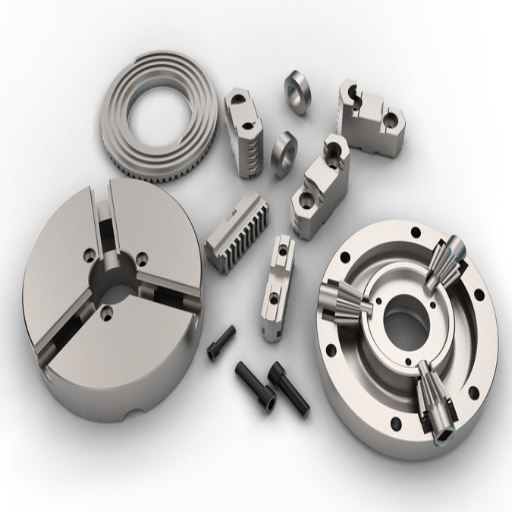
The procedure for creating CNC boat components includes several essential steps regarding precision and quality:
Every CNC marine component produced using this process is accurate and sufficiently tested for range performance and exposure reliability against marine conditions.
When discussing boat parts, rapid prototyping highlights an advanced manufacturing process that allows for the easy creation of scaled or fully functional models of components. With 3D printing, CNC machining, or additive manufacturing, complex parts can be created from digital designs through rapid prototyping. The development of new designs, improving part functionality, and reducing development testing times can all be accomplished through prototyping. Iterative changes can be made to fuel efficiency, and, once the requirements are met, transitioning to mass production is made possible. Rapid prototyping in the marine industry is critically important for optimizing hydrodynamics, material strength, and part reliability.
Tailoring parts or products to exact requirements is easier with CAD designs as they can be modified to a greater degree. Engineers and designers can change the equipment’s dimensions, contour, and other features with the help of contemporary CAD software. This software also allows for easy alteration in the design so that the functional or client needs can be met precisely. Such customization is present in many industries like healthcare, automotive, and many more, where craftsmanship of particular prerequisites is essential. CAD software also enables better teamwork by allowing modifications to be made as feedback is provided and by including simulation tools that enable the prediction of the parts’ functions under different environments. With CAD technology, manufacturers can now easily, quickly, and cheaply provide individually tailored solutions.
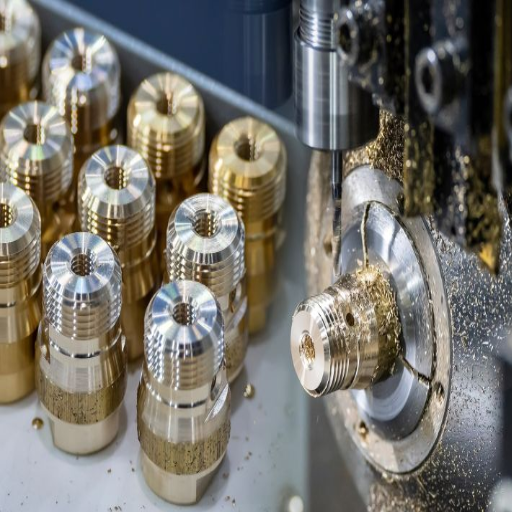
Such a procedure ensures that boat parts achieve the desired performance while sustaining critical reliability over prolonged demanding conditions.
Safety, environmental factors, and operational efficiency are some of the endurance level thresholds that marine components must meet.
|
Component |
Durability |
Safety |
Compliance |
Efficiency |
|---|---|---|---|---|
|
Propulsion |
High |
Critical |
IMO/EU |
High |
|
Fire Equipment |
Medium |
Essential |
SOLAS |
Moderate |
|
Hull Structures |
High |
Critical |
Class Rules |
High |
|
Navigation |
Medium |
Essential |
IMO |
High |
|
Lifting Gear |
High |
Critical |
Class Rules |
Moderate |
Creating a balance between material selection, structural design, and advanced engineering techniques to eliminate weight without compromising strength is thoughtful mechanical thinking. Using aluminum alloys, titanium, carbon fiber composites, and other lightweight materials is commonplace daily owing to their strength-to-weight ratio. During the design phase, finite element analysis (FEA) can pinpoint stress locations so engineers can strengthen critical load-bearing structures while removing hardened areas, thus optimizing the design and lowering the weight. Precise material placement can be achieved through modern processes like 3D printing or additive manufacturing, which minimizes waste. Adopting back or hollow designs, honeycomb structures, and advanced bonding techniques can further improve the weight-durability balance. These practices enable marine components to withstand rigorous conditions while improving fuel efficiency of the overall vehicle performance.
A: CNC boat parts are custom marine components machined using Computer Numerical Control technology, ensuring high precision and accuracy. These parts, such as propellers and shafts, are designed to enhance the efficiency and performance of watercraft, leading to improved speed and fuel efficiency.
A: The most common materials for CNC machining of marine components include high-strength stainless steel and aluminum. These materials are chosen for their durability, corrosion resistance, and ability to withstand the harsh nautical environment.
A: Anodizing is a surface finish that enhances aluminum components’ corrosion resistance, significantly increasing their lifespan. This treatment protects the parts from seawater and improves their aesthetic appeal, making them suitable for visible boat accessories.
A: High precision is critical in constructing marine hardware because it ensures that components fit together correctly and function efficiently. This is especially important for critical components like gearboxes and steering systems, where minor discrepancies can lead to performance issues.
A: CNC machining can benefit boat accessories, including cleats, fairleads, and winches. These parts require precise dimensions and quality materials to ensure they perform well under the demanding conditions of maritime environments.
A: CNC machined components contribute to the functionality of propulsion systems by providing custom parts like shafts and propellers optimized for each specific watercraft. This customization allows for better performance and efficiency in speed and fuel consumption.
A: Using OEM (Original Equipment Manufacturer) parts ensures that the components meet the exact specifications required for the specific boat model. This results in better compatibility, performance, and longevity of the parts, which is crucial for maintaining the overall functionality of the vessel.
A: The design of rudder and hull fittings significantly impacts a boat’s performance by affecting its maneuverability and stability in water. CNC machining allows for the creation of complex geometries that enhance the efficiency of these components, leading to improved handling and control.
A: CNC-machined pistons and cylinder heads are essential for optimal combustion in marine engines. Their precise design and manufacturing ensure efficient compression, which enhances engine performance and longevity and ultimately contributes to better speed and fuel efficiency.
A: High-strength materials are vital for CNC boat parts because they withstand operational stresses in marine environments. These materials ensure that components like gearboxes and steering systems are durable and reliable, thus enhancing the overall safety and performance of the watercraft.

Manufacturing processes are quite complex, and the choice of a production method is directly related
Learn More →
There are two major manufacturing methods for producing plastic prototypes that most people find useful
Learn More →
As a person involved or interested in the design and production of plastic components, it
Learn More →