

Manufacturing processes are quite complex, and the choice of a production method is directly related
Learn More →
Investing in high-quality replacement components improves the performance and efficiency of your CNC machine while preserving its longevity. Each piece of equipment can attain a certain level of precision and efficiency. Without consistent servicing and maintenance, the machine will experience wear and tear, reaching an unwanted level shortly. This, in turn, will result in costly downtime and suboptimal output. However, bespoke servicing can achieve sustained peak performance instead of spending on a complete machine overhaul. This article discusses the advantages of using quality CNC replacement parts, focusing on improving reliability, enhancing productivity, and prolonging the machine’s life. No matter the experience level, every operator will gain insights from this article to ensure their CNC machine performs optimally.
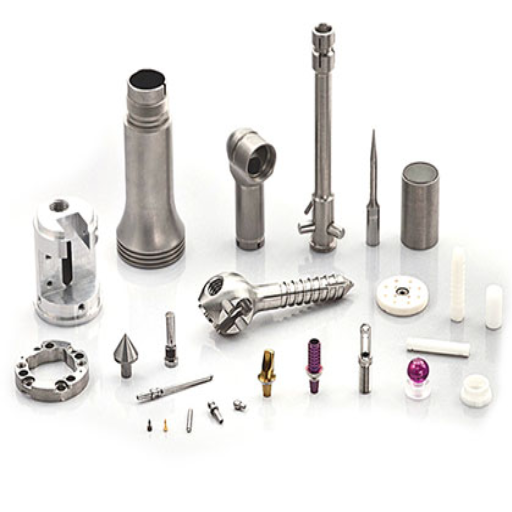
Parts of CNC machines that are damaged, outdated, or worn out can be substituted with CNC replacement parts. Unlike other machine subcomponents, these parts work with the original components and ensure the machine’s efficiency is retained. Standard CNC replacement components include bearings, motors, spindles, controllers, and drive belts. There is always a cost associated with servicing or replacing parts of a machine; however, as long as there is an increase in productivity, this cost will always be justified. The components above bolster productivity, leading to cost savings and reduced downtimes.
Replacement components such as spindles, sensors, motors, controllers, belts, limit switches, power supplies, and cutting tools are included to guarantee optimal performance of CNC machines.
|
Part Type |
Key Use |
Category |
Feature |
Durability |
|---|---|---|---|---|
|
Spindles |
Tool rotation |
Mechanical |
High-speed |
High |
|
Motors |
Axis movement |
Electrical |
Precision |
High |
|
Belts |
Power transmission |
Mechanical |
Flexible |
Moderate |
|
Sensors |
Position feedback |
Electronic |
Accuracy |
High |
|
Controllers |
Machine control |
Electronic |
Programmable |
High |
|
Limit Switches |
Safety stop |
Electronic |
Responsive |
Moderate |
|
Power Supplies |
Energy provision |
Electrical |
Stable output |
High |
|
Cutting Tools |
Material removal |
Mechanical |
Sharp edges |
Moderate |
Integrating Original Equipment Manufacturer (OEM) CNC parts is significant to preserve the system’s efficiency, reliability, and accuracy of the CNC machines. OEM parts are designed to match the specific requirements of the machine, which guarantees ease of use and the best results. Unlike generic or counterfeit parts, OEM components undergo stringent quality control processes and are tested extensively to meet industry standards. This reduces the risk of unexpected machine failures and costly downtime. In addition, OEM parts sustain warranty compliance, as many manufacturers require genuine parts to uphold warranty agreements. Overall, the investment in OEM parts pays off as it improves the machine’s lifespan, ensures consistent production quality, enhances operational safety, and reduces repair or replacement expenses.
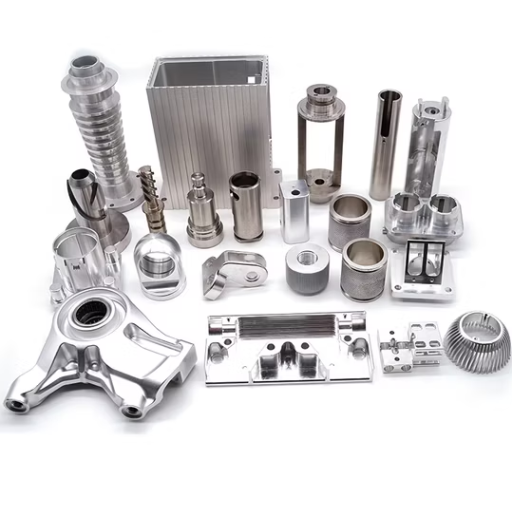
Review the manufacturer’s manual and documents to locate your machine’s model, size, and compatibility parameters. This guarantees that the parts selected will be usable and functional.
Seek OEM parts as a first-choice option. Such components are manufactured for your device, guaranteeing the best reliability and performance.
Focus on components built with high-grade materials that can sustain your machine’s operational demands. Long-lasting parts reduce the frequency of replacements.
Purchase from recognized vendors or manufacturers to mitigate the chances of obtaining counterfeit parts, which may lead to subpar performance or malfunction.
While budgetary concerns remain paramount, choose reasonably priced parts while ensuring durability and dependability.
These essential actions will allow you to obtain CNC parts that improve your machine’s operational efficiency and sustain its performance over time.
It is critical to determine whether the parts are compatible with the make and model of your CNC machine. This includes considering the new parts’ dimensions, connection types, and other technical specifications to avoid misalignments. In addition, the machine’s software and firmware requirements must be considered to ensure that the new components do not cause any integrated performance problems. With parts properly matched, operational efficiency is gained along with an increased lifespan of the CNC machine due to reduced strain and wear. It is best to consult the manual or directly contact the manufacturer to make informed decisions.
In ensuring the most effective operation of the machine, the accuracy and performance of each CNC replacement part should be reviewed in detail. As noted, precision is critical in CNC machining as the accuracy of the finished products relies on it. Recent findings suggest that the most effective replacement parts are those produced from advanced materials like hardened steel and carbide, improving their durability and providing better tolerances. For example, precision replacement ball screws are designed with extreme positional accuracies of 0.0001 inches making them highly effective.
Performance metrics regarding fidelity and robustness within the anticipated operational loads should also be considered. The bearings, tool holders, and spindle parts need high thermal endurance to mitigate the expansion caused by high-speed operations. Modern studies suggest that contemporary ceramic bearings withstand 30-40% greater rotational speeds than traditional steel bearings, translating into smoother operation and reduced downtime.
Purchasing certified parts from reputable vendors is always a wise investment since such vendors are usually subjected to stringent quality verification and compliance with international standards like ISO 9001. Also, after the part substitution, the machine’s precision alignment and motion angles should be verified using laser interferometry for alignment and motion diagnostics. Manufacturer documentation ensures that the parts will not conflict with pre-existing systems, thus maintaining machine integrity and precision while mitigating system risk.
Regarding spare parts, it is necessary to evaluate the factors determining their selection to ensure optimal functioning alongside machinery already in use. The following are five overriding considerations:
Confirm that the spare part is compatible with the equipment in question. Review the technical documents, manufacturer recommendations, and the model number of the serial number to avoid complications during operation.
Select parts that meet at least industry-approved benchmarks, such as ISO 9001. Higher-quality parts reduce the risks of sudden failure and prolong the machine’s lifespan.
Availability of parts and their associated delivery timelines need to be assessed. Having certain commonly used parts within easy access significantly reduces machine downtime.
Assess the total cost of ownership in case the purchase price is the only figure provided. This also includes the maintenance costs associated with the part and its Purchase price. A small additional upfront investment in a durable part could yield much greater long-term savings.
Post-sales support should include warranties, technical advice, and other replacement services that help ensure smooth operation after installation. These are essential for operational continuity.
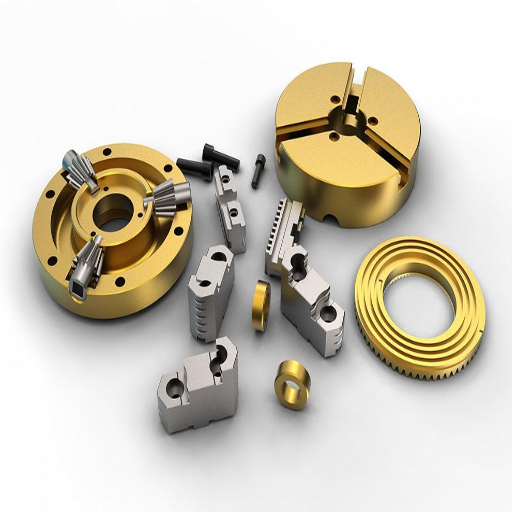
Acquiring quality CNC replacement components is vital for your CNC machines’ operational efficiency, accuracy, and durability. As you navigate through challenges and seek out parts ranging from critical components to resolving minor issues, the plethora of suppliers and products makes sourcing dependable components overwhelming. This blog post aims to aid you in the intricate journey of sourcing dependable CNC replacement parts. We will uncover avenues that allow you to access parts tailored to your unique requirements. From recognized manufacturers and targeted suppliers to in-depth outlined strategies, we will cover everything to help you maintain your machines while ensuring performance efficiency and budgetary constraints.
About CNC replacement components, the following manufacturers and brands have established a reputation for their quality, reliability, and after-sales support. Let us highlight a few of the most notable:
Siemens is best known for its high-grade CNC components, such as controllers, drive motors, and industrial automation systems. These parts are designed with precision and advanced technology, making them a must for high-performance requirements.
FANUC is a household name in the CNC world. Their complete line of CNC systems, robotics, and automation products makes them a leader in the industry. FANUC parts are well known for durability and innovation and are thus widely adopted in the automotive and aeronautics industries.
Like FANUC, Mitsubishi Electric offers CNC control solutions and drive systems but distinguishes itself through reliability and energy efficiency. Its components are particularly suited for industries requiring sophisticated machining applications.
Best known for their precision and robustness, Bosch Rexroth offers CNC systems and components that meet the advanced manufacturing requirements. Their commitment to sustainability also makes them a preferred choice for eco-conscious companies.
Heidenhain specializes in measurement and control systems, high-end encoders, linear scales, and controllers. Their components are critical in any application that requires high accuracy and considerable scrutiny.
These brands, bolstered by a solid reputation and diverse offerings, enable end-users to improve machine performance and minimize avoidable downtime. It is prudent to analyze your needs and seek professional guidance before selecting parts for your CNC machines.
Local suppliers are known for their quick service, good communication, and supporting the local economy, while online suppliers save time and costs, offer wider selections, and save time.
|
Factor |
Online |
Local |
|---|---|---|
|
Convenience |
High |
Moderate |
|
Product Range |
Broad |
Limited |
|
Cost |
Lower |
Higher |
|
Delivery Time |
Longer |
Faster |
|
Communication |
Indirect |
Direct |
|
Support Local |
No |
Yes |
|
Environmental |
Higher footprint |
Lower footprint |
|
Customization |
Limited |
Flexible |
For many projects, especially those that require CNC components, reliable shipping is critical. Expedited shipping is available from most suppliers nowadays, and it seems that many CNC operators have the same opinion. Nearly 70% of these operators prefer suppliers who offer the same or two-day delivery.
Commonly ordered CNC parts such as ball screws, spindles, and servo motors can be obtained with next day shipping through Amazon or MSC Industrial and Grainger. These online suppliers work with FedEx and UPS. DHL Express and TNT are also frequently used by international buyers and offer quick border shipping with an average delivery time of 3-5 days in most regions.
Apart from local and online suppliers, some businesses specialize in same-day delivery via courier within designated areas. Such businesses include McMaster-Carr, which is known for exceptional shipping efficiency, as most orders are shipped within hours of placement.
Many customers adopt tiered shipping plans to minimize expenses and maintain punctual delivery schedules. These plans allow customers to select either economy or express options based on urgency. Suppliers often provide tracking systems to check shipment progress, which helps with transparency during shipping and increases trust. Effective logistics systems combined with rapid delivery capabilities are crucial to the efficiency and productivity of CNC operations.
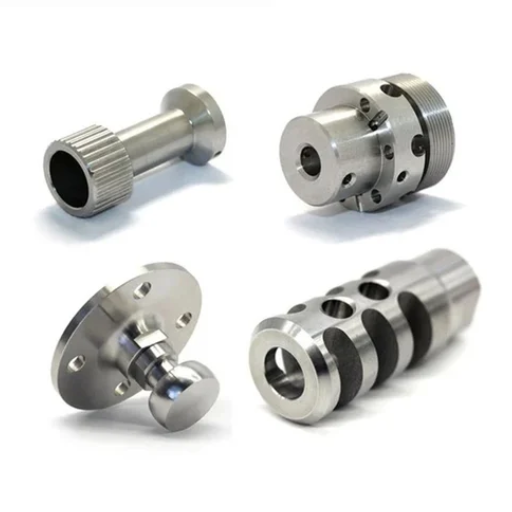
Achieving minimal downtime with CNC parts replacement necessitates strategic foresight and meticulous implementation. To guarantee instant availability, keep an on-hand inventory of essential spare parts. To avoid machine failures, routinely check and service your CNC machines to address problems before they escalate. Work with trustworthy vendors who maintain consistent inventory levels with rapid delivery times to minimize stockout delays. Establish a machine performance monitoring system to predict maintenance and part replacement schedules. Prioritize proactive maintenance and machine preparedness to enhance operational efficiency and minimize downtime.
Create schedules for machine servicing according to the machines’ usage and the manufacturer’s instructions. Industry statistics indicate that businesses employing preventive maintenance strategies incur up to 25% less operational downtime than businesses employing reactive maintenance strategies.
IoT-based sensors monitor machinery performance and relevant metrics in real time. Research estimates that predictive maintenance strategies can lower maintenance costs by 20 to 30% and considerably reduce equipment failure by proactively addressing concerns.
Make sure that all mobile components of CNC machines are well lubricated and free of impurities. Reports indicate that irregular or improper lubrication practices are the leading cause of approximately 43% of machine component failures.
A periodically set cadence should be instituted to check and calibrate the CNC machines to maintain optimal precision. Defective calibrations could result in counterfeits and escalate material wastage, translating to tremendous losses for a manufacturer.
Provide comprehensive training programs to ensure operators can effectively control the CNC machines and spot early signs of possible faults. It has been estimated that educated machine operators can reduce errors and malfunctions by up to 40%.
Thoroughly inspect all replacement parts for damage before the installation process. A pre-installation quality assessment helps resolve potential compatibility issues and issues that could hinder machine performance and longevity. It is documented that 30% of machine failures stem from inadequate verification of parts.
The installation of replacement components must follow the manufacturer’s directions. Compliance with all provided instructions facilitates increased efficiency and proper component alignment, often reducing time spent on installation by as much as 25%.
Before fitting new components, ensure the CNC machine is clean and that there is no debris in the workstation. Contaminants within the installation area pose risks of jamming, improper fitting, and premature machine wear. Regular maintenance can prolong part lifespan by nearly 20%.
In addition to employing correct fastening equipment, ensure the recommended pressure level is applied accurately. Applying inappropriate torque levels through over-tightening or under-tightening screws and bolts leads to inoperable parts. Applying the correct torque levels using wrenches enhances stability during operation.
Activation of the machine post-installation should only occur after a proper test cycle has been conducted to confirm all processes are functioning optimally. Closely monitoring the machinery post-installation for unusual turbulence or sounds could save time during repairs in the long run.
A: A CNC machine parts replacement kit typically includes essential components such as nuts, bearings, screws, and sometimes specialized parts like an ATC spindle. The specific contents may vary based on the machine model and the manufacturer.
A: Ensuring proper alignment of the linear bearing involves checking the installation against the machine’s specifications. To avoid issues during operation, you may need to use a technician for precise calibration and alignment.
A: Stepper motors are commonly used in CNC routers for precise movement control, while servo motors provide higher torque and speed. The choice depends on the specific requirements of your CNC machine and the intended application.
A: When selecting a ball screw for your CNC mill, consider factors like load capacity, screw diameter, pitch, and length. It is crucial to choose a ball screw that is suitable for your mill’s specifications to ensure optimal performance.
A: Yes, you can replace the vacuum system on your CNC router, but make sure the new system is compatible and suitable for your machine’s specifications. Proper installation is vital for effective operation.
A: When purchasing CNC machine parts, look for a warranty that covers defects in materials and workmanship. A more extended warranty period often indicates confidence in product quality and may include fast shipping options for replacements.
A: To maintain the z-axis assembly, regularly check and lubricate the linear bearings, inspect the ball screws for wear, and ensure that all nuts and bolts are tightened to prevent misalignment during operation.
A: Signs that your CNC machine may need new bearings include unusual noise during operation, excessive vibration, or decreased precision. Regular maintenance checks can help identify these issues early.
A: The life expectancy of CNC machine parts can be affected by factors such as the quality of the components, operating conditions, maintenance frequency, and overall machine calibration. Proper care and timely replacements can extend their lifespan.
A: While it is not strictly necessary to use factory parts for your CNC machine replacements, using OEM (original equipment manufacturer) parts is recommended to ensure compatibility and maintain the quality and performance of your machine.

Manufacturing processes are quite complex, and the choice of a production method is directly related
Learn More →
There are two major manufacturing methods for producing plastic prototypes that most people find useful
Learn More →
As a person involved or interested in the design and production of plastic components, it
Learn More →