Fraud Blocker

CNC Blogs

CNC machining in a nutshell! These blogs are complete guides that delve deeper into CNC machining processes, techniques, and applications. Irrespective of whether you are starting out or an experienced professional, these blogs will give you the answers to all your questions.

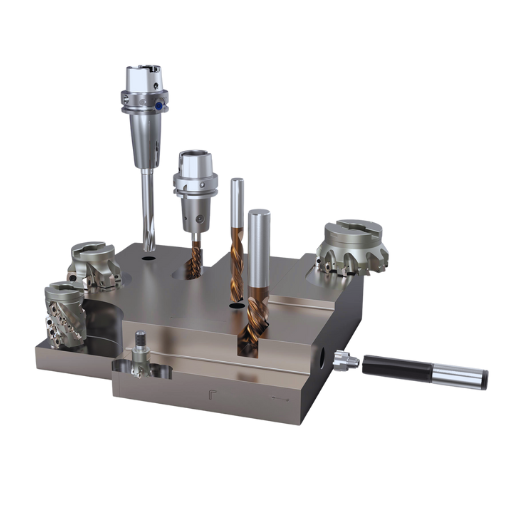
Understanding the Machining of Titanium: Speeds and Feeds Explained

Understanding the Machining of Titanium: Speeds and Feeds Explained

Getting the cutting speed and feed rate right is critical when machining titanium — set them too high and you burn through tools; too low and you waste cycle time. This guide breaks down the specific speed-and-feed parameters for common titanium alloys, with practical ranges for turning, milling, and drilling. For a complete overview of […]

Understanding the Machining of Titanium: Speeds and Feeds Explained Read More »

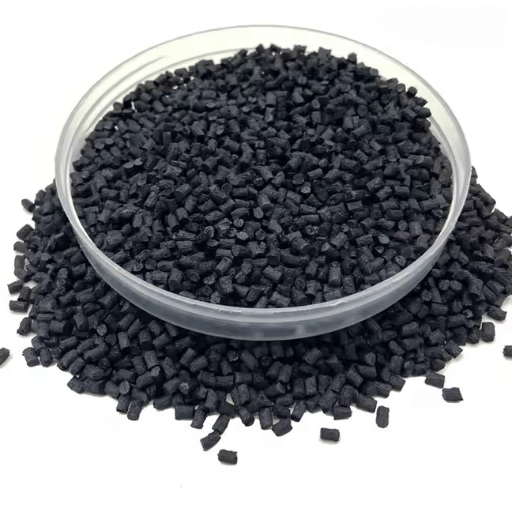
Why Does PEEK Cost So Much? Comprehending High Performance Polymers Pricing

Why Does PEEK Cost So Much? Comprehending High Performance Polymers Pricing

PEEK or Polyetheretherketone is a high performance polymer, known for its remarkable mechanical traits, resistance to chemical reactions, and ability to withstand high temperatures. These properties make PEEK very ideal for tough conditions and industries such as aerospace, medical, automotive and electronics. Despite its benefits, PEEK’s performance cost more than the average engineering plastics. This

Why Does PEEK Cost So Much? Comprehending High Performance Polymers Pricing Read More »

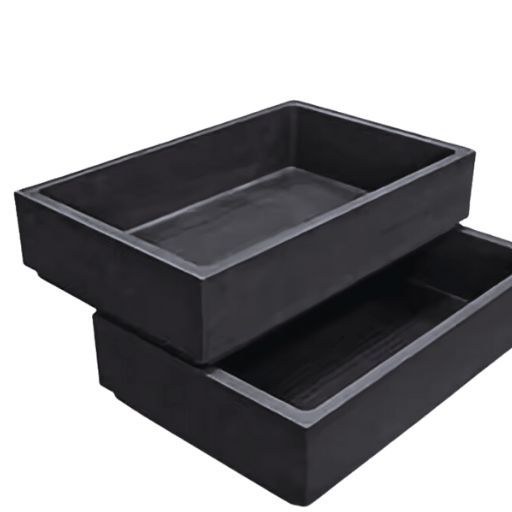
Is Graphite Machinable? Discover the Secrets of Graphite Machining

Is Graphite Machinable? Discover the Secrets of Graphite Machining

Graphite is an excellent material used in various industries for its many properties, but one question remains: How easy is it to machine graphite? The following article delves into the details of graphite machining and sheds light on the methods, tools, and other important aspects that encompass working with this remarkable material. Not only will

Is Graphite Machinable? Discover the Secrets of Graphite Machining Read More »

PTFE vs PEEK: Learning the Difference Between Polymers of Greater Performance

PTFE vs PEEK: Learning the Difference Between Polymers of Greater Performance

PTFE (Polytetrafluoroethylene) and PEEK (Polyetheretherketone) are two of the most commonly specified high-performance polymers in engineering, each offering distinct advantages in durability, chemical resistance, and thermal stability. Choosing between them depends on the specific demands of your application – temperature range, mechanical load, and chemical exposure all play a role. For a deep dive into

PTFE vs PEEK: Learning the Difference Between Polymers of Greater Performance Read More »

1.1 3

The Ultimate Guide to Machining Titanium: 10 Expert Tips for Milling Grade 5 Alloy

Grade 5 titanium (Ti-6Al-4V) combines high strength with low thermal conductivity and aggressive work-hardening, making it one of the most demanding alloys to machine. For a broader overview of the entire process, see our titanium CNC machining guide. Below are 10 expert-backed tips that will help you optimize tool life, manage heat, and hold tight

The Ultimate Guide to Machining Titanium: 10 Expert Tips for Milling Grade 5 Alloy Read More »

Cleaning PEEK: Mantenimiento del Material de Alto Rendimiento

Cleaning PEEK: How to Maintain High-Performance PEEK Material

PEEK (Polyetheretherketone) is an engineering thermoplastic valued for its mechanical strength and exceptional heat and chemical tolerance. These properties make PEEK a staple in aerospace, medical, and automotive applications. However, maintaining that performance requires proper handling and cleaning. For a complete overview of how PEEK is processed on the shop floor, see our PEEK CNC

Cleaning PEEK: How to Maintain High-Performance PEEK Material Read More »

2.1 3

Mastering Titanium Machining: Choosing the Right Tool for Optimal Results

Choosing the right cutting tool is the single biggest factor in successful titanium machining. Titanium’s high strength-to-weight ratio, low thermal conductivity, and tendency to gall demand tooling that can handle extreme heat and cutting forces. For a complete look at grades, parameters, and applications, see our CNC machining titanium guide. This article focuses specifically on

Mastering Titanium Machining: Choosing the Right Tool for Optimal Results Read More »

Your Comprehensive Guide to CNC Machining for Titanium

CNC Machining Titanium: Grades, Parameters, and Industry Applications

What Is CNC Machining Titanium? CNC machining titanium is the process of shaping titanium and its alloys into precision components using computer-controlled cutting tools. Titanium ranks among the most demanding metals to machine, yet its unmatched strength-to-weight ratio, corrosion resistance, and biocompatibility make it indispensable across aerospace, medical, automotive, and marine industries. This guide covers

CNC Machining Titanium: Grades, Parameters, and Industry Applications Read More »

Can PEEK be extruded? Unraveling PEEK tubing as well as extrusion methodologies

Can PEEK be extruded? Unraveling PEEK tubing as well as extrusion methodologies

Polyetheretherketone (PEEK) has a wide acceptance as a high endurance thermoplastic polymer because of its impressive mechanical, thermal, and chemical resistance properties. Because of these attributes PEEK has become indispensable in industries from aerospace to medical applications. This article attempts to concentrates on whether it is feasible to extrude PEEK and tubing, which is a

Can PEEK be extruded? Unraveling PEEK tubing as well as extrusion methodologies Read More »

7.1 5

Understanding IACS: The International Annealed Copper Standard for Electrical Conductivity

The conductivity of copper catalyzes its application across many industries, including power transmission and electronics manufacturing. But how does one measure and standardize performance for such an element? Enter the International Annealed Copper Standard (IACS)—the universal grading system that assesses the degree of conductivity of copper and its copper-based alloys. In this article, we discuss

Understanding IACS: The International Annealed Copper Standard for Electrical Conductivity Read More »

Scroll to Top