Fraud Blocker

CNC Blogs

CNC machining in a nutshell! These blogs are complete guides that delve deeper into CNC machining processes, techniques, and applications. Irrespective of whether you are starting out or an experienced professional, these blogs will give you the answers to all your questions.

6.1 4

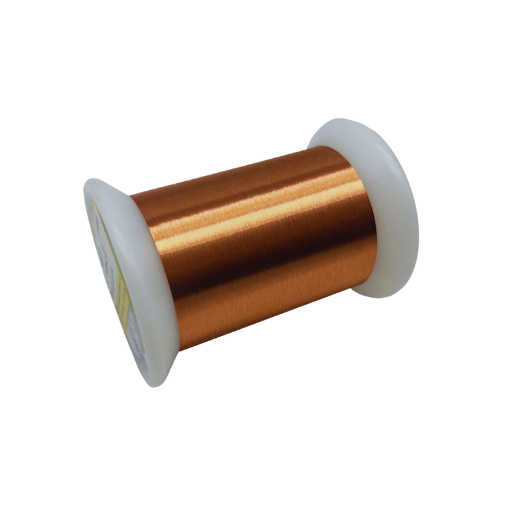
OCC vs OFC Copper: Unveiling the Differences in Oxygen-Free Cable Conductors

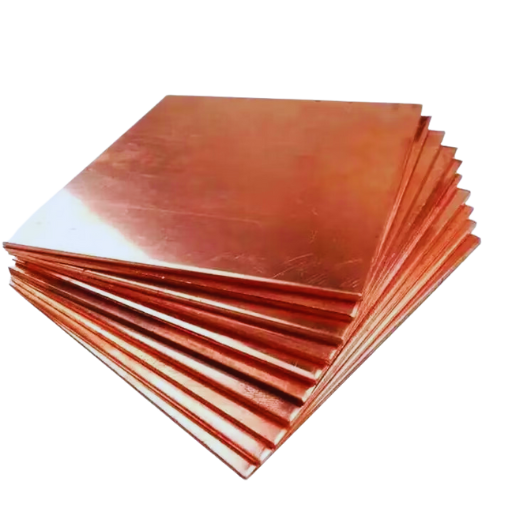
Regarding high-grade cable conductors, the materials utilized are important for efficiency, reliability, and excellent signal transmission. A few of the most discussed copper variants include Ohno Continuous Cast or OCC copper and Oxygen Free Copper, an industry favorite in audio and telecommunications engineering. So, what divides these two from each other, and how do their […]

OCC vs OFC Copper: Unveiling the Differences in Oxygen-Free Cable Conductors Read More »
Machining Copper vs Aluminum: The Ultimate Guide to CNC Machining

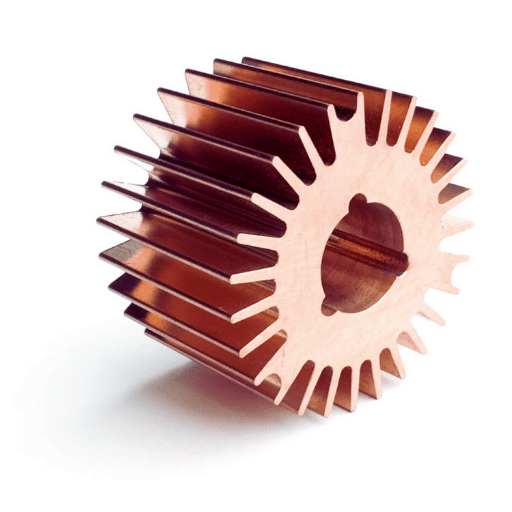
Machining Copper vs Aluminum: The Ultimate Guide to CNC Machining

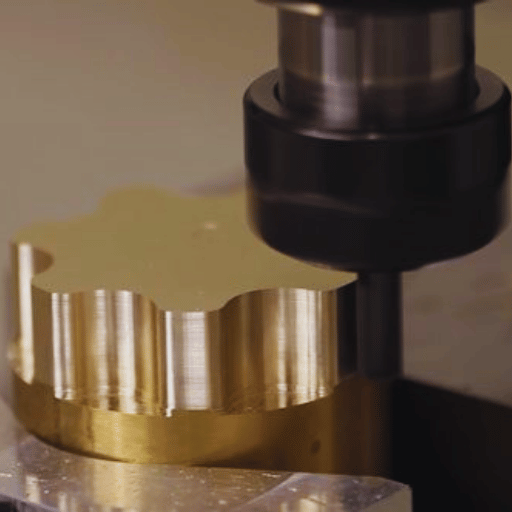
Aluminum and copper are two of the most widely used metals in CNC machining, each with unique advantages. Due to these differences, working with them effectively requires a deep understanding of these materials. Even when users are unfamiliar with the processes of CNC machining, these aspects must be appropriately understood. Further along in this article,

Machining Copper vs Aluminum: The Ultimate Guide to CNC Machining Read More »

Maximizing Efficiency: A Comprehensive Guide to CNC Machining Copper with Optimal Feeds and Speeds

Maximizing Efficiency: A Comprehensive Guide to CNC Machining Copper with Optimal Feeds and Speeds

Copper’s high ductility and tendency to produce long, stringy chips demand carefully tuned speeds and feeds – get them wrong and you will fight built-up edges, poor finishes, and rapid tool wear. This guide details the optimal cutting parameters for CNC machining copper and its common alloys, from pure C110 to free-machining C360 brass. For

Maximizing Efficiency: A Comprehensive Guide to CNC Machining Copper with Optimal Feeds and Speeds Read More »

Understanding the Differences Between C18150 and C18200 Copper Alloys

Understanding the Differences Between C18150 and C18200 Copper Alloys

Copper alloys are valued for their broad applicability and excellent behavior in various industrial processes. For example, C18150 and C18200 have been selected for use because of their noted properties and satisfactory performance. Nevertheless, one needs to do some research on their differences in composition, mechanical properties, and their most efficient applications in order to

Understanding the Differences Between C18150 and C18200 Copper Alloys Read More »

Achieving Precise CNC Machining Tolerance of Acrylic Materials: A Comprehensive Review

Achieving Precise CNC Machining Tolerance of Acrylic Materials: A Comprehensive Review

Holding tight tolerances on acrylic (PMMA) is one of the trickiest challenges in CNC machining. The material\’s low thermal conductivity and tendency to soften under friction mean that even small parameter errors can push dimensions out of spec. This article explains what tolerances are realistically achievable on CNC-machined acrylic parts, the key factors that influence

Achieving Precise CNC Machining Tolerance of Acrylic Materials: A Comprehensive Review Read More »

4.7 3

Unveiling CDA: The Copper Development Association’s Crucial Role in the Industry

Presentation of the importance of the CDA in the advancement and understanding of Copper, from construction and electronics upto CDA itself, is pivotal. The Copper Development Association played a massive role in the experience and utilization of copper throughout the world. The range and scale of uses justify copper as one of the most critical

Unveiling CDA: The Copper Development Association’s Crucial Role in the Industry Read More »

Choose the Most Suitable Machines for Acrylic Cutting, Engraving, etc.

Choose the Most Suitable Machines for Acrylic Cutting, Engraving, etc.

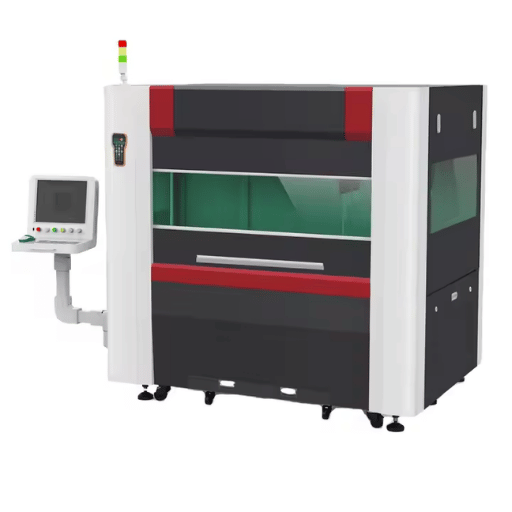
Laser cutters, CNC routers, and engraving machines each handle acrylic differently, and picking the wrong one leads to melted edges, rough cuts, or wasted material. This article compares the leading machine types for cutting and engraving acrylic, covering CO2 lasers, diode lasers, and CNC routers, so you can match the right tool to your project.

Choose the Most Suitable Machines for Acrylic Cutting, Engraving, etc. Read More »

Scroll to Top