

Manufacturing processes are quite complex, and the choice of a production method is directly related
Learn More →
The manufacturing industry has been transformed through plastic CNC machining because it produces exceptionally accurate and long-lasting components which various industries use. The need for precisely manufactured plastic components keeps increasing across multiple sectors which include medical devices automotive parts and consumer electronic products. The guide provides an extensive examination about plastic CNC machining which includes its operational methods and existing benefits and its essential part in contemporary industrial manufacturing. The article provides essential knowledge about precision plastic machining which helps manufacturers improve their operations and designers to create complex designs.
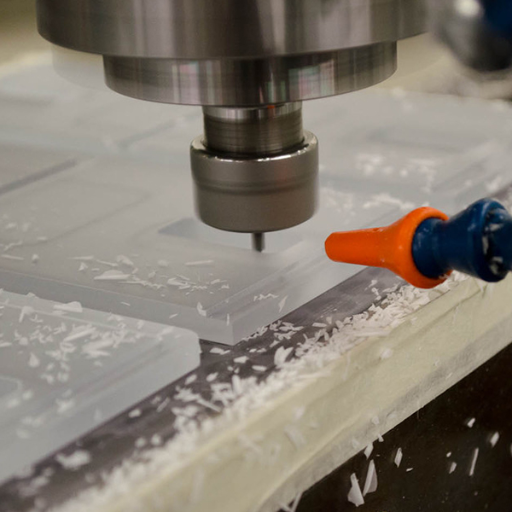
Plastic machining has undergone substantial changes throughout its history because of technological progress and requirements from various industries. The early stages of CNC plastic machining restricted operators to creating basic designs because of the limitations imposed by available machinery and the physical characteristics of plastic materials. The process has undergone a complete transformation because of advanced CNC systems and better plastic material developments. Engineers can now develop precise components which can be produced with high accuracy and consistency and efficient production methods. The automotive and aerospace and medical and consumer goods industries have turned to plastic machining so they can fulfill their demanding operational standards. The development of plastic CNC machining has enabled manufacturers to produce items more quickly while generating less waste and customizing their products to a greater extent.
The use of plastic in the machining field started during the middle of the 20th century with the initiation of synthetic polymers’ implementation in the process instrumentally. Earlier methods involved basic hand methods like cutting and shaping, which would lead to inferior results in comparison with NC (numerical control) machining.
From those starting points-1970 saw the birth of the CN (Computer Numerical Controls) system, which was capable of automating precision machining operations with a range of operational inputs. It was only these machines that provided a wide array of processing options for different types of plastics, which included, among others, ABS and nylon, thermoplastic materials, or advanced materials like PTFE and PEEK that had a wide set of applications in industry.
Plastic machining processes are moving into areas unimaginable in terms of accuracy and productivity, owing to advances in tooling and machine technologies. The continued march of modern manufacturing processes serves as a loud testament to the fact that innovation is vital to conquer increasingly demanding challenges of manufacturing.
The latest CNC (Computer Numerical Control) technological developments have transformed plastic machining because they deliver better accuracy and operational speed and operational flexibility. The introduction of multi-axis machining technology enables engineers to produce complex shapes and detailed patterns that were impossible to create before. Production processes benefit from improved control and production consistency through the software integration which enables real-time data analysis together with AI-based process improvement. The tools decrease material waste while enhancing the overall quality of products that result from production.
Modern cutting tools that manufacturers design for plastics enable high-speed machining (HSM) to produce faster production times without losing precision. CNC machines can operate efficiently with temperature-sensitive plastics because of improvements in coolant delivery systems and heat management systems which stop parts from warping or developing defects. The recent technological improvements provide CNC machining with improved dependability and capacity to handle the increased demands which exist in aerospace and automotive and medical device production.
Plastic machining manufacturers use these advanced technologies to develop complex components because they help reduce operational costs while promoting environmentally friendly practices which establish CNC technology as an essential part of the plastic machining industry.
Plastic CNC machining develops through three main trends that focus on accurate production methods and environmentally friendly practices and various material options. The adoption of advanced multi-axis CNC machines has increased because these machines enable manufacturers to create complex geometric shapes with exceptional precision. Manufacturers have begun to prioritize sustainable practices by using environmentally friendly plastics and implementing waste reduction strategies during their machining operations. Industries across aerospace automotive and medical sectors increasingly use high-performance engineering plastics which include PEEK and polycarbonate because these materials combine lightweight strength with heat resistance and multiple application capabilities. The current trends demonstrate how plastic CNC machining operations are expanding because industries need to deal with emerging challenges and new technological developments.
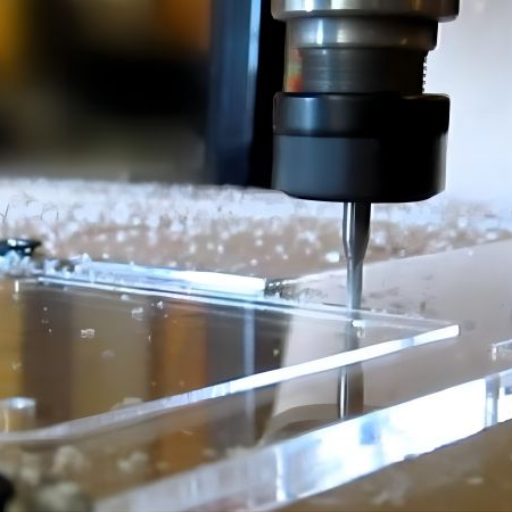
The CNC machining processes used for plastics encompass milling and turning and drilling and routing operations. The milling process creates detailed designs through plastic material cutting and shaping which uses rotating tools. Turning uses a lathe to rotate the workpiece while a cutting tool shapes it into the desired form which is ideal for making cylindrical parts. The drilling process creates exact holes in plastic components which serve both assembly and functional needs. The routing process functions as a fast-cutting technique which accurately creates plastic parts, making it suitable for prototyping and custom fabrication work. Each process offers unique capabilities which help different industries meet their specific needs.
The process of milling plastic materials requires rotary cutters to cut away material while shaping the workpiece. The main milling methods used in this process are face milling which produces a level surface and slot milling which creates precise width cuts through material. The processes deliver exceptional accuracy which lets them be used for multiple applications that need to produce intricate designs or maintain strict measurement standards. The milling process for plastic materials needs operators to choose their cutting tools and operational speeds because these factors determine whether melted material will result in poor quality output.
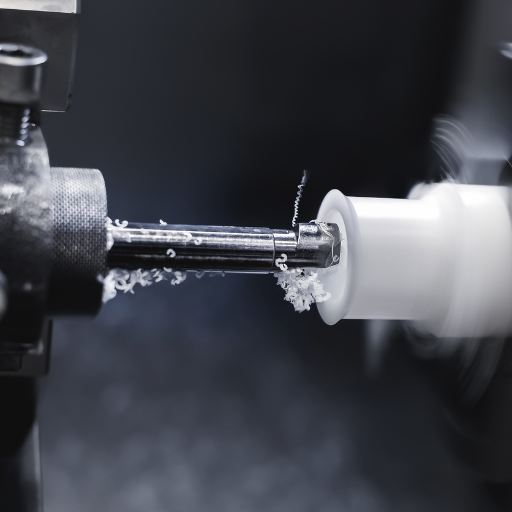
Turning functions as an essential operation within CNC plastic machining because operators use cutting tools to extract material from spinning plastic workpieces for creating both cylindrical shapes and complex shapes. The turning process provides plastic materials with a primary benefit because it produces both smooth surface finishes and exact material dimensions which suit manufacturing requirements of bushings and spacers and threaded components. The turning process for plastics requires operators to select optimal tool materials and cutting speeds and feed rates which create conditions that lead to defects through melting and surface roughness. Operators prefer carbide or diamond-tipped tools because these tools maintain their cutting edge while creating precise plastic cuts without producing excessive heat. The process uses coolants to sustain thermal stability throughout the operation. The operation of advanced CNC machines which offer precise speed control and toolpath management produces dependable and superior outcomes for intricate designs.
Plastic machining routing applications are a necessary tool for several industries due to their capacity to produce intricate detail through their multiple capabilities. Common applications include producing intricately-shaped electronic components, such as casings or circuit board supports, and manufacturing custom-built parts for automotive and aerospace industries. It is fundamental that routing, with its ability to deliver sharp edges and intricate patterns onto acrylic, be able to produce signage. The medical device production requires the application to generate high-precision components essential for carrying out operation functions. As a result of these applications, innovative routing methods are able to deliver high-quality results for various plastic materials.

CNC machining provides multiple technical advantages to plastic materials because it achieves high accuracy and consistent results and enables production of intricate three-dimensional shapes. The technology achieves exacting standards through its ability to produce precise measurements which makes it suitable for use in medical devices and aerospace components. The manufacturing process benefits from CNC machining because it can work with different types of plastic materials which results in both flexible production options and dependable output. The process specifically encounters challenges with material deformation and melting problems during machining when operators work with materials that include softer plastic components. The manufacturing process leads to material waste and it requires more expensive setup costs for smaller production runs when compared to other production methods like injection molding.
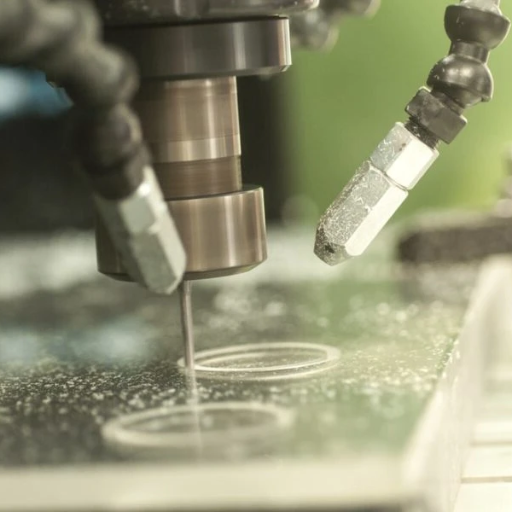
The plastic CNC machining process needs high-performance materials to create products that maintain their strength and accuracy in challenging operational environments. PEEK serves as a commonly used material because it provides outstanding mechanical strength and thermal resistance while polycarbonate offers toughness and optical transparency. The engineered components use nylon and Delrin as materials because they provide great wear protection and maintain low friction. The specific needs of an application determine which plastic material should be selected by engineers because they need to assess thermal stability and chemical resistance and structural integrity.
There will be different attributes of the different plastic materials. The material selected largely depends upon the kind of applications needed for strength, temperature tolerance, and such like other surface properties of plastics.
Polyether Ether Ketone (PEEK) is a high-performance thermoplastic bragging about its exceptional mechanical properties and the best ability to resist chemicals. Its remarkable strength, hardness, and toughness are most suitable for applications under harsh conditions. PEEK survives in high temperatures, where it retains its properties with continuous use up to 250°C (482°F). It cannot be hydrolyzed–adding to its stable nature in water and very humid surroundings.
Due to these exceptional properties, PEEK is employed in numerous industries:
These properties provide for versatility and good mechanical behavior in demanding high-performance applications.
Delrin and polycarbonate are widely known for being strong and long-lasting and for their versatility in producing precision parts.
Acetal is distinguished by its high stiffness and low friction. That makes it suitable for components necessitating easy movement and wear prevention. Typical uses for Delrin include gears, bearings, and bushings because of their ease of machineability and high resistance to any wear.
Renowned for absorption on impact and heat resistance, clarity makes it well-suited for applications demand such as those requiring transparency and strength. It is used on lenses, protective screens, and some light-weight structures.
Both are important to industries that require precision, such as automotive, aerospace, and electronics, where on-the-job performing high-quality materials are critical.
Applications of plastic machined parts are diverse due to their adaptability, precision, and performance across a wide range of industrial sectors. In the automobile field, they are used to provide lightweight materials where needed for parts like gears and housings. Meanwhile, the aerospace sector uses their strength to weight ratio in applications such as insulation and structural supports. They are relied upon in the electronics industry for non-conductors such as circuit board encasements, connectors, and wire clips, and in medicine for biocompatibility and easy sterilizability in surgical instruments and diagnostic equipment. Lastly, CNC machined plastics play a key role in prototyping and other high-accuracy applications pertinent to product development in distributions.
In aerospace, another advantage of CNC machined plastics is their propensity to be light yet robust. Such plastics are usually utilized in the production of internal parts such as back seats, tray tables, and overhead bins. These not only lighten the overall load of the aircraft and enhance fuel efficiency but also offer excellent performance in areas of application such as harsh chemical environments and high-temperature locations. Very often used for protective housings and insulation, among others, harsh plastic features fulfilled all the safety and regulation requirements thereby giving scientific validation to their efficacy.
Injection-molded plastics are practically irreplaceable in the medical devices industry due to their flexibility, precision, and biocompatibility. They are in fact used for manufacturing traits in various medical operations, such as surgical instruments, implanted medical devices, devices used in diagnosis, and special medical plastics such as prosthetics. Materials such as polyether ether ketone (PEEK), polytetrafluoroethylene (PTFE), and medical-grade substances, such as polycarbonates that are commonly used, are the most beneficial in providing mechanical strength, sterilization resistance, and tissue biocompatibility.
There are higher interests in CNC-machined plastics for cutting-edge medical technologies, like a robotic arm for surgery and advanced wearables for health reports. With their ability for customization and meeting stringent regulatory requirements, CNC Machining helps to ensure that very high-quality performance and safety go into medical devices in modern healthcare.
In modern electronics, precision-machined plastics have become an enabling technology for the production of components that are lightweight, durable, and tolerant to environmental factors. Among others, these materials are used to produce insulators, connectors, and casings which go a long way towards ensuring that electronic tracking equipment continues to perform reliably for a long time. Their insulating properties are an essential safety feature to protect sensitive components within complex circuits. Thanks to CNC machining, a highly accurate form of manufacture, these precision parts maintain the highest of compatibility and consistency in all aspects of operation from consumer electronic products to industrial devices.
Machining of Fibre Reinforced Plastic Composite Materials: Discusses recent research achievements and trends in machining processes for plastic composites.
Machining of Plastics: A Review: Provides an overview of plastic machining processes like turning, drilling, and milling, focusing on precision.
Optimising Machining Parameters of Plastic Material Using Taguchi Method: Explores optimization techniques for CNC milling of plastic materials, including surface roughness tests.
CNC Machined Small Batch Plastic Machining Parts: Focuses on CNC machining strategies for small-batch plastic parts, relevant for precision manufacturing.
Choosing the right plastic begins with a guide to materials such as mechanical properties, chemical resistance, thermal resistance, and surface finish. Work with CNC turning and milling services or a machinable plastic and production-grade material supplier early in the process to select plastic types and stocks that meet your needs and the institution’s requirements; the best options for materials are machinable ones ABS, POM (Delrin), Nylon, PTFE, and Acrylic. A competent partner is one who also offers advice on CNC turning and milling sets, cutting tools and cutting strategies to ensure that only well-produced parts and components suitable for a variety of applications (i.e., ranging from prototype to relatively high-volume plastic production) are used.
Plastic materials are often used in CNC machining. The plastics typically fall into the following categories: acetal (POM), ABS, polycarbonate, UHMW, nylon, and PTFE. Acetal and ABS are good for impact resistance as well as cosmetic finishes of said plastic parts, while PTFE and UHMW are the superior materials for low-friction applications. The proper selection of the plastic part depends on the end-use requirements, a need for any type of finishing for the plastic parts, and whether complex geometries or stock-materials fit in more for machining processes.
Selecting cutting tools for plastics differs from machining metals: use sharp, high-helix carbide tools designed to reduce heat and prevent melting. For soft plastics choose single-flute endmills or high-feed machine to manage chip removal; for harder engineering plastics use multi-flute carbide cutters. Your machining works provider can specify tool geometries and coatings that minimize cutting forces and deliver desirable surface finish while allowing you to manufacture precision parts from different plastic varieties.
Final finishes of any plastic come as a balance between plastics type, cutting parameters and tool in that setting. The type of plastic plays a role in the surface finish that can be achieved by different methods in production systems. Some plastics can be manufactured with smooth and glossy finishes, like ABS and acrylic, by simply selecting the best feeds and speeds. Amorphous plastics often machine crisper than the semi-crystal. In many machining environments such methods as slight polishing, tumbling or vapor smoothing can append to the level of shininess for plastics that want superior detail on their surfaces and thus destined for the visible consumer.
Yes, computer numerical control milling and turning involve a method of fabrication wherein a computer-controlled machine tool feeds on the lathe tool to create parts and components in plastics and metals, capable of rendering complex shapes. Manufacturing of CNC machine parts is made for a large variety of geometries requiring precision in measurements for keeping tight tolerances in addition to good surface finish. CNC service provides the necessary CAD file, material selection advice to select tools that are best suited for applications, and related machining strategies to use for components composed of varying materials.

Manufacturing processes are quite complex, and the choice of a production method is directly related
Learn More →
There are two major manufacturing methods for producing plastic prototypes that most people find useful
Learn More →
As a person involved or interested in the design and production of plastic components, it
Learn More →