

Manufacturing processes are quite complex, and the choice of a production method is directly related
Learn More →
CNC motorcycle parts are a remarkable advancement in the performance and beauty of a motorcycle. These parts are made from high-grade materials and undergo thorough CNC machining, which bestows fine-tuned accuracy, hence offering riders more than just easy usability; these parts enable riders to customize their motorcycles to an unparalleled level. In this article, we shall discuss the world of CNC motorcycle parts, focusing on their distinct features, the technology behind their production, and the benefits they bring to the overall motorcycling experience. Whether you are an expert rider or an enthusiast wanting to modify your bike, this article will provide you with ample knowledge on decisions that can enhance the experience of riding your motorcycle.
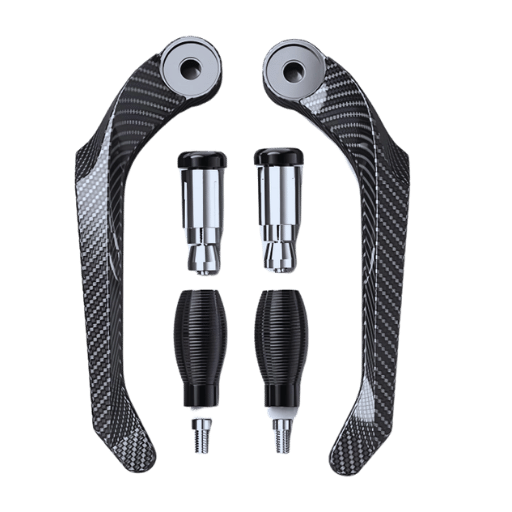
CNC motorcycle components are more durable, precise, and functional than conventional parts. Computer-aided manufacturing methods guarantee these components are made to precision, enhancing their functionality and reducing the wear of each element. The longevity and durability of parts manufactured through CNC processes significantly increase due to the adoption of advanced materials. Furthermore, the CNC machining customization options allow riders to tailor specific parts to personal requirements, which results in improved aerodynamics, decreased weight, and enhanced performance. Reliability and personalization are key attributes riders seek, making them prefer CNC parts.
CNC technology improves operational efficiency by measuring accuracy, uniformity, and upholding high production standards. Eliminating numerous manufacturing steps greatly cuts down the production and service lifecycle. Due to standardized automation, components are easier to maintain and enhance. Moreover, parts produced using this technology tend to be made from stronger materials and, therefore, more efficient. Undoubtedly, value engineering facilitates saving while catering to lightweight yet strong products. Uniformly, CNC technology readily guarantees numerous precision duplicates of a piece, maintaining dimension and weight balance at all times.
| Key Point | CNC Parts | Traditional Parts |
|---|---|---|
|
Precision |
High accuracy |
Lower accuracy |
|
Consistency |
Uniform results |
Variability possible |
|
Efficiency |
Fast production |
Slower process |
|
Labor |
Minimal required |
Skilled labor needed |
|
Cost |
Long-term savings |
Higher labor costs |
|
Materials |
Versatile options |
Limited flexibility |
|
Complexity |
Handles intricate |
Limited complexity |
|
Waste |
Minimal |
Higher material waste |
|
Setup |
Quick programming |
Time-intensive setup |
|
Scalability |
High-volume ready |
Small-scale suitable |
Ensuring precision is the cornerstone of CNC machining since it guarantees that the manufactured components are within the accepted tolerances and are designed accurately. High precision mitigates errors, optimizes functionalities within the components, and ensures consistent performance during mass production. This degree of accuracy is fundamental within the aerospace, automotive, and medical sectors, where even the slightest inaccuracy can seriously impair performance in CNC routers and vertical machining centers. Self-evidently, the stringent tolerances necessitated in these fields make precision CNC machining indispensable, driving increased product value, improved reliability of operations, and greater efficiency.
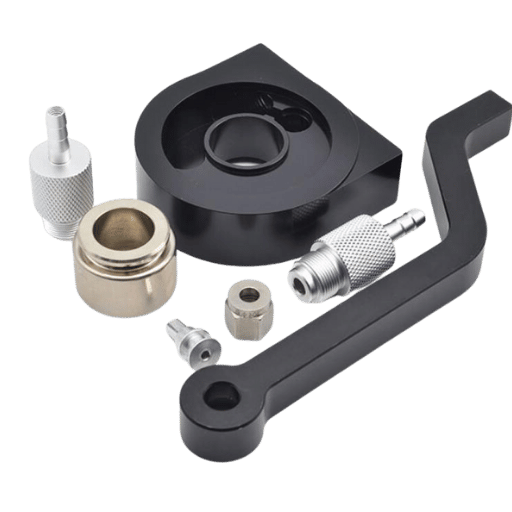
CNC (Computer Numerical Control) machining refers to the automated precision machinery fabricating motorcycle parts. During machining, cutting tools are removed from the material being worked on and controlled through previously programmed software. Due to modern technologies, various metals and composites, such as aluminum, steel, titanium, and even more, can be used to manufacture intricate and precise parts.
CNC machines benefit the aforementioned parts and components, including custom frames, engine parts, brake systems, transmission gears, engine cylinders, and pistons. Their complex geometries and performance-demanding tight tolerances require multifunctional CNC machining, ensuring maximum durability. Let’s take engine cylinders and pistons as an example; both parts require precise CNC machining to seamlessly fit into each other and fully perform in liquid fuel environments.
Statistics show that CNC machining enhances part production speeds by approximately 50% compared to classical methods. Motorcycle manufacturers also utilize multi-axis CNC machines, which improve precision cuts and decrease assembly time. These features are essential as they help boost the creation of flexible components to enhance the reliability and performance of the motorbikes while upholding their lightweight construction. Incorporating modern technologies into the equipment allows manufacturers to keep high standards of quality while responding to the particular needs of high-performance motorcycle developers.
The CNC milling process for motorcycle parts follows a subtractive method of manufacturing. This approach removes material from a solid block of aluminum, steel, or titanium using computers and tools, often called “Software Controlled Machining.” The process begins with a digital design crafted on CAD (Computer Aided Design) software. This design subsequently gets converted into machine instructions through CAM (Computer Aided Manufacturing) Software, ensuring precision in machining tasks.
CNC Milling equips machining rotors with several perpendicularly mounted rotary cutting tools. Each one works along several axes, generating between three and five degrees of freedom, with each tool independently capable of rotary motion. This allows the creation of complex shapes and detailed contours on the surface of the solid piece. While making motorcycle parts like engine cases, brake calipers, and gears, tight CNC milling tolerances of ±0.001 inches or even better are a must for safety in performance and reliability.
Apart from the above, the CNC method has the advantage of enhanced efficiency through less material wastage and shorter production cycles. Increased production efficiency is also achieved through improved tool materials such as carbide cutting tools and real-time process monitoring systems, which greatly reduce defects. In the motorcycle industry, reduced average weight and significantly boosted strength enhance speed, fuel economy, and overall performance, demanding precision and efficiency during component manufacturing.
CNC turning is crucial for producing custom parts across several industries because of its unmatched accuracy, repeatability, efficiency, and exceptional capability of handling intricate designs.
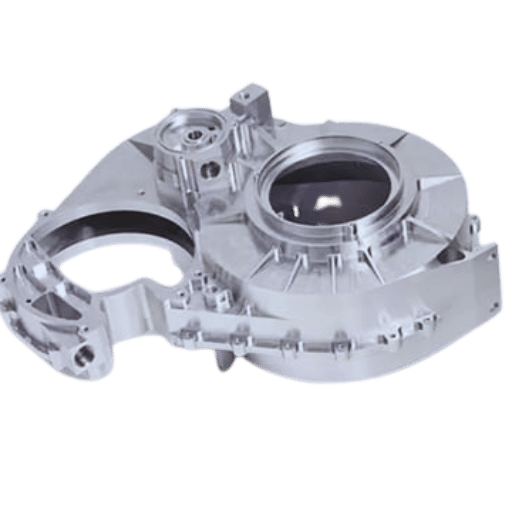
The most notable CNC racing motorcycle components are customizable foot pegs known as rearsets, advanced performance-grade sprockets, precision brake and clutch levers, and lightweight aluminum alloy handlebars. They are most sought after because their application improves handling and control while decreasing overall weight and increasing durability, which is essential for beauty and performance competition on the track.
Yes, customization is attainable with custom cnc components because of advanced cnc machining, which provides convenience in modifying parts for precise designs and performance specifications.
A motorcycle’s performance is enhanced by sporting carbon fiber accessories due to their lightweight while retaining structural integrity. This reduction improves speed, agility, and overall handling, enhancing performance and control. Furthermore, critical components such as fairings, fenders, and exhaust systems benefit from carbon fiber’s light weight, durability, and resistance to wear, making it a long-lasting option. In addition, its sleek appearance gives a high-end aesthetic, which augments the motorcycle’s beauty as a masterpiece of modern CNC engineering.
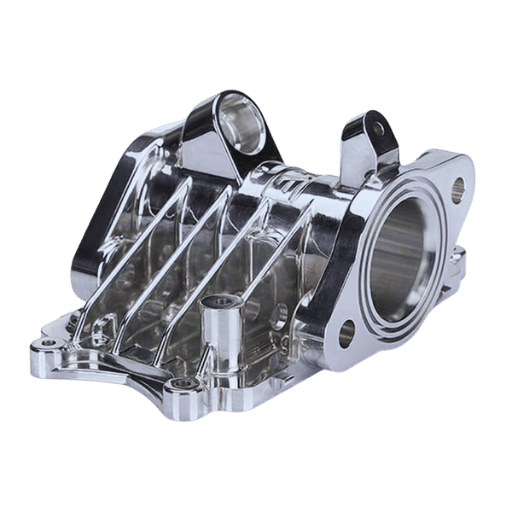
A CNC racing brand distinguishes itself with its attention to detail, CNC engineering, use of premium materials, and novel designs intended for performance modification. These brands specialize in manufacturing parts for motorcycles, ensuring the utmost reliability, longevity, and performance multifunctionality required by professional racers and avid fans. Their commitment to tailored modification and engineering improvements guarantees riders sophisticated Coventry CNC products in every aspect, from style to performance.
| Parameter | Racing Parts | Standard Parts |
|---|---|---|
|
Weight |
Lightweight |
Heavier |
|
Durability |
Short-term |
Long-lasting |
|
Performance |
High-speed |
Moderate |
|
Suspension |
Stiff, tuned |
Softer, general |
|
Brakes |
High-power |
Standard |
|
Tires |
Sticky, soft |
Durable, hard |
|
Materials |
Carbon, titanium |
Steel, aluminum |
|
Design |
Aerodynamic |
Practical |
|
Cost |
Expensive |
Affordable |
|
Usage |
Track-specific |
Everyday |
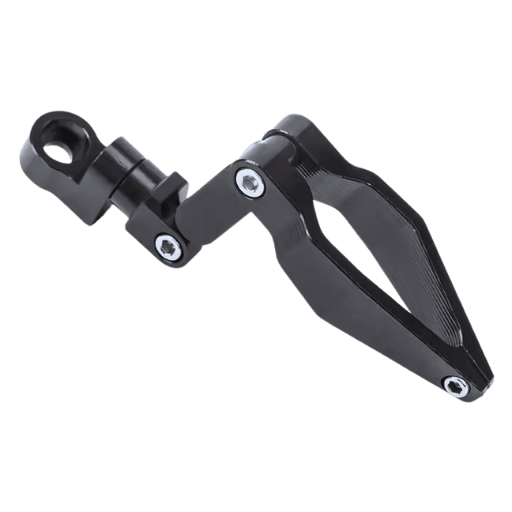
Custom CNC machining improves the performance of motorcycles through the exact fabrication of critical components. Enhanced accuracy during the machining process ensures tighter tolerances, which leads to parts that function and fit seamlessly. It also allows the use of advanced materials such as high-strength composites and lightweight alloys, which improve durability while reducing weight. In addition, precise CNC machining makes it possible to produce parts with aerodynamically, structurally, and operationally efficient optimized designs, further enhancing off-track or on-road performance. Through this customization, superior speed, sharp handling, and exceptional reliability are achieved due to the CNC machining of motorcycle parts.
| Part | Material | Process | Benefit | Customization |
|---|---|---|---|---|
|
Engine Components |
Aluminum, Steel, Titanium |
CNC Turning |
Precision, Durability |
High |
|
Handlebars |
Aluminum, Steel |
CNC Milling |
Strength, Ergonomics |
High |
|
Foot Pegs |
Aluminum, Steel |
CNC Milling |
Grip, Comfort |
High |
|
Brake/Clutch Levers |
Aluminum, Titanium |
CNC Milling |
Responsiveness |
High |
|
Sprockets |
Steel, Aluminum |
CNC Milling |
Performance |
Medium |
|
Chassis Parts |
Aluminum, Steel |
CNC Milling |
Strength |
Medium |
|
Exhaust Systems |
Titanium, Steel |
CNC Milling |
Lightweight, Aesthetics |
High |
|
Wheels |
Aluminum, Steel |
CNC Milling |
Handling, Style |
High |
|
Fuel Tanks |
Aluminum, Steel |
CNC Milling |
Fit, Aesthetics |
High |
|
Decorative Elements |
Brass, Copper |
CNC Engraving |
Aesthetics |
High |
A: CNC machining greatly enhances the consistency and precision of motorcycle component production. One of the primary benefits of CNC technology is that it can manufacture custom motorcycle parts with intricate, one-of-a-kind designs, improving performance and aesthetics.
A: CNC technology allows for manufacturing complex and precise geometrical parts for motorcycles. This technology helps motorcycle diehards create their desired parts, which results in custom-made parts such as handlebars and foot pegs.
A: CNC machining can manufacture parts and accessories such as engine components, levers, foot pegs, and a wide range of other parts. It is most effective for producing high-performance motorcycles and custom motorcycle parts.
A: Motorcycle parts can be processed with CNC using different metals, such as aluminum, titanium, and composite materials. These metals are selected for their strength, lightweight, and corrosion resistance.
A: CNC performance motorcycle parts and engine components are made to improve performance. These components are made with precision and efficiency to optimize a motorcycle’s performance.
A: Due to high-grade materials that resist corrosion, strict mold crafting, and anodizing application, motorcycle cnc parts are notoriously long-lasting. These coatings help protect and further increase the lifespan of such components.
A: Of course. CNC machining allows the alteration of motorcycle parts by creating custom surface treatments and colors. Custom anodizing gives more color options and protection to the surface, hence easily allowing personalized design parts.
A: Definitely. CNC machined parts are perfect for high-performance motorcycle applications because of their precision, strength, and ability to withstand harsh conditions. These parts improve the bike’s performance and aesthetics.
A: Laser cutting is a supporting operation performed alongside CNC turning to achieve accuracy on additional features and complicated shapes. This technology also makes it possible to manufacture lightweight fiber parts and other elements accurately.
A: In this case, it will be best for you to choose a well-known CNC machining service that has maintained a history of good quality motorcycle parts fabrication by CNC. You will also want to consider a service with long-standing, well-known specialists, good motorcycle parts fabrication technology, and a reliable standing in the market.
1. OPTIMIZATION OF CUTTING DIRECTION PARAMETERS FOR A CNC MILLING MACHINING PROCESS POCKET ON STRUCTURE AND SURFACE ROUGHNESS ON POSTEP MOTORCYCLE SPARE PARTS (Habiby et al., 2023)
2. Development of Camshaft Machining Processes using Turning and Milling CNC Machines – A study focusing on Indian motorcycles and the components connected to them.
3. Motorcycle

Manufacturing processes are quite complex, and the choice of a production method is directly related
Learn More →
There are two major manufacturing methods for producing plastic prototypes that most people find useful
Learn More →
As a person involved or interested in the design and production of plastic components, it
Learn More →