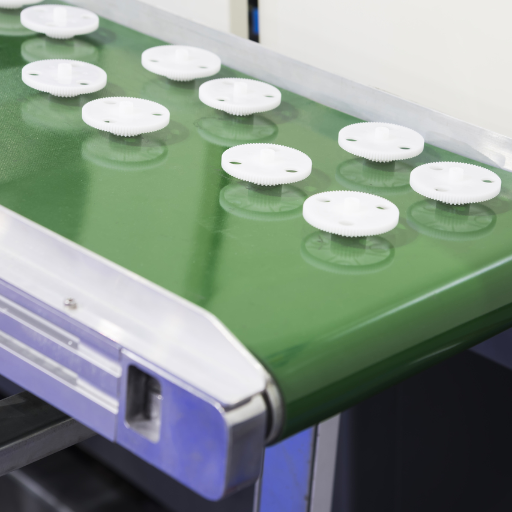
Aluminum is one of the most versatile materials used in various industries, from aerospace to consumer electronics. In fact, with properties such as strength, lightweight, and good looks, aluminum is highly engravable with precision CNC tools. Whether you are a machinist or a beginner in CNC, to produce an optimal and professional finish, it is essential to be aware of the various methods of aluminum engraving. This guide enlists all the fundamental process considerations and best practices in CNC engraving on aluminum. From tools and materials to engraving techniques, this article will give you the confidence and knowledge needed to bring any project, whether more artistic or not, to life with your touch.
Introduction to CNC Aluminum Engraving
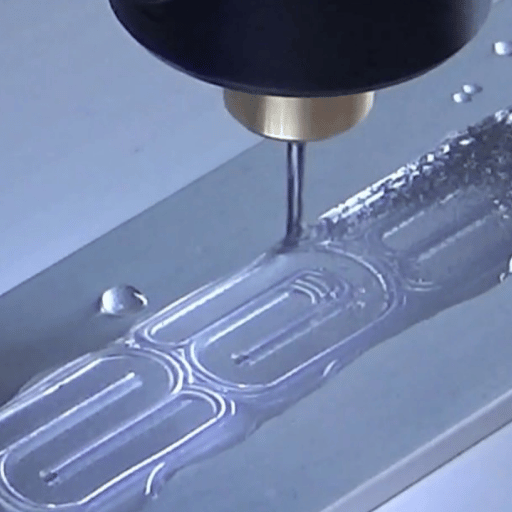
This process involves aluminum engraving with CNC (Computer Numerical Control) technology, a meticulous and carefully designed method for decorating, marking, or inscribing aluminum. In these machines, cutting tools are guided under computer control with extreme accuracy. Because it balances strength with lightness and incorporates machining features, aluminum is widely used in industries such as aerospace, automotive, and manufacturing. Significant factors contributing to the production of good-quality outputs include the application of correctly chosen cutting tools, determining feed rates appropriately, and maintaining the machines in good calibration. When combined with correct techniques, computer control enables CNC engraving to be an accurate and reproducible finishing process for a wide range of applications.
What is CNC Aluminum Engraving?
CNC aluminum engraving is a precision machining process used to accurately engrave designs, markings, or text on aluminum surfaces. CNC machining utilizes numerically controlled cutting tools to ensure accuracy, resulting in consistent and detailed engraving from piece to piece. Casting such a wide net, CNC engraving finds applications in the aerospace, automotive, and consumer electronics industries for branding, serial numbering, and decorative enhancements.
History and Evolution of CNC Engraving
The historical evolution of CNC engraving dates back to the mid-20th century, when numerical control (NC) technology emerged, utilizing punched cards as the primary means of programming machines for specific operations. As computer technology advanced, computer numerical control (CNC) appeared in the 1970s, significantly enhancing the precision and efficiency of the process. The CNC technologies, when integrated with engraving tools, have revolutionized industries by facilitating the creation of intricate designs in consistent instances. CNC engraving continues to evolve with new updates in software, hardware, and materials, underscoring a diverse scope across various sectors.
Understanding the CNC Process
The CNC process is one in which pre-programmed computer software controls the movements—an operator inputs design parameters into the computer, which then communicates precise instructions to the CNC machine. The machines can work on materials like metal, plastic, or wood to manufacture components with excellent precision and repeatability. The stages in this process typically consist of designing the component in CAD software, converting the CAD design to machine code (CAM), and producing the component using a CNC machine. This reduces human error and is an excellent method for mass-producing complicated parts, especially in conjunction with laser engravers for intricate designs.
Benefits of Engraving Aluminum with CNC
Precision and Accuracy
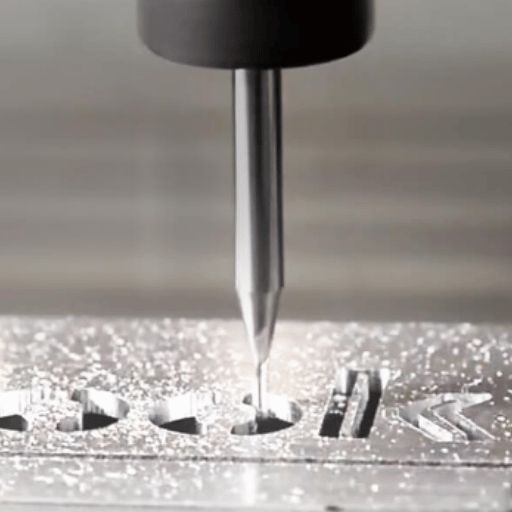
The CNC machinery ensures that aluminum engraving is performed with utmost precision and accuracy, thanks to advanced technology and sophisticated control systems. The CNC machinery working in tandem with its laser engraver is capable of replicating very minute details with a permissible tolerance of ±0.001 inches. The degree of accuracy is mutually agreed upon between sectors such as aerospace and automotive, the latter being at risk if there are any remotely minor irregularities. The CAD and CAM software with high resolution enables the production of complex combinations and detailed engravings for custom orders, maintaining the same high standard of finish throughout the entire production run. Reducing inconsistencies and maximizing fine detail thus makes CNC engraving applicable to needs that require exacting composition and aesthetic appeal.
Versatility of Designs
CNC machining offers essentially unlimited versatility across various materials, including metals, plastics, wood, and even glass. Therefore, manufacturers creating designs for multiple industries may have the opportunity to engrave a wide range of products for signage, medical devices, consumer electronics, and luxury goods. Industrial applications, for example, sometimes choose to use stainless steel for components that require strength, whereas marketing materials often opt for acrylic due to its colorful and flamboyant nature.
Due to recent advancements in toolpath optimization and Multi-Axis CNC systems, even more complex engraving geometries are now achievable. Manufacturing 3D designs with extreme precision for dynamic environments, such as aerospace engineering and wearable technology, is possible with these systems. According to an industry report from 2023, the global CNC market is expected to drive the implementation of customization and precision, leading to a 6.8% CAGR growth. This growth factor highlights the importance of a flexible and efficient machining process.
Consider the ability of CNC engraving to transition seamlessly from complex patterns to larger-scale etching. This also means that, through programmable automation, companies can streamline their workflow in terms of product consistency across different applications, making CNC a pertinent tool in today’s manufacturing.
Durability and Finish Quality
CNC engraving processes had manufactured steel final products that were best in terms of durability and finish quality. Advanced CNC machines are the latest generation, equipped with the most precise tools for working with hard materials. They are designed to be more resistant to wear and adverse atmospheric effects. In the case of engraving, the hardness of some components can exceed 60 HRC, depending on the material used, thereby supporting the work’s functionality for an extended period, even under conditions of heavy use. The CNC can select from a range of finishes, from matte to almost mirror-like, with surface roughness values as low as 0.8 µm or even lower. Such capabilities are crucial in aerospace, automotive, and medical device engineering, where precise structural and aesthetic requirements prevail. Combining advances in materials science with state-of-the-art machining technologies makes CNC engraving an absolutely durable and impeccably finished process tailored to specific applications.
Techniques Involved in CNC Aluminum Engraving
Choosing the Right Engraving Tool
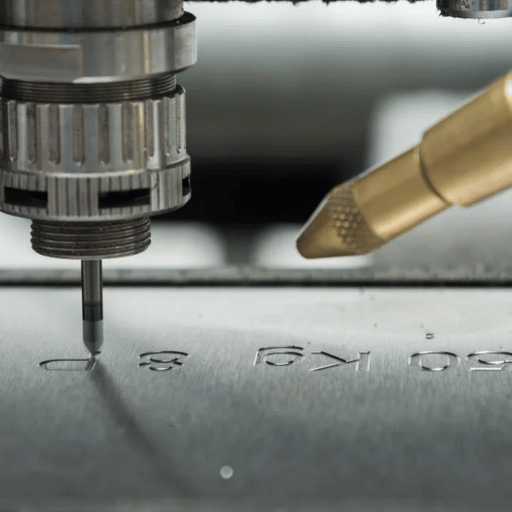
Selecting the right tool is crucial for achieving the best possible results in CNC aluminum engraving. The tool must be chosen serially, considering the material properties, the required depth of engraving, and the desired surface finish. Generally, the tools employed for aluminum engraving include carbide end mills, diamond drag bits, and V-bits, each excelling somewhat in its intended application.
Carbide tools have always been preferred for aluminum alloys due to their ability to resist wear, while maintaining hardness and precision, thereby ensuring longevity. The diamond drag bits are used for finer engravings and high detail because they allow a pattern to be drawn by sliding without spinning, thus producing clean lines that can be very precise. V-bits are for deeper or beveled engraving, offering applications for a wide variety of design profiles.
Tool geometry, including the tip angle and flute design, plays a crucial role in producing a clean, high-speed cut and facilitating efficient chip removal. For instance, a v-bit generally comes with either a 60° or 90° tip angle, while end mills with high flute counts allow for much smoother finishes at higher speeds, thus armoring the engraving process. Ti- or aluminum titanium nitride-based coatings further improve performance by reducing frictional forces and heat generation as the tool operates.
Considering these aspects, along with regular tool maintenance, helps maintain the CNC aluminum engraving process with high precision and consistent quality.
Types of CNC Machines for Engraving
Understanding Bits and Cutters
Bits and cutters are primary machining and engraving entities whose choice determines the ultimate quality, speed, and economic value of machining operations. The contemporary bits, comprising end mills, ball nose cutters, and v-bits, are designed for particular purposes. In other words, an end mill is primarily used to cut flat surfaces with neat edges, while a ball nose cutter is suitable for shaping 3D contours due to its rounded tip. A V-bit, however, is used for detailing and engraving, where sharp angles are needed for delicate detail shaping.
Their construction materials also significantly impact their performance and durability. For example, carbide cutters are tough and heat-resistant, making them well-suited for high-speed operations on harder materials. The HSS bits, in the general sense, are less durable than carbide but are well-suited for cutting softer materials and general-purpose cutting applications. Coatings such as titanium nitride (TiN) or diamond-like carbon (DLC) can be applied to increase tool life by reducing friction and resisting wear.
Some operational data emphasize that settings must be accurate to attain the desired optimal result. Feed rates, spindle speeds, and cutting depths all depend on the material properties and the type of tool. For example, aluminum typically requires relatively high spindle speeds and low feed rates, as chatter can develop if either the speed is too low or the feed rate is too high. The cutting edges will also quickly become overheated. Consistent checking of such parameters guarantees tool life and machining accuracy. Maintaining sharp edges, selecting and applying materials for cutting, and utilizing metals with a comfortable geometry are some of the methods for achieving optimal results in various applications.
Typical Applications of CNC Aluminum Engraving
Industrial Applications
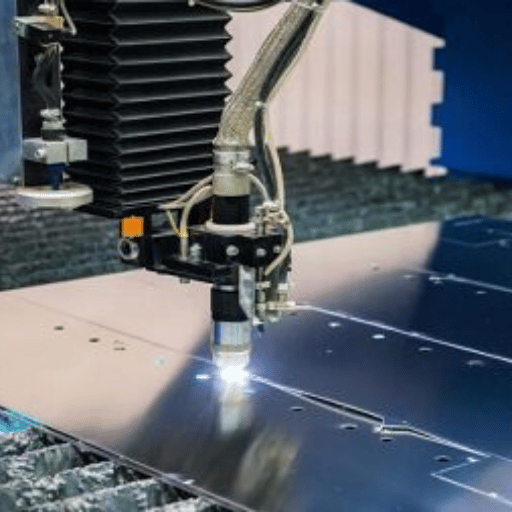
CNC aluminum engraving has numerous industrial applications due to its precision, durability, and versatility. Lightweight components with structurally strong brackets, housings, and specialized geometries for aircraft systems are manufactured with the assistance of specialized engravers in the aerospace sector. Aluminum offers the best strength-to-weight ratio required to meet the stringent manufacturing parameters prevailing in this field.
Similarly, CNC engraving is utilized in the automotive industry, where detailed designs are engraved into engine parts, gearboxes, and decorative trim. A growing technology, CNC enables manufacturers to achieve finer tolerances, thereby enhancing the performance properties of these components. For instance, increased accuracy from present engraving machines improves fuel economy by reducing mismatches of parts and mechanical losses.
Heat sinks, enclosures, and chassis are all designed to ensure efficient heat transfer for aluminum engraving CNC machines in the electronics industry. The loss of miniaturization in electronic design would have meant continued creation due to the use of higher-complexity parts and higher precision than CNC machining.
Moreover, aluminum-machined CNC is suitable for use in surgical instruments, prosthetics, and components of medical imaging devices. Aluminum is biocompatible and corrosion-resistant, making it an excellent choice in the industrial field. Meanwhile, CNC technology ensures the production of exact and reliable tools, which are crucial to patient care.
These examples demonstrate how CNC aluminum engraving has a significant impact on various industrial segments by considering engineering aspects, thereby enabling more effective solutions with variable material properties.
Art and Design Projects
CNC aluminum engraving has served the art and design world well, maintaining its precision and versatility for creative professional applications. The artist incises fine lines and textures on aluminum surfaces, thereby enabling the creation of unique sculptures, decorative pieces, and functional art. CNC is used by designers in interior design and furniture making to produce custom panels, architectural elements, or ornate parts that enhance aesthetic appeal.
The data presented suggests that, depending on the various functions that can be performed with aluminum, its use in art and design projects has undergone a significant shift, mainly due to its lightweight nature, durability, and ease of customization. Aluminum can hold the most minute details throughout engraving, which ultimately transforms the output into neatly finished products, even with complicated designs. Besides that, it can be surface-treated through anodizing or powder coating, which opens up further potential for color treatment and surface protection. The conjoining of technology and material innovations is a vast field that both heritage artists and contemporary designers can tap into for the sake of experimentation on new types of artistic expressions.
Personalized Gifts and Items
The past decade has witnessed a surge in the personalized gifts sector, driven by the growing demand for customization and meaningful gifts. Market sources forecast that the customized gifts market worldwide will reach $43.3 billion by 2027, growing at a CAGR of 9.5% from 2020 to 2027. This trend represents the shift toward products that carry emotional value and are tailored to individual tastes.
Laser engraving, 3D printing, and sublimation printing are among the modern technologies that have made the customization process faster and cheaper. Laser engraving implements precise craftsmanship on a wide range of materials, including wood, metal, and glass, for use in jewelry, plaques, and keepsakes. Sublimation prints produce the most vivid and full-color images on items such as mugs, phone cases, and apparel.
The user-friendly online platform where customers design and preview their customized items before placing an order is an application of this particular business trend, with a CNC engraving guide available to assist. This blend of cutting-edge manufacturing processes and digital interfaces yields a seamless environment that enables the personalized creation of products for individual consumers and also presents unique branding opportunities for corporate clients.
Challenges and Troubleshooting in CNC Aluminum Engraving
Common Issues Faced During Engraving
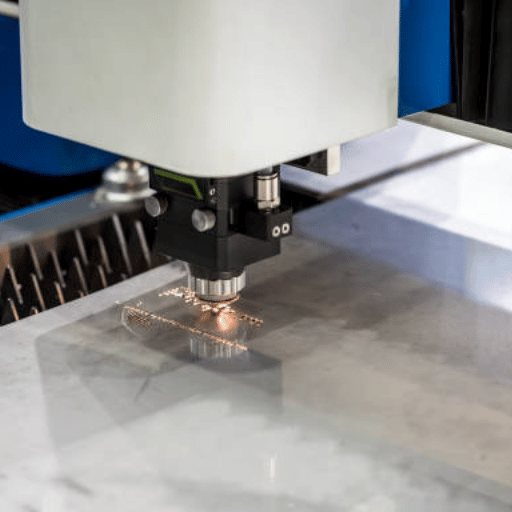
CNC aluminum engraving is exact and efficient, but it occasionally encounters issues that can compromise the quality of the product. Tool wear occurs with harder grades of aluminum or prolonged mushrooming runs, as well as consistent chip removal. Worn-out tools produce uneven engraving depths or burrs on the surface, which reduces the quality of the finish and necessitates additional secondary polishing. The best way to maintain accuracy is to monitor and change engraving bits regularly.
Thermal expansion is also a significant problem, as high-speed cutting tools generate a substantial amount of heat. Thermal expansion can create dimensional inaccuracies, particularly in designs that require intricate perforations. The application of proper cooling measures should alleviate this problem; one can use a mist coolant or simply an air blast.
Meanwhile, chip evacuation difficulties can occur during engraving, especially with deeper cuts. Aluminum chips adhere to the tool’s surface, causing clogging and reducing the tool’s cutting ability. This problem can be resolved satisfactorily with cutter tools with high rake angles and suitable spindle speeds and feed rates.
Poor material clamping and vibration cause misalignment and low engraving accuracy. Using the right fixtures and clamping the material properly reduces these errors. Precision machining requires a stable environment, making vibration control essential for successful CNC engraving.
Once these things have been identified, and the right combination of tooling, machining parameters, and cooling methods has been applied, one can always expect reliable and high-quality results from the engraving process.
Maintenance Tips for CNC Machines
- ✓Regular Cleaning: Keep the CNC machine free of dust, debris, and material buildup by cleaning it after every use. Contamination may shorten the life of the parts.
- ✓Lubrication: Periodically, ensure that all moving parts are properly lubricated to minimize friction and wear. This is very important for operating the CNC engraver smoothly.
- ✓Inspect Tooling and Fixtures: Regularly check for wear-and-tear damage on tools, fixtures, and clamps, and replace them as needed to ensure accuracy is not compromised.
- ✓Monitor Cooling Systems: Check the coolant level and look for leaks or blockages in the cooling system. Cooling should be maintained with precision to support the machine and ensure its longevity.
- ✓Check Alignment: Periodically check the alignment of the machine axes to ensure that any inaccuracy due to misalignment is addressed during operations.
- ✓Update Software and Firmware: Updating the control software and firmware brings about improvement in performance and the elimination of potential glitches.
- ✓Test Safety Features: All the safety systems must be tested out, including emergency stops and guarding, to ensure a safe working environment.
- ✓Perform Routine Inspections: Conduct daily inspections according to the manuals, so that any potential issues can be identified and addressed promptly, thereby guiding the maintenance of the CNC engraver.
How to Solve Engraving Problems
Uneven Engraving
Ensure that the whole surface to be engraved is flat. Use a precision leveling tool to check the alignment of the machine bed and the workpiece along the X and Y axes. Also, check if the focal distance of the engraving machine is adjusted correctly; otherwise, it will create depth differences.
Burn Marks or Scorching
If the power setting is excessive, it may burn marks onto certain surfaces, such as wood and leather. Lower the power settings or increase the speed to compensate for the issue. Applying masking tape to the surface can also reduce scorching on sensitive materials.
Blurred or Misaligned Outputs
Misalignment could be due to loose parts or vibrations. Check all belts, pulleys, and guide rails of the machine for any slack or damage, and tighten them as needed. Regular lubrication also ensures that the moving parts run smoothly.
Material Not Engraved Properly
Some materials need specific settings. Use the suggestions provided by the material manufacturer for the speed, power, or frequency engraving parameters, and perform test cuts on scraps to determine the optimal setup.
Incomplete Engraving
If certain areas of the design are missing or appear too light, clean the lens and mirror of the machine to ensure there are no small particles that could prevent the laser beam from passing through. Also, verify that the laser tube is in good working order and that some power is reaching the area to be worked on.
Software-Related Issues
Verify that your design file is compatible with the engraving software. File errors and incorrect vector settings can give you unexpected results. Keep your software updated to avoid bugs caused by incompatibility and to enjoy the benefits of improved features.
Frequently Asked Questions (FAQs)
Key Takeaways
CNC aluminum engraving truly stands at the intersection of precision technology and diverse applications, ranging from aerospace to jewelry and gifts for loved ones. The successful side of this craft involves knowing which tools to use, how to maintain the machine, set varied parameters, and handle troubleshooting methods. Whether in industrial parts or artistic designs, working in this craft ensures the constant production of excellent-quality products that meet all current demands imposed by manufacturing and creative projects.
Reference Sources
- University of Akron Blog: CNC machines and their parameters are included, along with applications such as milling aluminum.
- Carnegie Mellon University: A PDF on engraving and cutting various materials, including aluminum, with engraving parameters and cutting parameters.
- Aluminum CNC Machining Service
- Computer numerical control