

Manufacturing processes are quite complex, and the choice of a production method is directly related
Learn More →
Aluminum 5052 is remarkable for its versatility and durability when it comes to machining aluminum alloys. Aside from its exceptional properties of corrosion resistance, strength-to-weight ratio, and formability, Aluminum 5052 is a preferred grade for near every industry from aerospace to marine. This article explores more of the rather distinctive aspects of Aluminum 5052 as well as its comparison with other greatly used aluminum alloys so that machinists and engineers learn what best practices are required to get the best out of it. In case you wish to improve your outcomes in manufacturing or even if you simply wish to expand your intel on aluminum alloys, this document serves you well with information based on facts to aid in sharpening your decisions on machining Aluminum 5052.
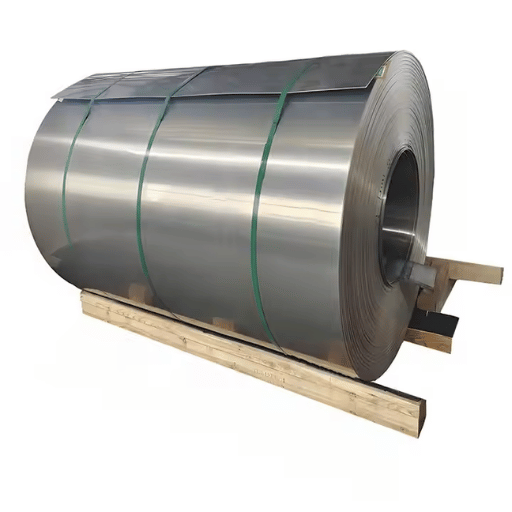
Aluminum 5052 is an alloy belonging to the wrought family of aluminum alloys. It contains magnesium as the main alloying element, giving it exceptional corrosion resistance, strength, and weldability. This alloy is particularly saltwater resistant compared to other alloys which makes it a preferred choice for fuel tanks, marine equipment, and pressure vessels.
Aluminum 5052 differs from other alloys such as 6061 due to its unique properties. Although it does not have the same strength and machinability as 6061 it has better formability and resistance to corrosion. Its lightweight and durability make it a reliable material in numerous industries.
The chemical composition of 5052 aluminum contributes to its excellent corrosion resistance, high fatigue strength, and superior formability, making it suitable for demanding applications.
|
Key Parameter |
Value |
Description |
|---|---|---|
|
Magnesium (Mg) |
|
Enhances corrosion resistance |
|
Aluminum (Al) |
Balance |
Primary component of the alloy |
|
Chromium (Cr) |
|
Improves strength and hardness |
|
Manganese (Mn) |
|
Adds minor strength properties |
|
Copper (Cu) |
|
Maintains corrosion resistance |
|
Silicon (Si) |
|
Affects machinability slightly |
|
Iron (Fe) |
|
Minimal impact on key properties |
5052 aluminum excels in corrosion resistance and flexibility, while 6061 aluminum offers greater strength and machinability.
|
Key Point |
5052 Aluminum |
6061 Aluminum |
|---|---|---|
|
Strength |
Moderate |
High |
|
Corrosion |
Excellent |
Good |
|
Weight |
Lightweight |
Lightweight |
|
Weldability |
Excellent |
Good |
|
Machining |
Less Suitable |
Highly Suitable |
|
Cost |
Moderate |
Higher |
5052 aluminum showcases important benefits in multiple industries because of its greater resistance to corrosive elements as well as its formability and weldability. Marine, automotive, and construction industries precisely need materials which protect against harsh environmental exposure while enabling good performance. For 5052 aluminum, the marine sector widely uses the alloy for saltwater-resistant aluminum hulls and storage tanks. Likewise, industries that manufacture automotive parts make use of the aluminum 5052 for components which improve fuel efficiency because of its lightweight property.
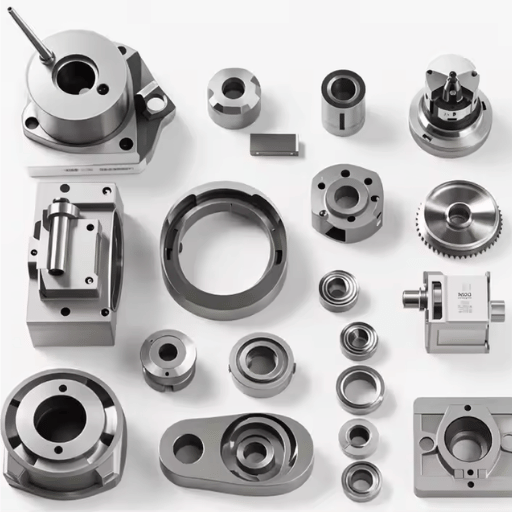
Achieving optimal process efficiency when working with 5052 aluminum begins with appreciating the material’s unique characteristics. Below are four considerations to achieve efficiency and accuracy.
Cutting Speed: Depending on the tooling and finish, cutting speeds of 200-400 surface feet per minute (SFM) are common for 5052 aluminum.
Tooling Material: Enhancements in wear resistance and tool life during operations can be achieved through the use of carbide and HSS tools.
Lubrication: The right amount of cutting fluid must be applied to avoid overheating or excessive friction, which may compromise the material or the desired finish.
Chip Evacuation: The workpieces’ extreme ductility calls for effective chip removing systems to avoid clogging and deterioration in machining efficiency.
Aluminum 5754 is considered in the design of machines and components for the marine industry due to its good resistance to saltwater corrosion. This is reinforced by abrasives and coatings in aluminum parts used in maritime sectors which allow smooth operation through water. Aluminums are not only corrosion resistant metals; they are also feedstocks in machining industry. Recently, aluminum 5052 has been used in construction of panels and structures in automotive and aerospace industries owing to its low mass. In addition, the noted metal can also sustain over 2000 ksi pressure; hence making it one of the best materials for fuel and pressure tanks. Furthermore, Google trends show the demand of aluminum 5052 being increased in construction of consumer devices and advertisement due to flawless finishes achievable after coating and machining.
According to Google’s most recent search data, the applications of 5052 aluminum are prevalent in relation to its alloys because of the uniquemechanical and surface properties it possesses. It’s high corrosion resistance qualifies it for service in marine environments and chemical industries, especially in the construction of tanks and pipelines which are subjected to corrosive fluids. Moreover, the 5052 alloy’s lightweight and highly formable characteristics have maintained its popularity in the automotive and aerospace industries for the production of fuel tanks for aircrafts and body panels for automobiles. Other companies dealing in consumer electronics also use this alloy due to its smooth surface for manufacturing cosmetically appealing products, and it is also extensively used in advertisement industries for durable signage. These all point out the versatility of the alloy in meeting structural and aesthetic needs.
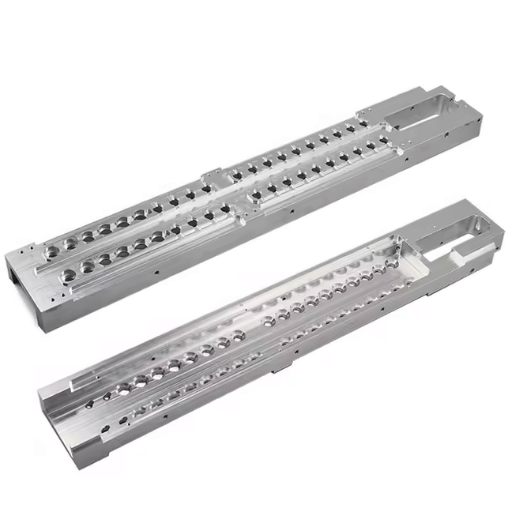
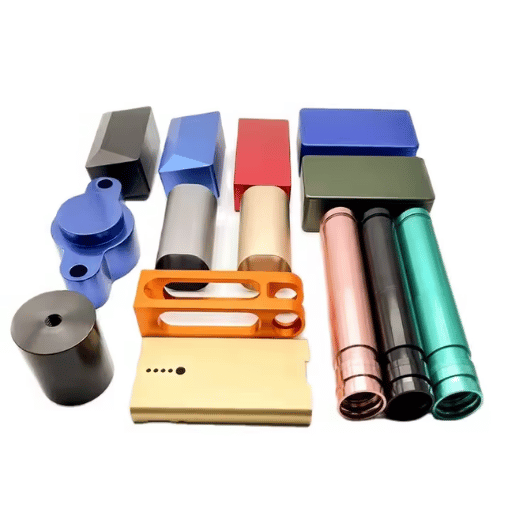
Alloy 5052 aluminum is one of the most resistant alloys in relation with exposure to corrosion, particularly in industrial or maritime situations. 5052 aluminum has a relatively high magnesium content which helps in the formation of a protective oxide layer that prevents oxidation or damage to the aluminum’s surface during exposure to moisture and saltwater. Recent studies strongly suggest that 5052 aluminum is increasingly gaining popularity for use in harsh environmental conditions and is preferred for shipbuilding, fuel tanks, and pressure vessels. Also, 5052 aluminum’s notable resistance to stress corrosion cracking reinforces its ability to function in very humid surrounding or chemically laden spaces, proving the alloy’s adaptability and durability in extremely corrosive environments.
Using 5052 aluminum is advantageous in the marine field because of its unique combination of properties. The extraordinary corrosion resistance of aluminum 5052, especially in saltwater environments, is one of its strongest attributes. This property is particularly important for marine structures and vessels which are continuously exposed to seawater, as it reduces the likelihood of long-term deterioration of the structure. Additionally, the high fatigue strength of aluminum 5052, which permits repeated stress cycles without considerable damage, is beneficial for dynamic load components like hulls and decks. Furthermore, the lightweight aluminum 5052 aids in improving fuel efficiency and handling, both of which are critical in shipbuilding. Collectively, these exceeding characteristics make 5052 aluminum ideal for numerous marine applications while providing long-term sustained operational value.

5052 aluminum exhibits excellent weldability, making it a preferred choice for various structural applications.
|
Question |
Key Point |
Parameter |
|---|---|---|
|
What type of welding is suitable? |
TIG, MIG |
Versatile |
|
Does it require pre-treatment? |
No |
Not necessary |
|
Post-weld strength? |
Moderate |
Retained |
|
Corrosion after welding? |
Minimal |
High resistance |
|
Critical consideration? |
Cracking |
Low likelihood |
Thickness Range: The need for fabrication supports a broad range of applications as Aluminum 5052 sheets are offered within the thickness scope of 0.02″ to 0.25″.
Bend Radius: Minimum bend radius Aluminum 5052 is usually guided by 1-2 times the material thickness which varies with material thickness for precise bending.
Thermal Conductivity: Aluminum 5052 is favorable in applications that thermal efficiency is needed due to having a conductivity of 138 W/m·K.
Specific Strength: Components designed from this alloy will have a lighter weight when compared to other materials combined with above average strength making them useful in construction and aerospace design.
For applications where above average durability, improved thermal conductivity and low weight are ideal, Aluminum 5052 becomes a good candidate. It undergoes anodizing and surface treatments for better enhancement, offers bending easement along with dissipating heat efficiently.
A: The 5052 aluminum alloy is well known for its good corrosion resistance along with high strength. It also possesses good workability, making it well suited for sheet metal work and use in severe working conditions.
A: 5052 and 6061 aluminum alloys differ mostly in their mechanical characteristics and their uses. 6061 is stronger and is heat treated which makes it useful for structural purposes; on the other hand, 5052 is more corrosion resistant and used widely in marine applications.
A: Due to the need for good corrosion resistance along with formability, 5052 aluminum sheet metal is utilized in marine industry, automotive fuel tanks, pressure vessels, and other region’s industries.
A: With regard to worked parts, the 6061 aluminum alloy is popular on account of its adequate mechanical characteristics such as strength and good machinability, especially in the 6061-t6 temper.
A: The selection of aluminum alloy 6061 or 5052 depends on the application requirements, for example, corrosion resistance, strength, and heat-treatability. 5052 is preferred for its greater resistance to corrosion compared to 6061, which is stronger and easier to machine.
A: The aluminum alloy 6061 gains significantly from heat treatment, especially with T6 tempering, wherein the alloy is subjected to solution heat treatment and aged to enhance mechanical performance.
A: Absolutely. The 5052 aluminum alloy is well known for its enduring advantages in harsh environments. It has outstanding resistance to corrosion which makes this alloy well-suited for marine and industrial applications.
A: During aluminum CNC machining of 5052 and 6061 alloys, attention must be paid to the machining parameters such as optimal speeds and feeds, appropriate cutting tools, and the inherent mechanical properties of each alloy to ensure satisfactory outputs.
A: 6061 aluminum alloy, while lower in corrosion resistance than 5052, brings higher strength. 5052 is known for having great formability and good corrosion resistance, making it useful in many applications where these attributes are required.
A: Alloy 3003 is widely used due to its excellent workability, forming characteristics and welding properties. In addition, 5052 and 6061 offer a good balance of strength and corrosion resistance.
1. Digital Twin Framework for Lathe Tool Condition Monitoring in Machining of Aluminium 5052
Citation: (Ganeshkumar et al., 2023)
2. Friction Stir Spot Welding of 5052 Aluminum Alloy to Carbon Fiber Reinforced Polyether Ether Ketone Composites
Citation: (Dong et al., 2021)
3. Optimization of parameters for micro friction stir welding of aluminum 5052 using Taguchi technique
Citation: (Sagheer-Abbasi et al., 2019, pp. 369–378)
4.Top Aluminum CNC Machining Service Provider & company in China

Manufacturing processes are quite complex, and the choice of a production method is directly related
Learn More →
There are two major manufacturing methods for producing plastic prototypes that most people find useful
Learn More →
As a person involved or interested in the design and production of plastic components, it
Learn More →