

Manufacturing processes are quite complex, and the choice of a production method is directly related
Learn More →
Medical Grade Plastics components have brought new dawn to healthcare, where innovative solutions include even implants and surgical tools. Of these, PEEK (Polyether Ether Ketone) and UHMW-PE (Ultra-High Molecular Weight Polyethylene) are among the most regarded materials due to their outstanding biocompatibility, toughness and amenability for medical purposes. But what makes these two look out of a league and why are these accepted for core usage inside a human body? This article will capture readers’ attention towards the properties of PEEK and UHMW-PE, explain what biocompatibility means and how these high-tech plastics affect the evolution of the medical science. No matter whether you are a doctor or an engineer interested in these points of advancement, or just wondering to know what modern healthcare materials science is all about, this in-depth venture shall illuminate the necessity of these breathtaking plastics.

Medical grade plastics such as GAPS and UHMW PE serve an important purpose in today’s healthcare systems because of a number of impressive properties: strength, lightweight, chemical stability and wear resistance. The bio-compatibility of these materials implies that they will not be reactive to the human body when used for entrators, other implantations, etc., therefore, the organisms are allowed to draw implants and other medical devices from their use. They can be sterilized without losing any of their functionality, which helps to maintain combustible liquids within the patient. Besides other factors, they can also be modified for additional purposes, say strengthening or more flexibility, and this increases the range of areas that can employ them.divideos.
Medical-grade plastics are principally high-performing plastics manufactured while adhering to all specified safety, quality, and performance- related standards relevant. These plastic materials are processed so as to possess properties such as biocompatibility, strength, sterilizability, and chemical properties. Some common examples of medical-grade plastics are polyethylene, polypropylene, polycarbonate, polytetrafluoroethylenes, etc. They are most often used in manufacturing surgical instruments and prostheses, catheters, and non-vascular devices for implanting in the human body by virtue of medical grade qualifications.
Recent statistics show that demand for medical-grade plastics has increased significantly, driven in part by improved medical technology that enables more interventions, such as minimally invasive surgeries, as well as simpler diagnostic devices and integrated health monitors. Additionally, typical cost-saving construction materials are none other than heavier metals and even glass, which are used only due to standards, but all of which have poor performances within a healthcare setting. Consequently, this has enhanced the importance of medical-grade plastics in the field of health systems development.
Medical Grade Plastics are the cornerstone in the majority of equipment used in the medical industry, implementation of trends, durability, biocompatibility and sterilization of these machines. For instance, these materials work for surgical tools, imaging tools, syringes, and IV sets. They are manufactured very safe and sanitarily, no chance of bacteria contamination is possible although the products are designed for intensive use. Moreover, Medical Grade Plastics are light, inexpensive and easily formed in complex shapes thus allow effective ways of making exact medical devices. Also, expenses make such use of these materials possible, as they are chemically resistant and are not destroyed in the process of sterilization, which allows designing of effective and comfortable medical devices that meet performance standards.

Polyetheretherketone, also called PEEK, is highly used thermoplastic material for making medical devices because of encompasses many outstanding properties. Because it is biocompatible (compatible with living tissues), its use for implants and surgical instruments is allowed, and it is approved. In addition to excellent chemical resistance, PEEK remains a stable shape after sterilization and in harsh bodily conditions. Besides, this material is strong and durable while being light in weight which helps in designing stronger devices but in an efficient way. Spine implants, dental components and endoscopic equipment are some of the areas where PEEK is frequently used in medicine. In light of its flexibility coupled with its reliability, it has become the material of choice for modern medical biological progression.
Different types of medical plastics include UHMW-PE, PEEK, PTFE, PVC, PC, and PP.
ISO 10993 is an important standard series regarding the biocompatibility testing of medical materials including Medical Grade Plastics. The document offers a more structured way of looking at the safety aspects of materials that have direct which provides impact on human health. These standards are of utmost importance to ensure that a device won’t cause any adverse reaction inside of the body such as cytotoxicity, sensitization and irritation or any others.
One of the reasons why ISO 10993 is critical because it serves the purpose of meeting the governing state authorities’ requirements and making the intended use of the product safe for the patient. All Medical Grade Plastics fall within the scope of this standard require extensive testing given the international character of the safety standards that have to be observed. Such tests include analysis of chemical ingredients as well as possible leakage and degradation products deriving from the device when it is in contact with the tissues or fluids of the organism. For this reason, the standard becomes the key for explaining the quality and safety of their products for which, international approval is essential as it provides the confidence. This, for the most part, is a requirement because it is impossible to distribute medical devices without compliance with these regulations; for instance, in most cases, the design of the medical device cannot overlook applying for approval of the FDA or CE certification.
Medical Grade Plastics come with strict parameters to enable patient protection and function of the product. It necessitates the satisfaction of some requirements such as the ISO 10993 on biocompatibility assessment to help prevent any harmful effect of the material. Furthermore, materials must comply with local requirements including the Quality System Regulation (QSR) of the FDA in USA or the Medical Device Regulation (MDR) in EU. The manufacturer of devices has to ensure that the selection of the materials is well documented and that the production is carried out according to these materials. Case studies have shown that several regulatory bodies expect plastics to undergo chemical compatibility, endurance and sterilization examinations before their intended application is justified.
Human compliance testing or biocompatibility assessment in Medical Grade Plastics finds relation to the effective/formations and usages of the material on the tissues or the body cells of the human being. Irritation of the body, toxicity or allergic conditions while using the plastic are hinderance factors that ought to be examined. This procedure follows relevant guidelines and techniques at the international level such as ISO 10993. This document contains tests for assessing the purity against cell toxic, hypoallergenic and biocompatible implants. It is necessary for each producer to provide relevant safety of the material depending on the purpose, for instance, people contact with surgical items will be for short periods while the contact will be over a lengthy period in case of implants. Extensive biocompatibility tests are essential in ensuring patients’ welfare as well as meeting the imposed regulations.

Medical Grade Plastics are appreciated for their high chemical resistance and are therefore useful in some of the harshest medical applications. They can withstand exposure to cleaners, disinfectants, and many other chemicals over a long period of time without showing any signs of degradation or dysfunction. It aids them in standing up in sterilization cases or chemical exposure cases.instanceswill substances, such devices as surgical devices, diagnostic instruments and implantable particularly oppose extreme regimes of sterilization to be safe to the patients.
Medical Grade Plastics can sustain or maintain high temperatures because the material does not lose either strength or purpose, which is quite intentional. It is due to the fact that such materials are intended and developed to withstand sterilization modalities such as autoclaving, dry heat, or chemicals that are necessary to ensure hygienic standards and patient safety within the scope of medical work. For example, polyetheretherketone or polypropylene is often embracesuelaed to use as these polymers present considerable heat resistance and do not degrade upon heating.
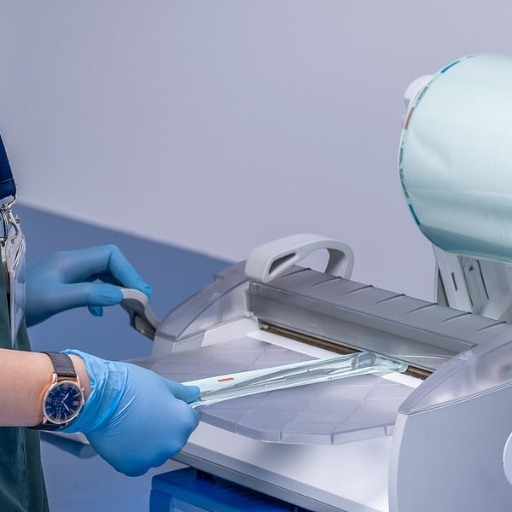
Various decontamination processes exist, with autoclaving being one of the most common, disinfecting medical supplies by subjecting them to high pressure saturated steam at 121°C (250°F) or above. Medical grade plastics must retain their shapes properties throughout this process in order for them to show steadiness even in case of continuous sterilization. Aside from that, there are plastics that are optimized for use with EtO (ethylene oxide) sterilization systems or radiation applications which allow for more creative medical use. Being able to withstand strong heat and sterilization, materials therefore pass an extensive requirement needed in the health related settings.
The medical application requirement may condition choices for the plastic to be considered as a grade. The chemical intensity, biodegradability, compatibility with adaption, and mechanical force of a material dictate the choice of material. For instance, when devices have to endure repeated sterile processes such as the cases of the polyphenylsulfone (PPSU)/polypropylene commercial varieties available to withstand a higher stall of heat, one can avail only biocompatible grade of plastic instead. Nevertheless, the other conditions where single-use or disposable disposables are considered, the medically inexpressive, although effective, polyethylenes/polystyrenes polymers are chose. When used in any medical context, a kind of standard should have been maintained. This ensures that the safety, proper functioning, and handling of materials are maintained, pursuant to either FDA or ISO guidelines.

More than ever, manufacturers and suppliers in the medical sector are focusing on creating environmentally friendly materials for medical use. This is indeed quite apparent in most of the efforts being put in debating the idea of biodegradable materials that pose no health risks upon disposal as well as processes that permit the use of recycled plastic material. Nonetheless, such firms have begun looking at options for bioplastics that naturally grow, for instance, starch-corn or cane-sugar plastic, instead of the current oil-based plastics. Beside these techniques in the line of waste management and recycling that aim to check the plastic waste without compromising on minimum medical safety and other performance levels are also being developed. All these measures show the inherent tendency to restrict the related technological advancement only to the aspects of the solution concerning eco-sufficiency optimization.
The recent progress and back steps of augmenting the currently working medical grade plastics with antimicrobial activity has been thought off to become passive intervention mechanism and improvement of patient safety. The invention is that of manufacturing medical grade items that have been integrated with antimicrobials compounds. This is for example using some compounds like silver ions or zinc materials which are acknowledged to have the property of preventing the development and growth of bacteria, fungi and viruses on the surfaces of the medical instruments or facilities.
Such an advancement is of special importance in the fight against healthcare acquired infections (HAIs) which remain a major problem in hospitals and clinics worldwide. Studies reiterate that how these medical plastics reduce contamination risks, however, they maintain their functionality over a prolonged period of time without altering their functional qualities and capabilities. Such superior technical characteristics guarantee these medical plastics’ appropriateness for use in healthcare. Medical Grade Plastics, reinforced in the works and developments formed in response to the increasing demand for medical materials that assures safety and improvement, anticipates more diversity in usage, effectiveness, and the effective use of resources in the coming years.
The primary application today for Medical Grade Plastics equipment include biopharmaceuticals and robotic surgery since they incorporate speed variations without sacrificing safety and accuracy. Biopharmaceuticals for example make extensive use of these materials to produce sophisticated Drug Delivery Devices requiring great caution in their storage, transportation and dispensing of medical drugs. It is for these reasons coupled with the ability to store foods in them, makes these type of plastics very appropriate for syringes, vials and IV sets.
When it comes to robotic surgery, medical grade plastics provide adequate strength to precision tools and robotic parts, but at a lower weight. It ensures devices can be manipulated more precisely due to the reinforced structure during laser surgeries. These assistive devices continuously help in achieving excellence in medical care while sustains higher levels of success among patients.
Structure-Properties Correlations in PE-UHMW: Influence of Consolidation, Crosslinking, Sterilization, and In Vivo Use on Hip Implants: This study explores the biocompatibility and structural properties of UHMW-PE in medical applications, particularly hip implants. Source
On the Influence of Gamma-Irradiation Sterilisation and Ageing on the Fracture Properties of Ultra High Molecular Weight Polyethylene: This research examines the effects of sterilization and aging on the properties of UHMW-PE, a key material in medical-grade plastics. Source
Combination Parameter Strategy to Mitigate Geometric Deviation on SPIF UHMW-PE for Cranial Implants: This research evaluates the use of UHMW-PE in cranial implants, focusing on its biocompatibility and manufacturing processes. Source
Compatibility of Medical-Grade Polymers with Dense CO2: This paper discusses the mechanical properties and biocompatibility of medical-grade polymers, including PEEK and UHMW-PE, under specific conditions. Source
Polymers, which are made of large molecule chains, are used in the manufacture of many of the plastics employed in medical applications. To meet regulatory and other performance specifications, medical grade plastics need to be developed, thereby giving rise to special resins that would have biocompatibility, dimensional stability, tensile strength, and abrasion resistance. There are specific applications in which medical-grade materials must be inert to biological fluids and sterilization applications, invariably necessitating polyethylene, polypropylene, and PEEK. In this respect, all parts must be harmonized or synchronized with medical devices: medical equipment, disposable medical products, and implantable devices are items that make medical devices mere plastic-based products.
There are standard criteria for alignment with the usually plastic-product nature of plastic components for medical devices. USP (United States Pharmacopeia) certification requirement for medically unacceptable products is a necessity due to liability issues and for the USP Class VI necessary knowledge as well, that includes sterilization compatibility, traceability, and basic mechanical properties like tensile strength, and fatigue resistance. Plastic components are injection molded, but some of them are now produced with 3D printing technology. The process chosen should give excellent dimensional stability while ensuring that the part is inert and safe to the contact of body fluids and tissues.
Polyethylene (PE) or (HDPE) are usually used for the manufacturing of containers, tubing applications polypropylene (PP) is meanwhile preferred as the production material for disposable and injection-moulded connectors. Furthermore, with polycarbonate (PC) to be used in enclosures and surgical devices, polyetheretherketone (PEEK) can be an alternative for orthopedic implants, polyvinyl chloride (PVC) is another major use for tubing and catheters, polystyrene (PS) in laboratory wares and polystyrene (ABS) for housing. The chemical resistance, sterilization resistance, tensile strength, and abrasion resistance are their properties, and the selection depends on the necessity of the medical application.
Injection molded parts can provide better dimensional stability, repeatability, and cost efficiency in the case of high volume plastic items. 3D printing is good at prototyping very quickly for complex geometries, but it might give differing finishes compared to machined resins and might be affected differently by mechanical anisotropy and have limited material choices. Producers often proceed to move from 3D-printed prototypes to injection molded production when manufacturing final medical products in order to surmount the strict demands required by medical equipment; they are also used in disposable medical components following disposal.
When it comes to complying with standards, medical device manufacturers conduct biocompatibility tests that actually follow ISO standards that are applicable with USP Class VI standards for biological reactivity and ASTM standards for mechanical testing (tensile strength, fatigue, abrasion resistance). Most regulatory submissions will also require data on sterilization compatibility, aging, and extractables/leachables. Materials for medical devices must be well-established for performance through the present intended lifecycle and be known to be suitable for any contact with body fluids or implantable use, if specified.

Manufacturing processes are quite complex, and the choice of a production method is directly related
Learn More →
There are two major manufacturing methods for producing plastic prototypes that most people find useful
Learn More →
As a person involved or interested in the design and production of plastic components, it
Learn More →