

Manufacturing processes are quite complex, and the choice of a production method is directly related
Learn More →
For owners of cast iron cookware, rust can be a daunting problem, though it is not irreversible. These cherished kitchen utensils can develop an orange-brown layer of corrosion over time due to carelessness or exposure to moisture. However, with the right methods, restoration to its timeless, durable, and versatile condition is achievable. This guide helps you with actionable and practical steps that help remove rust from your cookware and protect it for many years. It doesn’t matter if you are a professional chef or a novice home cook; this post will help you understand how to maintain your cast iron so your food always tastes delicious.

Oxidation, a rust-forming process, happens through a natural chemical reaction. Moisture and air will activate a reaction within your cookware’s iron, producing iron oxide, otherwise recognized as rust. Leaving cast iron pots in water for an extensive period, or stowing them in a water-laden or humid environment, speeds up this reaction. Moreover, insufficient seasoning or damage done to the layer of seasoning put on the cast iron pot makes the iron prone to corrosion. To prevent a cast iron pot from corroding, one must regularly maintain and practice the right techniques to look after the pot.
Taking a systematic approach toward caring for cast iron cookware helps to eliminate the chances of rusting. Most importantly, make sure to dry the cast iron cookware thoroughly right after cleaning. Any water remaining on the surface will allow rust to form through the reaction between iron, water, and oxygen. Moreover, polymerized oil and seasoning form a barrier that minimizes the direct contact of air and water. Keeping cast iron in a well-ventilated, dry place further minimizes the chances of rusting. As an extra preventative measure, some people use desiccant packets or store their cookware in moisture-absorbing bags. Having consistent, delineated care is the best way to prolong the lifespan of cast iron.
Moisture is bad for cast iron and can cause it to rust. When water is in contact with iron, it reacts to form iron oxide which weakens the iron over time. Long term exposure speeds up the process of damage, so this becomes worse if the cookware is not seasoned or kept dry and moisture free. Cast iron needs to be dry and well-oiled to prevent rusting and maintain its utility.
Sure enough, seasoning does help to a considerable degree against any moist corrosion to cast iron. The process of seasoning creates a protective layer by moistening and burning oil on the iron at high temperatures, which prevents water and air from touching the hot metal. This skin or layer is protective from rust as well as nonstick in nature. Having analyzed some recent reports and experts, they say that maintaining the layering is critical—highly refined flaxseed or vegetable oil are good candidates, while employing the oils in thin coats and heating in a way that they are converted completely is more effective. Although robust protection is provided with the layering, careful housing slightly away from dampness, occasional simple routine washing while avoiding lengthy water contact, and frequent upkeep are very important in providing brisk iron rust defense over time.
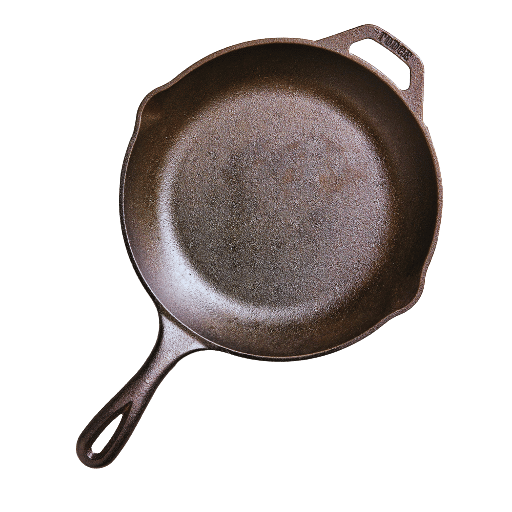
Removing rust from a cast-iron pan requires specific tools and materials
These tools help in maintaining a balanced method for rust removal while preserving the structure of the cast iron pan. For best results, avoid strenuously scrubbing the cast iron surface, as this could lead to damage.
As can be seen, the required steps will allow the cast iron pan to freely move and add hops without restriction.
Vinegar remains a commonly suggested option to remove rust from cast iron cookware owing to its acidic properties. The acetic acid in vinegar helps by cutting through the rust, thus cleaning away the surface for re-seasoning. Below is an extensive guide on how to use vinegar for rust removal.
As of now, various experts and studies have suggested that vinegar is one of the most effective rust removers, but caution is recommended. Inappropriate use or too much exposure can be harmful to cast iron cookware. Always use deep strategies to monitor processes and look after Maintenance to protect the quality and longevity of your plan.

While cooking in rusted cast iron skillets poses some health risks, the dangers are usually low. New research and experts suggest that a small amount of iron oxide (rust) consumption does not harm most people since iron is a nutrient needed by the body. However, significant amounts of rust may contribute to the flaking off of food, which affects the dish’s texture, taste, and quality. More importantly, a heavily rusted surface suggests that the skillet’s protective layer of seasoning has worn away, causing uneven heating and, in severe cases, stagnant bacterial growth if the skillet is not cleaned, maintained properly, and kept after use. For safety purposes, rusted cast iron needs to be thoroughly cleaned and re-seasoned before use to restore the skillet.
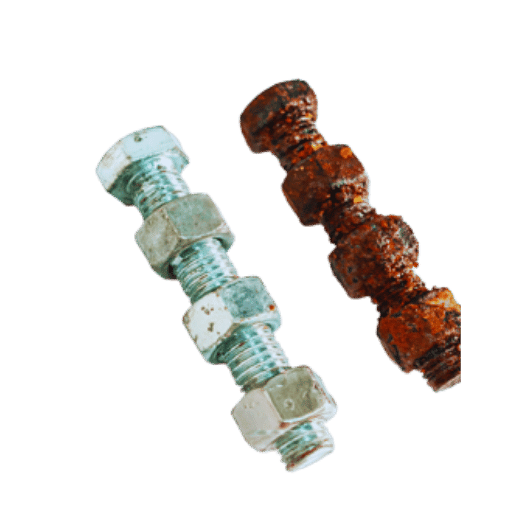
In evaluating rust corrosion on cast iron, I study the surfaces closely. Minor cases of rusting manifest as a light orange film or superficial rust that can often be scrubbed away easily. More serious cases of deterioration are indicated by dark rust, which is flaky and covers large areas of the skillet. In addition, I look for signs of pitting, which is an indication of more corrosive damage that may lead to complete failure of the cast iron’s structure and integrity. For these more serious cases, I know restoring it will require more advanced techniques, including electrolyte cleaning, re-seasoning, and vinegar soaking.
To avoid rust and extend its life, cast iron must be cleaned properly. Cooking should be allowed to cool the skillet a little, but not completely. Cleaning while warm is most effective. Soak a stiff brush or non-abrasive scrubber in warm water. Do not use soap– it strips the seasoning. For more stubborn residue, coarse kosher salt can act as abrasive without damaging surface finish. Do not soak the skillet in water–exposure promotes rust.
Immediately after cleaning, the cast iron should be dried thoroughly with a soft cloth or placed on low heat to evaporate moisture. After drying, applying a thin layer of oil (flaxseed, canola, vegetable) and heating it briefly allows it to polymerize. Regularly cleaning and oiling ensures seasoning remains intact. The steps above will maintain the durability of the cookware while preserving functionality for years.
Removing excess moisture with a clean cloth followed by placing the item on the stovetop on the lowest heat setting until completely dry is the optimal approach for drying cast iron.
To store cast iron cookware and prevent rusting, ensure that the cookware is clean and entirely dry. After drying, cast iron pans should be coated with a thin layer of oil to maintain the seasoning and provide further protection against moisture. Store cast iron cookware in cool, dry places with good air circulation to minimize exposure to humidity and moisture, which may lead to rusting. When stacking several pieces, interleave cloths or paper to avoid scratching and soak up residual moisture. Do not keep the cookware in damp places, as it traps moisture, which leads to rusting. Taking good care and proper storage techniques will prolong the life of cast iron cookware.

Professional chefs as well as home cooks have enameled cast iron cookware at their disposal, and for good reason.
To maintain enameled cast iron cookware, ensure to:
By maintaining the above procedures, you will ensure to sustain the quality of enameled cast iron cookware.

A: I’ll start my answer from the conclusion and say that the most effective method is gently scrubbing the surface of warmed-up cast iron pans using Lodge rust erasers or pieces of steel wool. If necessary, use a tiny bit of soap. Rinse and dry the cookware thoroughly after the rust is removed.
A: Best method to efficiently scrub surface rust would be a pair of scissors, a steel wool pad, and a scrub brush. Do not forget to apply warm water, otherwise all rust particles won’t be washed away, and do remember to thoroughly rinse your tools after scrubbing.
A: The first step is to soak it in a warm water and vinegar solution for an hour, which enables the vinegar’s gentle acid to work on the iron oxide layer. After that, use steel wool to scrub off rust residue and rinse well. Remember to always dry it completely to prevent the formation of rust.
A: To address minimal rust issues, spend a few seconds scrubbing with gentle circular motions using paper towels or soft scrub pads. After the treatment, rinse thoroughly with warm water and dry your cookware completely to prevent future rust spots.
A: Of course, a cast iron pan loses some of its structural integrity and rusts over time. Gently scrubbing the affected areas with soapy water will help remove rust, but ensure frequent rinsing and thorough drying to avoid rehydration and rust formation.
A: Re-seasoning involves applying a thin coat of oil, which can be vegetable, canola, or any neutral oil. Place the cast iron upside down in the oven at 350°F for an hour. Let it cool in the oven before keeping it away for storage so the spices can set properly.
A: If you notice any rust remnants post-scrubbing, it’s best to repeat the rust removal steps at least once more. It might require more elbow grease or get rid of stubborn love marks using a steel wool sponge or any rough scrubbing tool.
A: The easiest way would be to use steel wool and warm water, drying them off afterwards. For more stubborn marks, using lodge rust erasers would help get rid of pesky marks.
A: To prevent rust, always dry your cast iron thoroughly after you wash it and apply a thin layer of oil before storing it. This aids in moisture and maintaining the seasoning of the cookware.
1. Research on the impact of alloying components Ni, Al, and Si on the salt spray corrosion resistance of gray cast iron
Summary of Materials
Methodology
2. Corrosion Layers on Archaeological Cast Iron from Nanhai I
Main Points:
Research Techniques:
3. Experimental analysis of microstructure and corrosion properties of spheroidal graphitic iron (SG Iron, 400/15 grade) as cast and treated by Nitrotec
Main Insights:
Approach:
4. New Hampshire Division of Weights and Measures – Cast Iron Care – cites the element’s porous structure and tendency to absorb moisture, which leads to rusting when exposed to the elements.
5. National Park Service – Historic Lighthouse Preservation Handbook – outlines the relative corrosion resistance of cast iron due to its microstructure.

Manufacturing processes are quite complex, and the choice of a production method is directly related
Learn More →
There are two major manufacturing methods for producing plastic prototypes that most people find useful
Learn More →
As a person involved or interested in the design and production of plastic components, it
Learn More →