

Manufacturing processes are quite complex, and the choice of a production method is directly related
Learn More →
Laser engraving has revolutionized the process of laser etching on plastics, enhancing precision and durability to an unprecedented level. The engineering and manufacturing practices of today, such as those used for car parts, electronic devices, or medical equipment, require the proper use of laser etching, which enables the creation of complex patterns with serial numbers, QR codes, or even company logos concisely. This paper delves further into laser etching as one of the most efficient permanent marking solutions for plastic, a current technology. It explains standard laser practices in the industry. The laser game on this website, however, assumes that the reader will want to discuss the following: advantages, applications, and research that are beneficial in enhancing the technique of laser engraving in present education.

The process of creating laser incisions that release smoke, fire, or bright light is fantastic. These can be made from a variety of materials, including clothing, paper, and sand. This is considered the manufacture of artifacts through pyrotechnics because the objects manufactured using this process are primarily explosive, as the chemical reaction involved in creating such products is exothermic. The term “Explosion etching” is a military slang term that signifies a targeted explosive substance.
The art of engraving using a laser beam is a form of engraving. Here, the laser beam reshapes the material by heating it to some extent, pushing it up, and finally, making it raised or drawn. This technique is renowned for its ability to create engravings with high contrast and robustness, where minimal material is removed from the surface, resulting in a clean and precise finish. It can help to modify specific material properties, such as color, texture, or reflectivity, but the ablation process may alter that. Over the years, Laser etching has seen a significant rise in demand in areas such as aerospace, healthcare, and manufacturing, as it is highly accurate and able to adhere to demanding surfaces. Recent industry trends indicate that laser technology is being adapted to meet various demands, including quality control, product identification, and compliance with laws.
The switch to laser engraving from conventional marking methods was primarily driven by increased levels of acceptability and demand for improved quality and service. Most traditional methods of marking, such as stamping, embossing, or printing, often face challenges including wear, display of loss, lack of uniformity, and limited flexibility in material selection. This is why laser etching was developed as an answer to these problems. We must understand this process as a non-contact, highly accurate marking technology that is compatible with various surfaces, including some instances where it can be used to transition from metals to plastics.
There has been an escalation in searches involving terms such as the ‘laser etching technology’ and ‘industrial laser engraving’ over the recent years. It is evidence of a shift in perception and adoption of the technology as corporate entities increasingly take into account the benefits of laser etching in their operational processes. These interventions also help in attaining high-quality levels and accreditation without necessarily increasing the cost of business operations. This tendency further highlights the importance of laser technology as a tool for current manufacturing systems.
Increased interest in Milacron technologies, such as technological solutions like green laser marking, and the phrase “Risetech.” This shift in consumer sentiment is influenced by broader industry trends that focus on enhancing production efficiency and promoting social responsibility. The best available analyses predict a double-digit growth in the laser marking business, with an 8% to 10% CAGR over the next five years. The development of fiber laser technology and the use of new materials for efficient precision marking in the aerospace, automotive, and medical industries are primarily responsible for these positive numbers. Furthermore, the popularity of the ‘green’ laser marking technology is increasing due to international regulatory pressures that require product identification and improvements in environmental performance during production. On the overall front, both laser cutting applications and the technologies in question not only demonstrate the extent of their growth but also offer great hope for prospects in the laser marking business.
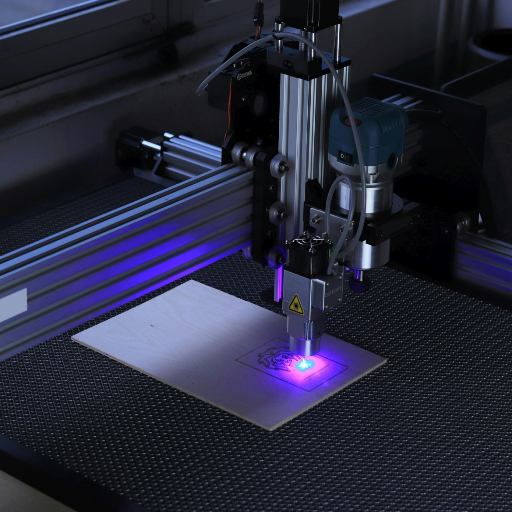
Laser plastic processing is a method that utilizes the targeted application of laser beam energy to modify the surface or structure of plastic materials, resulting in a desired pattern, mark, or property, such as treatment, laser cutting, or welding. This process involves heating small portions of the plastic in a controlled manner to improve the material’s characteristics without harming the neighboring material. Factors that determine the quality of the process include the type of plastic material, the laser’s wavelength, and the irradiance used. The primary incentive for GT-R to adapt polycarbonates and acrylics for laser processing is that they exhibit the necessary behavior to be absorbed most effectively. It is one of the more popular and favorable testimonies that even the most minor adjustments can make a significant difference.
Laser material interactions are predicated and significantly specialized based on the characteristics of plastics and the laser Beam. Once a laser is directed towards a plastic surface, localized heating, melting, or even vaporization occurs in the material as it absorbs energy from the light. Some of the primary limiting factors include photothermal and photochemical impacts.
Positive photothermal impacts may arise when the laser-induced heating of plastics leads to thermal decomposition, accompanied by another possible phase transformation. The thermal effect on the plastic depends on the absorptance of the resin to any specific laser wavelength, and this is generally higher in thermoplastics such as polycarbonate. Conversely, photochemical processes involve the direct breaking of bonds on the polymer chain due to the enhancement of energy supply up to the bond rupture limit of the photon energy. This effect is commonly observed with the UV lasers, which are applicable to most complex geometric designs.
In the current technology paper, ultrafast lasers, which can operate in femtosecond or picosecond pulse durations, have been further advanced to provide precise processing of plastics. Based on the benchmark analysis, it is observed that these brief pulses enable precision processing by minimizing the heat-affected zone, as most of the energy is directed to a concentrated part of the material, thereby reducing the damage the material sustains.
The basics of these interactions help the operator, or rather the person working with the laser, to optimize the laser settings, such as wavelength. Pulse duration and intensity are other aspects that are instrumental in many current industrial applications, offering even greater precision and more effective work with plastics.
Marking alters the surface appearance without material removal, etching melts the surface to create raised marks, and engraving removes material to produce deep, durable marks.
|
Parameter |
Marking |
Etching |
Engraving |
|---|---|---|---|
|
Process |
Surface discoloration |
Melts surface |
Removes material |
|
Depth |
None |
≤0.001 inches |
0.005–0.125 inches |
|
Durability |
Low |
Moderate |
High |
|
Applications |
Barcodes, logos |
Raised marks, contrast |
Deep marks, serials |
|
Materials |
Metals, plastics |
Metals, ceramics |
Metals, wood, glass |
Heat management plays a crucial role in transforming plastic raw materials into specific product forms. Heat-affected zones (HAZ) characterize the surrounding space after treatment, where heat, resulting in irreversible changes, can develop due to the absorption of energy. The application of high-speed processes might also generate residual thermal stresses, color changes on the workpiece surface, or morphological changes in plastics. However, such adverse changes are considerably less when advanced laser sources, such as ultra-short pulse lasers, are used. The latest buddy-buddy confirms that, to a high extent, the application of ‘specially selected timing and temperature control conditions under repetition’, targeted at these two factors, allows for focusing heat treatment to the level of a few micrometers. This, in turn, not only maintains the material in its proper state but also improves the engraving as mentioned earlier. Utilizing updated approaches based on practical materials contributes to achieving the best results and minimizing three-dimensional harm.

Laser technology is highly efficient and precise in the processing of plastics. It features high precision, clean-cut, smooth decoration, and accurate marking without touching the specimen, which reduces or avoids deformation of the object. These methods cause no harm to the environment and are also productive in terms of waste. More significantly, laser systems are adjustable and can be used to process a wide range of plastic materials perfectly and without contradiction in various applications. The fact that laser technology is versatile and extremely popular in the industry is evidenced by its applications in fields such as the production of self-sealing plastic bags for food storage, carmating, and the manufacturing of electronic devices.
In most organizations, CO2 lasers stand out primarily for their excellence and numerous benefits. In general, a CO2 laser system utilizes energy and electricity, making it well-suited for generating focused infrared light. They are the most reliable for faster cutting, engraving, and marking on any type of material. Regarding industrial experience, here are some application areas and advantages of CO2 laser systems:
Achievement dates, batch and serial numbers, and barcodes are operations that occur frequently in the packaging process for papers, plastics, and cardboard. The bubble jet system, similar to thermal spraying or laser marking, emphasizes quality in terms of performance.
The automotive industry is well-equipped with technology, such as CO2 lasers, for the development of car products. For instance, an etching machine used in the automotive sector searches for specific automotive parts and then proceeds to machine the item with a CO2 laser, marking it with white type.
The extensive use of these systems is primarily found in industries such as printing and the manufacturing of fluidics, optics, electronics, and microelectronics equipment. In case of information concerning electronic parts, the information can be granulated just the same, given the quartz optical design leveling, or the levels of water may vary, given the hermitite and crystal optics.
From simple fabric cutting to creating specific patterns and adding logos and text to certain materials, a CO2 laser is an excellent tool that delivers precision and finesse without causing unnecessary damage to the material. In this context, it is particularly suitable for the manufacturing of apparel and home textiles.
Among the medical device fabrication applications, CO2 lasers are used for marking parts, samples, or devices. They are also known for being exceptional marking machines that work perfectly on materials such as plastics and ceramics, in a way that satisfies some hard-to-earn regulatory requirements, for example, CE marking.
Each of these examples confirms the multifaceted nature of CO2 laser systems and their indispensable role in the contemporary industrial setting.
Compared to other lasers, fiber lasers are among the most advanced, efficient, and modernized, and are also well-established in terms of process compatibility with the majority of polymer materials. Fiber lasers are designed to guide light along a flexible optical fiber that is decorated with rare-earth elements as the gain medium, thereby minimizing light loss and enhancing the precision and quality of the output. Their wavelength is relatively short (mainly in the near-infrared region), so, for example, when it comes to plastics, fiber lasers are most effective for fine marking, engraving, and cutting around tight turns without the high temperatures and extensive material changes typically associated with the use of other lasers.
According to recent research, laser marking with fiber lasers is particularly effective for producing low-contrast images on transparent or opaque polymer substrates, such as polycarbonate, ABS, and polyethylene. Thus, they are suitable for applications that require high-definition printing, such as the automotive, electronics, and medical industries. It is also necessary to mention that other factors can be responsible for their applicability to plastics, as it is possible to adjust performance parameters such as power input, beam frequency, or even the focus of the beam to work on a broader range of products. Consequently, fiber lasers in plastic working are a present viable technique that can be relied upon and is open to further applications without compromising quality, productivity capability, and environmental impact.
There have been significant advancements in the field of UV laser technology, with a focus on precision and development for a wide range of applications. The introduction of micro-selective techniques, which utilize UV laser radiation, represents another significant advancement in modern laser technology. This is primarily due to their operation at 266 nm, a wavelength that has limited penetration beyond the surface and minimizes heat generation, as it has a relatively small optical penetration depth. Due to these improvements, the scope of application in fields such as electronics has widened, as current electronic components are decreasing in size. This is particularly relevant in the manufacturing of medical devices, which requires high precision.
Moreover, in recent decades, there has been a shift in laser control software, which has enhanced the configuration changes and repeatability of operations for industrial applications, making the reliable production of a known quality possible. Furthermore, the reduction of the above-mentioned pulse duration, along with the increase in peak power, has also drawn attention to the new potential of UV lasers—working with materials of higher complexity and quality is now feasible.
Furthermore, new challenges reveal new resources that can be utilized to protect the environment. For example, waste reduction and energy saving in manufacturing might attract industries to the use of UV lasers. This comes in response to the worldwide demand for green technologies, following the advancement of manufacturing technology. UV lasers will play a significant role in this pursuit of progress.
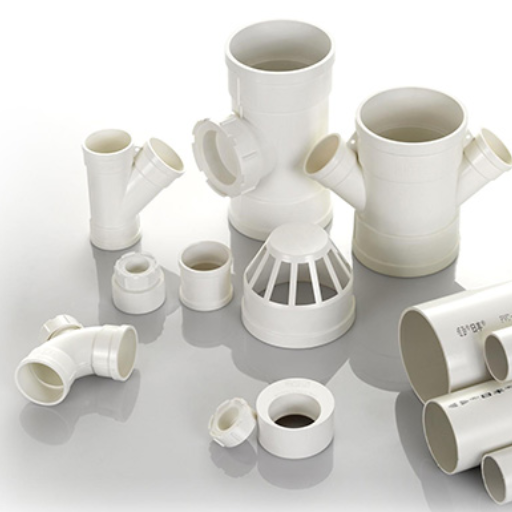
The appropriate material for use with UV lasers is determined by its ability to absorb UV wavelengths effectively. For some materials, absorption is high at shorter wavelengths; hence, plastics, glass, some metals, and other ceramics are pretty popular with UV laser users. Some transparent materials, such as Quartz and specific polymers, require extensive treatments or coatings for use with UV lasers. To enhance performance and avoid damage when processing, evaluating the material in terms of thermal issues, reflectivity, and the objectives to be met in terms of precision, among other factors, is necessary. It is essential always to consult the manufacturer’s specifications if compatibility is unclear based on the test results.
Due to the exceptional chemical compositions and characteristics of the materials, a wide range of plastic types can be printed using a laser technique. Some of the most popular ones are the following:
The recent advancements in conjunction with the laser marking process are of enhanced importance, due to the use of trace elements or coatings to increase the absorption of the plastics above. Additionally, laser absorbance-improving additives or fillers may be incorporated into low-absorbing materials. This ensures that any such plastic can be laser marked by a broader range of machines, and the quality is improved.
It is essential to determine how different the colors are, how strong the plastic is, and what function the plastic performs when deciding which plastics to use and for which purpose.
When considering laser marking, there are several reasons why it is challenging to achieve the specified results routinely with polycarbonate and specific other substances. These reasons also affect the appraisals of effectiveness, safety, and capability of the laser marking process. Here are five of the most critical problems:
Using polycarbonate often may result in weakly coloured marks, as this material has characteristics that contribute to low contrast. This results in marks that are hard to see or read in dim or lower environments, as well as on darker surfaces
As a result of its susceptibility to temperature changes, the polycarbonate will not remain unmarked if the lasers do not have the correct power and speed settings. It could fade, deflect, or even crack during the marking process.
Polycarbonates are plastics made from base resins, which are sometimes filled or fortified with additional compounds to enhance specific properties. The problem in this case is that some such additives can exhibit variable properties in their reactions to the laser energy, resulting in unsymmetrical marks or degradation in product quality.
Polycarbonate often has more detailed inscription versions compared with the other polymers, and hence, this process may be carried out at slower speeds. Careless operation can result in reduced output and production rates.
When in use, certain environmental elements, such as ultraviolet rays or water, may damage the imprints, for instance, on polycarbonate, causing them to fade in expression for one reason or another. Apart from that, some uses may have prerequisites that the basic grade polycarbonate may not satisfy unless further treatments are made to the surface.
Taking note of these problems helps facilitate the improvement of business processes, making it possible to continue using materials such as polycarbonate in laser marking activities.
One of the areas that benefits the most from the use of additives is color laser printing, as the properties of the plastic materials are greatly improved. For example, additives such as laser-sensitive pigments or absorptive additives for use with polymers like polycarbonate increase the contrast, making the marks stand out more. These intentional additives alter the interaction between the plastic and the laser, ensuring that the markings are created perfectly and last longer. According to recent figures, all the aforementioned advanced additives were successfully incorporated into new materials suitable for high-quality laser marking, addressing the key requirements of resistance to heat, compatibility with chemicals, and breakdown by UV exposure. Therefore, plastics enhanced with additives can be effective for various end uses, such as making medical equipment, cars, and smartphones, where precise marking is required.

Medical Devices: On another note, additive-enhanced polymers are widely used in the medical industry because they provide a method for attaining permanent, precise, and readable marks and inscriptions on instruments, implants, diagnostic devices, and other equipment. Such marks remain visible through cycles of sterilization and long use periods and are used to comply with substantial standards.
The automotive industry: Laser marking on plastics plays a significant role in enhancing the functionality of automotive interiors, under-dash components, safety systems, and other elements within an automotive vehicle. These additives also provide resistance to heating and abrasion, thereby ensuring that the safety instructions and caution stickers remain visible at all times and are in plain fonts.
Consumer Electronics: Plastics with additives are also used by manufacturers of displays and electronic enclosures to create inscriptions of names, serial numbers, or other functional information. The use of such materials enables the creation of inscriptions with high contrast and sufficient durability, ensuring easy readability and wear resistance in small-sized yet high-functioning devices exposed to heavy-duty applications.
The above scenarios are clear examples that additive-modified plastics will play a critical role in achieving performance across different sectors.
The evolution in the identification of automotive components is not only significant but also vast, resulting from the integration of historical methods and modern innovations. Most types utilize barcodes, QR codes, and Radio Frequency Identification (RFID) tags, enabling parts to be identified quickly and accurately within the supply chain. Needless to say, these methods also allow the use of computerized part processing and automatic marking techniques. Consequently, the surface of the components is marked using these methods, and their orientation and bond stability are then checked with the aid of an image recognition system.
There are special inspection systems that can help identify tiny details on the welded surfaces. These systems, which include electronic units and printing circuits, also require the most accurate measurements. Increasingly, manufacturers and factories are analyzing the tread patterns of bike tires. A Tuesday plant press release image from manufacturing machines highlights the company’s attention to safety issues in its plants, with a focus on taking necessary steps in fungicide management, as noted in scattered comments. Access must be monitored in the industry.
Discussing marking strategies suitable for display units and the materials encountered within them, one must comply with the stringent requirements imposed by the standards of the electronics and consumer product industries. Ensuring the fulfillment of this quest requires me to endorse a new label that utilizes the latest durable marking technology, specifically laser marking, as well as a more practical alternative, direct marking. By leveraging the assistance of other systems, providing information on all essential facts about the parts, and creating these systems, production can be adequately completed within a reasonable time.
The imposition of marks on medical devices must be done accurately, surpassing some highly prescribed standards to improve the patient’s quality of life. The case of marking surgical equipment well illustrates this necessity. A particular company has experienced difficulties with marking its surgical instruments, as management has struggled to meet the FDA’s requirements under the Unique Device Identification (UDI) system. In addition, the accuracy of marking was addressed through the implementation of advanced laser marking technology, ensuring that every piece of equipment had a reliable and scannable barcode. This approach consequently enhanced the tracking feature, as well as making the surgery errors less likely to happen.
One more case can be mentioned, specifically, IVD production and implantable devices. Problems arose in identifying a marking that would withstand the effects of prolonged body fluid exposure while not deteriorating when in contact with the fluid. By the adoption of the laser-laser systems in the deep engraving mode of metals and ceramics, experts managed to create an identification mark that lasted still even after the device had come to the end of its useful.
In such cases, practical industry challenges and problems, including patient safety, regulation, and business risks and continuity in manufacturing, can be addressed by employing advanced laser marking technologies and techniques. The combination of market data and technological advances improves every aspect of the medical device labeling procedure.
Keyence: Laser Marking on Plastic – Discusses reliable and cost-effective laser etching techniques for plastic surfaces.
TRUMPF: Laser Marking Plastic – Highlights the flexibility and environmental benefits of laser marking on plastic components.
Epilog Laser: Plastic Marking with a Laser – Explains the use of fiber lasers for marking plastic parts with barcodes, serial numbers, and logos.
RMI Laser: The Challenge with Laser Marking on Plastics – Addresses challenges like heat damage and provides insights into effective laser marking solutions.
Ensinger Plastics: Laser Marking Plastics – Offers information on plastic materials suitable for laser marking, including specific stock shapes.
A: Laser etching plastic parts involves using a laser to create permanent markings on the surface of various plastic materials. This process can include laser engraving, which removes material to create depth, or laser marking, which alters the surface properties to produce a design or text without significant material removal.
A: Using a laser marking machine for plastic offers numerous advantages, including high precision, speed, and the ability to create permanent engravings. Laser marking provides clean, high-quality results without the need for inks or solvents, making it an environmentally friendly option for marking plastics.
A: Certain types of plastics, such as polypropylene, acrylic, and polycarbonate, are particularly well-suited for laser marking. The choice of plastic can affect the marking speed and quality, as different plastics respond differently to laser engraving and marking techniques.
A: Laser marking is generally more efficient and offers superior precision compared to traditional marking methods like inkjet or pad printing. It eliminates the need for consumables, such as inks, which reduces costs and waste. Additionally, laser marking provides permanent engravings that resist wear and fading over time.
A: The laser marking process involves directing a high-powered laser beam onto the surface of the plastic material. The energy from the laser causes a color change or removal of material, resulting in a clear and permanent mark. The parameters of the laser, such as power and speed, can be adjusted to achieve the desired marking effect.
A: When choosing the right laser for plastic marking, consider factors such as the type of plastic, the desired marking depth, and the marking speed. Additionally, the power of the laser and the type of laser (e.g., CO2 or fiber) can significantly influence the quality of the marking.
A: Yes, laser engraving can be performed on different types of plastic. The effectiveness of the engraving will depend on the specific plastic material and the type of laser used. Some plastics may yield better results with engraving, while others may be more suitable for surface marking.
A: Laser marking has a wide range of applications in the plastic industry, including product labeling, barcoding, and creating decorative designs. It is ideal for marking components used in automotive, medical, and consumer products, ensuring traceability and compliance with industry standards.
A: The marking speed of laser marking machines can vary widely depending on the machine’s specifications and the type of material being marked. Generally, laser marking systems can achieve high speeds, making them suitable for high-volume production environments.
A: There are various solutions for laser marking plastics, including different types of laser marking machines tailored for specific materials. Innovations in laser technology, such as adjustable laser parameters and advanced software, have led to enhanced marking solutions that improve efficiency and versatility in the marking process.

Manufacturing processes are quite complex, and the choice of a production method is directly related
Learn More →
There are two major manufacturing methods for producing plastic prototypes that most people find useful
Learn More →
As a person involved or interested in the design and production of plastic components, it
Learn More →