

Manufacturing processes are quite complex, and the choice of a production method is directly related
Learn More →
The understanding of corrosion is crucial because it concerns the deterioration of an object’s surface, not only protecting its durability but also its appearance. Brass, which is widely used owing to its strength, malleability, and attractive golden hue, is an alloy of copper and zinc. Commonly alloyed metals hold different perceptions due to their characteristics, for example, does brass tarnish just like iron or steel? This piece looks into the broader scope of the deterioration of metals due to tarnish while troubleshooting the inquiries surrounding Brass and its interactions with certain factors in the environment. This guide provides everything beginning from the maintenance of brass items, their longevity, to serving pure knowledge about its properties and brass preservation methods.

Brass is an alloy that consists of copper and zinc, with each metal’s proportion varying to achieve specific properties. Unlike pure metals such as aluminum or copper, brass exhibits enhanced durability, corrosion resistance, and forms a protective tarnish layer upon exposure to air. In contrast to iron and steel, brass does not rust due to the absence of iron, which is essential for the formation of iron oxide, and is also prone to tarnishing, which is a form of surface oxidation. Because of its unique properties, it is extensively employed in the decorative industry, plumbing, and construction of plumbing, along with musical instruments, where both beauty and function are desired.
The alloy consisting of copper and zinc is known as brass. It is famous for having a range of applications where it can be used. Each kind of brass can be tailored for certain requirements like corrosion resistance, enhanced strength, or improved ease of machining by changing the ratios of copper and zinc. As of late, brass has been extensively used for making parts in engineering, construction, and electronics industries because of its good conductive and durable traits. A good example is low-zinc brass, which possesses great corrosion resistance used in marine environments, and high-zinc brass, which is used in machines, valves, and gears where high strength is crucial. Furthermore, its antimicrobial properties are being used more and more in the medical field as touch surfaces and fixtures, making wide-ranging applications that are safe and durable.
Brass is an alloy of metals composed predominantly of copper and zinc. Iron is not present in the alloy as it would change the characteristics of zinc and copper, and in turn, impact the functionality of brass. In many intended applications of brass, the ability to withstand corrosion is very important—iron in the alloy would change these properties. Iron’s tendency to oxidize would weaken the brass, making it unsuitable for marine and outdoor applications where resistance to rust and tarnish is critical. In addition, iron-free alloys are easier to machine and cast, which makes them popular in precision engineering. The lack of iron in these applications allows brass to maintain its unique combination of strength, workability, and resistance, which is needed in construction and health care industries.
In comparison to steel and stainless steel, brass has better malleability, resistance to corrosion, and conductivity. On the other hand, stainless steel has greater strength, endurance, and superior performance in high-pressure and marine environments than the two metals alluded to earlier.
| Parameter | Brass | Steel | Stainless Steel |
|---|---|---|---|
|
Strength |
Moderate |
High |
Very High |
|
Corrosion |
High |
Low |
Very High |
|
Conductivity |
Very High |
Low |
Low |
|
Malleability |
High |
Moderate |
Low |
|
Durability |
Moderate |
High |
Very High |
|
Cost |
Moderate |
Low |
High |
|
Appearance |
Gold-like |
Dull |
Shiny Silver |
|
Applications |
Decorative, Electrical |
Structural |
Marine, Industrial |
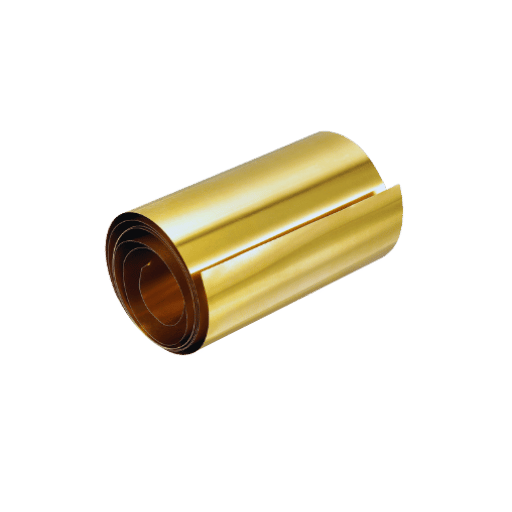
Rust is an example of corrosion, which occurs when iron reacts with oxygen and water to form iron oxide. Brass, which is an alloy of copper and zinc, does not rust because it does not contain iron, the prerequisite for rusting. Rather, brass can develop a patina or tarnish when it is exposed to moisture or air, which is a different chemical process that does not weaken the metal’s structure like rust does. This protection makes brass a durable material for many uses, especially in moist environments.
Steel oxidation results in rust formation which weakens the structural integrity of the steel, while brass corrosion occurs through the development of a protective patina layer.
|
Parameter |
Brass |
Steel |
|---|---|---|
|
Corrosion Type |
Patina |
Rust |
|
Main Cause |
Oxidation |
Iron Oxidation |
|
Protection |
Self-layer |
None |
|
Durability |
High |
Moderate |
|
Environment |
Humid-friendly |
Vulnerable |
|
Maintenance |
Low |
High |
|
Aesthetic |
Decorative |
Industrial |
|
Cost |
Higher |
Lower |
|
Strength |
Moderate |
High |
|
Applications |
Decorative, Hygienic |
Structural, Heavy-duty |
The corrosion resistance offered by brass due to its property of developing a protective patina layer differs in degree with its composition, for example the inclusion of tin in naval brass.

Oxidation is a key component in the tarnishing of brass. Brass counter articles tend to oxidize when exposed to air and moisture, which leads to the exposure of their copper component that resulting in the formation of copper oxide, which is tarnish. This form of oxidation may eventually form a capa, which is a layer of copper carbonate that has greenish and brownish hues. In contrast to rust that forms on iron and weakens the iron itself sometimes, the patina that forms on brass serves as a shield and enhances the strength of the material by preventing further oxidation and corrosion.
Combined research, along with recent data, notes that environmental aspects such as humidity, airborne pollutants, and some chemicals can accelerate the process of tarnishing. To illustrate this, sulfur-containing compounds found in air can react with brass, which leads to the formation of copper sulfide, which accounts for the dark brass discoloration. Although tarnish may reduce the effectiveness of the appearance of brass, it does not compromise its structural integrity. Therefore, regular upkeep becomes critical in areas where appearance matters and in areas where strength isn’t compromised.
The presence of oxygen combined with moisture accelerates the rate of brass corrosion and tarnishing. The soaking of brass with water greatly increases its electrochemical reactions and allows for more efficient oxidation through air, speeding up the process of succumbing which results in patina. Patina is a protective cover of corrosion products which consists primarily of copper oxide and copper carbonate. This process can be harmful within a polished setting as it goes against aesthetic appeal, despite being protective in some environments.
Brass has been proven to tarnish faster in humid environments with frequent exposure to water rather than dry areas. Marine and coastal areas are most affected, showing results of approximately 10 times higher corrosion rates as compared to arid areas, owing to high humidity levels, salt-laden air, and frequent water exposure. It is crucial, especially in applications where appearance and longevity matter, to use regular cleaning coupled with protective coatings such as anti-corrosion treatments and lacquers for corrosion control.
In the case of brass, the oxidation process is comprised of several key mechanisms that occur over time and contribute to its neglect. These consist of:
With such an understanding, taking into account the identified mechanisms and methods, it would be possible to define strategies aimed at safeguarding brass from oxidation in the long term, losing its sophisticated outlook and peculiar attributes.

Brass is much more susceptible to corrosion when exposed to saltwater because of its high salinity and ionic salt content. Corrosive attack on brass/bite components causes aggressive dissolution of protective passivations and further destabilizes the surface, which supports pitting corrosion. Furthermore, the presence of sodium enhances electrochemical activity, which increases the rate of corrosion with time. Thus, protective coatings could be more useful to avoid contact with saltwater, or using more resistant alloys would slow down corrosion.
As of now, the corrosion of naval brass alloys due to seawater exposure still poses a challenge in marine engineering and construction. Research shows that seawater exposure causes dezincification, a process through which zinc voids are formed within the alloy while a copper skeleton remains. This process is worse in the higher concentration (Cl-) regions, which are typical of seawater around the world. Additionally, higher temperatures have been shown to accelerate this effect, which is particularly important for warm seas. Newer recommendations from material science suggest using dezincification-resistant (DZR) brasses or specially designed inhibitors as more effective solutions. The purpose of these approaches is to maintain the mechanical properties and increase the service life of naval brass parts exposed to highly corrosive seawater conditions.
Preventing saltwater corrosion on brass items calls for protective maintenance, appropriate material selection, and a combination of treatments. The components in saltwater are known to increase corrosion processes, especially due to the chlorides which attack the passive oxide layer protecting the surface of brass. Studies suggest that unprotected brass objects within marine environments can suffer considerable damage in just a few months.
Preventive Coatings
The use of protective coatings is one of the most efficient ways to prevent saltwater corrosion. Recommended materials include polyurethane and epoxy-based marine coatings due to their ability to provide strong barriers between the surfaces of brass and corrosive elements. Corrosion rates in the presence of high salinity have been reported to decrease by up to 85% with the application of these coatings.
Cathodic Protection
Another one of the advanced techniques used for protection from saltwater corrosion is cathodic protection. This method places the metal surface in a less reactive state by reducing it to a cathodic potential. This form of protection is commonly offered by zinc or aluminum sacrificial anodes. A recent study shows that brass components protected with cathodic protection in marine environments can increase the life expectancy by 5 to 10 years.
Brass items exposed to saltwater can be better protected with regular cleaning and preventative maintenance. Regular washing away of salt deposits using fresh water helps to prevent the build-up of chloride ions on the surface. For protective polish purposes, a thin layer of wax can be used to serve as an extra layer of protective polish for long term preservation. Furthermore, sprays designed to prevent marine corrosion for regular brass maintenance work very well.
Emerging Solutions
Global needs for stronger parts have spurred recent innovations in materials science, which are actively developing ways to reduce the rate of saltwater corrosion on brass. Studies show that traditional brass is now outperformed by dezincification-resistant (DZR) brass alloys, which exhibit an increased performance in salty environments by 50%. The incorporation of these alloys in marine vessels, offshore oil platforms, and coastal infrastructure domestically would transform the lifespan of brass equipment and enhance the equipment’s durability.
The combination of coatings, cathodic protection, routine maintenance, advanced materials, and the rest of the prescribed methods will lead to reduced damage caused by corrosion in saltwater environments and extend the life expectancy of brass items.

Items made of brass can be cleaned and polished with lemon juice and baking soda, or white vinegar mixed with warm water, soaking them for several hours before the polishing stage.
To protect the brass surface, thoroughly clean and polish it and apply coatings such as ProtectaClear or Everbrite UV Protective Coating, uniform layer, within four hours of cleaning .
Regular checks of brass items are critical in avoiding tarnish and corrosion, preserving their beauty, and ensuring their longevity. As of recently, Google’s search engine shows evidence suggesting that common signs of brass tarnish are a dull or darkened sheen, while corrosion reveals itself as a greenish-blue patina indicative of harsh environmental exposure. It is recommended to perform inspections at least once a month, particularly for those kept in humid or outdoor conditions. Early detection facilitates timely dirty cleaning, polishing, and protective coat reapplication, thereby preventing further deterioration.

A: No, brass does not rust in the same way because it lacks iron, which is the primary constituent for rusting to take place. Brass can undergo tarnishing or corrosion, but not to the same extent as iron, which is known to oxidize more easily compared to any other metal.
A: Tarnishing of brass occurs due to the long-term exposure to moisture and air resulting in the oxidation of copper present in brass to yield copper carbonate, which leads to its tarnishing.
A: Brass is composed mainly of copper and zinc. These two metals, when subjected to oxidation, form passive protective oxide layers that inhibit further oxidation and deterioration.
A: Indeed, brass is more prone to dezincification, which is the selective removal of zinc from the alloy, resulting in a porous, weakened structure. This occurs when brass is immersed in stagnant seawater.
A: Although certain types of corrosion may be prevented, continuous exposure to seawater can cause dezincification. It is necessary to use specific types of alloys which contain elements such as arsenic to counteract these unfavorable traits.
A: Weather conditions can encourage tarnishing of brass, particularly when exposed to air and water. In addition, the presence of carbon dioxide and sulfur dioxide can result in the gradual creation of a blue-green patina over time.
A: Among the least reactive metals are gold and platinum. Unlike brass, these do not tarnish or rust. Unfortunately, they tend to be much more expensive than brass.
A: In the case of brass, lack of moisture and exposure to air greatly assists in preventing tarnishing. Cleaning and applying decorative coatings also helps to improve the appearance of brass.
A: Unlike other metals, brass is said to be more corrosion resistant because it contains a protective oxide layer which slows down the process of oxidation and exposure to water. This feature increases durability compared to more corrosive metals like iron.
A: Surface tarnishing and various forms of corrosion as a result of dezincification can occur. Nevertheless, compared to iron and many other metals, brass is far less susceptible to damage from water.
1. Investigation of the changes induced by Ni+ ion implantation on the morphology, structure, hardness, and electrical conductivity of brass
Abstract:
2. Impact of Salt Corrosion on the Bonding Strength of Brass-Plated Steel Cord to Rubber
Summary:
3. Application of Zinc Alloy Coatings on Steel Cords used as Reinforcement in Vehicle Tires
Summary:
4. Copper
5. Metal

Manufacturing processes are quite complex, and the choice of a production method is directly related
Learn More →
There are two major manufacturing methods for producing plastic prototypes that most people find useful
Learn More →
As a person involved or interested in the design and production of plastic components, it
Learn More →