

Manufacturing processes are quite complex, and the choice of a production method is directly related
Learn More →
Graphite, a semi-crystalline form of carbon, has been of interest to scientists and engineers due to its unique properties and versatile applications. Yet a question remains in scientific debates—what happens when graphite gets to its melting point? The answer involves the transformation of this remarkable material into liquid carbon, a state more than complex. Knowing the melting point of graphite not only provides an understanding of its atomic structure but also aids the knowledge needed for many high-temperature applications in fields like aerospace, energy, and materials science. This article is focused on the phenomenon of graphite’s melting, the extreme difficulties of studying such harsh phenomena, and the impact of the phase change on melted graphite on technology. Get ready to discover the interplay of temperature, pressure, and molecular forces that contain graphite’s melting and the role it has in the development of new technologies.

Graphite’s melting point is exceptionally high, approximately 3,927°C (7,101°F) under standard atmospheric pressure. However, graphites do not undergo direct melting because they sublimate. Transitions from solid to gas. To obtain a true melting point, moderate but extreme conditions are needed involving high pressure alongside high temperatures.
Due to the strength of the covalent bonds between their atoms, both graphite and carbon have high melting points. Carbon’s melting point is about 3,550°C (6,422°F) at standard pressure, whereas graphite sublimates instead of melting at normal atmospheric pressure. Under extreme pressure, however, graphite has a definitive melting point of approximately 3,927°C (7,101°F). This behavior can be explained by their atomic structures; carbon creates a rigid lattice, while graphite is composed of sheets of atom layers. Because of these properties, they are highly resistant to thermal breakdown.
Unique bonding features of graphite’s structure explain why its melting and sublimation points are so profound. The atomic constituents of graphite can, in fact, be likened to sp2-hybridized carbon gas arranged in a hexagonal lattice underneath it. Van der Waals forces binds these layers to each other and allows them to slide with respect to one another, graphites lubricating edge. Individual layers, on the other hand, are covalently bonded, which along with the lattice, provides considerable thermal stability.
Under 1 atmosphere of pressure, the melting point for graphite cannot be defined: it transforms directly from a solid to gas at roughly 3,600°C (6,512°F). Extreme pressure, around 10-12 GPa, can allow graphite to exist in liquid form, with the considerably high melting point of 3,927°C (7,101°F). It demonstrates thermal and pressure conditions well above what is required to break an atomic lattice.
Another factor that enhances the thermal resistance of graphite is the strong bonds within the individual layers, creating an electron cloud that adds thermal stabilization, thus allowing graphite to maintain structural integrity at high temperatures. In addition, the high melting point should be associated with high bond-dissociation energy, meaning the energy needed to sever the covalent bonds between the atoms. In the case of carbon-carbon bonds, this value is approximately 348 kJ/mol, which accentuates the strength of these bonds through other materials.
Due to these factors, graphite is highly applicable in environments that require extreme heat resistance, such as high-temperature furnaces, and as an anode material in lithium-ion batteries. This level of thermal resistance highlights the unique physical and chemical properties working together within graphite.
Like many other materials, graphite lacks an ordinary melting point in regard to melting behavior. Instead, it directly shifts from a solid state to a gas through sublime at exceedingly high temperatures surpassing 3900 K (3627°C). This characteristic is the reason for why graphite is utilized in high temperature applications. The distinctly powerful covalent bonds within its frame greatly add to its structural stability alongside resistance to thermal degradation.
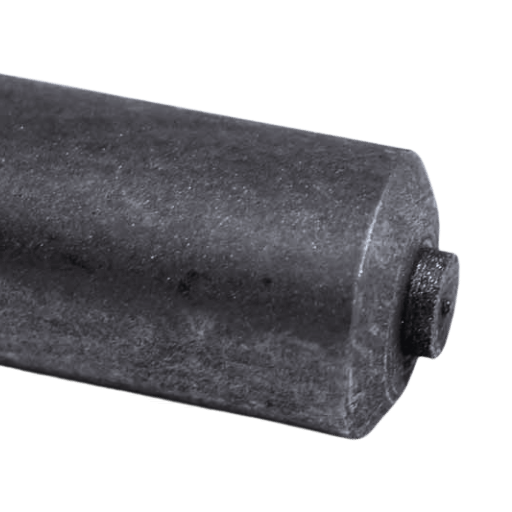
The application of high pressure greatly changes the graphite phase diagram’s characteristics by eliminating sublimation and allowing transition to other solid forms. At the 100 kPa mark, there is notable pressure—combined with high temperatures—under which graphite’s carbon atoms undergo transformation into a denser crystalline structure, resulting in the conversion of graphite into diamond. This transition exemplifies the interdependence of pressure, temperature, and the stability of an atom’s arrangement within a given structure, in this case, graphite.
Work on understanding high-pressure physics in the recent years has shed light on the structural modifications of the carbon allotropes graphite and diamond. It has been established that diamond formation from graphite becomes thermodynamically possible at above 1.5 GPa pressures and ~2000 K temperatures. The phase transition in question happens as graphite’s layered structure shifts to the more stable high-pressure form: a tetrahedrally coordinated diamond lattice.
Additional understanding has come from the experimental work done with diamond anvil cells (DACs). Through these experiments, scientists can simulate very high temperatures and pressures, and it has been noted that the transition pathway is highly dependent on the sample purity and the catalytic elements that may be present. Elements like iron or nickel, when added, reduce the transformation’s temperature and pressure limit, thereby acting as added catalysts that ease changes to the carbon atom arrangements.
The changes of mechanical properties of graphite to a diamond are noted as important transformations. For instance, diamond’s remarkable hardness, recorded as a 10 on the Mohs scale, along with its high thermal conductivity, makes it a superior industrial material for cutting, drilling, and even heat dissipation systems. On the other hand, the comparatively weak Van der Waals forces acting between the layers of graphite render it an exceptional lubricant, thus beneficial for use in certain engineering applications.
Accurate data from the latest research indicates that the reaction kinetics for transformations are governed by grain size, with finer graphite particles behaving more favorably under specific conditions. These transformations continue driving innovation, especially regarding the synthesis of polycrystalline diamond and the study of its technological applications under different environmental conditions.
Covalent bonds, defined as bonds formed by two atoms sharing one or more pairs of electrons, helps to define the physical and chemical properties of several materials, including sublimation. A covalent bond influences a material’s properties such as sublimation which is the direct phase transformation of a solid to gas without passing through the liquid phase.
For instance, materials such as diamonds, which are made of strong covalent bonds arranged in a three-dimensional tetrahedral lattice structure, exhibit extremely high sublimation temperatures due to the significant energy needed to break these bonds. Recent studies show that diamonds have a sublimation temperature of more than 3,500 degrees Celcius under normal atmospheric pressure. This extraordinary number is due to the extreme enduring rigidity of its covalent structure.
In contrast, iodine and solid carbon dioxide (dry ice) are covalently bonded molecular compounds that showcase relatively lower sublimation points. Under standard conditions, Iodine sublimates at around 184 degrees celsius, while carbon dioxide does so at -78.5 degrees celcius. The discrepancy is mainly due to differences in the types of bonds, which are, in this case, primarily Van der Waals forces in molecular solids versus robust covalent bonds in structures like diamonds.
These findings emphasize the connection between the strength of covalent bonds and thermal stability, which guides materials engineering. Researchers seek to develop sophisticated materials for use in aerospace, electronics, and other high-temperature environments by elucidating these principles and tailoring sublimation characteristics.
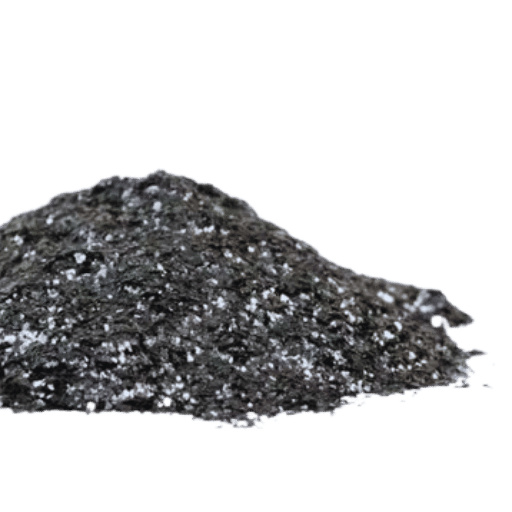
The thermal conductivity of graphite is exclusively due to the distinct bond and configuration of its carbon atoms. Unlike diamond which has a three-dimensional tetrahedral framework, graphite is comprised of hexagonally arranged carbon atoms that form layers. These layers are bonded by weak van der Waals forces, whereas covalent bonds between the carbon atoms in each layer form a stable and strong framework.
Important Information and Figures Concerning the Thermal Properties of Graphite:
Elevated Thermal Conductivity Along the Basal Plane
Thermal Conductivity Perpendicular to the Layers is Significantly Lower
Thermal Conductivity’s Dependence on Temperature
Having Considered Purity and Crystal Orientation
Such traits give graphite advantages for use in devices where effective heat removal is necessary, for example in the thermal management systems of electronics and energy storage devices. Knowing how carbon atoms configuration affects thermal conduction is important, so that scientists and engineers can configure graphite for customized applications.
The high-temperature conductivity of graphite is one of its characteristics, which makes its applications useful in both the industrial and technical fields. The strong covalent bonds of carbon atoms in a graphite structure enable it to retain heat and conduct it efficiently even at 3000 degrees Celsius without oxidizing, which is advantageous for metallurgy, aerospace applications, nuclear reactors, and other fields that deal with extreme temperatures.
Advancements in graphite research focus on the thermal conductivity of graphite being from 150 to 500 W/m·K, which varies with the level of processing it undergoes. It has also been noted that with the increase in crystalline planes, the amount of conductivity increases, too. For instance, synthetic graphite is incredibly useful in thermal management systems because of its uniformity and heat conduction properties. It is also useful in the spreaders for electronics and in high-power batteries.
In graphite, the anisotropic thermal conductivity also plays an important role. The difference in conductivity along the basal planes is significantly greater which enables planar configurations. This allows for better heat dissipation. Also, the lower c-axis conductivity makes it enables tailored designs wherein heat insulation is needed. These properties make graphite one of the primary catalysts in next-generation thermal management technologies.
The continuous study of methods to improve its properties indicates that graphite is becoming a more integral material for solving problems in modern engineering that involve high-temperature settings.
Some of the thermally conductive materials used in industry and engineering include graphite. Due to its exceptional thermal conductivity, graphite has plenty of uses in various industries. Here is a list of where thermal management is crucial, and graphite is employed:
Thermal Interface Materials
Components of Aerospace and Aviation
Crucibles and High-Temperature Furnaces
Systems for Storing and Converting Energy
Nuclear reactors
Cooling System for LED and Display Panels
Innovations that leverage graphene and graphite-based composites increase operational efficiency and sustainability, thus aiding the industries in the above applications make them easier. The evolution of thermal management systems for more complicated systems suffices to highlight the importance of graphite in industrial technology.
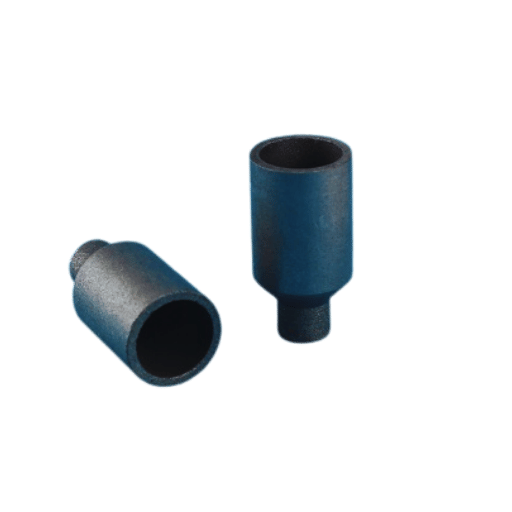
Carbon astonishingly synthesizes at elevated temperatures, rendering it useful in numerous industries. It has an astounding sublimation point of ~ 3,600 °C (6,512°F) alongside its high thermal conductivity which enables it to dissipate heat effectively. Moreover, carbon displays remarkable thermal stability as it retains its structure at extreme conditions. These properties are enough to deem carbon useful in extreme temperature environments like furnaces, aerospace components, and heat shields.
Natural graphite and pure graphite display varying physical and chemical properties that dictate their different industrial applications. Natural graphite occurs as crystalline carbon and is commonly mined from deposits where it exists with a number of impurities like silica, iron oxides, and other minerals. Its fidelity thermal conductivity ranges between 85 and 150 W/m·K which depends on its purity. Furthermore, natural graphite tends to have lower mechanical strength because of the presence of impurities and structural imperfections.
Synthetic or pure graphite is a refined form produced from graphitization, a more controlled industrial process. Graphitization entails heating carbonaceous materials like petroleum coke and coal tar pitch to over 2,500°C (4,532°F), which changes them to possess a uniform crystalline structure and higher purity, typically over 99. 9%. It has higher thermal conductivity values of up to 200 W/m·K as well as greater mechanical strength when compared to natural graphite, which makes it ideal for precision work and advanced technologies like battery production, semiconductors, and even nuclear reactors.
Despite both materials having outstanding thermal insulation and conductivity, the distinction between natural and pure graphite still hinges upon the degree of desired inclusions, thermal requirements, and cost. The growing need for high-performance materials in industries such as energy storage and aerospace is stimulating developments in processing technologies for both types of graphite.
An environment with a temperature of over 4,000 K and a pressure of around 10 megapascals will allow for the existence of liquid carbon. Under immense energy stimuli, like during asteroid collisions or intensive lab experiments, solid carbon can be scammed into transitioning to a liquid state. Being the most energetic of the carbon states, liquid carbon also possesses the highest density and conductivity, allowing for a better understanding of the inherent behaviors of carbon amidst extreme pressure. The most peculiar and valuable element to conduct research on is, in fact, having an atomic structure somewhere between ordered and disordered at all times, otherwise known as short-range ordered.
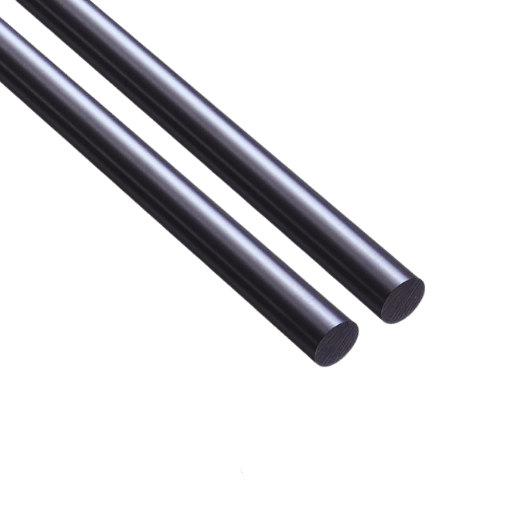
Due to liminal temperature ranges, graphite’s stability stands out and makes it useful in high-temperature applications. At extreme temperatures, graphite sublimes to gaseous form, skipping the liquid phase, usually around 3,900 K under atmospheric pressure. This striking characteristic is the outcome of the strong covalent bonds graphite possesses along with its layered structure coupled with exceptional reserves of thermal energy in the material.
At temperatures exceeding 2500 K, a shift from crystalline to amorphous phases begins to occur in graphite’s structure. Thermal and electrical conductivity changes due to increased order from the disassociation of electrons that are bound to take place. Varied purities of the substance and other circumstantial settings tend to raise thermal conductivity to leaguer gaps. Experimental data suggest that thermal conductivity at heightened temperatures along with these environmental settings can rise up to 30 percent, further putting into consideration the utmost purity of the material.
Moreover, graphite is stable up to its sublimation point in inert or vacuum environments; this makes it a strong candidate for use in high-temperature insulators, heat shields, and furnace linings. These properties underscore its usefulness in advanced manufacturing, nuclear reactors, and aerospace industries, especially in cases where materials experience extreme thermal gradients. For example, isotropic graphite, a more refined variant of the substance, is thermally more stable than natural graphite due to the microstructure it is engineered with.
Phase diagrams are essential for studying high melting points since they show the stability of various phases of a material within differing temperature and pressure ranges. These diagrams allow researchers to determine the exact breaking points at which a material completely becomes a solid, liquid, or gas. Phase diagrams also help elucidate the boundaries and level of stability of extremely high-temperature materials like tungsten and graphite while at fierce temperatures. With these diagrams, scientists and engineers are able to make processes or choose the materials needed that are best suited for high temperatures, thus maintaining efficiency and dependability under such extreme conditions.
High-temperature graphite is studied, considering it is reinforced with a composite carbon fiber, which has outstanding thermal stability as well as mechanical strength. As a composite material, carbon fiber can withstand extremely high temperatures with little degradation, making it suitable for the reinforcement of graphite structures in high-heat environments. Furthermore, its low value of thermal expansion ensures stability which is vital for accurate experiments and applications. Researchers are enabled to advance studies and innovations in high-temperature applications with integrated materials of carbon fiber and graphite that have structural integrity as well as reliable thermal performance.
A: The melting point of graphite is often quoted between 3,600 to 3,900 degrees Celsius. In any case, graphite does not ‘melt’ in the classical sense under standard atmospheric pressure; instead, it undergoes sublimation, directly transitioning from solid to gas.
A: The difficulty in determining the melting point of graphite stems from the fact that it does not easily melt. Moreover, it sublimates at exceedingly high temperatures, which makes the study of its thermal properties challenging.
A: Graphite becomes liquid at elevated temperatures not far below its sublimation point. It undergoes several changes in the arrangement of its carbon atoms, as indicated in the transformation diagram for carbon.
A: The electrical resistivity of liquid carbon is significant in regard to the phenomena of graphite and liquid carbon near the melting point, considering the conductivity of carbon in various states.
A: The analysis of graphite’s thermal properties usually involves high-temperature experiments and sophisticated analytical methods which are typically completed by dedicated research institutions such as the Institute for High Temperatures.
A: The increased thermal endurance of graphite is due to its strong covalent bonds in addition to its flexitile layered structure, which enables it to sustain extreme temperatures without succumbing to degradation.
A: High-purity graphite finds applications in several domains, such as in the aerospace and defense industries, for constructing graphite in high-temperature furnaces, as a graphite anode in batteries, and many others that require materials with high thermal and chemical stability.
A: The high-temperature performance of graphite comes from its capability to conduct heat well, retain thermal energy, and resist melting at significantly high temperatures, all of which are required in settings bordering its point of melting.
1. Title: Graphite Melting at “Low” Temperature
2. Title: Graphite Melting Line
3. Title: Graphite and liquid carbon both melting points
4. Title: Experimental Investigation of Density of Pyrolytic Graphite up to Melting Point
6. Graphite
7. Temperature

Manufacturing processes are quite complex, and the choice of a production method is directly related
Learn More →
There are two major manufacturing methods for producing plastic prototypes that most people find useful
Learn More →
As a person involved or interested in the design and production of plastic components, it
Learn More →