

Manufacturing processes are quite complex, and the choice of a production method is directly related
Learn More →
Computer Numerical Control (CNC) has become a notable driver of change in woodworking. CNC wood parts go beyond the regular and add greater precision, speed, and innovative ability to furniture design and other embellishing features. Thus, the guide being read or even copies of the guide will assist the specialists to view and appreciate the capabilities of CNC wood cutting and making. Be it process improvement, creating perfect designs, or pushing the boundaries of using CNC wood cutting, this piece will show how the evolving woodwork space is diverse, thanks to CNC technology. Hence, find out how this technology works for any business as we show the advantages and applications, and encourage the full exploration of projects.
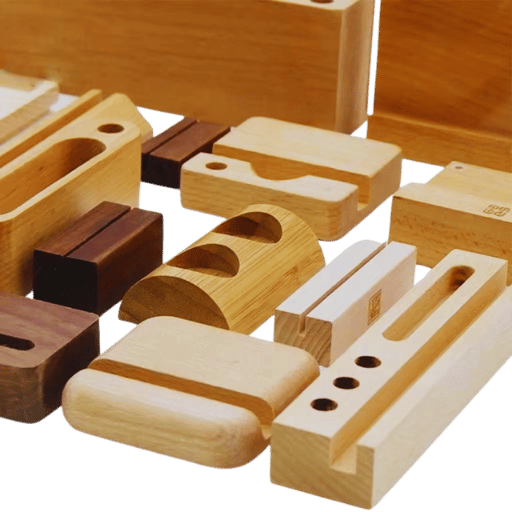
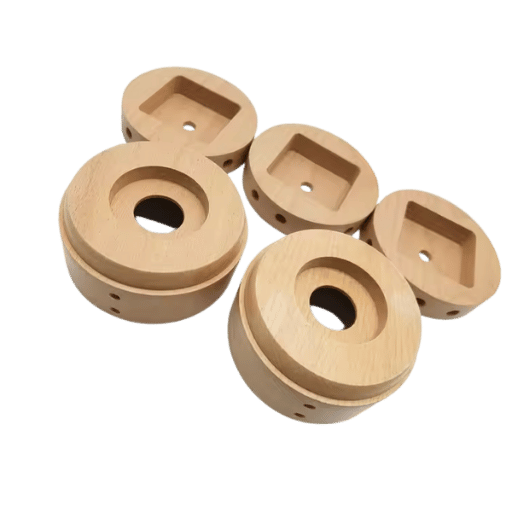
The manufacture of cnc wood parts refers to using Computer Numerical Control (CNC) Machine Tools for cutting, surface processing, and assembling wooden components precisely and accurately. It involves transforming the manual functions of tooling and machinery into computer-aided designs to ensure ensuing production is accurate and reproducible without any variances in complex designs and many other shapes. The advances in such technology have found relevance and application in furniture design, construction of cabinetry for kitchens and bathrooms, and architectural design, among many other areas, due to their effectiveness, efficiency, and the aesthetic options available that fundamentals make it impossible to attain manually.
For Computer Numerical Control machining, CNC machining refers to manufacturing using the action controlled by the computer program installed on the machine tools. This allows for precise and repetitive actions of cutting, drilling, and shaping of parts and assemblies. Some main advantages of CNC machining are precision enhancements, labor force reduction, and the capacity to execute complex designs. It is an essential asset to many industries, including but not limited to aerospace, automotive, and manufacturing, because of its adaptability and efficiency. In recent years, there has been an increase in the manufacturing of cnc wood parts for furniture and home decor.
CNC routing shapes wooden components by directing a computer-driven spindle across their surface. The cutter pursues a digital blueprint that is, in effect, a vector map of the desired profile. An operator simply loads the file and secures the board, and the machine executes the pattern without further input. Thanks to that automation, the same intricate silhouette can be duplicated as often as needed. Recycling chips back into production and mapping the tool path conserves stock, a concern, especially acute in high-end cabinetry and custom furniture runs.
Precision in CNC wood machining stems from the seamless fusion of computer-driven tools and carefully crafted digital files. Those files, rich with small-scale dimensions, become the step-by-step roadmap that guides the router through uniform, repeatable cuts. Upgraded systems, such as laser sighting rigs and feedback-driven adaptive controls, pinch that roadmap down even further, curbing errors and scrap. Such tight oversight pays off in projects where intricate detailing and close tolerances are non-negotiable, including custom cabinetry and ornamental wood pieces.
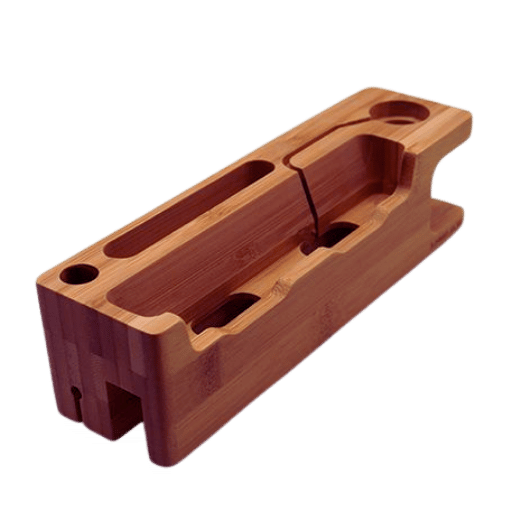
The selection of the wood to be used for a particular CNC project is critical in ensuring that the project put into consideration is possible to work on, it can last, and it looks good after. The following are some of the most common woods used in CNC machining:
The type of timber chosen must correspond to the particular project’s aspects, such as the level of complexity regarding the density of cnc wood parts to be cut, strength, and the look of the final/cut product.
|
Parameter |
Oak |
Maple |
Birch |
Okoume |
|---|---|---|---|---|
|
Durability |
High |
High |
Moderate |
Low |
|
Workability |
Moderate |
Moderate |
Easy |
Very Easy |
|
Appearance |
Prominent grain |
Subtle grain |
Uniform grain |
Reddish hue |
|
Cost |
High |
High |
Moderate |
Low |
|
Uses |
Furniture, floors |
Furniture, boards |
Furniture, decor |
Lightweight items |
|
Eco Impact |
Sustainable |
Sustainable |
Sustainable |
Needs certification |
Selecting wood involves more than personal preference; an informed builder weighs durability alongside the final appearance. Oak and hard maple stand out when strength must outlast years of foot traffic or heavy loads. Birch sits between those extremes and serves decorative pieces that will not take constant abuse, while okoume earns a place in projects where lightweight trumps long-term toughness.
The character of the grain shapes finishing choices as much as density does. A quick coat of oil or varnish deepens the bold strokes found in oak, but a crystal-clear wipe on gloss leaves maple looking almost like water. Birch accepts stain evenly and welcomes paint, whereas the reddish patina of okoume is best shown with nothing more than a transparent film. Targeted choices like these nudge any project toward serviceable performance and satisfying good looks.
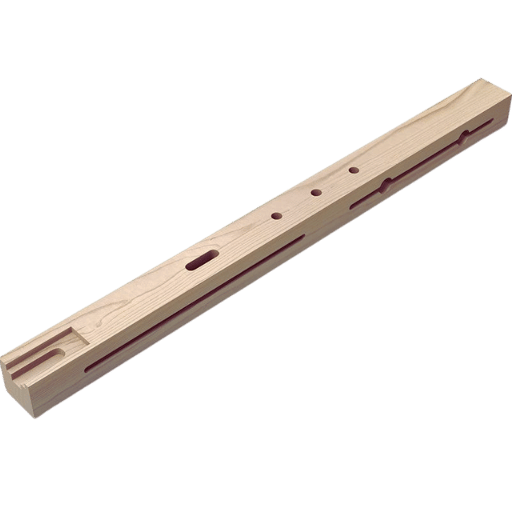
Custom-cut timber inserts have become essential in contemporary furniture production, balancing precision, uniformity, and creative latitude. Computer Numerically Controlled machinery, carving and milling to exact digital blueprints, allows makers to produce multilayered parts that lock together with little or no hand fitting. Industry surveys from late 2023 suggest that factories leveraging this technology shave 30 to 50 percent off cycle times while curtailing offcuts, translating to faster turnarounds and smaller landfills.
The bespoke components appear in everything from kitchen cabinets to lounge chairs, ornamented moldings to minimalist conference-room desks. A single CNC pass can route filigreed designs, seat geometric marquetry, or mill puzzle-like tongues that carry stress and catch the eye. Because the file can be tweaked overnight, craftsmen experiment and verify prototypes without waiting for auxiliary jigs, slashing the gap between concept sketch and showroom.
Environmental impact looms large in every material’s choice, and these machines excel when fed engineered sheets such as MDF, plywood, or certified veneers. Those substrates use fibers more efficiently than solid timber, ensuring fewer standing trees are lost for any panel. Coupling the router with CAD software lets designers send a 3D trace straight to the cutter, so breakthrough forms arrive flat-packed rather than folded on a drafting table; that drop-in workflow propels fresh ideas in home furnishings and contract-grade assembly.
The components used in CNC machines are very important in manufacturing displays since they help develop most displays and their frameworks. CNC machining facilitates the cutting or shaping of materials such as acrylic, metals, and even wood to the desired parameters for manufacturing a high-quality display. This technology allows users to create different tools and engage in mass production processes seamlessly, resulting in products that vary in all situations very efficiently. It is possible to say that the use of CNC components for making structures of the kind of displays can help make displays related to or adapt to either case, for commercial, exhibition, or even signboard displays.
Specialty and wholesale markets thrive on solutions calibrated to the quirks of individual sectors. Retail buyers and production partners alike expect adaptable, high-caliber fabrication routes if they are to scale distinctive, valuable goods. CNC machining plugged that gap: the process slices material with repeatable accuracy, nudging costs downward even as it accommodates wide-open design requirements. When the chips settle, parts look right, fit right, and move the trade to a better place.
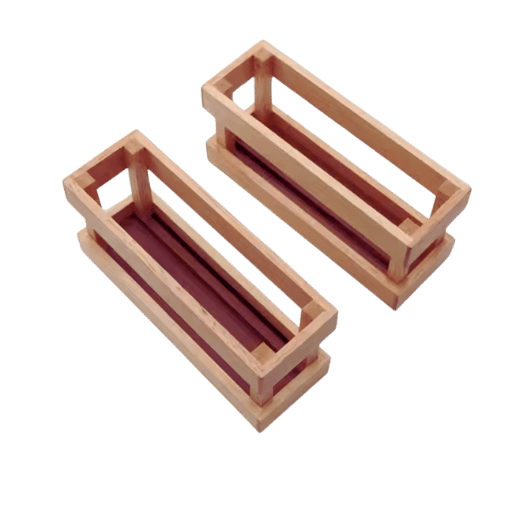
A CNC manufacturer rarely reads minds, so precision in the brief is non-negotiable. Share every number, material, and surface grit as if drafting a contract with the universe. Sit down with the machinist and ask where the sketch hits the wall; half an hour spent identifying bottlenecks often saves weeks of lost time. Prototype runs, even rough ones, expose hidden errors that spreadsheets seldom catch. Pick a shop that already knows the quality badges your sector demands, because chasing certificates mid-job invites headaches. Short progress notes and quick phone calls keep small surprises from escalating into big arguments.
Effective collaboration at the outset of production hinges on precisely articulating the project specifications. Every technical facet, raw materials, geometrical dimensions, and accepted tolerances must be exhaustively recorded and transferred to the manufacturing partner. Ongoing dialogue is the primary check that output matches the defined quality benchmarks. A responsive feedback loop captures deviations, resolves issues in real time, and prevents costly schedule holds. When partners cooperate with clarity and purpose, the workflow remains streamlined, and the finished product meets its intended mark.
Maximizing efficiency in CNC wood fabrication hinges on fully exploiting the machine’s inherent capabilities. Begin with a careful match of cutting tools and stock; only compatible bits and substrates will yield reliable results. Rigid, waste-conscious programming-following practices embedded in purpose-built CNC software allow operators to tighten tolerances and trim excess material. Shrewd maintenance performed on a scheduled basis keeps spindles, bearings, and electronics in fighting shape, forestalling unplanned stoppages. Automation accoutrements, from gravity-fed chutes to indexed loading tables, not only shave man-hours off production runs but also smooth out variability in part-to-part quality.
Merging computer-aided design with computer-numerical control achieves a remarkably fluid production sequence. Designers sketch intricate assemblies inside a CAD interface, then export those drawings as G-code that commands CNC routers to carve the same shapes from wood. The digital hand-off almost eliminates operator miscalculation, guarantees millimeter-perfect detail, and lets shops turn out repetitive runs of elaborate profiles without fatigue. Hospitals, theatres, and labs benefit when makers balance that exacting reliability with the speed of automated tooling.
Secondary operations must be performed after machining cnc wood parts to ensure the completion of the work on the wood in large quantities. Drilling refers to creating holes in components in an exact location, which might be necessary for structural integrity. A narrow cut called a slot would be required for mechanical fitting or making specific structures. Such operations might be desired to improve the part’s performance and comply with the design requirements, or to enhance it for further operations, e.g., assembly or painting. Manufacturers can offer such auxiliary operations in case they need to satisfy consumers and improve business effectiveness.
A. CNC wood machining designs custom wood components using computer numerically controlled machinery. It enhances precision and consistency during processing and allows custom pieces to be manufactured in various sizes and dimensions.
A. Various types of wood, such as walnut, birch, poplar, and plywood, can be used in CNC machining. These woods possess different qualities, such as strength, grain pattern, and the ability to absorb stains, which makes them applicable to numerous processes and finishes.
A. Nesting is a technique in CNC wood carving that arranges wooden components on a sheet to reduce material wastage. This method improves yield and decreases production cost, making it economical to produce bulk items.
A: CNC wood machining allows customization options such as drilling and slotting, laser engraving, and creating grooves. These custom wooden parts are designed according to specific requirements and dimensions to perform optimally in different applications.
A: Production optimization is refining processes to achieve the best possible results while minimizing costs. CNC wood machining includes adjustments to tool paths, nesting layouts, and even processing techniques related to productivity and output. This produced precisely specified parts that needed to be made with the streamlined production run.
A: Custom project components are possible through custom-designed wooden parts tailored to the exact size, shape, and finishing. This ensures that every part is seamlessly integrated into the larger assembly, improving performance, functionality, and aesthetics.
A: To initiate your custom CNC wood machining project, don’t hesitate to contact us with the details, including the specific features and wood species. We assist with the design, schedule efficient production sequencing, and validate that the parts fit your dimensional expectations.
A: The advantages offered include improved control of the entire workflow, shortened lead times, real-time remediation of specification changes, and serving repetitive job orders with reliable consistency and enhanced precision. These pre-empt the benefits of in-house CNC wood machining.
A: Our systems are designed for scalability, so CNC wood machining will work for small, medium, and large-scale projects. This versatility allows us to service various project requirements, from individual bespoke parts to mass manufacturing.
1. Development and Comparative Analysis of a Highly Affordable Machine-CNC Wood Carver for Artisanal Craftsmanship (Sneineh et al., 2025)
2. Effects of CNC Processing Parameters on Surface Quality of Wood-Based Panels are crucial for achieving optimal results in wood CNC machining. – This study revisits the influence of various machining parameters and tools for wood to achieve an enhanced surface finish, explicitly targeting the furniture industry.
4. Wood

Manufacturing processes are quite complex, and the choice of a production method is directly related
Learn More →
There are two major manufacturing methods for producing plastic prototypes that most people find useful
Learn More →
As a person involved or interested in the design and production of plastic components, it
Learn More →