

Manufacturing processes are quite complex, and the choice of a production method is directly related
Learn More →
CNC drone parts have been very popular with both professionals and hobbyists ever since the development of drones, which has led to a growth in demand for precision, innovation, and durability in drone components. With unmatched accuracy, reliability, and customization offered with CNC (Computer Numerical Control) teshed drone parts, custom builds have never been easier. The right choice of CNC parts can improve the performance and efficiency of the drone, ensuring that whether you are an experienced or a newbie builder, your first project becomes successful. In this article, we look closely at the advantages of CNC parts so that you can integrate them into your next build. We hope you will now elevate your projects’ precision, craftsmanship, prettiness, and performance standards.
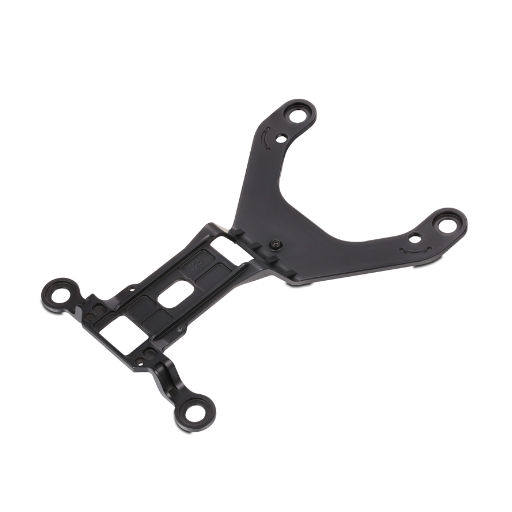
Each component is made from various materials, such as aluminum, carbon fiber, or even plastics, using a method called Computer Numerical Control, ironically known as CNC. This method works by mechanically carving out the desired shape. It has numerous advantages, like pre-programming, which allows the free guiding of the drills, cutting tools, and lathes, which translates to high accuracy, good quality, and the freedom to create higher standards.
The drone parts are praised for their custom design possibilities and lightweight features. As a result, they enhance performance and reliability for drone aerial operations.
For builders of UAVs or unmanned aerial vehicles, CNC machines represent an essential technology since they:
Due to the micrometer level of accuracy achieved during the machining processes, every part becomes drone-specific, which guarantees that all components integrate without precision gaps. This further increases the drone’s integrity and performance.
Custom-designed drone parts can be fabricated easily, making specific needs achievable. Such flexibility allows for advanced designs that can be optimally functional physically and aerodynamically, greatly adding to drone functionality.
For small —to medium-sized enterprises, precision CNC machining, which can achieve minimum lead times, is extremely cost-efficient. This, together with FIFO, leads to unmatched value in SMEs. The accuracy does not compromise quality and surpasses every expectation.
Every component made through precise CNC machining processes is rigorously tested for high-performance pilot tests simulating real-world conditions before integration, severely enhancing the integrated part. Advanced multi-condition withstand assessment techniques expose mastery throughout the plethora of skills at the core of the expert team.
3D printing is useful for low-volume production runs and prototyping due to its speed and cost-effectiveness. However, CNC machining is better for precision and strength when scaling up drone production.
| Parameter | 3D Printing | CNC Machining |
|---|---|---|
|
Cost |
Lower for small runs |
Higher for small runs |
|
Precision |
Moderate |
High |
|
Speed |
Faster prototyping |
Slower setup |
|
Material Use |
Minimal waste |
More waste |
|
Strength |
Moderate |
High |
|
Complexity |
High (intricate parts) |
Moderate |
|
Volume |
Low-volume |
Medium to high-volume |
|
Applications |
Prototypes, lightweight parts |
Structural, durable parts |
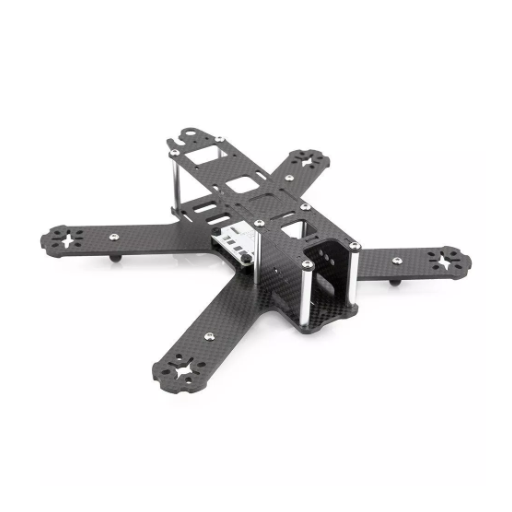
When selecting a service, the following steps should be followed to ensure excellence in drone part customization:
Verify the vendor has a history of providing high-quality parts and precisely machined components. Look for certification and check what sort of quality control is employed.
Check that the vendor has the necessary experience with the materials, such as performance plastics and lightweight metals, that will be used on your drone parts.
The vendor should be able to offer completely custom parts that fit the drone’s design and functional specifications.
The vendor should maintain the quality standards, especially when deadlines are tight.
Assessed and aligned with the level of CNC machining service quality provided and the budget, spent on comparing quotes from different providers becomes wise.
Having proficient customer service helps answer concerns that emerge during the homework stage of the machining process.
Considering these pointers allows for selecting the CNC machining provider that integrates seamlessly with the design of durable custom drone parts.
It’s always best to combine reliable sources and technological trends when selecting a CNC machine provider. Pay attention to the following considerations:
A provider for CNC machines should already have a functioning business and have served other clients within the same field as you. They should also implement CNC services with an understanding of the client’s business.
Check if the Company has the latest machines and software. With modern CNC tools, production processes can accelerate, quality precision measurements can be observed, production resource wastage can be minimized, and overall production quality will improve.
Check their quality assurance measures. Ideally, the provider should have certificates like ISO 9001, demonstrating minimal efforts to achieve consistent, reliable results.
The machine provider should be capable of meeting your current demand and adjusting to accommodate any increase in production later on. It should also be reliable and fast when processing orders.
While affordability is important, it should not compromise quality. Look for quotations and see which ones are the most affordable while offering great craftsmanship.
Remember to check customer reviews and testimonials to better understand your company’s reputation. These can often reflect the experiences of other businesses in your industry, which is really helpful.
By following these ideas and keeping up to date with the information, you will be able to select a CNC machine provider suited for your operational needs and is dependable in the industry.
Check that the CNC precision techniques match the complex design geometry required for the structure of the drone frame, its propellers, and all the algorithms that drones demand, as well as the multi-rotor craft’s sophisticated, intricate precision parts. For optimal performance, a CNC system with multi-axis machining capability requires drone parts to incorporate complicated shapes.</br>
For the durability-strain tested range of advanced composites, verify that they have worked with aluminum, titanium, and extremely low-weight materials. Real-time monitoring and inspection of the processes guarantees maintaining the required standards even during inspection after production.</br>
Aluminum and titanium composites pose an unrivaled strength-to-weight ratio, which makes them ideal for aerospace projects. 90F: ISO 9001, along with AS9100, basic certs mark an aerospace manufacturer’s precision mark, which shows high attention to maintaining minimum requirement levels on standards.</br>
Ensure that advanced technology, combined with an understanding of drone fabrication, ensures that the parts needed to meet the technical thresholds and performance can meet them.
Assessing your project requirements regarding available custom CNC machining options is critical if you are seeking the best outcome. Many positive artisan methods like custom CNC machining can significantly aid in meeting diverse industry needs, including aerospace, robotics, and medical tech. At this level, they integrate advanced forms of technology like 5-axis live machining, which leads to higher overall productivity and accuracy.
In addition to these custom options, many customers are now reported to be more willing to sponsor new providers that offer more advanced options, like 5-axis live tools and superior technology. Google Analytics indicates that the services sought by most machine industries have far surpassed the boundaries of prototyping and require proven, scalable production, making credible quality assurance vital. This supports the expanding trend of working with supply partners who adopt new standards of strategic manufacturing. With the right amount of research and analysis, achieving project goals with CNC machining technology is possible.
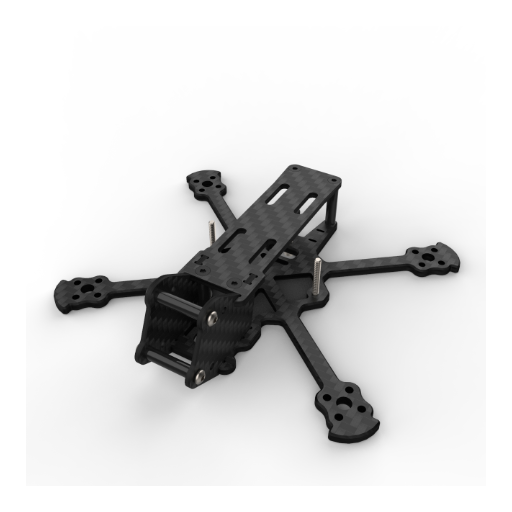
Carbon fiber’s outstanding properties, along with a multitude of benefits, make it the primary choice for crafting aviation-grade drones. These include, but are not limited to:
Carbon fibers, with their immense strength and low weight, construct the impeccable frames of the drones, aiding in fine-tuning the structure for optimal performance.
Because of its durability and light weight, carbon fiber components are used in different industries such as aerospace, automotive, and robotics. Carbon fiber is superior to steel and aluminum due to its exceptional strength-to-weight ratio since it is lighter and more durable than they are. Its reduced weight improves performance, efficiency, and handling in high-stress applications like drones and aircraft. Carbon fiber products are reliable and have ensured longevity due to their resistance to extreme weather, chemicals, UV rays, and temperatures. Supported by current advancements in materials engineering, the claim is solid that these properties make carbon fiber ideal for modern high-performance needs.
Using carbon fiber composite drones enhances their performance greatly as carbon fiber composite material improves the flight efficiency of drones, increases battery autonomy, minimizes flight duration, and enhances the vessel’s structural integrity. The element’s superior stiffness-to-weight ratio cuts down vibrations to drones, improving its stability during flight and the accuracy of onboard sensors. Additionally, the carbon fiber’s strength guarantees durability of the drone against harsh conditions such as high-velocity winds and impacts while maintaining its operational value. Further, recent carbon fiber advancements improved the material’s adaptability to aerodynamic configurations and helped dissipate heat from electronic parts, further optimizing the switch. With these features, carbon fiber will become the fundamental material for future designs of high-performance drones.
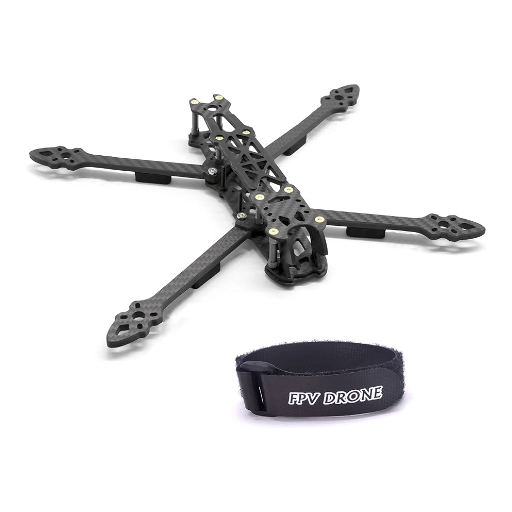
To maintain the quality of your CNC machined parts, observe the following guidelines:
With these guiding pointers, achieving efficiency in producing CNC machined parts should not be difficult.
Quality control in CNC machining ensures customer satisfaction, pinpoint accuracy, and optimal performance. Through the meticulous processes of a manufacturer, quality standards are continuously achieved. Here are some measures that can be taken:
The expectations of consumers can be exceeded through these approaches as CNC components would undergo superior quality enhancement.
Deficient communication and documentation, poor material choice, control programming, and neglecting cooling mechanisms are common problems in part manufacturing, together with tool displacement, workholding restraints, tool erosion, chip control, and tolerance discrepancies.
| Issue | Description | Solution |
|---|---|---|
| Tool Deflection | Inaccurate cuts | Use rigid tooling |
| Chip Control | Poor surface finish | Optimize chip breakers |
| Workholding | Part misalignment | Use custom fixtures |
| Tool Wear | Frequent breakage | Regular inspections |
| Cooling | Overheating tools | Use proper coolants |
| Programming | Code errors | Simulate programs |
| Material Choice | Hard-to-machine | Select suitable types |
| Tool Runout | Uneven finishes | Maintain precision |
| Tolerances | Tight specs missed | In-process checks |
| Communication | Misunderstandings | Clear documentation |
A: CNC machining refers to the computer-controlled manufacturing process of creating precise drone components. This technology is essential for producing high-quality drone parts that require precision and durability.
A: Rapid prototyping allows manufacturers to quickly develop and test drone prototypes, enabling faster iterations and improvements in design. This process is crucial for the competitive drone market, where innovation is key.
A: Aluminum, carbon fiber, and various plastics are common materials for CNC machining drone parts. These materials are chosen for their strength-to-weight ratio, vital for drone performance.
A: Yes, many manufacturers offer custom parts for drones. These customizations can enhance the performance and functionality of your drone, allowing for tailored solutions to meet specific requirements.
A: CNC-machined drone components are used in various applications, including racing drones, aerial photography, surveying, and agricultural monitoring. The precision machining ensures that each part meets the high demands of these applications.
A: CNC turning is a manufacturing process where a rotating workpiece is shaped by cutting tools. This technique is commonly used to create cylindrical parts for drones, ensuring dimensions and surface finish accuracy.
A: CNC machined parts provide several advantages, including high precision, repeatability, and the ability to manufacture complex designs. This ensures that drone components consistently meet strict quality standards, whether for prototypes or production.
A: Precision machining is crucial for creating drone accessories. It ensures that parts fit together seamlessly, enhancing the drone’s overall performance and reliability. This is particularly important for parts that must withstand dynamic conditions during flight.
A: To ensure quality, work with reputable manufacturers who utilize advanced CNC technology and have strict quality control processes in place. Look for manufacturers experienced in producing parts for the drone industry to guarantee that your parts meet industry standards.
A: Examples of CNC-machined drone spare parts include frames, propellers, landing gear, and motor mounts. These components can often be made from metal or high-strength plastics to enhance durability and performance.

Manufacturing processes are quite complex, and the choice of a production method is directly related
Learn More →
There are two major manufacturing methods for producing plastic prototypes that most people find useful
Learn More →
As a person involved or interested in the design and production of plastic components, it
Learn More →