

Manufacturing processes are quite complex, and the choice of a production method is directly related
Learn More →
The exceptional density of Tungsten, a material of concern to scientists, engineers, and manufacturers, has made it so popular. Tungsten is considered to be one of the most important materials in many industries, including but not limited to aerospace, defense, medical technology, and a couple more. What is so outstanding regarding Tungsten, and why are its many alloys a subject of attention? This article attempts to explain the science behind the extraordinary density of Tungsten and the benefits of its high-density alloys along with their uses in the real world. An industry expert, a researcher, or even just a curious person, this piece is intended to inform and inspire everyone.
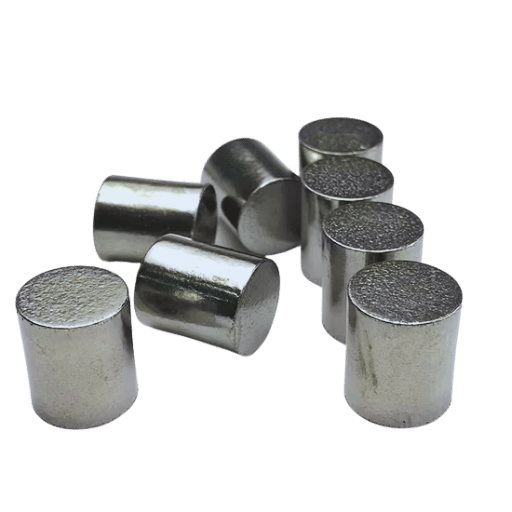
Tungsten rates remarkably high in density, estimated to be around 19.3 g/cm³. This makes it similar to gold and steel. It is one of the densest naturally occurring elements. The unique combination of strength, durability, and versatility of tungsten in various applications derives from its tightly packed atomic structure and remarkable density.
The high density of tungsten is attributed to its closely packed atomic structure, which has very little space. Measured at 19.3 g/cm³, this value is classified along with gold and is significantly higher than steel, aluminum, or other materials. The unique properties offered with the density of tungsten make it indispensable for use where strength, stability, deformation resistance, and other critical traits are needed, such as in aerospace, medical imaging, and industrial manufacturing.
The differences in atomic structures, atomic mass, and solid-state arrangements of tungsten and lead account for why tungsten is denser than lead. The atomic mass of tungsten is 183.84 u and that of lead 207.2 u. Even so, lead’s atomic mass is larger because tungsten’s atoms are more tightly packed due to it having a body-centered cubic (BCC) crystal structure along with its significantly smaller atomic radius of roughly 1.39 Å relative to lead’s 1.75 Å. This more compact arrangement of atoms results in fewer voids, thus increasing density.
Moreover, the increased density of tungsten relative to lead is the result of its electron configuration, as well as the greater number of protons and neutrons present in the nucleus. Tungsten’s atomic weight is located within a more limited volume than that of lead, which is weaker and constructed with far looser atomic spacing due to having a face-centered cubic (FCC) lattice structure. These last factors increase tungsten’s density to 19.3 g/cm³, surpassing lead’s density of 11.34 g/cm³, which makes lead’s applications lesser range, unlike tungsten, which can be used for advanced technology such as military-grade shielding and high-performance tools and equipment.
Tungsten’s astonishing density is due to the high mass of its atomic nuclei coupled with the efficiency of its body-centered cubic (BCC) crystal lattice structure. His atomic number of 74 reinforces the statement since it indicates a considerable number of protons in the nucleus, therefore producing exceedingly heavier atoms relative to its other elements. It is critical to highlight that the atomic mass of elements plays an immense factor in determining the BCC density. Advanced Materials cites that tungsten’s density is greater than other metals due to the tightly packed atomic arrangements. It’s lattice.
Undoubtedly, tungsten has an atomic mass of approximately 183.84 atomic mass units (amu), establishing it as one of the dense elements to naturally occur within Earth’s crust. His attributes of superb tensile strength and exceeding melting point of 3,422 degrees Celsius substantiates his application in several scientific and industrial frameworks. When compared with lead, an element of Atomic number 82 and mass number 207.2 amu, tungsten claims the advantage of superior performance under harsh environmental stress due to its nesting density.
The above-mentioned features make tungsten essential in aerospace, nuclear science, and electronics, which require materials to endure extreme mechanical stress, intense heat, and radiation. The atomic number as well as lattice structure and high mass of tungsten make it one of the premier choices for applications where density and strength are required.
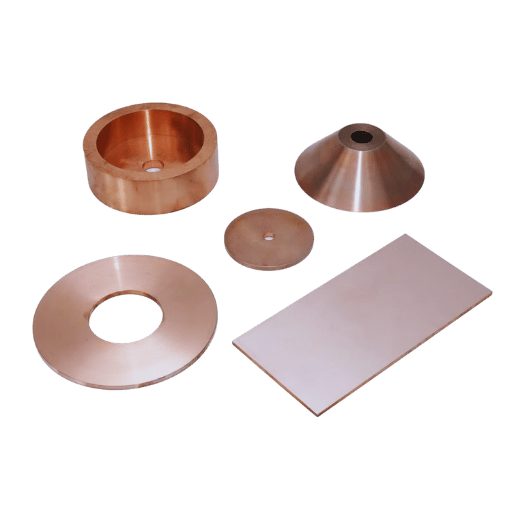
Tungsten is one of the heavy metals with uniqueness owing to its density, melting point, and tensile strength. About density, it is estimated that tungsten has approximately 19.3 g/cm³, making it similar to gold. Comparing it to other heavy metals, Lead (11.34 g/cm³) and Uranium (18.95 g/cm³) are significantly lower than tungsten. The high density of tungsten makes it more desirable in applications that require compactness, precision, and mass, where counterweights and ballast are often used.
Tungsten’s melting point is another defining characteristic which is extraordinarily high at 3422ᴼC, the highest of all metals. Uranium is known to melt at 1135ᴼC and Lead at 327.5ᴼC which is significantly lower than tungsten’s melting point. It also means that Tungsten can withstand temperatures well beyond the melting points of most metals without losing structural integrity, something most metals can’t do.
Furthermore, tungsten exhibits one of the highest tensile strength of all pure metalsbeing at approximately 1510 MPa. In comparison with lead, whose tensile strength is 17 MPa, this achievement is noteworthy. This added strength is one of the main factors that contribute to the use of tungsten in heavy-duty tools and the military industry, where endurance is critical.
Although other heavy metals like iridium and osmium have comparable densities of 22.56 g/cm³ and 22.59 g/cm³, respectively, they do not possess the remarkable melting point and mechanical strength of tungsten, which restricts their use in wider industrial applications. The distinct blend of tungsten’s properties establishes it as a primary material utilized for sophisticated technological applications.
Owing to their exceptional strength, unparalleled temperature resistance, and high density, high-density tungsten alloys find utility in various critical industries. Here’s a comprehensive summary of some of their most important uses:
Aerospace Industry
The use of tungsten alloys in aerospace is predominant for the fabrication of counterweights, vibration dampeners, and ballast weights in aircraft and spacecraft. The alloys’ high density contributes to the precision of weight allocation within confined spaces, which optimizes vehicle performance along with improving stability during maneuvering and aerodynamics in-flight.
Medical Sector
The alloys are utilized in the making of radiation shields for medical imaging devices like x-ray and CT scan machines. Their densely structured supports don’t just block radiation but do so in a compact manner, meaning patients and medical professionals get phenomenal protection while compassionately shielding them from dangerous medical imaging radiation.
Defense and Military Applications
Tungsten alloys are their primary material for kinetic energy penetrators, missile warheads, and armor-piercing ammunition. With such high density, mechanical strength, and penetration capability, they are crucial in modern defense systems.
Electrical and Electronics Industry
Owing to the high thermal and electrical conductivity of tungsten-based alloys, they are employed in the manufacture of ultra-performing electrodes, contacts, and heat sinks. They become exceptionally useful in places that encounter demand for extreme heat and pressure.
Oil and Gas Exploration
Tungsten alloys are used to produce parts for drill bit weighting and radiation shields in logging devices. Their strength is important in rough settings, such as high-pressure and high-temperature drilling, as well as in high-temperature environments.
Automotive Industry
In motorsport and luxury cars, tungsten alloys are utilized to balance crankshafts and other engine parts. This improves the overall functioning of the engine.
Sports Equipment
They are used in the production of golf clubs, tennis rackets, and fishing rods. The additional density of tungsten alloys improves the accuracy and control in these sports.
Nuclear Applications
They are crucial components of the nuclear energy systems because they fabricate the radiation-shielding materials for the system. Their extreme heat tolerance also qualifies them for elements of the reactor.
Tooling and Machining
Cutting tools, molds and dies are manufactured from high density tungsten alloys. Their wear and hardness enables precision machining of small parts of extremely hard materials.
Research and Development
In scientific experiments tungsten alloys are present in most components designed for particle accelerators and beamlines. The particle beams and radiation is managed more precisely due to the dense structure of tungsten.
The high-density tungsten alloys continue to be in demand due to their extensive applications in various industries. This is because their superior mechanical properties ensure consistent innovations in technology and industry.
Tungsten’s remarkable properties are due to its exceptional density, which is measured at approximately 19.3 g/cm³, almost equal to that of gold and two times greater than lead. This remarkably high density can be attributed to a few key physical and atomic properties:
Atomic Structure
The atomic structure of tungsten is what makes it hold such density. Tungsten has 74 which gives it a relatively high number of protons and nucleons in the nucleus. It weighs approximately 183.84 amu, which is one of the highest in naturally occurring elements. This ensures that thier atoms are tightly packed, which makes the material denser.
Crystal Lattice Arrangement
At room temperature, tungsten transforms a body-centered cubic or BCC crystal structure. Coupled with its small atomic radius of roughly 139 pm, this arrangement yields efficient atomic packing. Although BCC does not compare to its face-centered cubic or FCC counterpart in efficiency, the intrinsically high atomic mass of tungsten offsets that fact, contributing to the density of tungsten.
Low Atomic Volume
Tungsten has an atomic volume of approximately 9.53 cm³/mol giving this element the ability to occupy less space in form of gaseous or liquid. Such compactness using the bound ensures a greater mass per unit volume while expanding its highly unparalleled density amongst most transition metals which makes this attribute worthy.
High Nuclear Binding Energy
The strength of the binding energy of tungsten’s nucleus contributes to the significant weight of the element as well as the stability of the nucleus. The strong nuclear forces keeping the nucleus intact indicate the high energy value at which the particles can be broken apart. This also reinforces its mass and dense characteristic.
Due to these characteristics, Tungsten is an invaluable resource for areas that require high-density materials for use in radiation shielding, counterweights, and military grade penetrators. The unique physical properties of tungsten, together with its atomic weight and structural compactness make it dominate in many high-performance sophisticated scientific applications.
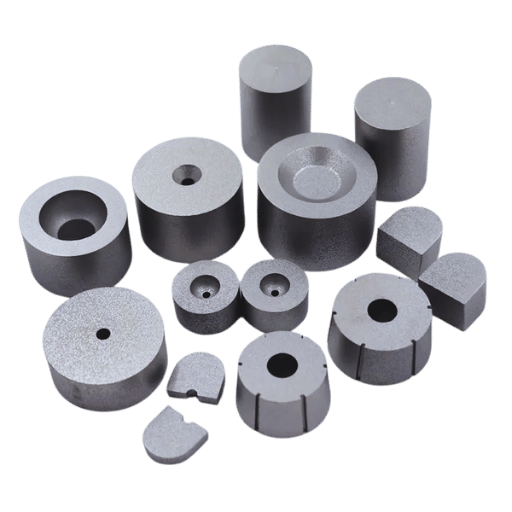
The demanding application of tungsten utilizes its remarkable density, exceptional hardness, as well as enduring tensile strength. The mechanical stress a tungsten specimen can endure before it deforms or breaks is shown through its Mohs hardness of 7.5 as well as its tensile strength, which can exceed 750 MPa. This characteristic is very beneficial in the aerospace and defense industries and the high-performance manufacturing industry where materials have to withstand extreme conditions.
The rigidity of tungsten makes it extremely difficult to bend or stretch, which is an advantage because it results in a material resistant to deformation under force. Additionally, its low coefficient of thermal expansion maintains structural integrity under extreme conditions like those above 3,400°C encountered in rocket engine nozzles and welding electrodes, which also demonstrates the strength of the material. These properties are enhanced further with the alloying of other metals such as nickel and cobalt, which improves the ductility of the tungsten alloy while ensuring it retains strength.
For instance, some researches indicate that tungsten alloys typically exceed 1200 MPa of tensile strength, permitting use in military armor and kinetic energy penetrators. Besides, tungsten’s high yield strength enables it to withstand compression forces, such as those encountered in the manufacturing of electrical contacts and components that need to resist vibration. This unique combination of attributes makes tungsten one of the unparalleled materials in industrial and scientific applications with striking performance characteristics.
It is my understanding that the melting point of tungsten, which is exceptionally high at 3,422°C (6,192°F), is largely due to its metallic bonds and crystalline structure, which remains stable even at extremely high temperatures. This property guarantees that tungsten retains its solid state in conditions where most metals would melt. Moreover, tungsten’s remarkable conductivity enables its use in electronic components as well as high-temperature filaments because of the density and mobility of free electrons within its structure.
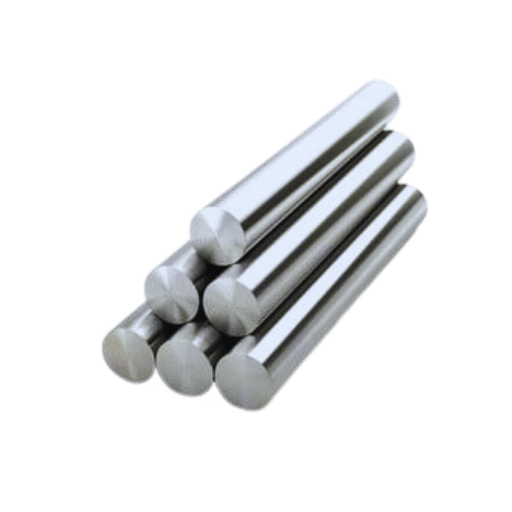
The production of tungsten alloys begins by adding tungsten’s pure tungsten into its alloys and extracting it from ores like scheelite (CaWO₄) and wolframite ((Fe, Mn)WO₄). Once tungsten is isolated, refined, and turned into powder through chemical processes, it is ready for alloy production.
Tungsten alloys are produced through metallurgy techniques like blending tungsten powder with nickel, Iron, Copper, or Cobalt. Each of these metallic powders provides a unique characteristic to the alloy based on what is required. For example, Nickel and Iron improve ductility and machinability while Copper enhances thermal and electrical conductivity. All of the supplied powders are mixed thoroughly and undergo a compaction stage where they are pressed into shape under high pressure to ensure a uniform composition.
Now, the new shape has to undergo high temperature treatment referred to as sintering. At this stage, the powder must be kept at a specific temperature below its melting point and treated with controlled atmosphere conditions. The particles will now bind together to create tungsten’s strong solid structure that provides other alloys with enhanced strength and sintering.
The production of tungsten alloys is crucial for changing its impressive properties, beginning by extracting tungsten from ores. Once isolating the tungsten, it is processed into powder which is refined and suitable for alloy production.
Like many other alloys, advanced tungsten alloys undergo production testing and adjustments until they satisfy certain requirements. For instance, tungsten heavy alloys (WHAs) are comprised of 90–97% tungsten by weight. Their extreme density allows them to be extensively utilized in medical radiation shielding, counterbalances in the aerospace industry, and military-grade penetrators. Tungsten-copper alloys, however, are distinguished by their remarkably high thermal and electrical conductivity, which make them crucial in the fields of electronics and electrical discharge machining (EDM).
The unique features of tungsten alloys, such as high melting points and exceptional tensile strength, alongside extreme compositional versatility, make them critical in industries which require materials able to withstand severe conditions.
The remarkable hardness and wear resistance of tungsten carbide make it an important constituent of many advanced alloys, which pave the way for its use in industrial applications. Tungsten carbide is comprised of equal portions of tungsten and carbon atoms, achieving a hardness of roughly 9 on the Mohs scale, just below that of diamond. As such, tungsten carbide alloys are critical in sustaining infrastructure in the mining, manufacturing, and engineering industries.
Tungsten carbide is primarily used in the production of cutting tools and machining equipment. For instance, the tungsten carbide alloy tools have been found to retain sharpness and edge integrity throughout high-speed machining processes on challenging materials such as stainless steel and titanium. Furthermore, research suggests that tungsten carbide tools have a wear resistance that outperforms traditional steel tools by as much as 100 times.
Moreover, these alloys are also used in drill bit manufacture for oil and gas exploration due to their extreme compressive load and abrasive environment endurance. The incorporation of tungsten carbide greatly increases the lifespan of drill bits, decreases maintenance work, and lowers operational costs.
Thermal stability is of utmost importance. Tungsten carbide can keep its strength as well as its resistance to deformation at high temperatures above 1000 °C. Because of this, tungsten carbide is useful in applications such as die-casting molds and aerospace parts. For example, turbine blades and the thrust components of engines, which are fitted to the engines and exposed to intense heat and severe mechanical stress, are manufactured by employing tungsten carbide alloys as the key materials.
It is also useful in other alloys for its corrosion-resistant properties as well which showcases the adaptability of tungsten carbide. In combinations with nickel or cobalt based matrices, tungsten carbide performs excellently in highly acidic or saline environments, which is essential for the marine, chemical, and petrochemical industries.
All in all, the unique combination of hardness, thermal stability, and corrosion resistance of tungsten carbide continues to drive innovation in numerous domains. The effect of these properties reinforces the importance during technological and industrial development.
Precise controls of properties by Tungsten alloys can only be achieved by using powder metallurgy which, in turn, is one of the essential processes in their production. Starting from here, the various steps that come next involve the mixing of Tungsten alloying elements with Tungsten powder, ensuring consistent distribution of particles. After this step, uniaxial and isostatic pressing can be employed to compact the mixture into the desired shape with high pressure. After compaction, the material is subjected to sintering, which includes the heating of the material in a controlled atmosphere to the region just below its melting point. Mechanical strength and density are further enhanced by additional heating during the final step. These are the reasons why powder metallurgy is preferred for high-quality and performance tungsten alloys.
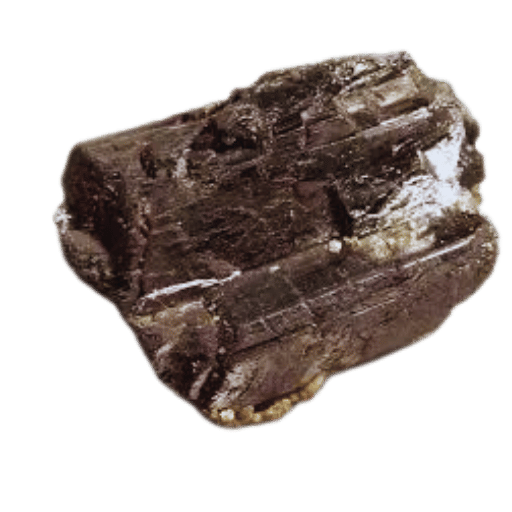
The microscopic structure of tungsten greatly impacts its functioning in various industrial applications. Tungsten possesses a BCC crystal structure, domineering portions of striking quality and attributes, such as an exceptionally high melting temperature alongside remarkable strength, even in heightened temperatures. The processing route and material purity are largely responsible for the grain structure of tungsten. Additionally, fine-grained tungsten demonstrates superior mechanical and thermal characteristics.
Tungsten is known to have a pure tungsten form with an exceedingly high melting point of 3,422 °C (6,192 °F), considering the bond’s strength within the crystal lattice, attributed to the strong Pure tungsten’s crystal structure bond. The material is known to also have a high density, over 19.25 g/cm³ which makes it suitable for applications requiring great mass within tight confines, like radiation shielding. This, along with other reasons, makes it useful in various industries. However, this form of tungsten is brittle, making it less ductile under cold temperatures. These factors make it less favorable because of the microstructure’s impurities and defects.
The microstructure of tungsten can be tailored for specific applications, as revealed by advanced analytical techniques like scanning electron microscopy (SEM) and transmission electron microscopy (TEM). Alloying tungsten with small amounts of rhenium, for instance, improves ductility while maintaining most of the mechanical strength and hardness. This ability to modify the properties of tungsten alloys has made them vital for use in highly demanding environments such as the aerospace and nuclear industries.
Newer methods in powder metallurgy and additive manufacturing have further controlled the microstructure of tungsten, resulting in materials with uniform grain size and lower porosity. Such advancements have produced materials with higher thermal and electrical conductivity as well as improved resistance to wear, broadening the scope of applications in electronics, medical devices, and precision machining.
Pure tungsten and tungsten alloys differ considerably, and so do their uses:
Pure Tungsten
Tungsten Alloys
These differences emphasize pure tungsten’s practicality in extreme environments, whereas tungsten alloys provide wider mechanical flexibility and structural durability for various engineering applications.
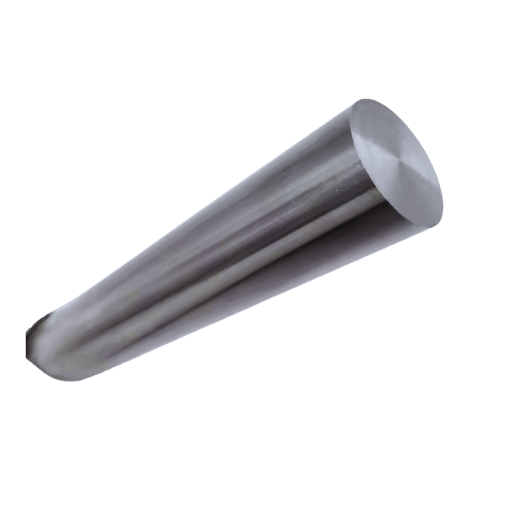
A: Tungsten is one of the densest elements, with a 19.3 grams per cubic centimeter density. This is due to the atomic structure of tungsten being closely and efficiently packed together.
A: The high Density of tungsten, as well as its high melting point and strength make it valuable for use in heavy industrial applications such as aerospace parts and radiation shielding.
A: Tungsten can withstand extreme heat without melting, making it perfect for use in high-temperature applications, such as in filaments and for high-temperature machining because it has the highest melting point of 3422°C.
A: Its atomic number, 74, refers to the number of protons in an elemental tungsten atom. The symbol W stands for wolfram, which came from the mineral wolframite, a tungsten source.
A: Their strength and high density make high-density tungsten alloys useful in the radiation shielding of medical and industrial equipment, counterweights of airplanes, and ballast keels of yachts.
A: Tungsten powder is utilized in the process of sintering tungsten metal and high-density tungsten products. Sintering entails shaping the powder by compacting it and applying heat to transform it into a solid piece.
A: Tungsten’s density of 19.3 grams per cubic centimeter makes it one of the densest metals. This property is crucial for applications requiring high mass in small volumes, such as counterweights and vibration dampers.
A: In aerospace, components such as balance weights that are needed to be dense but small, and thus, aid in flight stabilization, rely on tungsten’s high density.
A: Tungsten’s high density and high melting point slow down extreme conditions in high-temperature furnaces, resulting in longer operational time without fail; thus, ultrasonically welding electrical contacts improves the durability of the nodes, and tungsten can maintain its form while bearing intense pressure inside.
A: Tungsten’s hardness and brittleness make it a difficult material to machine. Often, one needs specially designed tools and techniques that will be able to efficiently machine tungsten without damaging it.
1. On the Way to Selective Laser Melting of High-Density Tungsten
Overview:
Important conclusions encompass:
2. Mechanical and thermal performance, microstructure, and densification of high-density tungsten manufactured using a selective laser melting process
Abstract:
Major take away lessons:
3. Selective laser melting additive manufacturing of pure tungsten: Role of volumetric energy density on densification, microstructure, and mechanical properties
Summary:
The major findings are:
4. The Consequences of Processing Parameters on the Microstructure, Strength, and Density of Pure Tungsten Created By Selective Electron Beam Melting
Abstract:
Notable contributions comprise:

Manufacturing processes are quite complex, and the choice of a production method is directly related
Learn More →
There are two major manufacturing methods for producing plastic prototypes that most people find useful
Learn More →
As a person involved or interested in the design and production of plastic components, it
Learn More →