

Manufacturing processes are quite complex, and the choice of a production method is directly related
Learn More →
In watchmaking, if there’s a concept that can be used to describe time, it is “precision.” It is the essence of watchmaking. Every detailed watch component comes from the innovation and advancement of technology, the bravura of engineers, and metallurgy, and this is all continuous in achieving the precision goals in watches. In all this, CNC technology and computer numerical control are constructive. This piece will provide in-depth insights on how CNC technology has changed the manufacturing of watch components, such that we can hardly talk about the improvement of accuracy, degree of perfection, and durability of the manufactured watch parts. Here we are going to learn about the CNC process in contexts classified to extremes in size, tiny gears will be easily manufactured. How else can we make watches that have lug-cases without overhang? For this purpose, let’s look at CNC from another point of view, reaching carved figures dimensionless in terms of the entire freedom. We explore the art of watchmaking by focusing on the period part of watches and their advancement in the shape of machine-produced parts. Join us as we trace the in-plane and the out-of-plane arts of horology, that is, the age-old art of making mechanical watches, against the backdrop of the ever-advancing progress of modern clock or watch technologies.
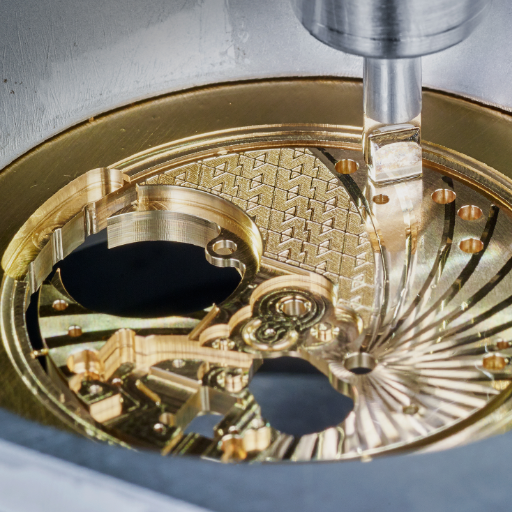
To produce watch components, the NC machinery staff is trained to use computers and CNC machines to accurately and precisely cut and shape the parts and finish by polishing the workpiece’s surface. The entire scheme goes down to creating a computer image of a required part from which its actual size and shape samples are achieved. This block automates the machining tools, can accept the developed design, and use one or several tools such as a cutter, turning machinery, or milling equipment to create a device with a high level of accuracy. This accuracy is often essential for the devices to work correctly in watch construction. The predominant choice of materials for wristwatches is the metal strap due to the extensive use of materials like stainless steel, titanium, or ceramic, which require even the CNC machine to make such artistic details repeatedly consistent across different parts. This machine makes it possible to use the narrow clearance between components and produce precise finishes necessary for such watches.
CNC (Computer Numerical Control) machining process is an elaborate, multi-stage, extended technique that is entirely made visual for the operator. The fabrication process relies heavily on the technology involved. The assemblage is characteristic of its three main stages:
The machining of workpieces starts with creating a computer-aided Design module. Engineers design the desired parts using software like AutoCAD, SolidWorks, or Fusion 360 and then make a 2D or 3D image of the components. The document generated through this operation can define strict dimensional measurements and variance values.
This is the step where the CAD file is transformed into a CNC-compatible format used in the CAM operations. This system creates G-code and M-code, which are instructions for the CNC machine to work on and perform actions like cutting, drilling, milling, etc. For example, there are codes (as a string of characters) such as “G01” for instructing the machine to cut in straight motion or “M06” for switching tools.
The CNC operator readies the CNC machine for operations. This usually incorporates inserting tools that will cut and shape the workpiece on the machine, fixing the workpiece, and checking the machine’s operation. This operation also involves programming cutting speeds according to the material being used—for example, tougher materials like titanium use lower cutting speeds than less tough ones like aluminum.
After the system completes the setup, the CNC machine shapes the part according to the entered commands. Utilizing various tools like drills, lathes, or mills, the system cuts into the material to complete the part’s geometry. Nowadays, CNC devices are designed to perfection with a reproducibility of ±0.001 inches; hence, they can produce the scantiest of components.
Finally, this stage aims to ensure that this part is within the tolerance limits of the designed features. This is done by making measurements with machines far more advanced than the digital calipers of LCEs, such as CMMs. In some industries, such as automotive and medical facilities, calls for parts with a tolerance level of one-tenth of the limit, there is a need for high standards of quality, focusing on fewer chances of errors.
CNC machining is integral to making watches because it is hard to produce fine watches and accessories without it. Technological progress using numerically controlled machines offers incredible specificity and regularity of production, which are valued the highest in the watch-making industry. Below are the key components often produced using CNC machining.
The watch case, which accommodates the many internal components, is the most viewed part of any watch and is often made by CNC machines due to the elaborate work and precision required. The materials in use typically include stainless steel, titanium, and ceramics. The intricate details, most specific buttons, lugs, and crown protectors, are designed with the likeness of all machines, and even the general body design with other appendages such as the shoulder pad. With a luxury watch case, the expected tolerances can go +/−0.002 inches.
Watch hands may be small, but their production requires sharp accuracy. Thanks to CNC metalwork machined out of fine alloys such as brass, aluminum, or steel, these hands can be flexible and straight. These alloys’ dimensions must suit the hands’ movement, most importantly, their thickness, and even balance exactly when taking the time, including the accuracy, which is usually in units of ±0.001 in inch place.
Gear train mechanisms assist the motion of mechanical parts; their application in moving time is a complex mechanism comprised of small, delicate movable gears that must be very accurately manufactured. Strategies of producing =oc gears as thin as 0.1 mm are also in use by functional use of more advanced or, say, today’s levels of CNC machining and Conventional CAM, i.e., Gear cutting Machines.
The part of the watch responsible for showing time is called the dial, and it benefits greatly from CNC machining. In most high-grade watches, solid-colored dials or dials with patterns like guilloche or diamond-cut textures are usually engraved, including CNC technology. This can encompass methods such as micro-milling and laser engraving to ensure the design is error-free and enduring.
The buckles and clasps inside a watch to secure the strap are machined to their precise dimensions for insertion and additional strength. A watch of these components has to remain in that good shape for a long duration, so CNC machining technology is preferred with strong metallic materials such as stainless steel and titanium. Final touches of the part, either in polishing or anodizing, complete the making of the component.
Bezels that surround the watch face and perform decorative and protective functions also tend to undergo machining to match their features, which also requires dynamic machines. Dynamic machines ensure that, especially in cases like ISO850 watches, where bezels come into use, every peak matches a particular dent, which is why the process is assisted with computerized area machining.
Expensive equipment like CNC (Computer Numerical Control) plays a critical role in every development of the watchmaking field. This is ideally given by the millimeter precision width that the craftsmen apply in elevated-complexity structures such as wristwatch cases, faces, spirals, and bezels. This is necessary to enhance the fluidity of movement, seal the body, and ensure the proper servicing of the watches—the main features of complicated and very expensive timepieces.
In its turn, the new CNC technology trends have made it possible to invent the 5-axis CNC machines, which stand for the ability of those machines to move side to side or tilt during the machining processes. E.g., this advanced technology makes skeletonized dials or off-center cases feasible, which would have been challenging to come up with previously. In addition, implementing innovative software has resulted in a short production cycle with a reduction in the ugly offcuts, thus optimizing industry environmental performance.
The global CNC machining market is expected to grow 7.4% from 2023 to 2030, with a Compound Annual Growth Rate (CAGR), with a significant contribution from the watchmaking sector to the CNC tools in the industrial sector. For example, brands such as Rolex, Patek Philippe, and Omega are renowned watch manufacturers who emphasize CNC machining for making quality parts with a good surface finish that look trendy.
In addition, CNC machines make it possible for watchmakers to work with new materials like carbon fiber instead of some metals like ceramics that are more difficult to machine or that few sectors use. Batch production for custom watches is possible, enabling further forms of customization, such as making special or limited edition watches. This bridge between art and science positions CNC technology as one of the leading components of the progress in watchmaking today.
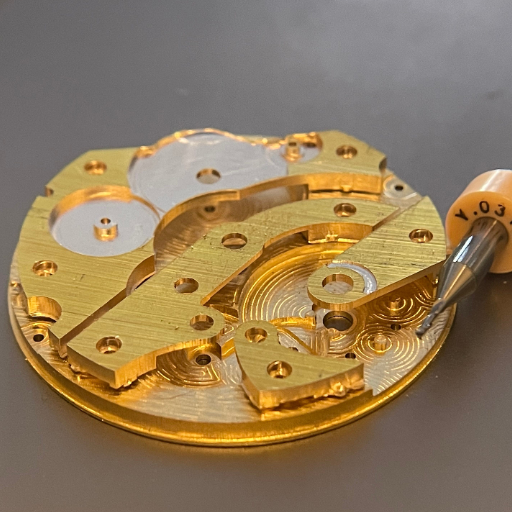
Watch parts made with Custom CNC technology are known for reliable perfection, enabling the watch makers to realize even the most difficult designs with guaranteed performance. These parts are modified to the standard size, considerably reducing the time spent fitting them up and the stiffness of the whole actuating device. CNC Technology provides a high level of modification, a wide variety of aesthetic appeal enhancements, and satisfies an individual’s needs. Besides, it is beneficial in making production more effective in terms of time with no output, thus highly reducing the wastage levels and the cost of production, together with ensuring standard quality. By employing bespoke elements, watch makers can reinvent the wheel and devise an uncompromised timepiece for utilitarian purposes.
When we discuss our custom-made cnc parts, the measurement’s production descent is pretty accurate, and ±0.001 inches is the lowest. This is a mandatory condition in such industries as aerospace, the medical field, or any other.
Production with the use of cnc machinery is always fast-paced. This process never hampers the task’s original quality. Without any arguments to the contrary, it minimizes the physical wastage, which otherwise would be composed of multiple changes during the machining, while also adding to the total carbon footprint.
This technology is applied to various design specialties, typically making complex designs possible and low-cost. This is crucial, especially for designing prototypes and low-volume production.
The cnc parts fabricated by ZYMT are made from high-quality materials such as steel, titanium, and some rigid plastics. This ensures that they can withstand harsh conditions and exhibit a more remarkable performance in the process.
Since cnc machining uses programmed and computerized machines for operation, there are better chances of reducing errors in the production process. Product quality is therefore easier to attain, and the risk of rework is also reduced. Time and resources are thus saved.
Industries like aerospace, automotive, and medical require very high-quality machined parts, and even a small degree of error is not tolerable. To achieve the ultimate accuracy, advancing CNC technology has played a significant role. As reported, modern CNC machines can produce pieces within tolerances of ±0.005 mm (±0.0002 inch) depending on the type of machine and the workpiece used. Such precision ensures that the components are well fitted and correctly perform their functions in the complex assembly structures.
One essential aspect of accuracy double-checking is the incorporation of real-time monitoring and feedback control methodologies. The new CNC machines have sensors and software to detect deviations and correct the processes. In particular, the thermal sensors can track temperature changes and the consequent material expansion; thus, cutting operations are corrected as required to maintain dimensional precision. Studies have shown that such systems increase precision up to 30 percent compared to traditional machining techniques.
Again, wearing out tools or even replacing them is very important when safeguarding precision. Investigations have revealed that regular inspection of cutting edges will protect them from wear and maintain unwavering performance. Advanced machining errors can be avoided and minimized when machines are changed from manual to CNC type, with automatic tool changes, including wear amount.
Lastly, the two critical factors that are looked into during the material removal process are the selection of material and the control of environmental factors. High-precision machining is best with stiff materials less likely to distort, like titanium and high-end alloys. Equally critical is the controlled environment that prevents material and machine expansion due to changes in temperature and humidity, hence maintaining repeatability of the process.
These improvements are why CNC machining is a common practice in demanding industries: it increases work efficiency, reduces undesired products, and ensures safety for product consumers.
Luxury watch brands and boutique labels have introduced advanced and modern technologies like laser marking, CNC cutting, and 3D printing to produce exceptional products that meet their requirements.
Dial customization options on watches are usually restricted to particular palettes of colors, etchings of logos or signs, the client’s indices, and drawn lines. Other types of dials, such as enamel, guilloché, and setting of precious stones, are common trends, making the luxury watch more elegant, but not for everyone. Show more than 12% global growth in personalized luxury timepieces within the past year, as customers want something new and exclusive.
Customers should design noises constructed with titanium, carbon, ceramic, and steel; the customized options would preferably have all four elements. Clients frequently choose finishes, including exposed or non-exposed polished, textured, and ribbed surfaces. Moreover, with modernisation within CMC, creating rounded trapezoidal cases has become conceivable, overcoming the traditionally shaped watch cases. Data from 2023 estimates that customized watch cases enhance the industry’s growth by 15% annually.
These customization trends reflect the confluence of old practice with the technological age. This creates a well-balanced, vivid market where consumers actively design the objects. Attention to detail, like the face covering and the case, makes each watch a portrait of the owner.
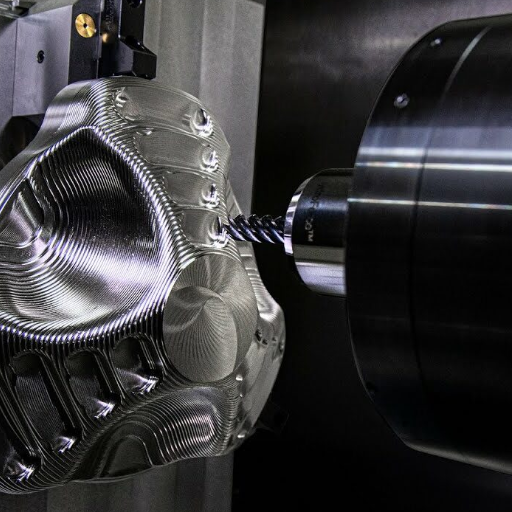
Producing watch components using CNC machines, titanium, and other chemicals requires a lot of accuracy. This is directly attributed to a few properties, such as its extraordinary lightness, corrosion resistance, or even the fact that titanium is ideal for machining fully sealable and soft time-measurable parts. There is still more, of course, as the material’s biocompatibility also means that prolonged contact with skin is not harmful. There is still a lodging, as steel and aluminum are devoid of them, and their balance of wear, work, and strength is also appreciated. Through these types of materials, it is possible to get components of good quality that are durable and comply with all precision requirements, even for luxury watchmaking, in the long term.
Titanium represents a remarkable decrease in repetitive strength-to-weight ratio, which means it is much lighter than steel but capable of resisting higher attack levels. This makes it ideal for the manufacture of robust but comfortable timepieces.
Titanium is more resistant to atmospheric deterioration, such as saline water, organic impurities, and sweat. This paves the way for high-performance and keeps the watch design and style intact under extreme circumstances.
The medical field has already stressed the propagation of the new material titanium due to its superiority and biocompatibility, and safety from allergies is the most significant. This is especially true for people whose skin gets aggravated if exposed to metals.
Titanium does not lose its structure under high or low temperatures. For these reasons, it is helpful in building watches that will always work, even under varying environmental conditions such as extreme heat or cold.
Although pure titanium is relatively soft, it is usually coated or mixed with other metals to make it more scratch-resistant. This implies that the beautiful and smooth appearance of titanium watches remains unaltered.
Steel is regarded as a material of high strength and durability. It can fabricate robust, long-lasting components for applications suggested for CNC machining. The presence of this material allows equipment to handle large weights and prevents its deformation, making it suitable for servicing even in more hazardous environments.
Steel’s multi-use compatibility helps it serve various industries, such as automotive and aerospace, as well as the construction and medical equipment industries. Using grades and alloys categorization makes it more comfortable to design components specifically targeted for a particular application.
Steel is cheaper than other refractory or super-alloy materials like titanium. Furthermore, it is extensively available and easily machined, so its practical application for large-scale production and rapid tooling is significantly encouraged.
Because of steel’s properties, very accurate machining operations can be carried out even for complicated geometries with limited clearances. Steel can also be enhanced with a mirror or smooth finish, making the product more appealing and user-friendly.
Forged and/or cast Steel of some maturing factors, like corrosion-resistant grade Stainless Steel or specific grades of tooling steels, is helpful in the machining of components where a high thermal and wear performance is desired. This, in turn, increases product performance in high-temperature tribological contact or cyclic loading environments to enhance service durability.
Surface finishes include polishing, grinding, bead blasting, and anodizing. Anodizing processes are Type I (chromic acid), Type II (sulfuric acid), and Type III (hard anodizing).
Here’s a concise table summarizing the key points:
|
Category |
Surface Finishes |
Anodizing Types |
|---|---|---|
|
Purpose |
Smoothness, texture |
Corrosion resistance |
|
Type I |
Chromic acid |
Thin, decorative |
|
Type II |
Sulfuric acid |
Durable, colorful |
|
Type III |
Hard anodizing |
Thick, wear-resistant |
|
Processes |
Polishing, blasting |
Electrochemical |
|
Applications |
Aesthetic, functional |
Industrial, decorative |
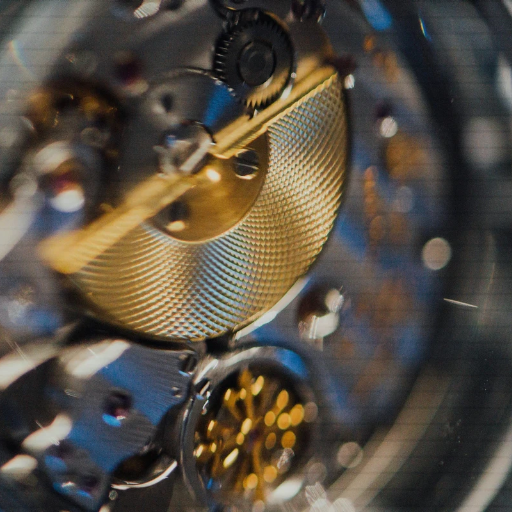
The role of CNC milling machines in watchmaking is essential as these help produce parts of the watch in precise quantities and with minimal variations. The equipment makes bezels, dials, gearboxes, etc., and other precision parts in watches. These are key to making elaborate patterns and surface finishes needed in producing top-end and high-performance watches. Moreover, CNC milling facilitates the workflow by reducing the overall production time while maintaining the stringent quality demands in watch fabrication. For these reasons, CNC milling is a must in the current processes of watch-making technology.
CNC lathe machines are primarily known for their accuracy and adaptability, making them essential for many occupations. By leveraging the innovative technology incorporated in them, the equipment can achieve the most challenging and complicated concepts. This would involve, but not be limited to, the following attributes found in CNC lathes:
The modern CNC milling machines used today have levels of precision that can go up to approximately ±0.001 inches. This is extremely important in specific industries, such as aviation, where the tiniest mistakes could lead to grave challenges, medical equipment, or even horology.
Most CNC machine controls today have either 3-axis, 4-axis, or even 5-axis capabilities. These additional axes are needed to control the tool movement to have greater freedom of machining workpieces with more complex geometries in a single stage or setup. For application, 5-axis machines can be used for intricate activities such as sculpting turbine blades and other talents like fitted medicine.
These machines support components of a wide range of materials, including metals, including aluminum, titanium, and steel, as well as plastics and composites. The special design of the tools used enables trouble-free operation on the hardest materials, while reducing the tool’s wear rate and errors committed during operation.
CNC milling usually operates with very high spindle speeds, sometimes reaching more than 20,000 rpm, limiting production time, especially for large quantities or minute features and parts.
To put it very simply, the CNC mill is a godsend. It is equipped with an automatic tool changer, which changes the breakdowns of the machines from the task and gets inserts of these two pieces with the help of ATC, and this reduces precious time and makes the changes of the tools faster.
Tolerance technology is another differentiating factor in most NC mills, contributing to the huge designable range offered. CNC milling machines contribute significantly since they prevent deviations in each production lot, which is essential in sectors where the level of quality is linearly proportional to high quantities.
Currently, many CNC systems are also designed for CAD/CAM, and individuals can perform engineering in 2D, model 3D, and create relief objects. To maximize efficiency, there is also an option to integrate auxiliary functions such as real-time monitoring equipment and send feedback using the internet from a safe distance.
CNC milling machines strike a good balance between a custom approach and volume production—they are designed to cater to both. They are excellent for phase projects, which, by the way, are very chaotic in many workshops, and they are also ideal for repetitive production procedures.
Moreover, the CNC machines market is projected to expand at an annual growth rate (CAGR) of 5.9% between 2023 and 2030. This sustainability is mainly attributed to various improvements in automation strategies and the demand for such machines in the auto, military, and healthcare industries. The fact that space-saving CNC milling machining is at intervals of less than a decimeter, and present demands highly complex surface details, is a strong indicator that this equipment has come a long way.
It is a highly refined procedure for manufacturing watch parts that is fundamental to acquainting oneself with substantial truthfulness. Currently, some watches are envisioned to have tiny units that may be even smaller than or a little more than a small fraction of a millimeter and, therefore, rely on CNC milling techniques. This process lists computer systems as the determinant of incredibly tight manufacturing instructions that enable the production of gears, bridges, and other watch parts.
The standard procedure calls for the fabrication of a draft… or rather a geometrical arrangement of a component which is generally first created as a 3D model on a desktop computer. After the client approves the geometrical configuration, lathes and milling machines are used to fashion structures from laminates of metals like steel, titanium, or brass. Some examples of bespoke CNC machines made for the high-end watch industry, for instance, boast the ability to produce parts with accuracies within 0.002 mm, necessary for the precision rotation of gears in a watch.
With the most recent advances in the CNC world, for example, the inclusion of 5-axis machining, it is possible to make more complicated designs with fewer components, thereby cutting down the cost of manufacturing and increasing the quality. While this machine might take longer to purchase, it pays for itself in increased production speed and provides high-quality surfaces for luxury watch components.
After emptying the conventional drilling machine of its contents after it has drilled so many beads on the watch, the next stage is milling. Handwork is confined to flowing silks, and instead, drilling is a technical operation as pre-machining and boring revitalizes the drill. Micro-drilling, the most critical process in the manufacture of watches, also occurs at this point. Tiny openings of less than 0.2 mm in diameter are required on the templates and dials of watches. This is achieved using high-speed air or electric spindles and related drill jigs. Because every drill marks a point on the dial, the operation is delicate and advanced accuracy is required to cope with the limited registers of screws and jewels hanging in place.
It is also essential that a watchmaker be installed in watchmaking as a quality control practitioner. To make things worse, in every single instance, the advanced CNC systems were found to be coupled with optical measurement equipment and laser scanning equipment for on-the-spot cross-checking of every component against the installed preset criteria, making the entire manufacturing process defect-free. This manufacturing model works well in high-end luxury watch outlets such as Rolex, Patek Philippe, and Audemars Piguet because it also upholds brand prestige.
Ultimately, the breakthrough use of CNC technology, available in its vanguard form, has enabled modern watchmakers to merge their timepieces’ mechanical wonderment with heartless industrial process efficiency, thus opening ways to mass and within customer reach custom luxury watch production.
Producing precise parts using CNC milling involves deploying advanced technology, having programming skills, and being finicky when examining the end product. I take care of the assets necessary to generate the best-quality machined parts and build CAD drawings, validating every operation. I emphasize meticulous readjustment of the cutters, mainly because I exclusively use top-grade cutters, which demand it. It remains just to ensure the accuracy of the sizes of all parts concerning the requirements. Generated pass 2. I leave you with this definition of calibration and maintenance, showing that these aspects play a vital role in solving the problem.
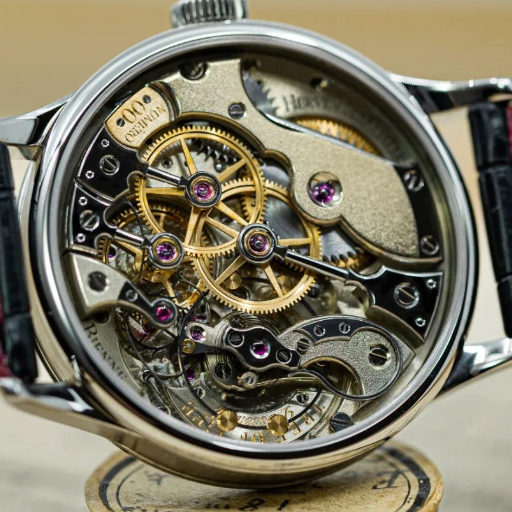
Several difficulties are faced when the CNC machining of watch components is involved. This is because these components are small and delicate; therefore, handling and machining errors are minimized. These problems pertain to accurate measurement and the proper surface preparation. Even a minute error in the finishing can mar the utility and visual characteristics of the watch. Furthermore, using materials, especially the right ones, becomes even more critical so that they are long-lasting and easy to machine. There is also the issue of batch-to-batch uniformity, which requires both complex equipment calibration and significant human efforts to supervise usage.
It is crucial to know how to deal with deviations in the tolerance specified in precision CNC work so that the final product is error-free and meets the intended specifications. Tolerance can be considered the permissible error in making parts, enabling them to fit together without problems. Thus, for example, in aviation, medicine, and watch engineering, any deviations from maximum dimensions can fail to provide protection, wear medication properly, or even threaten someone.
Controlling tolerance properly involves using fine CNC machines and optimizing the locations of sensors and electronics for automated quality testing. Real-time technologies help avoid these issues by catching and reducing them before the end of production. Furthermore, the risk of wrong design of parts is decreased by leveraging simulation technologies, which test components before commencing manufacturing orders. By using all these aids and still having fine crossers, engineers can reach a higher technological level that would satisfy the industry codes in which the factory operates and the type of products customers produce and order.
The prototyping stage in the production and design process is delicate and essential as it links a product’s idea and its actual production. Several proficient technologies, such as CAD software and prototyping with the help of professional elements, are used to achieve that.
Industries are increasingly taking advantage of 3D printing for making prototypes, as it is a quicker and more economically wise choice. This technique allows more manageable increments, less physical resource wastage, and faster rectification of designs. Furthermore, intra- and inter-departmental cooperation among – for instance – mechanical and commercial units, is essential in aligning the prototype with both device requirements and end-users’ expectations. Using modern techniques and integrated working processes in the early stage of product development inspires visionary revolution in the product design process by enabling the development of functional and market-ready products.
Ensuring that the production of CNC parts is top-notch and accurate can never be attained by precision engineering alone. Within these circumstances, strict quality assurance or quality control, and untaught application of state-of-the-art technologies come to bear. With one ‘introduction’, adhering to specific design criteria demands using reliable materials, practical CNC machine tools, reasonable machining, and optimizing machining parameters. Moreover, the Production process at any site has the potential for defects and materials detection in real time through more advanced monitoring, which can help decrease the number of failures that result in waste of materials and rejection of parts produced – such are most likely facts.
There is also a need to embrace proper guidelines to ensure that all measures are driven towards obtaining the necessary goals and objectives of the organization, such as ISO 9001. The periodic check-up and auditing of machines and compliance with the standard operational procedures also add to the quality and lifespan of CNC-based equipment. In welding, for instance, adding the intelligent way of managing logistics promotes the idea of equilibrium in the system because all manufacturing process activities are under proper control. In most cases, trends can be analyzed and maintenance schedules can be predicted. There is an improvement in production by the available advanced tools of data analytics and AI technology, as expected, while looking at this research’s current and future state. Hence, environmental awareness and technology in the modernized world are improved while meeting the users’ needs, ensuring that only the best CNC pieces are used for industrial and final users.
A: CNC machining uses automated, computer-controlled tools and machines to produce precise parts. In watchmaking, it is used to create critical components like the dial and hands, ensuring high-quality CNC watch parts with high precision.
A: CNC machining offers advantages over traditional methods, including higher precision, efficiency, and the ability to produce complex shapes. This automated machining process reduces manual intervention, allowing for consistently producing small and intricate metal parts.
A: A CNC machining service ensures precision and accuracy when fabricating watch parts. It allows for rapid prototyping, customization, and large-scale production while maintaining a high level of precision essential for timekeeping devices.
A: CNC machining is ideal for producing parts for CNC machining, including those needed for an Apple Watch. The process can create precise parts and metal components required for smartwatches’ sleek design and functionality.
A: Common materials for CNC machining in watchmaking include stainless steel, titanium, and other durable metals. These materials provide the necessary strength and appearance for high-quality CNC watch components.
A: CNC turning is a machining process that produces cylindrical parts by rotating a workpiece while a cutting tool shapes it. This process is crucial for creating precise parts like the case and crown in watches, ensuring they fit perfectly with other components.
A: Engraving is an aspect of CNC machining that adds decorative or informative details to watch parts. It enhances the watch’s appearance and can include branding, serial numbers, or intricate designs, adding to the overall value and uniqueness of the timepiece.
A: Precision and accuracy are paramount in CNC machining for watchmaking, as they ensure each part functions correctly and fits seamlessly with others. A high level of precision is crucial for the timekeeping accuracy and longevity of the watch.
A: The future of watchmaking with CNC machining looks promising, as technological advancements continue to improve the precision, speed, and versatility of CNC machines. This will likely lead to new designs, materials, and functions in watches, enhancing their role as fashion items and precise timekeeping devices.

Manufacturing processes are quite complex, and the choice of a production method is directly related
Learn More →
There are two major manufacturing methods for producing plastic prototypes that most people find useful
Learn More →
As a person involved or interested in the design and production of plastic components, it
Learn More →