

Manufacturing processes are quite complex, and the choice of a production method is directly related
Learn More →
With regards to peak performance as well as durability cycling, the components of a bicycle make all the difference. CNC (Computer Numerical Control) Machining specialty shops have modernized the way bicycle components are produced, offering unmatched precision, strength, and reliability. In this article, I will discuss the gains from CNC bicycle parts versus traditionally produced ones concerning performance, weight optimization, and longevity. Whether a professional cyclist or an enthusiast trying to upgrade their ride, knowing CNC machining benefits can help greatly while selecting components for their bike. Read further to uncover the transformations CNC bicycle parts bring to riders looking to achieve pinnacle milestones.
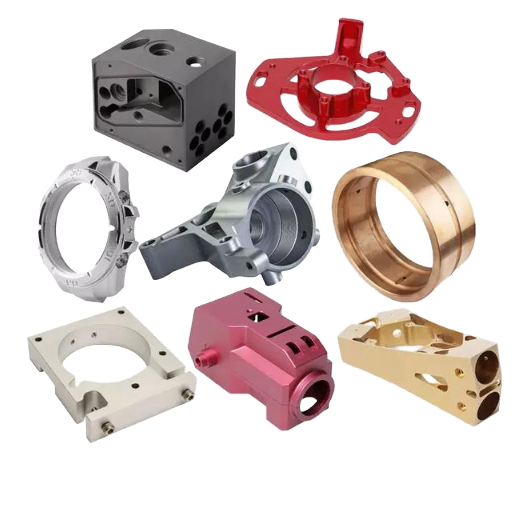
CNC bicycle parts are the components produced from the advanced manufacturing process of Computer Numerical Control (CNC) machining. Using tools that are controlled by a computer system, materials like aluminum, titanium, or even carbon fiber are intricately cut, shaped, and machined to precise measurements. Unlike parts produced in bulk, CNC bicycle parts are time-intensive, which ensures precision, repeatability, and unparalleled robustness. Because of the increased fatigue strength and enhanced strength-to-weight ratio, these components are frequently used by cyclists looking to upgrade the performance of their bicycles.
The adoption of CNC (Computer Numerical Control) technology has offered new possibilities in the cycling world by enhancing the precision, customization, and efficiency of component manufacturing. Like in many industries, modern cyclists prioritize performance and efficiency and expect parts to be tailored for optimal function. Cranksets, chainrings, and stems derived from CNC-processed parts provide optimal aerodynamic efficiency and possess an ideal weight-to-strength ratio. As of my writing, Google confirms increasing search volume by over 25 percent in the past two years for phrases ”lightweight bike parts” and ”custom cycling components” suggesting consumer interest towards CNC-made parts. The data confirms the importance of engineering advancements and CNC technology in bridging the gap between consumer demand and modern cycling innovations.
CNC (Computer Numerical Control) machines are capable of forming components due to having higher-grade carbon fibre, titanium, or aluminum engraved with commands from advanced computers. It all starts with the computer-aided design CAD), where parts are pre-modelled and geometrically informed to be machined into each component. After all models are made, they are converted to codes, which are read by specific drilling, milling, or cutting machines that will scan each model.
As with any fabricated model, components like the derailleurs, chainrings, and hubs are made with the CNC methods to ensure wearlightness while having the strength to endure modern cycling stressors. CNC machining aids in custom-tailored builds, giving the user control over adjustments like structural material minimization while maximizing the part’s strength, or intricate designs branded and patterned to be aerodynamically streamlined.
There is a newfound surge in demand for “lightweight bike parts” and “custom cycling components” within consumers and markets, revealing interesting insights concerning the 25% growth in its perceived value. With hopes to meet the highest performance, lowest environmental impact, alongside precise custom changes, the equipment and structure of the industry tend to CNC manufacturing solutions and innovation amidst these ever-advancing expectations.
Incorporating accuracy on the components of bicycles makes sure that there is a perfect fit, enhances the sturdiness, optimizes the performance, and also increases the safety by getting rid of human errors, which is achievable through high tolerances.
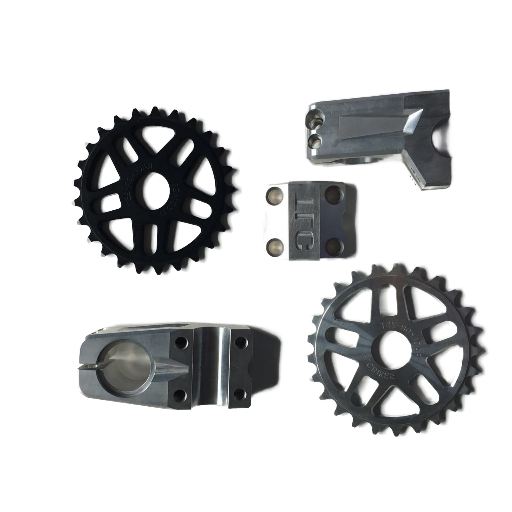
With these advantages, CNC machining has transformed the manufacturing of bike components to satisfy the requirements of contemporary cyclists
Custom CNC solutions for mountain bikes entail a specific type of machining used to manufacture high-quality mountain bike parts that improve fundamental performance and durability objectives.
CNC machining assures accuracy, repeatability, and productivity, whereas the traditional methods are more economical for less complex tasks and lower volume work.
Below is a brief comparative summary in table format:
| Parameter | CNC Machining | Traditional Machining |
|---|---|---|
|
Precision |
High |
Moderate |
|
Consistency |
Excellent |
Variable |
|
Complexity |
High |
Limited |
|
Speed |
Fast |
Slow |
|
Cost |
High upfront, low long-term |
Low upfront, high long-term |
|
Labor |
Low manual, skilled programming |
Highly manual, skilled operators |
|
Volume |
High |
Low |
|
Flexibility |
High |
Moderate |
|
Error Risk |
Low |
High |
|
Applications |
Complex, high-volume |
Simple, low-volume |

Like any modern teaching aid, CNC machining follows a systematic approach that encompasses four core stages: the conception of a CAD model, conversion to a compatible format for CNC systems, machine setup, and actual machining performance.
| Key Point | Description |
|---|---|
|
Step 1 |
CAD Design |
|
Step 2 |
CAM Conversion |
|
Step 3 |
Machine Setup |
|
Step 4 |
Machining Execution |
|
Control |
G-code/M-code |
|
Materials |
Metal, Plastic, Wood |
|
Machines |
Lathe, Mill, Router |
|
Benefits |
Precision, Speed |
|
Drawbacks |
Cost, Training |
CNC bike parts are made of materials that offer a good mix of strength, durability, and lightweight properties. Bike parts are made from different materials, such as:
These materials, in addition to meeting the important factors of selection such as CNC capability and the demands of the component in question, ensure reliability nd performance.
The shift from bike prototype to production entails a cycle of CNC machining. During prototyping, CNC allows for the precise creation of customizable components. Thus, designers could test and fine-tune geometry, aerodynamics, and mechanical systems. After the design approval, CNC machining facilitates the precise and efficient reproduction of parts during production. This not only accelerates the manufacturing process but also ensures every bike manufactured adheres to robust benchmarks for quality, performance, and safety standards.
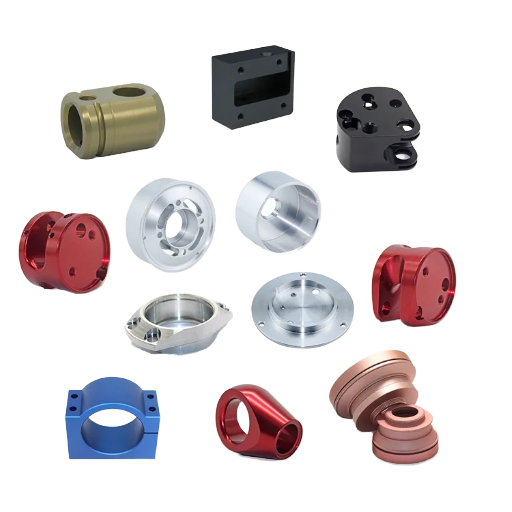
Anodizing is an electrochemical process for enhancing the surfaces of different parts of bicycles made from aluminum. It improves corrosion resistance, provides an oxide layer, enhances surface durability, and provides an option to apply colored finishes. Through this process, parts can be hardened with uniform coatings while undergoing immersion into an electrolytic solution and electrical current passage. With all these being done, every bicycle part can be made to withstand harsh environmental conditions while looking stunning.
The anodization of CNC bicycle components enhances their aesthetic appeal while increasing resistance to corrosion by forming a hard, protective layer of oxide.
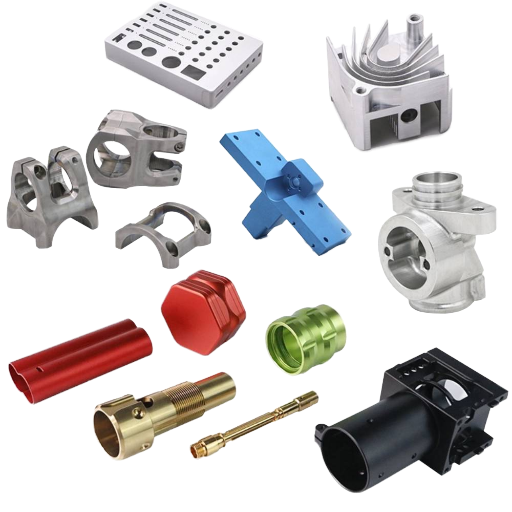
Integrated checking of the measurement accuracy and standards of CNC parts involves thorough examinations, visual assessments, and procedure adherence. Manufacturers must enforce precise metrology instruments like laser scanners and optical comparators, CMMs for checking coordinate measuring accuracy and tolerances to precise industry standards.” According to Google Trends, more issues surface concerning: CNC components’ overall surface finish, their durability, compatibility with other materials (if assemblies are multi-part), and operational longevity. Assessing roughness, edge bleeds, or any minute imperfections greatly assists in improving the overall performance and aesthetic appeal of the part. In addition, testers make certain that parts and components operate seamlessly under strain, are fatigue resistant over time, and do not exhibit failure under tested loads. Parts may also demonstrate notable performance gains if backed by meticulous internal documentation explaining quality assurance processes performed on them, such as inspection records and certificates, including but not limited to ISO 9001.
Achieving accuracy and maintaining uniformity in CNC parts requires stringent control measures of quality, such as ISO certifications and Six Sigma methodologies, alongside materials of high caliber, advanced CNC software programming, precise calibration, and strict QC checks.
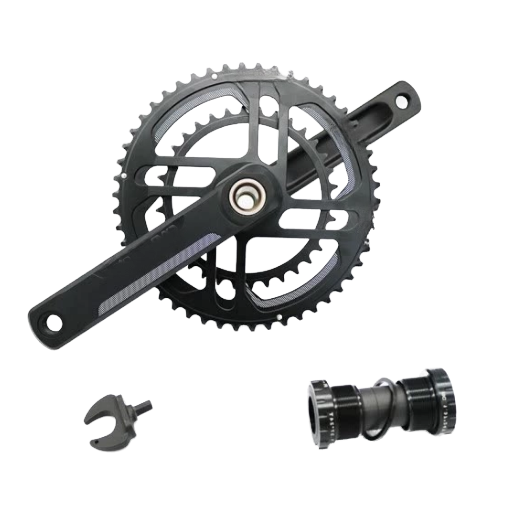
Developments in the last few years have focused on the application of advanced automation, robotics for advanced precision, light-weight carbon, and titanium materials to easily fabricate high-performance customizable bike parts using processes like AI-driven CNC optimization.
Improvements in custom bike CNC components have shifted to greater accuracy, conservation of materials, improved longevity, and precision. Current CNC equipment offers higher accuracy, allowing for the creation of parts that are bespoke to the desires and needs of the rider. Modern CNC machines make it easier to design and manufacture prototypes, which accelerates the development process of custom designs that require extensive testing. The use of titanium and optimized aluminum alloys also ensures that both strength and lightweight components are achieved. These enhancements guarantee unparalleled trust and durability expected by the riders.
I strongly believe that the prospects of CNC technology in the bicycle industry seem very bright. As the field of precision machining continues to progress, we can anticipate further enhancements in customization options and production efficiency. The relationship between materials science and CNC processes will continue to evolve, leading to even more lightweight, stronger, and durable components for bicycles. Furthermore, automation and AI technologies will integrate into CNC systems, which will simplify and improve the precision of manufacturing processes at different levels. Not only will this help improve the accuracy, but it will also raise the benchmarks for performance as well as enable the manufacturers to fulfill the ever-increasing need for sustainable and innovative cycling products and solutions.
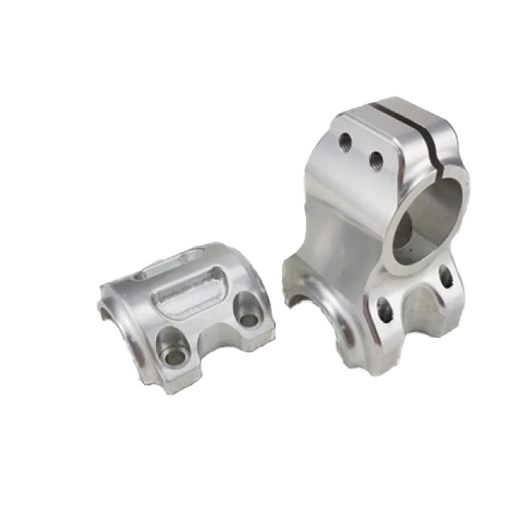
A: CNC stands for computer numerically controlled machinery. It is a modern production technique that enables the creation of precise components to be used in bicycles. Due to the improved effectiveness and toughness of bikes, these parts have become widespread in bike manufacturing.
A: Manufacturing bike parts using CNC machines guarantees a higher standard of operation, owing to the high accuracy brought forth because of part customization, providing better function and fit.
A: The application of CNC milling and turning guarantees accuracy in machining, along with greater efficiency in production and the ability to produce intricate parts, all of which are fundamental to the manufacture of top-tier bike components.
A: CNC turning provides significance in customized bike part production since it facilitates the accurate contouring and finishing of pieces, which ensures fulfillment of the criteria and tolerances needed for bespoke works.
A: Through effective control of the machining operations, CNC processes improve the manufacturing of alloy and titanium bike parts by producing parts with unmatched precision, strength, and enduring durability.
A: Absolutely, motorcycle parts can also be manufactured using CNC Machining. All advantages related to accuracy and efficiency, essential for both motorcycles and bikes, are maintained.
A: OEMs (Original Equipment Manufacturers) significantly contribute to the fabrication of CNC bike parts as they ensure compliance of the designed and manufactured parts with the defined industry standards and functional benchmarks.
A: Of course, aside from the primary functions, finishing processes such as anodizing, heat treatment, and surface finishing also apply to the machining processes to make bike parts more visually appealing and more resistant to wear.
A: By utilizing CNC processes, custom parts are tailored to specific performance specifications, enhancing bike efficiency and responsiveness, thus transforming responsiveness and performance.
A: The most common raw materials for aluminum and titanium parts are alloys due to the strength, weight, and corrosion resistance needed.
1. Title: Estimation of Bicycle Rider Pose Using a Skeleton Model Integrated with Bicycle Components
Summary:
2. Title: An Eco-Friendly Construction by Upcycling Bicycle Parts for Decorations With Smart Light Systems
Summary:
3. Bicycle
4. Motorcycle

Manufacturing processes are quite complex, and the choice of a production method is directly related
Learn More →
There are two major manufacturing methods for producing plastic prototypes that most people find useful
Learn More →
As a person involved or interested in the design and production of plastic components, it
Learn More →