

Manufacturing processes are quite complex, and the choice of a production method is directly related
Learn More →
The use of computer numerically controlled (CNC) machines is essential in any machine application that requires precision. Several constraints have hindered the accurate and efficient improvement of these machines over time. While other modes of file output convey the message, chipless operations using files have numerous advantages. However, most such operations have negative environmental impacts and can be harmful to health. To address this, designs to produce less waste are required, e.g., sand making a low-waste production operation. Sophisticated equipment (machines and abrasives) has been designed to reduce sweat, and this is called ‘Self-Moistening’ compared to conventional, which requires water. It helps the worker feel more comfortable while at the workplace, as the technology reduces fume odors in flexible applications.

CNC-related electronics can be broadly described as crucial elements that govern Computer Numerical Control devices, providing them with their automation capabilities. The most vital components are the controller, either a stepper or servo motor, drivers, and power supply. As the “head,” the controller determines input and manages motors to ensure accurate motion. Components such as motors and drivers are also responsible for precise motion, while power supplies maintain the necessary power. All of these elements have to work well for CNC machines to achieve their high level of precision and consistency, which is characteristic of them.
CNC electronics refer to all electrical and electronic systems used in the automation and improved control of precision and Automatic machines. This is essential because, unlike in manual forms, where machine operators control the machine’s performance, CNC Control Systems, with the aid of computer hardware and software, control the machine’s performance automatically. Some of the key features of the CNC Electronics include a G-Code base controller and the ability to position stepper motors or servo motors in a predetermined location. Other crucial components include the Driver circuit, which controls the motor’s operation, the Sensors that provide information on the load’s movement and speed, and the power circuit that supplies sufficient power at all times. Furthermore, modern CNC electronics often incorporate advanced functionalities, such as touchscreens and the Internet of Things (IoT), as well as software containing various simulation tools, all designed to enhance ease of use and improve performance. Due to the deployment of these technologies, CNC machines can perform precise work over extended time frames and have become applicable in various industries, ranging from mass production to part-making operations.
At the core of CNC (Computer Numerical Control) electronics are several critical elements that work synergistically to provide executable and automated machine functions. These units contain controllers that are used to convert the instructions from programs and send the commands to the machine for accurate and correct pressing. Servo motors and stepper motors play a crucial role in enabling the machine’s mechanical parts to move with high precision control. Drivers are essential links that connect these controllers to the motors, handling electrical signals and thus assisting in the real-time adjustment of the components. Feedback sensors, such as encoders, work to confirm the articles are placed appropriately by providing instantaneous feedback to the system.
Development in technology has also led to the emergence of new devices, including display units that are operated using fingers, such as IoT-equipped pulse width modulation motor controllers, online manuals for selective operations, and techniques for live repairs. These elements not only enhance the machine’s capabilities but also facilitate convenient use by users, while improving the prediction of maintenance actions. Lastly and most importantly, the inclusion of a strong power supply device addresses the energy supply gap. At the same time, functional safety systems enhance the machines’ or apparatuses’ confidence and trust in operation. These systems serve as an integral part of a well-operating process, ensuring high-quality manufacturing performance, accuracy, and efficiency in CNC machines.
The heart of any CNC machinery is the CNC controller. This can also be the motherboard or computer that carries out all the functions of the machine. However, it is more than just that, as this device receives program code (G code) created by an individual, processes it, and translates it into precise movements of the coordinate axes and the working motor of the machine, among other parts. In addition to this, present-day CNC controllers, in conjunction with the Internet of Things, take it a step further by enabling real-time monitoring of the production schedule and making any necessary adjustments to achieve minimal defects and optimal performance. More recent developments in the industry indicate a growing demand for smart controllers, such as those capable of optimization through AI and remote online diagnostics, which enable the resolution of problems on machines located far away. It is only through the employment of such technologies that manufacturers can achieve automation without hitches and improve the quality of work while minimizing production losses.

Electrical appliances themselves serve as protective surroundings for these components, shielding them from dust, moisture, and mechanical damaging factors. It also helps protect and seal up the systems against the environment. The enclosed electrical systems serve a highly critical function, namely, reducing electrical safety hazards by proper heat management of the enclosed electronic devices and restricting access to cables. Enclosures are the basic equipment for electronic systems, as they contribute to the device’s longevity and reliability. These enclosures enhance the device’s performance and help ensure its safety.
To efficiently keep electronic components safe is about proper designing, the use of solid cases, as well as considering the protection of the instrument. The advent of modern-day gadgets has introduced even more problems, mainly dirt, water, heat, and heavy-duty external actions that are capable of causing severe damage. For the safety of electronic equipment, most companies now use polycarbonate and aluminum enclosures, which are better suited to withstand high-temperature extremes and harsh environments. Additionally, improvements in various temperature control systems, such as cooling fans embedded in elements and more efficient heat exchangers in the circuitry, provide an effective means of cooling and preventing thermal failures. All of these Risk Systems are intended to shield expensive gadgets from the impact of harsh external conditions by addressing underlying weaknesses.
To achieve good design, solutions for electronic systems must first meet safety and regulatory compliance requirements. The usage of the latest monitoring technologies can address the necessary standards required for specific industries, thus achieving the regulatory compliance level. For instance, the use of sensors in monitoring structural changes or sensing changes in the environment and temperature helps in accurate, real-time fault prognosis in any system, thereby minimizing any inherent danger. Additionally, the installation of self-learning technologies will enable prognostic and long-term predictive maintenance activities, thereby reducing the likelihood of system breakdowns. Compliance with various regulations, such as ISO 26262 for automotive systems or workplace safety rules, can be achieved through testing and validation.
The convergence of sophisticated knowledge in system design with increasingly comprehensive and up-to-date information enhances reactive reliability while pushing towards more proactive techniques for reliability improvement. Search patterns, when analyzed, provide insight into classes of immediate issues that raise concerns about the general public’s behavior, value addition, or any other term related to the abuse of system limits, and how to proceed. It further provides an understanding that an intent keyword, such as a DDoS attack alert spike, requires immediate action, as well as giving evidence of risk and control. This model-intensive approach helps ensure that the architecture meets the identified needs, thereby reducing unnecessary downtime. Additionally, utilizing these aids facilitates the better implementation of regulations without compromising the quality of customer service provided.
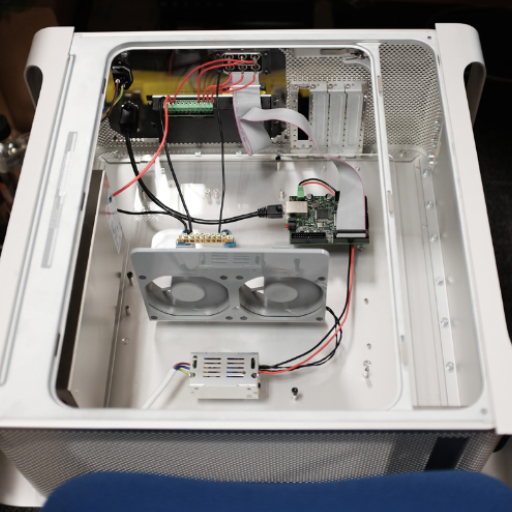
When selecting the ideal CNC equipment racking system, several key objectives must take precedence. First and foremost, it is crucial to consider furnishings that will last a long time, provide excellent protection, and fit well. Environments equipped with CNC machines a lot of enclosures will be exposed to dust, water and other materials. Water and air must be restricted from entering the electronic equipment. It is essential to have a proper heating or cooling system inside the casing to prevent the equipment from overheating. Moreover, it should have the right design to aid in the integration of other components and their maintenance as required.
When it comes to materials, lean towards the likes of aluminum and reinforced plastics. Among aluminum enclosures, please note that they come along with effective corrosion inhibition, whereas steel provides superior strength. This way, the said materials either more or less guarantee longer years of usage and specialization even in the challenging industrial surroundings.
You must also consider the seals of the enclosures, their IP-rating (e.g., IP65), to prevent any particles, such as dust or moisture, from reaching the inside of the Protective enclosures. In applications such as CNC and surface grinders, more efficient seals ensure proper protection that is necessary for suitable systems to prevent overheating of electronic components.
Ensuring sufficient ventilation is crucial to prevent the components from overheating. Incorporate features such as internally installed fans, vented panels, or heat sinks to improve airflow and maintain internal temperatures within an acceptable range. Where the computer system supports a protected, enclosed server unit, it is most effective to provide enclosures with adequate ventilation, commonly referred to as active cooling features.
It is recommended that you choose an enclosure whose components can be accessed by removing panel(s) or the whole structure, fitted with doors that typically open and close on hinges. Due to this function, less time is spent on covering mechanical devices for modifications or repairs, and thus, management targets can be realized within short durations for CNC systems.
Lastly, the enclosure design must complement the components and CNC setup being used. Review the following additions, which aim to subassemblies, such as cable routing systems for panel partitions, mounting brackets of any desired shape or rotational angle, and micro or mini designs for installation in smaller spaces.
Plan the placement of the equipment within the enclosure to maximize space while maintaining access. Utilize the available space efficiently by placing components in a way that eliminates unnecessary gaps. The adequate airflow for cooling must also be considered, for this helps to keep the life expectancy of equipment devices.
Incorporate ventilation and active cooling solutions, such as the use of fans or heat exchangers, to handle the heat produced by the system. Working to stabilize the system temperature helps the system run for a longer period without shutting down due to overheating.
The CNC machine is equipped with means to mount it, such as specific materials and constructions with noise-isolating properties. This point is essential if one wants to contain noise in the environment as much as possible.
Verify that the enclosure meets safety standards, including regulations such as dust and water resistance, typically using IP ratings. This serves to protect the components inside and the users of the installation from any possible risks.
Prepare a design that minimizes the use of white space, allowing for easy expansion and future revisions with minimal effort. Enclosures in which the addition, upgrade, or even just the addition of a new facility, can be done without re-engineering the whole structure.
Manufacturers should make decisions regarding the materials and the final coat of the sheet employed (Lede, 1.85), taking into account the environmental impact it has. For instance, when dealing with or controlling harsh or outdoor environments, the best solution is to employ stainless steel. Conversely, when developing materials for use in less severe conditions, such as those intended for first aid kits, stainless steel offers the best overall solution. Furthermore, ensure the enclosure’s thermal management system does not allow it to overheat due to electronic components, which are often referred to as powerful resistors, especially those intended for use as power sources. Insulation structures will almost always require a set of high-quality gaskets and seals to ensure the gaseous state and prevent it from filling the body area, as well as to keep it clean from moisture, dust, or other contaminants.
Apart from that, according to the most recent numbers, manufacturers emphasize the importance of developing enclosures in compliance with existing international standards, such as ISO and NEMA, to ensure the appropriate health and successful operational performance of equipment. By adhering to these directives, manufacturers will be able to produce safe and suitable solutions for today’s emerging technologies while leaving room for future flexibility.

These provide a convenient wall implementation and are excellent for keeping space occupied by small CNC components.
In contrast to the first category, these are roomier, stronger, and can accommodate multiple electronic gadgets in advanced industrial corporate establishments.
Practice comes without faults; more importantly, if the surroundings can be carried with you, it is all the better, thus the popularity of tabletop enclosures for smaller activities and mobile ones.
Regardless of brand, heat will indeed be generated when city or corrosive air is sprayed, so ventilation is a necessary factor when system protection is concerned; perforce, heat flows as hot air and not hot water.
They offer a higher degree of electronic protection compared to above-ground mounted models, and, unlike them, are designed for use in variable weather conditions, such as rain and snow.
Standard enclosures are cost-effective and readily available, while custom enclosures offer tailored solutions for specific needs.
|
Parameter |
Standard |
Custom |
|---|---|---|
|
Cost |
Lower |
Higher |
|
Availability |
Immediate |
Longer lead time |
|
Flexibility |
Limited |
High |
|
Design |
Fixed |
Tailored |
|
Durability |
General |
Specialized |
A well-thought-out selection of materials for the enclosures is of utmost importance, as it directly affects the efficiency and lifespan of the product. Typically, the most commonly used materials for enclosures are aluminum, stainless steel, polycarbonate, and ABS plastic, each with its advantages. In terms of aluminum, it is a lightweight material that is quite strong in terms of heat and corrosion resistance. In terms of those made of stainless steel, they are among the strongest types of enclosures available, resilient to extreme weather conditions. Polycarbonate is a rigid material, making it a suitable choice for equipment that will be subjected to physical abuse. However, ABS plastic, on the other hand, is a material that can be said to be both economical and practical, especially in workpiece areas.
Reusable and biodegradable materials are becoming the norm in the manufacturing industry. This change aligns with other goals of achieving sustainability without compromising longevity. It is intended that, based on the environment under which the equipment is to be installed, the extent of temperature and physical constraints, businesses should be capable of identifying the suitability of any installed materials for consideration.
It is clear that when selecting enclosures for CNC applications, the peculiarities of the operations must be taken into account. Expressed in a simplified way: the enclosure must correspond to the machine’s purpose, working environment, and need for safety. Below are five different types of enclosures in different CNC applications and an explanation of each:
Used to keep the working area clean by using physical barriers that significantly prevent dust and debris from entering the CNC. Such enclosures are extensively used in wood-cutting and milling operations, where dust, chips, and other fine particles are generated on a daily basis. The impact of any laundry organic hops and such solvents is banister dressing outward. Dustproof enclosures help maintain machines and reduce the need for maintenance over time.
This is for scenarios where the decibel levels around CNC machines are very high and they may damage the workers. In such cases, noise reduction enclosures are made from materials that reduce noise. They prevent workers from hearing degrees of noise from sources that are fixing or enhancing the working conditions, provided they are below exposure limits.
Such enclosures are necessary when the CNC machine in question generates excessive heat, requiring a special enclosure to include a cooling system. These homes adjust the temperature during device operation to prevent any heat-related breakdown of the machine.
When an application involves liquids, such as CNC milling with coolant or cutting in humid conditions, these enclosures protect components from water. They are insulated in a way that makes them waterproof and also have pockets containing a water removal system, so excess moisture does not remain with the device.
As the name suggests, portable enclosures are designed for ease of transportation and are therefore made of lightweight materials that can also feature heavy-duty wheels. They are suitable for places where a convenient solution is required or where movement between office components is extensive.
All these enclosures are designed to enhance the efficiency, safety, and performance of the CNC machines in one way or another. Failure to use these enclosures that suit the operating environment will reduce the effectiveness and reliability of the machines.
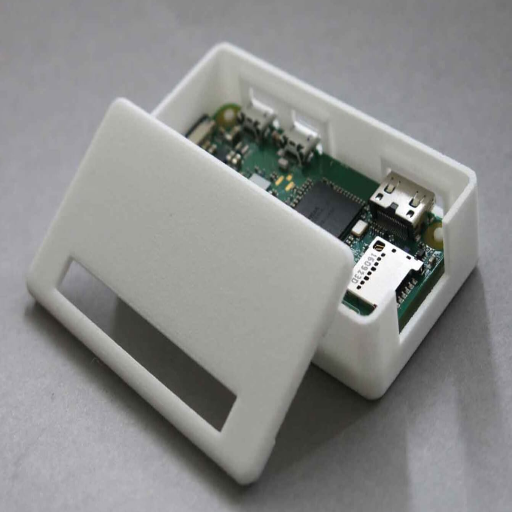
A Computer Numerical Control (CNC) system has a plethora of advantages, which are explained as follows:
Renders, particularly computerized numerical control devices, have become essential to the manufacturing job in the present day, characterized by a high degree of precision and productivity. The notable enhancement has been achieved with improvements in the performance of CNC Machines. To enhance their usable capacities, there are broadly identified areas concerning detail involving components such as precision calibration, CPU enhancement, and installation of protective devices.
When adding these phases, CNC machines yield a higher capacity along with higher-quality parts. This is key to the evolution of the machine and tool manufacturing industry.
Therefore, the principle of working smarter, not harder, is why I work with IT solutions. I strive to ensure that the company’s equipment, including technical equipment and machines, is regularly maintained at all times. This means that all resources, including advanced information technology (IT) equipment, are kept in good condition, and that all the company’s technological equipment is maintained correctly.
Due to the expense incurred while investing in automation technologies, it may seem a questionable expense, but in the long run, it has proven to be worth all the cost invested in it. The development of technologies and the application of predictive analytics have enabled some organizations to enhance their operations, thereby reducing expenses related to defects, time spent on various activities, and breakdowns. Companies that employ automation strategies record fewer inefficiencies and, as a result, are better equipped to utilize their resources more productively with minimal waste. Most importantly, through technology, companies can pursue growth without incurring substantial additional expenses due to new technological advances, hence enhancing the bottom line and competitiveness.
ETCN Machining: CNC Electronics Enclosure: The Ultimate Guide – Discusses the purpose and design considerations for CNC electronics enclosures.
RapidDirect: CNC Machining in the Electronics Industry – Explores the role of CNC machining in creating electronic components and enclosures.
Peter Verdone Designs: CNC Control Box Power Safety Circuit – Provides insights into wiring and safety circuits for CNC control boxes.
A: A CNC electronics box is an enclosure designed to house the electronic components of a CNC machine, such as controllers, power supplies, and connectors. It protects these components from dust, moisture, and other environmental factors, ensuring reliable operation and longevity.
A: Using an electronics enclosure for CNC helps maintain the functionality of your machine by providing a safe and organized space for electrical components. It minimizes the risk of damage from external elements, reduces electromagnetic interference (EMI), and enhances the overall aesthetics of your setup.
A: When customizing a CNC electronics box, consider factors such as size, material, ventilation, and accessibility. You may want to include features such as adjustable slots for easy access to components, a front panel for control switches, and a DIN rail for mounting devices neatly within the enclosure.
A: Yes, plastic electrical enclosures are suitable for indoor use. They are lightweight, corrosion-resistant, and can effectively protect your CNC electronics from dust and minor impacts. Ensure that the enclosure you choose is compatible with your specific CNC router and its components.
A: Recommended connectors for a CNC electronics box include terminal blocks, power connectors, and signal connectors. Choosing the right type depends on the specific requirements of your CNC machine, such as the voltage and current ratings, as well as ease of use during assembly and maintenance.
A: To maintain EMI protection in your CNC electronics enclosure, use shielded cables, proper grounding techniques, and ensure that the enclosure is made from materials that can block electromagnetic interference. Additionally, organizing wires neatly and using ferrite beads can further reduce EMI issues.
A: A Variable Frequency Drive (VFD) is used in CNC machines to control the speed and torque of the spindle motor. It allows for precise adjustments to the spindle speed, which is essential for various machining tasks, improving efficiency and accuracy during operations.
A: When choosing a power supply for your CNC electronics box, consider the voltage and current requirements of your components. Look for a reliable DC power supply that can handle the total load of your CNC router’s electronics, including the VFD, breakout board, and any additional peripherals.
A: In a CNC electronics cabinet, look for features such as adjustable shelves, a front panel for easy access to controls, and ample space for wiring and connectors. Additionally, ensure that the cabinet is well-ventilated to prevent overheating of electronic components during operation.

Manufacturing processes are quite complex, and the choice of a production method is directly related
Learn More →
There are two major manufacturing methods for producing plastic prototypes that most people find useful
Learn More →
As a person involved or interested in the design and production of plastic components, it
Learn More →