

Manufacturing processes are quite complex, and the choice of a production method is directly related
Learn More →
The unmatched strength-to-weight ratio, corrosion resistance, and bio-compatibility of Titanium make it a material that has transformed industries like aerospace and medicine. Even industries more scientific in nature are progressively more interested in this metal due to its striated proprieties, which engineers, scientists, and pioneers are trying to tackle with the most modernistic foresighted techniques. One such extraordinary characteristic is the density of titanium, as volumetric mass is an essential aspect that governs the effectiveness, practicality, and adaptability of titanium. This article highlights the unique features of titanium and specifically concentrates on the interplay between the density of titanium and its applications in various fields. As an industry professional or someone just interested in the science of materials, you will understand why technological advancements are so titanium-centric with the help of this guide.
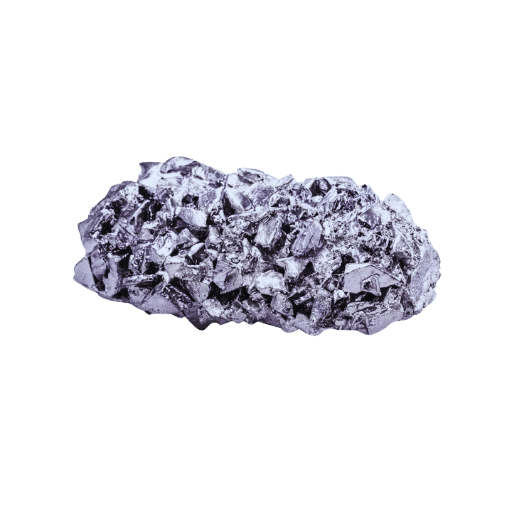
Titanium has an approximate density of 4.51 g/cm³, which is markedly between lighter metals like aluminum and heavier ones like steel. Such density makes it suitable for uses that require a good balance between strength and weight. The low density of titanium contributes significantly to the strength-to-weight ratio, one of the key reasons titanium is used in aerospace, biomedical, and engineering industries, showcasing how titanium has incredible benefits.
The density of a material depends on its atomic structural components and their accompanying factors. Intrinsic density factors include atomic mass, bonding structure, and extrinsic factors like temperature and pressure.
Atomic mass and atomic packing.
The heavier atoms, as well as their packing configuration, result in dense metals like lead having higher density. Conversely, lighter elements like aluminum, which pack less effectively, have lower density levels. The types of atoms composing a material and their packing play a crucial role in its density level.
Temperature variations.
Increased temperature, as a rule, leads to expansion of materials as a result of stronger atomic vibrations and expansion leading to lesser density. Take for instance, the efficacy of heating and spacing of molecules, water’s density drops when converted to steam. Similarly, metals are also known to undergo slight expansion during heating, dropping their density at higher temperatures.
Effects of pressure.
Pressure influences solid materials, especially those with microvoids or pores. Higher pressure compresses atoms or fills voids, allowing for denser material. This is the principle behind the manufacture of synthetic diamonds, where carbon atoms are turned into a densely packed crystal lattice when subjected to extreme pressure.
Phase Transitions
The transformation in the state of matter, like solid transforming to liquid, is important in determining the object’s density. Take for instance the case of ice which is solid water. Ice is less dense than liquid water because its molecules make up a hexagonal crystallized structure that trap more space. This is a water anomaly and supports the life of water creatures when the conditions are freezing.
These considerations are especially important for the specific design of materials in the lower-precision areas of engineering and aerospace, where water is required in excess.
Aluminum has a low density of 2.7 g/cm³ as compared to Titanium, which carries a higher density and different mechanical properties. It is also lighter than Titanium, which makes it useful in the aerospace and automotive industries where weight reduction is important for fuel efficiency and performance. Lead, on the other hand, is one of the commonly used metals that has a high density of 11.34 g/cm³. Its high density makes it useful for providing radiation shielding and for power storage. Titanium has a wide array of applications where it is lightweight.
Steel is an iron-carbon alloy that has a density of 7.8 g/cm³. The construction and infrastructure industries have been relying on steel because of its high strength-to-weight ratio. Steel is also quite versatile and helps in achieving a diversity of applications. Titanium, together with incurring a major leap in the medical field, enabled the advancement in aerospace and marine engineering technologies because of its exceptional strength corrosion resistance and lightweight, it has a density of 4.5 g/cm³ which is much lower than that of steel.
At 19.32 g/cm³, gold is known for its preciousness and is significantly heavier than other metals because of its density. Its unmatched conductivity and resistance towards tarnishing make it favorable in electronics and fine jewelry. However, the same cannot be said for titanium, which possesses its own set of merits. Nonetheless, copper, having a density of 8.96 g/cm³, is also relatively more useful. Its superiority in electrical and thermal conductivity makes him essential in case of electrical wiring and machinery in factories.
The varying characteristics and distinct densities of these metals reveal the necessity of utilizing particular materials that cater to specific functional needs in different industries.
The influence of the density of materials is very important in aerospace engineering as it directly affects the performance and efficiency of an aircraft, spacecraft, or missile, especially about titanium density. Density and weight are of great concern due to their cost implications in fueling an aircraft; that is why lower density materials are being sought after, consequently increasing fuel efficiency and aircraft range. Aluminum, for example, is a relatively low-density material with about 2.7 g/cm³ and has a high strength-to-density ratio, which makes it ideal for use in commercial aircraft.
Enhanced composite materials, including carbon-fibre-reinforced polymers (CFRP), have densities as low as 1.55 g/m3 and possess remarkable tensile strength and stiffness. These unique properties allow CFRPs to be utilized in structures whose weight must be reduced without compromising safety and performance. The introduction of these lightweight materials resulted in about 15 to 20 percent reduction in fuel consumption of modern aircrafts like the Boeing 787 and Airbus A350. Here, the role of the titanium density is very important.
On the other hand, materials such as titanium which has a density of 4.5 g/cm³, is widely used for its higher density in coping with extreme forces or temperatures. Moreover, titanium alloys are well known for their exceptional strength and resistance to corrosion, which makes these materials indispensable in critical components like turbine blades and landing gear.
The balance between material weight and mechanical performance is important to optimize the aerospace design technology in an economical and ecologically sustainable manner. Each choice of material is subject to a careful analysis of the mission profile so that maximum efficiency, together with minimum risk in operational safety, is achieved.
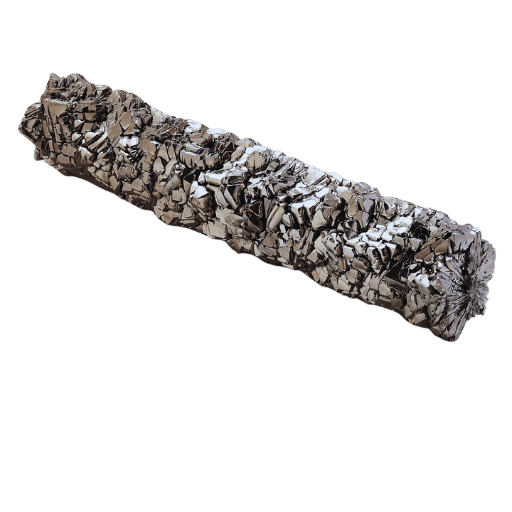
The corrosion resistance features of Titanium its owed to the stable protective oxide layer that forms on the surface. On exposure to oxygen, Titanium passively oxidizes, forming titanium dioxide (TiO₂), which functions as a passive barrier. Such an oxide layer not only guards the underlying metal from multiple corrosion possibilities but also undergoes self-healing. Even when the surface is scratched, the particles of oxide become capable of bone-like reforming.
Salt water, Chlorine, and acidic solutions are few among the many corrosive environments that titanium packs effortlessly resist when compared with Aluminum alloys or stainless steels. Withstanding a prolonged range of seawater is only one out of many reasons why titanium is extensively utilized in marine applications regions. Many other metals show severe failure due to similar environments, but studies show that Titanium can resist pitting and crevice corrosion in chloride-prevalent environments from over 150°F (65°C).
Moreover, the effectiveness of the oxide film of titanium extends to more aggressive conditions, including chemical processing and environments with oxidizing acids, such as nitric acid. The ability to stay intact under such stressors greatly prolongs the service life of titanium components while reducing the need for maintenance, which makes it a preferential material in high-demand applications. These factors emphasize the tremendous impact of the oxide layer regarding the position of titanium among highly corrosion-resistant materials in modern engineering.
The tensile strength and corrosion resistance of titanium are exceptional, making it useful in many fields of engineering and industry. Titanium grade 5, referred to as Ti-6Al-4V, has an annealed state tensile strength of roughly 950 MPa and can reach even higher values with heat treatment. 316 stainless steel, a commonly used alloy known for its corrosion resistance, has lower tensile strength at approximately 485-620 MPa, so titanium has much higher strength-to-weight ratios in certain applications.
When compared to conventional alloys, titanium greatly outperforms in corrosion resistance, and its oxide layer makes it even more versatile as it protects it from many forms of corrosion like seawater, chlorine compounds, and industrial chemicals such as sulfuric acid and hydrochloric acid. For instance, titanium is capable of long-term exposure to environments with low ph levels of 3 or as high as 11 with very little titanium degradation. In many cases, stainless steel is corrosion resistant, however, it is far more vulnerable to pitting and crevice corrosion in areas with high concentrations of chloride.
Because of its robust tensile strength along with exceptional corrosive resistance, titanium is useful in biomedical implants, aerospace components, and marine structures. Its featherweight nature, being 45% lighter than steel, augments performance in industries that are stringent about weight. These qualities allows titanium to be useful in modern engineering problems.

The discussion on titanium always involves its low thermal conductivity of approximately 21.9 W/m·K at room temperature. This value has both benefits and drawbacks, especially when compared to other metals like aluminum (237 W/m·K) or copper (400 W/m·K). The value has certain implications in industrial utilities:
The low thermal conductivity of titanium which limits him in the high level applications of heat exchange also makes him extremely versatile in the advanced industrial applications where there is a requirement of high durability, corrosion, and thermal stability.
The outstanding strength-to-weight ratio, corrosion resistance, and high-temperature stability of titanium makes it a critical component in space vehicles and aerospace applications. When I am designing spacecraft, I focus on materials such as titanium which offer tremendous strength while helping to reduce the total weight of the craft. This makes titanium a necessary component for airframes, fasteners, and engine parts, which need to be highly reliable under great amounts of stress, making it useful in extreme environments.

Due some remarkable mechanical properties and flexibility of application, titanium alloys are widely used in many industries. One of their greatest benefits is their phenomenal strength-to-weight ratio. These alloys provide close to the same strength as steel while weighing only 45% of the weight. The lightweight feature improves energy efficiency in aerospace and automotive devices where performance and fuel economy is a priority.
Another key advantage is in their superb corrosion resistance. Titanium alloys have a natural oxide layer that enables them to withstand destruction in aggressive environments such as seawater, chlorine, and oxidative environments at elevated temperatures, which is often the case. This is why titanium alloys are extensively used in marine and chemical processing plants.
Further advantages include excellent biocompatibility, which makes titanium alloys much more favorable in the medical field for implants, for instance, joint prosthesis or dental implants. The low toxicity and high compatibility with the human body ensure safety during prolonged usage.
Extreme temperatures don’t seem to bother titanium alloys since they still outperform many materials at these temperature ranges. Advanced alloys like Ti-6Al-4V are often used in aerospace components like turbine blades, engine parts, and heat exchangers because they stay mechanically sound at 400 degrees Celsius. New alloy technology is also making these materials more machinable and fatigue resistant, which is always a welcome change.
In conclusion, the sheer number of applications these alloys can perform in demonstrates they are essential to modern engineering and design progress.
The aerospace industry incorporates titanium alloys extensively in machine components due to their light weight, strength, corrosion resistance, and extreme operational capability. Here is how titanium alloys are helpful in this industry:
Gear Assemblies
High performance gear systems that require robustness yet weight minimization are developed with titanium alloys. Aerospace gearboxes for instance, utilize titanium for its wear resistance characteristics and ability to function at high temperatures. These features surely help in enhancing the performance of these components.
Bearings
Titanium alloys bearings provide superior performance and long life in corrosive atmosphere because of their exceptional oxidation and stress corrosion cracking resistance.
Fasteners
Industries like aerospace, automotive, and marine engineering utilize titanium fasteners because these fasteners do not fail at high stresses and are much lighter than steel fasteners.
Pump Components
Alloyed titanium is used with other materials for the pumps used in marine applications and chemical processing. These pumps deal with aggressive fluids under high pressure and corrosive environments. They are Erosion and chemically resistant, thus reliable, with little maintenance needed.
Valves
Titanium alloy valves function in environments with oil and gas and desalination plants where high temperatures and extreme pressures, combined with aggressive chemicals, are supposed to be handled.
Rotors and shafts
Rotors and shafts, as components, are more advanced with titanium alloys because of their high fatigue and deformation resistance under dynamic loading. These aspects are very critical within aerospace engines and industrial turbines.
Biomedical equipment
Beyond machine applications, titanium alloys find their use in precision medical devices like prosthetics and surgical instruments, showcasing their unique features and machinability.
Innovations in material science continue to broaden the use of titanium alloys in the manufacturing of machine components. For instance, some studies suggest that titanium parts can be up to 50% lighter than steel without losing valued functionality, particularly in highly engineered systems.
Because of their exceptionally high strength-to-weight ratio of 288 kNm/kg, which is much higher than steel’s and aluminum alloys’s, titanium alloys are preferred in industries that require extreme engineering solutions. Unlike aluminum alloys, steel, which relies on a strength-to-weight ratio of 75-100 kNm/kg, and titanium allow engineers to create robust yet lightweight structures that do not compromise mass, safety, or utility. This makes it an industry favorite.
Recent developments in manufacturing processes like additive fabrication, precision machining, and advanced heat treatment have boosted the mechanical properties of titanium alloys. The addition of constituents such as Aluminum and Vanadium with 6Al-4V grade titanium, for instance, boasts a tensile strength of 950 MPa while simultaneously having corroding resisting capabilities. For these reasons, the aerospace industry is actively utilizing titanium. Reduced weight positively affects fuel efficiency as well as increased payload capacity, whereas the automotive industry is adopting titanium parts in high-performance vehicles for increased speed and decreased fuel consumption.
This clearly emphasizes and demonstrates how titanium’s exceptional strength over its weight catalyzes the other industries that rely on high-performance systems and energy-efficient technologies.
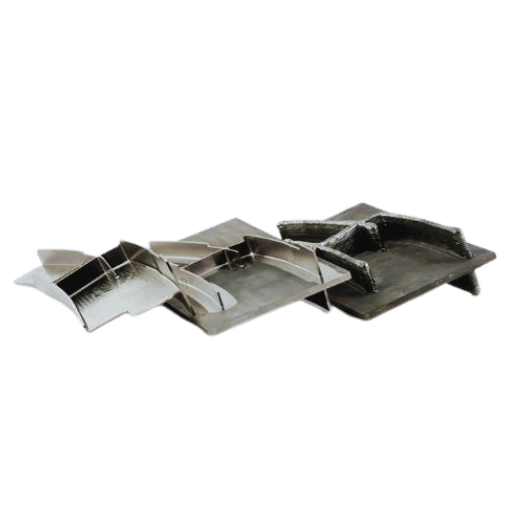
The medical implants application domain takes advantage of titanium materials because of their corrosion resistance, biocompatibility, and high strength to weight ratio. Osseointegration, the integration of bone implants with the surrounding bone tissue, makes titanium ideal for use in orthopedic implants including hip and knee prosthesis, dental implants, and spinal fixation devices.
Recent developments report that titanium alloys are increasingly used in the medical field due to their superior mechanical properties and Ti-6Al-4V biological performance. Research suggests that titanium implants greatly decrease post-operative infection rates or rejection as the body tends to be more accommodating of titanium than other materials. Moreover, titanium’s low density decreases the stress on the surrounding supporting bone structures, leading to greater mobility and comfort for the patient post-surgery.
The combination of an increasing number of surgical procedures, the aging population, and advancements in implant design and manufacturing, including 3D printing, which yields patient-specific implants, explains why the global titanium implants market is expected to grow considerably in the coming years, according to statistical data research. The implants enable better precision and success rates of surgeries, which drives the global titanium implants market, which is projected to grow at a CAGR of over 5%.
Due to their exceptional biocompatibility and mechanical strength, Titanium and its alloys have presented the remarkable ability to resist bodily fluids and are non-toxic, enhancing their long-term durability and sustained performance. This makes it a favorable material in the emerging modern healthcare technology.
Titanium has a critical function in salt water settings, specifically in marine construction and offshore power industry. Unlike steel, titanium exhibits remarkable resistance to corrosion in seawater, which has high concentrations of chloride. The metal is covered by stable and protective oxidized titanium dioxide which inhibits corrosion mechanisms including pitting and crevice corrosion. Because of this feature, titanium components can reliably function for decades with little upkeep while still maintaining their structural integrity.
Research has demonstrated that titanium can endure exposure to seawater for a long time without getting damaged. For instance, Grade 2 titanium is often used in seawater piping and desalination plants because it does not foul or undergo bio-corrosion. Moreover, titanium alloy grade 5 (Ti-6Al-4V) is extensively used in offshore oil and gas platform construction due to its phenomenal strength-to-weight ratio and resistance to corrosion in salty and high-pressure environments. It is also used in the construction of energy-efficient ships and underwater vehicles, which require lightweight materials that do not compromise durability.
In addition, titanium’s incorporation in condensers and heat exchangers located in saltwater regions has achieved substantial efficiency improvements, as these systems frequently depend on the quick thermal conduction and biofouling resistance of titanium. Titanium’s vital contribution towards technological advancement in saline and marine environments is highlighted by these examples, which encourage novel approaches to eco-friendly industrial practices.
Titanium’s characteristic features, such as low density, strength, corrosion resistance, and durability, have made it a game changer in modern architecture. Its application in cladding and roofing makes the exteriors of buildings, especially in saline and thermally hostile regions, much more durable. An example of this is the Guggenheim Museum in Bilbao, Spain, which has around 33,000 ultra-thin titanium sheets, making it visually appealing and durable at the same time.
The material’s low weight makes it appropriate for advanced and active architectural designs that require attractiveness along with structural integrity. For example, the low maintenance associated with titanium’s inability to discolor or degrade over time proves its exceptional enduring quality. Research suggests that titanium cladding, which is more costly at first, can serve for over a hundred years while exhibiting minimal depreciation in performance, making it an ideal solution for projects that are focused on cost-saving resources over time.
Moreover, modern technology allows for more combinations of titanium and other materials, like glass and steel, resulting in composite parts and structures that take advantage of the high ratio of strength to weight. Examples of architectural structures using such techniques are modern bridges, facades, and modular buildings. The ability to anodize titanium into various colors further allows architects to design boldly without losing the functionality of the structure.
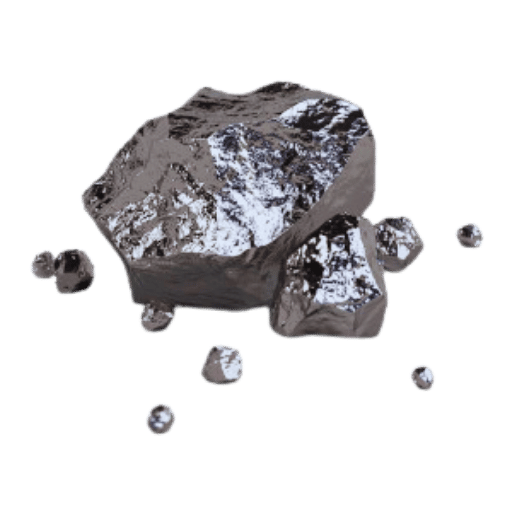
A: Titanium’s density is around 4.5 grams per cubic centimeter. Alongside its strength, its lightweight characteristic allows it to be used in aerospace industries and other industries that seek to cut down on weight without compromising on strength.
A: The oxidation state of titanium determines its reactivity and the compounds it can blend with. Titanium dioxide and titanium tetrachloride, alongside other pigments and catalysts, have stable compounds, which makes it economically useful since these are the most popular oxidation states of titanium.
A: While Titanium has excellent corrosion resistance, it does possess lower electrical and thermal conductivity when compared to copper and aluminum, Furthermore, the strength held by titanium at elevated temperature makes it useful in some applications where bare conductivity is not the utmost priority.
A: William Gregor discovered titanium in 1791 from ilmenite. Subsequently, Martin Heinrich Klaproth recognized it as a novel element and named it after Titans from Greek mythology. These advancements served an important part in the chemical understanding of titanium.
A: The Kroll process is used to obtain pure titanium metal. The method involves the use of magnesium or sodium to reduce titanium tetrachloride. This procedure is important because it achieves the extraction of titanium that can be used to fabricate strong and corrosion resistant titanium alloys.
A: The aerospace industry makes use of titanium due to its superior strength to weight ratio, high levels of corrosion resistance and high temperature tolerance. These factors makes it fit for use in components of aircrafts where performance as well as durability matters.
A: Titanium and its alloys have a broad scope in medicine, especially for use in prostheses and implants because they are biocompatible, which allows them to integrate with human bone and tissue. Furthermore, the implants and prostheses can be used for a long period due to the strength and corrosion resistance of titanium.
A: Examples of titanium compounds include titanium dioxide, which is employed as a white pigment in paints and sunscreens and is also used to make titanium metal as well as a catalyst in organic chemical reactions. Furthermore, as titanium nitride is known for its hardness and resistance to wear and tear, it is used in cutting tools and coatings.
A: Titanium is situated in the d-block of the periodic table, thus qualifies as a transition metal. This positioning enables titanium to have characteristic features and benefits such as having several oxidation states and complex ions which adds to its usefulness for industrial purposes.
A: Some benefits associated with titanium and titanium alloys are their impressive strength-to-weight ratio and ability to resist corrosion. But the extraction, processing, and machining come at a high cost, which poses a challenge. No matter the challenge, titanium is continuously being adopted by industries that require its unique properties.
1. December 2021: High energy density titanium-doped vanadium oxide – vertically aligned CNT composite electrodes for supercapacitor applications
2. Superb hydrogen storage efficiency in titanium-doped 2D carbon allotrope Ψ-graphene: A density functional theory approach
3. Aqueous Supercapacitor With High Energy Density Surface Nitrogen – Modified 2D Titanium Carbide (MXene)

Manufacturing processes are quite complex, and the choice of a production method is directly related
Learn More →
There are two major manufacturing methods for producing plastic prototypes that most people find useful
Learn More →
As a person involved or interested in the design and production of plastic components, it
Learn More →