

Manufacturing processes are quite complex, and the choice of a production method is directly related
Learn More →
Creating your own homemade CNC machine from the materials you already have comes with many benefits, but such an endeavor necessitates getting acquainted with the main elements of these machines. Both experienced craftsmen and novice users trying to ensure a greater degree of correctness and automation in their tasks would find it pertinent to master the components of a mini CNC router. In this post, we will discuss the main aspects of a CNC machine, such as useful devices, their importance, and why they are indispensable, as well as tools related to DIY CNC. In the manufacture of CNC machines, ranging from motors and drivers to kutzall and frames, we shall examine how these parts are amalgamated to form a prime mover. Ensure you are prepared to learn about the tools and techniques you can employ while building or modifying your CNC shaper.
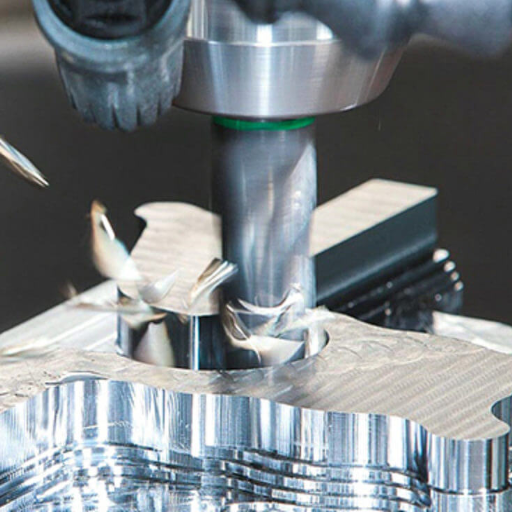
CNC routers are woodworking machines controlled by a computer to create intricate designs on various materials, including wood, steel, and plastics. They do this with perfect precision thanks to digital controls, which prevent mistakes from happening, cutting after cutting. A typical CNC router consists of a base for support, stepper motors for movement, end mills for cutting, and a computer for the control function. They are convenient in large-scale industrial processes and invaluable for home activities due to their excellence and speed.
CNC routing technology has seen considerable improvements in recent years and now encompasses new developments that offer ultimate reliability, productivity, and applicability. Most of the currently available CNC routers possess multiple-axial capability, and there are 4 (or 5)-axis types available in most cases. It enables the molding of gears and helical gears, as well as bearing caps and plates, unlike older scenarios that only transformed two-dimensionally. Moreover, the advancements in CAD and CAM technologies have enabled Computer-Aided Design and Manufacturing.
Recently, there have been upgrades that incorporated features such as CNC milling machines, the ability to handle cranes with up to 17 tons of unevenly balanced weight, and the capability to traverse with a capacity of 10 tons. The inclusion of up-and-down breaking systems in the machines has been retained in the description of the tools. All of this is the stator and rotor, bonding binder, and the machine’s asphalt mill rollers.
According to the latest reports, the overall CNC machine market size was approximately $83.55 billion in 2022 and is projected to grow at a CAGR of 7.9% from 2023 to 2030. This rise is also driven by the increasing demand for these machines in various sectors, including tool use, construction, air travel, and other consumer products. They are also now more intelligent, thanks to automation and AI, which enables features such as tool compensation, failure prediction, and the immediate maintenance of lathe malfunctions.
Additionally, another area involves the development of angle heads with interior and exterior rotation, utilizing double internal gears. Modern CNC routers can now machine materials ranging from ordinary wood or plastic to high-density non-porous foam, sandwich panels, and even metals like aluminum.
High-tech enhancements, as well as clamping enhancements and a cutting tools management system, are innovative features that enable more precise cutting, minimizing damage to products during work.
CNC routers are gaining popularity among a diverse range of individuals, including professional manufacturers, hobbyists, educators, and small business owners. When we focus on the first category, Manufacturing, CNC Routers, in particular, allow manufacturers to achieve flexibility in precision and produce larger quantities of one or a few types of products while simultaneously enabling them to replicate production consistently, even under the highest production requirements. Hobbyists and small-scale manufacturers equally appreciate the cost-effective and readily available homemade CNC machines that help them refine their product ideas and thoughts, ultimately leading to the development of their products. Moreover, instructors utilize CNC technology in various learning situations to enhance modern vocational education.
I am seeing an increase in interest in CNC routers, and a search also reveals a jump in queries calling for discussions on affordable CNC machines, such as desktop CNC routers for entry-level hobbyists, which also includes small business CNC ideas. This only means that the industry anticipates more demand for solutions that are both satisfactory in function and cost-conscious, catering to those who exercise. This creates a reason for change, as it encourages already accustomed individuals to adapt to new “techno junkies” by maximizing the usefulness of modern tools, thereby materializing thoughts and ideas.
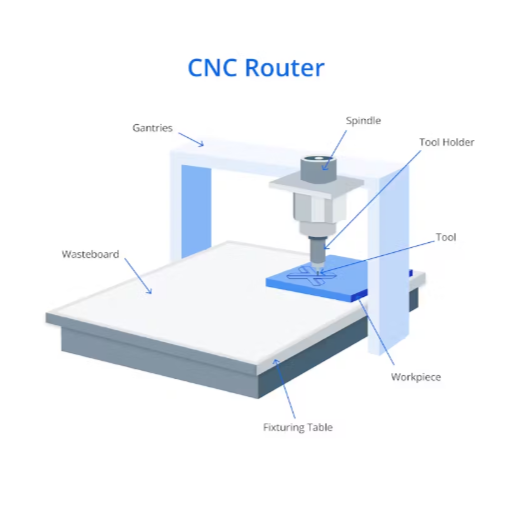
This is as far as these components can unite to produce optimal results for all situations to which CNC routers can be applied.
A spindle motor equivalent to that of a CNC router or mill is dedicated to turning and/or rotating the cutting or processing tool. This means that the spindle motor spins at a very high speed to provide maximum cutting and/or engraving precision on materials such as wood, plastics, and metals. The majority of the new spindles are now built with cooling provisions in both water and air, allowing for longer runs without overheating during operations.
The control system is the place where the instructions intended to be executed on the CNC are loaded. The control systems are the brains of the CNC router, ensuring that movements related to the cutters are controlled automatically based on G-code inputs or other programmed codes. It provides synchronization between the cutting on the X-Y-Z axes and the spindle’s operation. Most modern control systems incorporate user interfaces that are both visually appealing and facilitate operational ease.
Linear guide rails enable controlled movement of machine parts across the X, Y, and Z axes, ensuring precise alignment without deviation. Designed to reduce friction and improve the system accuracy, particularly when complex designs are being improved.
These motors are instrumental in the motion of the CNC machine in specific locations relative to the material and are usually referred to as positioners. In that respect, stepper motors typically take the lead in simpler applications due to their cost-effectiveness. In contrast, more advanced servo motors are used with highly sophisticated machines to achieve extremely high speeds and accuracies.
This system effectively addresses the problem caused by dust and debris generated during machining processes, thereby reducing environmental pollution to zero. This system also enhances the health of personnel involved in machining by increasing visibility, protecting components prone to wear and tear, and thereby creating a safer working environment.
When assessing the performance of CNC machines, several key parameters are often analyzed to ensure an accurate understanding of their operation, precision, and capabilities. These benchmarks are mechanical speed, Tweet measurement, variations over successive measurements, Waviness height, cutting rhythm, and quality of surface finish. Nowadays, high-tech CNC systems can cut with speeds of up to 1,000 inches per minute while having accuracies within ±0.0001 inches. In this regard, the machine’s ability to repeat the same process many times becomes a significant concern, and it is often controlled to within ±0.0002 inches on most high-performance machines.
Moreover, applying some of the comeback trends based on modern, advanced technologies, such as AI optimization and internet use, even helps to enhance the operational and observational capabilities of CNC machines. This is achieved with current CNC units by employing techniques such as real-time feedback and the use of adaptive controls, which not only help reduce spare part problems but also significantly mitigate the adverse effects of breakdowns by minimizing downtime through preventive maintenance. With such advancements in place, it is now apparent that the standards of CNC machine benchmarks in industrial applications are being raised.
Several factors influence the cost of CNC parts, including material selection, geometry, production quantity, and required finishes, among others. Below is information and roughly estimated pricing of the key five CNC parts:
Understanding these cost elements enables manufacturers to make informed decisions and optimize expenses according to their specific project requirements.
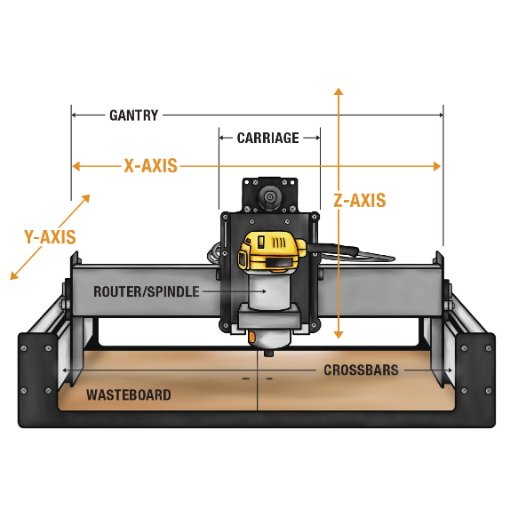
CNC wood routers are made up of several integral ingredients, all of which collaborate to execute sharp cutting, typing, or designing tasks in a sophisticated manner:
The spindle is the most essential component of the CNC router and is responsible for the tool. Their performance and capacity limits define various material sizes and thicknesses.
This provides a foundation on which workpieces can be firmly placed. Such are fixed using clamps or vacuum systems to ensure correct operation.
It consists of a mechanical mechanism that includes guide shafts or rails, hardware with ball bearings or roller bearings, and a lead screw that helps in the accurate positioning of the tool along the X, Y, and Z axes.
This block is responsible for interpreting the information contained in the digital design files, primarily G-Code, and translating this information into commands for the motors in terms of cutting tools.
The structure ensures that the machine is rigid, which prevents the cutting tool from moving significantly in its position due to vibrations.
Each of the above components contributes to the enhanced efficiency and accuracy of CNC routers, which explains why these machines have become a necessity in various sectors, including carpentry and metal processing.
Performance is focused on solving mechanical problems with high-speed spindle solutions, which are faster, more accurate, and more durable. For low-cost systems, the most critical aspects are affordable and straightforward solutions.
|
Parameter |
High-Performance |
Entry-Level |
|---|---|---|
|
Speed |
High RPM |
Moderate RPM |
|
Precision |
High accuracy |
Basic accuracy |
|
Durability |
Long-lasting |
Standard |
|
Cooling |
Advanced systems |
Basic systems |
|
Cost |
Expensive |
Affordable |
|
Applications |
Complex tasks |
Simple tasks |
Stepper motors are ideal for precise and cost-effective applications that require slow velocities, while servo motors can move quickly, handle heavier loads, and are more suitable for complex applications.
|
Parameter |
Stepper Motor |
Servo Motor |
|---|---|---|
|
Control |
Open-loop |
Closed-loop |
|
Feedback |
None |
Encoder-based |
|
Speed |
Low to moderate |
High |
|
Torque |
High at low speeds |
Consistent across range |
|
Accuracy |
±0.005° |
±0.02° |
|
Cost |
Lower |
Higher |
|
Efficiency |
Lower at high speeds |
High |
|
Applications |
3D printing, CNC |
Robotics, automation |
Every CNC router employs a control system that influences the machining’s accuracy, power, and the operator’s use of it. As a case in point, higher-end controllers often entail real-time monitoring, automatic optimization, and integration with higher-end CAD and CAM systems. Such systems are beneficial for tasks that require detailed information, including those with complex contours or mass production requirements. Equally, primitive controller systems were developed for simplified applications that focus on basic functionalities and are intended for beginner users with CNC machines. Basic controllers have some limits, although they are very convenient for first-time users of CNC machines. Even low-end controllers have several advantages that can be leveraged in CNC machining, as the cost of entry is not prohibitive. In such cases, it depends on the individual’s knowledge and the type of work being undertaken. Moreover, modern trends in CNC software discourage the use of terms such as ‘advanced’ and ‘low’ systems, as they introduce specific applications in the low control zones and enhance certain functions for entry-level controllers as well.
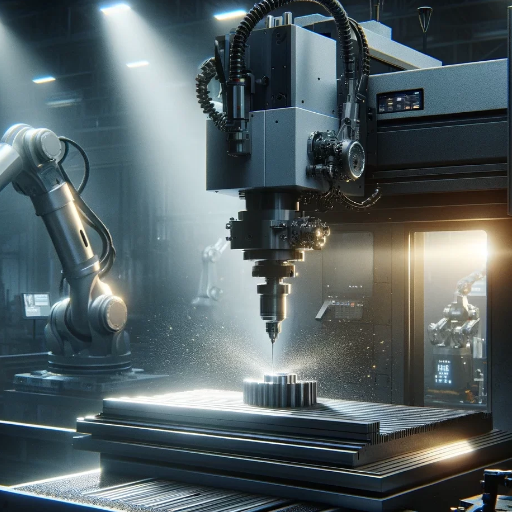
Fast forward to 2024, and it is an entirely different story in the CNC universe, with advancements in automation, precision, and user-operated systems, as well as career and learning systems in place to a greater degree. New ideas suggest that AI-powered solutions may help increase every aspect associated with machining, which also falls within the narrow scope of machine work itself, as well as the use of sensing technologies within these systems. Available structures in utilization are also put to use, allowing the emerging development of cloud-based systems aimed at providing workplace improvement over the administration of manufacturers. In addition to, and perhaps even more so than, advancements, efforts such as power savings technology or conservation, for example, in the form of the equipment used within the industry, are also advancing. These directions define a reality where CNC technology is both advanced and socially responsible.
Recent developments in CNC routing have led to significant improvements in the speed, precision, and flexibility of these machines. Enhancements such as rapid spindles and modernized toolpath techniques facilitate swifter cuts, sacrificing no accuracy, thus bringing forth excellent yields in both small and large production activities. Additionally, the increased tolerance to various materials has enabled CNC routers to handle a broader range of materials, including wood, soft plastics, complex composites, and metals. Furthermore, the application of AI and machine learning enables the efficient management of cutting tools by identifying the most suitable path.
Many people are currently seeking more information on the advantages of CNC routing. Where do the benefits of modern CNC technology lie? In the trio of work more, work harder, and work differently. The inclusion of new networks, from solid modeling to product modeling, as well as increased computing functionality, is more than appealing for creating the most intricate details. Strategic positioning of tolerance enables the execution of processes more effectively, especially when time is limited. These achievements not only reduce interruptions in production but also allow users to to cope with ever-changing market requirements for top-quality, cost-effective goods.
The application of automation in the manufacturing sector, particularly in CNC machines, has revolutionized the industry by enhancing efficiency and productivity to the maximum. The use of sophisticated automation geometries, such as robotics and automated tool changing, means that fewer people are required, thus reducing errors and the standard of cons. Additionally, the influence of Industry 4.0 on CNC machines is significant, as IoT has enabled these machines to be integrated with various aspects of technology. This is helpful in that CNC machines can be equipped with monitoring devices that help calculate the machine’s performance over time. Corrective actions will be practical, which in turn will reduce the operating costs in the long run. According to the most recent data, there is a steady interest in the usage of “smart manufacturing” and “automated CNC systems,” and even the frequency of such searches on search engines has increased. Manufacturers adopt such technologies to improve output and to maintain specified tolerance requirements by ensuring that operations are cost-effective within the competitive manufacturing industry.
CNC technology is advancing rapidly, driven by advancements in technology that enhance efficiency, accuracy, and scope. Below are five major technologies that are making a marked impact and possibly changing the CNC technology:
When connected to networks, CNC routers operate in real-time, providing information such as diagnostics and preventive maintenance. The potential for ease of operation and efficiency of organizations is such that live performance data and electronic tools contain all the designs necessary for the process. Several reports indicate that the total number of IoT installations in production is expected to increase by 24% year by year over the next few years.
CNC routers can also incorporate AI and machine learning for data understanding, error prediction, and the design of effective cutting paths. Advances in AI technology actively utilize adaptive processing technology, in which the machine accounts for material variations, thereby minimizing waste and improving the quality of materials.
The application of Automation in CNC routers enhances productivity with the inclusion of robotics, which can handle tasks such as a tool or handling device changes, part loading and unloading, as well as scale up the machine to produce more products. As a result, those involved in the sector are putting in a great deal of effort to ensure that by 2030, the manufacturing robotics sector will have more than fivefold to over $45 billion.
This is because a transition is taking place, recognizing the benefits of hybrid CNC machining equipment that combines traditional and additive manufacturing technologies, such as 3D printing. With such machines, the creation of complicated parts in a single operation can be easily achieved. Fractional components can be built through 3D printing, and then the shape can be adjusted to the desired shape using CNC technology.
Filling the last need, automation, including sensing the material to be processed, optimizing material removal, and machining, is gaining popularity in CNC routers. These technologies can identify the material and then adjust the cutting accordingly, ensuring precision cutting for each specific material. Proper detection of the materials reduces material handling waste and reduces the chances of mistakes.
With the help of these newly developing and improving technologies, the venture capitalist, in an endeavor to give an ‘edge’ in the highly competitive market, has the CNC router moving towards more intelligent, dependable, and economically viable solutions.
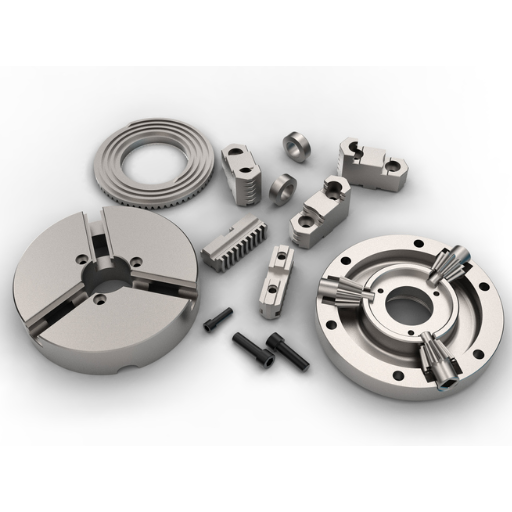
To achieve proper CNC part quality, reliability, and compliance of the component, the machine should be considered the most important. I suggest that you start by identifying reliable distributors with a proven track record and positive reviews. Review the materials and design to ensure they meet the requirements of your industry. Additionally, this involves assessing the items against market and consumer requirements. On the other hand, keep in mind to provide a satisfactory lead time and minimize the total production costs. Look for suppliers that have stable inventories and are customer-oriented, that deliver on timelines. Well, connections with various suppliers and subcontractors spare you a lot of time, more so in the procurement process, in case the materials break down.
Sourcing parts for a DIY CNC build is my primary objective. It starts with identifying well-rated and reliable suppliers of essential components and materials. The parts shall be scrutinized for the specified material and quality to ensure that they are fit for the job. At the same time, care shall be taken when choosing the parts, as high cost does not always translate to high performance. Instead, I prefer to work with suppliers who encourage me not to pay more than necessary for the goods or services procured. Ones that also hold up larger amounts of inventory and have extensive experience in customer service, as such cases do not help parts arrive on time. Establishing good, friendly relations with suppliers has helped speed up the entire process and prevent the project from being delayed at any point.
In the realm of assessing CNC router components, one tool that can be applied is a selection or design matrix. The items of primary concern include those that are most necessary when selecting components for CNC routers: they are precision components, durable, well-functioning, and cost-effective.
Key Questions to Address in the Selection Matrix
Reasonably, achieving project goals and KPIs does not require spending on them, though with a different approach towards overall project efficiency without compromising quality and performance.
Conducting vendor evaluation is effectively possible using the most recent information coupled with an organized approach. Maintains the most current information, including reviews, white papers, and performance reports, to ensure that the needs of concerned parties are met. A less obvious way to determine user perception is to collect feedback from users or third-party reviewers of products. Customer overall service reports include quality, service, support, and disappointment aspects, as they cover how people feel about a product. This will also help address concerns about whether the vendor’s products are suitable for a given project and comply with the existing standards in that particular sector. These findings, if incorporated into the assessment procedure, would enable the company to control the outcome of vendor selection by focusing prospects on vendors who are competent and low-risk in serving the organization.

For a CNC router, we all acknowledge that regular cleaning is an indispensable activity to ensure your components operate optimally and last longer. These are some ways to maintain your CNC machine tools:
Through the adoption of these virtuous practices, CNC router users benefit from reduced downtime, increased productivity, and higher-quality end products.
By integrating routine maintenance strategies with data analytics, factories can not only prolong the service life of their machinery but also improve its performance. One study revealed that many Internet users ask questions about the service life of CNC machines. Experts say that everyday checks of the reliability of comcodes’ spindles, cooling systems, and vacuum pumps reduce the negative impact of the possibility of a breakdown in service. Correspondingly, it is mandatory to inspect belts, screws, and other movable parts every week to identify and address any issues promptly. Annual or biannual plans are more comprehensive and address gravity, encompassing all systems, programming, and machinery operational requirements. Observing schedules provides an equal rate of adherence in operations, mitigating unpredictable damages or delays and improving the machine’s useful life under effective production targets.
It is essential to integrate credible maintenance methods with data-driven methods to enhance equipment efficiency. For example, failure prediction indirectly suggests that machines can be improved most effectively when they are appropriately monitored. It is essential to prevent possible incidents through predictive analysis, which can help identify problems before they arise. Furthermore, process performance can be increased through the use of automation and AI, as this allows for maintaining the quality of output without variations, reduces unnecessary activities, and ultimately increases efficiency. With these innovative blueprints in place, companies will push performance targets even higher to the edge of competitive effectiveness in their respective fields.
A: The essential CNC router parts include the frame, spindle, CNC controller, axis drive, and router bits. Each component plays a crucial role in the CNC router’s functioning, enabling it to perform precise cuts and milling operations on various materials.
A: The CNC controller is the brain of the CNC machine. It interprets the design files and translates them into movements for the router. A high-quality CNC controller ensures accurate execution of movements along the axes, enhancing the overall precision of CNC routing tasks.
A: CNC routers can work with a wide range of materials, including wood, plastic, aluminum, and composites. The versatility of CNC routers enables them to be used for a wide range of applications, from creating custom parts to producing intricate designs.
A: Router bits are specialized cutting tools designed for shaping and cutting materials. They come in various shapes and sizes to achieve different effects. When attached to the spindle of a CNC router, they enable precise milling and engraving operations.
A: CNC routing typically involves cutting materials from a flat surface, while CNC milling can include three-dimensional shaping and contouring. Both processes utilize similar technology but are suited for different applications and types of materials.
A: There are several different types of CNC routers, including desktop models, industrial routers, and DIY CNC routers. Each type is designed for specific tasks and materials, catering to hobbyists, small businesses, and large-scale manufacturing.
A: A CNC router converts digital designs into physical parts through a process known as CNC operations. The CNC controller reads the design file and instructs the router to move along the defined paths, using the router bits to cut and shape the material accordingly.
A: Linear motion is crucial in CNC routers, as it determines the precision and accuracy of the cuts made. The axis drive system enables the router to move smoothly along the X, Y, and Z axes, ensuring that the cutter follows the exact path specified in the design file.
A: CNC router accessories include various tools and components that enhance the functionality of the CNC router. These can consist of additional router bits, dust collection systems, and precision measuring tools, all of which contribute to improved performance and efficiency in CNC routing tasks.
A: The best CNC router for beginners is typically a straightforward, user-friendly model that accommodates a variety of materials and features a robust CNC controller. Many entry-level machines offer great features for DIY projects, making them ideal for those new to CNC routing.

Manufacturing processes are quite complex, and the choice of a production method is directly related
Learn More →
There are two major manufacturing methods for producing plastic prototypes that most people find useful
Learn More →
As a person involved or interested in the design and production of plastic components, it
Learn More →