When it comes to optimizing vehicle performance and achieving aggressive stances, CNC aluminum bolt-on wheel spacers have become the go-to product for automotive enthusiasts and professionals alike. Built to enhance handling, improve stability, and provide a perfect fit for custom wheels, these precision-engineered components are both functional and aesthetically pleasing. This guide examines the benefits of CNC aluminum wheel spacers, their interaction, and the impact on vehicle dynamics and customization. If you’re considering upgrading the look of your vehicle, or if it will lead to improved performance on the road or track, this guide will help you make an informed decision.
Understanding Wheel Spacers
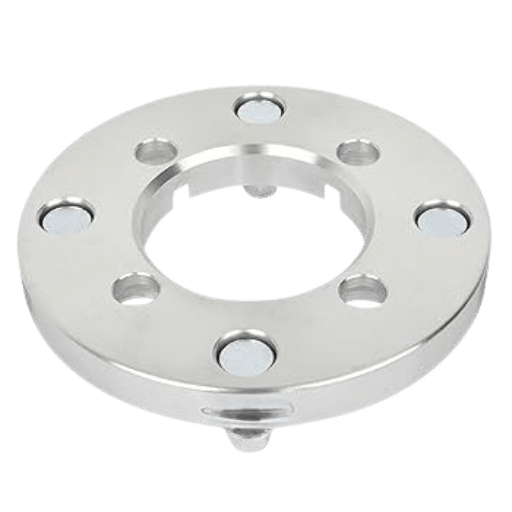
Wheel spacers are components installed between the wheel hub and the wheels of a vehicle to create extra space. For specific applications, it may be necessary to adjust the wheel positioning, typically by widening the vehicle’s track width. By increasing the distance between the wheels, these could improve the stability of a car, possibly enhance handling, and allow for clearance for larger brake calipers or custom-designed wheels. Constructed with sturdy materials such as aluminum or steel, high-quality spacers ensure proper alignment and balance, providing a safe and effective use when installed correctly.
What is a Wheel Spacer?
These are components used in the installation of a wheel onto the hub to provide additional distance between the two. Its primary effect is to increase the vehicle’s track width, which may make the car a bit steadier and more responsive during turns. In addition to this, wheel spacers are also used to provide adequate clearance for larger brake systems, custom wheels, and tires that may sometimes interfere with suspension or body components. When well installed, this is a competent and safe remedy to enhance the vehicle’s performance and looks.
Types of Wheel Spacers: Bolt-On vs. Slip-On
| Key Point | Bolt-On | Slip-On |
|---|---|---|
| Attachment | Bolted to the hub | Slips over studs |
| Studs Required | Comes with its own studs | Uses existing studs |
| Spacing Range | Thick (10mm+) | Thin (<10mm) |
| Installation | Moderate complexity | Simple |
| Durability | High | Moderate |
| Cost | Higher | Lower |
| Applications | Heavy loads, off-road | Light loads, minor adjustments |
| Performance | Aggressive, stable | Subtle, minimal |
| Maintenance | Regular checks needed | Minimal |
| Best For | Permanent setups | Temporary setups |
Common Applications of CNC Aluminum Wheel Spacers
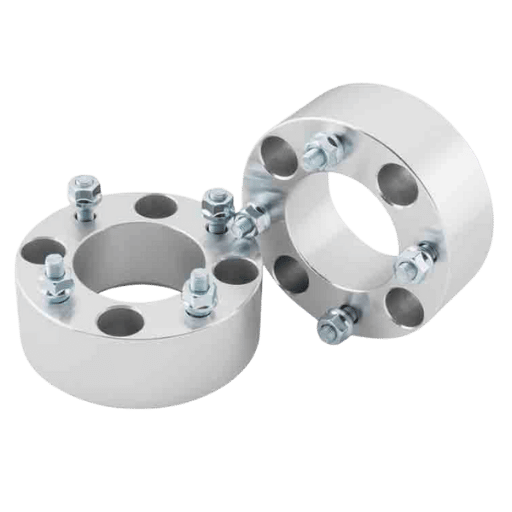
🎯 Improving Vehicle Stability
To improve stability and reduce body roll during abrupt turns or high speeds, CNC aluminum wheel spacers increase the vehicle’s track width.
🔧 Correcting Offset Issues
They serve to assist in offsetting misalignment by correctly positioning the wheels so that they do not interfere with the suspension components or brake systems.
🚗 Fitting Larger Tires
Wheel spacers come into play when one upgrades to larger or wider tires, giving the clearance so the tires do not rub against the wheel wells or suspension parts.
✨ Aesthetic Enhancements
Wheel spacers push the wheels outward, giving them a more aggressive look that is flush with the fender.
🏁 Custom Applications
CNC aluminum wheel spacers are commonly used in off-road and motorsports vehicles to satisfy specialized performance requirements.
Product Specifications of CNC Aluminum Bolt-On Wheel Spacers
Material and Construction
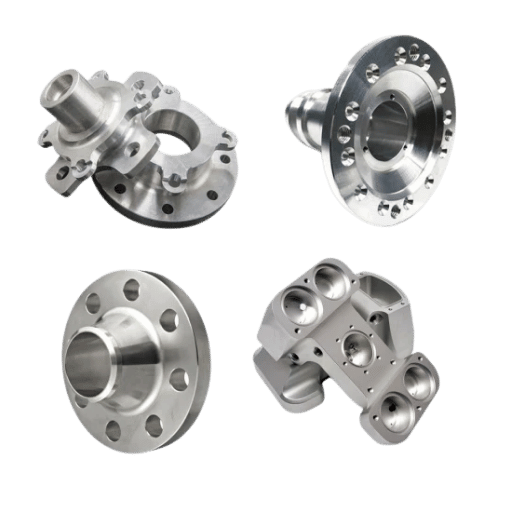
CNC-machined aluminum bolt-on wheel spacers are manufactured from high-strength aerospace-grade aluminum, such as 6061-T6 or 7075-T6, offering an impeccable balance between lightweight characteristics and utmost durability. Corrosion resistance is an added quality that these materials offer, enabling them to withstand a lifetime, even in harsh environments such as those encountered off-road or in high-performance applications.
Precision Engineering: CNC (Computer Numerical Control) machining enables the utmost precision in measurements, fit, and tolerances, typically within a range of 0.001 inches. Hence, it decreases any imbalance or vibrations during the installation phase.
The spacers are usually anodized to harden the surface and provide additional corrosion resistance. Hence, these can be utilized in various climates and environments. Studs and lug nuts of a higher grade steel are used for fastening to ensure that these components satisfy or exceed the automotive industry standards for strength and reliability (such as ISO 898-1 or SAE J429). Due to the combination of strong materials and advanced manufacturing processes, CNC aluminum bolt-on wheel spacers are trusted in both daily-driving and racing situations.
Specifications: Size, Bolt Pattern, and Thread Pitch
Typically, CNC aluminum bolt-on wheel spacers vary in size to accommodate different vehicle applications:
- Size Range: Usually, 5 mm to 50 mm in thickness for a precise fit and enhanced wheel stance
- Bolt Pattern (BCD): Common patterns include 5×114.3mm, 5x120mm, and 6×139.7mm to fit a variety of makes and models
- Thread Pitch: Standard thread pitches consist of M12 x 1.5, M14 x 1.5, and M12 x 1.25, depending on regional standards and vehicle specifications.
By standards formed from exact measurements of specific compatibility, these spacers will enable accurate wheel alignment, reduce vibration, and enhance handling efficiency.
Stud Requirements and Compatibility
Choosing the right spacer is essential from both a stud requirement and compatibility standpoint to maintain vehicle safety and working efficiency. Most vehicles come with a standard bolt pattern, which tells the number of studs and the diameter of the circle they form. Wheel spacers must have an exact bolt pattern match with the vehicle and wheels for a secure installation.
⚠️ Critical Safety Requirements:
- The thread pitch must be precisely as specified by the factory
- Longer studs may be required to accommodate spacers with a thickness exceeding 20mm, or bolt-on spacers with built-in studs may be used
- At least eight full turns for maximum safety are recommended
- Use high-quality materials, such as SAE Grade 10.9 or 12.9 steel, for optimal strength and durability
The standards ensure that the wheel spacers meet the compatibility requirements but also maintain structural integrity under all driving conditions, including heavy loads and high speeds.
Benefits of Using CNC Aluminum Wheel Spacers
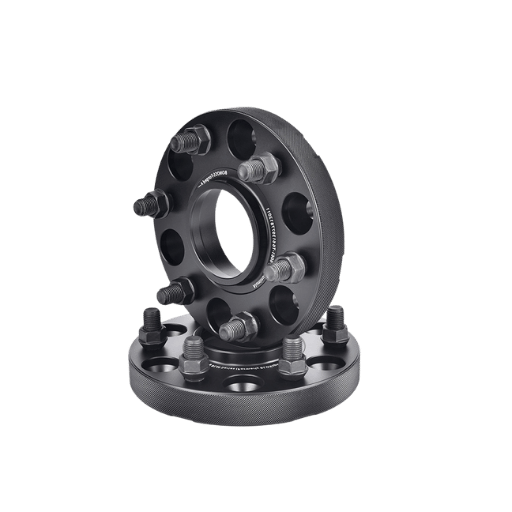
Improved Wheel Alignment and Handling
The use of CNC aluminum wheel spacers yields improved vehicle performance in terms of wheel alignment and precise handling. An increase in the wheelbase width means the car becomes more stable during cornering or when navigating uneven terrain. A wider stance provides an even distribution of the vehicle’s weight across the wheels, thereby resisting the tendency towards oversteer or understeer in high-performance or off-road vehicles.
Industry Data: Vehicle stability tests indicate that trackers with wider track widths, produced using high-quality spacers, can reduce the likelihood of rollovers by approximately 15%, particularly in the case of SUVs and trucks.
CNC machining maintains exact tolerances, ensuring that the spacers do not induce vibration nor do they fit improperly, which would negatively affect handling. The enhancement of this precision leads to improved performance, reduced wear and tear on suspension components, and further increases vehicle lifespan.
Enhanced Aesthetic Appeal
Wheel spacers are a technical accessory that enhances both performance and aesthetics. The further apart the wheels are, the more aggressive and sporty-looking the stance is considered, all valuable factors in vehicle customization. Quality-made spacers can be anodized in a variety of finishes, including black, silver, or even custom colors, all of which complement the wheels and bodywork aesthetically. By introducing an element of customization, owners can truly express their personality through their vehicle’s styling while respecting the ever-shifting trends of automotive design.
Increased Stability and Performance
Wheel spacers, etc., in vehicle stability and handling. They increase the track width—the distance between the left and right wheels—giving the vehicle a larger base for side loads, which enhances cornering stability and resists body roll during sharp turns. All this is great for high-performance or all-terrain vehicles that need a perfect handling scheme.
From an engineering perspective, increasing the track width benefits load distribution through the suspension, thereby improving the overall dynamic disposition. Wheel spacers, when well-designed and made from high-quality materials, help alleviate stress on the bearings and hubs, thereby preserving the integrity of the critical parts over time. Modern spacers are now lighter and more durable, offering the desired performance gains and lifetime reliability.
Installation Guide for Bolt-On Wheel Spacers
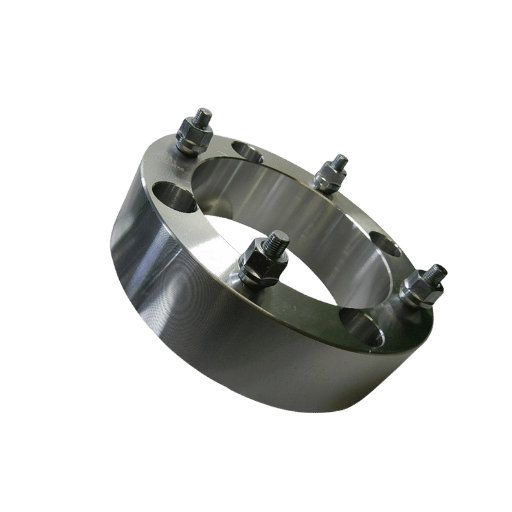
Tools Required for Installation
To successfully install bolt-on wheel spacers, the following tools and equipment are typically required:
- 1Torque Wrench – Ensures precise tightening to manufacturer specifications
- 2Socket Set – Comprehensive set with standard and metric sizes
- 3Breaker Bar – Provides additional leverage for tight lug nuts
- 4Jack and Jack Stands – Essential for safely lifting and securing the vehicle
- 5Wheel Chocks – Prevents vehicle movement while jacked up
- 6Thread Locker Compound – Reduces risk of bolt loosening
- 7Measuring Caliper – Confirms spacer thickness and clearance
- 8Wire Brush – Cleans dirt and rust from studs and hub surfaces
- 9Protective Gloves and Safety Glasses – Personal protection during installation
Using the appropriate tools not only ensures a secure installation but also minimizes the risk of damage to the vehicle or its components. Always refer to the vehicle manufacturer’s specifications and guidelines when performing modifications or adjustments.
Step-by-Step Installation Process
Prepare the Vehicle
The vehicle should stand on flat, even, and stable ground with the parking brake fully applied. Wright chocks are fitted to immobilize the car. Ensure the engine is switched off. Let it cool down if it has just been in operation.
Loosen the Lug Nuts
Next, loosen the lug nuts of these wheels with a good lug wrench or a strong breaker bar. Never take off the lug nuts completely at this time; the wheels must remain in place until the vehicle is lifted.
Lift the Vehicle
Using a hydraulic jack or a scissor jack, lift the vehicle carefully and slowly. Refer to the vehicle owner’s instructions for the correct jack points to prevent damage to the undercarriage. Then, use jack stands to support the car securely.
Remove the Wheels
Once the vehicle has been lifted securely, the now loosened lug nuts can be removed entirely from the vehicle, the wheels taken off the car, and put away in a clean, safe place to avoid damage.
Inspect and Clean Mounting Surfaces
Check the wheel studs, hub surfaces, and mounting areas for the presence of rust, dirt, or debris. These would require cleaning with a wire brush or another suitable tool to ensure optimal contact between the components.
Install the Wheel Spacers
Structure the wheel spacers with the wheel studs or hubs. Do a precise alignment by comparing the bolt patterns with those of the vehicle. Tighten the hardware provided according to the torque values of the component manufacturer.
Reattach the Wheels
Mount the wheels onto the vehicle with the new components loosely held in position. Use lug nuts to install the wheels.
Tighten Lug Nuts to Torque Specifications
Lower the vehicle so that the wheels just make light contact with the ground, maintaining its stability. Using a torque wrench, hold the torque specs given by the vehicle manufacturer and tighten the lug nuts in a star pattern.
Safety Check and Test Drive
Double-check all hardware to ensure it is secure before confirming the security of the components. Now, lower the vehicle completely, taking away the jack and stand. A short test drive is then required to listen for any unusual noises, vibrations, or irregularities in handling. Afterward, recheck the installation to ensure everything is still firmly in place.
✓ Pro Tip: By following these comprehensive steps, with all technical specifications set forth, you can undertake a safe and professional-quality installation. The use of proper tools and procedures will minimize hazards and ensure the longevity of the work. Hence, the individual must ensure safety and accuracy throughout this procedure.
Torque Specifications for Lug Nuts
Proper torque specifications for lug nuts are required to promote the stability and safety of the wheel. Torque values vary depending on the vehicle type, wheel material, and lug nut design. Below is a rough overview of general torque specifications for common types of vehicles:
- Passenger Cars: Typically between 70 and 100 ft-lbs. Always follow the guide produced by the manufacturer.
- Light Trucks and SUVs: Usually from 100 to 140 ft-lbs, as heavier loads and larger wheels are involved.
- Heavy Duty Trucks: The torque specifications can be from 200 ft-lbs to 500 ft-lbs, depending on weight and performance.
⚠️ Critical Torque Guidelines:
- Use a calibrated torque wrench to achieve specified values accurately
- Under-tightening can result in loose wheels, while over-tightening may damage the wheel assembly
- Tighten lug nuts in a crisscross (star) pattern to ensure even pressure
- Always double-check torque after driving a short distance, especially after installing or rotating tires
Maintenance Tips for Wheel Spacers
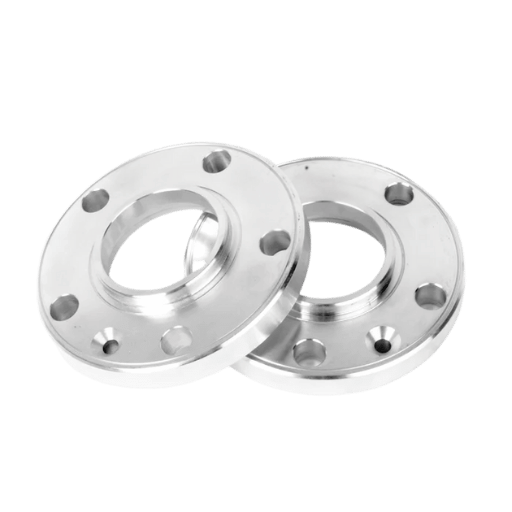
Regular Inspection and Cleaning
Maintenance forced upon spacers will enhance their longevity and build performance. Inspect the wheel spacers during regular maintenance intervals to check for signs of wear or corrosion. Inspect for possible damage to the surfaces in contact with the vehicle or to the bolt holes, as these are common points of stress.
🔍 Inspection Checklist
- Check for cracks or warping
- Examine contact surfaces
- Inspect bolt holes for stress
- Look for signs of corrosion
🧼 Cleaning Best Practices
- Use non-abrasive cleaners
- Remove brake dust regularly
- Apply mild detergent with soft brush
- Avoid harsh chemicals
It is advisable to check the torque of lug nuts holding the spacers during vehicle inspections. This becomes particularly necessary after the initial installation or extended vehicle operation, as vibrations can cause it to loosen. Ensure the spacer is correctly aligned with the hub and wheel to maintain equal wear and maximize vehicle stability. Regular cleaning and inspection of wheel spacers will help ensure safety and keep the vehicle’s performance.
Signs of Wear and When to Replace
Recognizing the signs of wear on wheel spacers is necessary for vehicle safety and performance. Scarcely visible cracks or warping of the spacer surface are present, for they would have compromised structural integrity. Similarly, any unusual vibration or noise during vehicle operation may indicate that the spacer has either shifted out of its seat or become damaged.
Warning Signs That Require Immediate Attention:
🔴 Visual Damage
Visible cracks, warping, or corrosion
🟠 Vibrations
Unusual vibration during operation
🟡 Noise
Abnormal sounds from wheel area
🟢 Alignment Issues
Difficulty maintaining proper alignment
🔵 Tire Wear
Uneven wear patterns on tires
🟣 Bolt Holes
Elongation around bolt holes
📋 Inspection Schedule:
The industry guidelines recommend inspecting spacers for wear every 5,000 to 7,000 miles or during routine maintenance. Higher-quality spacers, made from materials such as aerospace-grade aluminum, will last longer. However, even high-quality ones must be replaced immediately if damaged to ensure maximum vehicle performance and safety. Frequent inspections with immediate replacements are mandatory for vehicles operating in rough conditions or off-road.
Proper Handling of Lug Nuts and Studs
Checking proper handling of lug nuts and studs is the guarantee of the safety and functionality of the wheels in any vehicle. During the installation and removal of lug nuts, the driver’s manual torque specifications must be strictly adhered to. Lug nuts are generally over-tightened, causing thread damage or stud breakage; at other times, they are under-tightened, resulting in vibrations and the possibility of the wheel loosening.
Best Practices for Lug Nut Maintenance:
- ✓ Use a calibrated torque wrench for accurate torque application
- ✓ Regularly inspect lug nuts and studs for wear, corrosion, or damage
- ✓ Replace any parts showing visible wear or deformation immediately
- ✓ Avoid cross-threading when securing lug nuts
- ✓ Apply anti-seize compound sparingly on stud threads (only if permitted by manufacturer)
Heavy traffic loads and severe torque conditions require greater attention to maintenance for trucks and off-road vehicles. Their routine maintenance, coupled with proper installation techniques and compliance with torque specifications, guarantees the extended life of these components and the safety of the car.
Frequently Asked Questions (FAQs)
Q: What are CNC aluminum bolt-on wheel spacers?
A: CNC aluminum bolt-on wheel spacers are precision-machined components that are installed between the wheel and the hub of a vehicle. They are designed to create additional clearance for larger tires, improve handling, and enhance the overall aesthetics of the car by providing a wider track width and an aggressive stance.
Q: How do I choose the right size of wheel spacers?
A: Choosing the right size of wheel spacers depends on various factors, including the desired offset, the type of wheels you’re using, and the vehicle’s specifications. Standard sizes include 20mm spacers for a subtle change and 25mm spacers for a more aggressive look. Ensure that the spacers are hub-centric to maintain proper fitment and safety.
Q: Are wheel spacers safe to use on my vehicle?
A: Yes, when properly installed, CNC aluminum bolt-on wheel spacers are safe. It is essential to use high-quality spacers that are CNC-machined from billet aluminum. Additionally, ensure that you torque the lug nuts to the manufacturer’s specifications to prevent any issues while driving.
Q: What is the difference between hub-centric and lug-centric spacers?
A: Hub-centric spacers fit snugly around the hub of the vehicle, which helps to distribute the load evenly and reduce vibrations. Lug-centric spacers rely solely on the lug nuts for centering, which can lead to misalignment. For optimal performance, it is advisable to use hub-centric wheel spacers.
Q: Can I use wheel spacers with aftermarket wheels?
A: Yes, you can use wheel spacers with aftermarket wheels. However, ensure that the spacers are compatible with the bolt pattern of the wheels, such as 5×120 or 5×114.3, and that they match the required center bore size for proper fitment.
Q: How do wheel spacers affect the handling of my vehicle?
A: Wheel spacers have other effects on handling by widening the track width on either side of the vehicle, thereby better stabilizing the car in cornering, providing improved grip, i.e., for the motorsport application where performance is absolutely required. It would, however, be good to maintain satisfactory fitment lest it should affect suspension geometry inadequately.
Q: What are the benefits of using 1.5-inch wheel spacers?
A: The 1.5-inch wheel spacers will give the vehicle a wider stance, good in terms of aesthetics, whilst also affecting the handling characteristics of the car to some extent. It also provides clearance for larger tires, which may be used in off-road and performance applications.
Q: How do I install CNC aluminum bolt-on wheel spacers?
A: The installation of CNC aluminum bolt-on wheel spacers starts by jacking the vehicle up, taking off the wheels, and placing the spacer onto the hub. Following the positioning of wheel spacers onto the hub, fit the wheels and torque the lug nuts to the specified torque using longer wheel studs, if necessary. Always double-check the fit before driving.
Q: Do I need to modify my vehicle to use wheel spacers?
A: Normally, installing wheel spacers does not require wheel modifications to your vehicle, as long as you get the correct size and type. Large spacers may require longer wheel studs or some kind of modification to ensure proper clearance against components such as brakes and suspension components.
Q: What materials are CNC aluminum wheel spacers made from?
A: CNC aluminum wheel spacers are mostly machined out of aluminum grade material such as 6061-T6, which is excellent for strength and durability, while some could also be anodized to give that extra corrosion resistance and look-good finish to the spacers, which in turn equates to good performance through time.
Reference Sources
- Rover Chassis & Suspension: The document focuses on aluminum spacers and their application in mechanical systems, delving into materials and design considerations thereof.
- MIT Research on Wheel Centers: This paper from MIT examines the use of aluminum and bolts in wheel assembly, providing relevant technical insights.
- Aluminum CNC Machining Service
- Aluminium