

Manufacturing processes are quite complex, and the choice of a production method is directly related
Learn More →
In terms of modern manufacturing, few engineering materials come close to the availability, strength and relativity easy machinability of 6061 aluminum. Whether it is in the aerospace industry, for an automotive part, or even if you just need custom parts for various sectors; 6061 aluminum can easily be machined and is a favorite for engineers and machinists all over. Cutting 6061 aluminum can be tricky at times and this blog post will demonstrate some of the necessary steps that need to be followed in order to ensure target dimensions with precision after every single attempt. Knowing how to properly cut, bisect and polish the material is just half of the overall picture and we will reveal the other half of mastering this material in order to always surpass your goals. I invite you to come with me and explore this marvelous alloy and find new techniques to improve your machining.
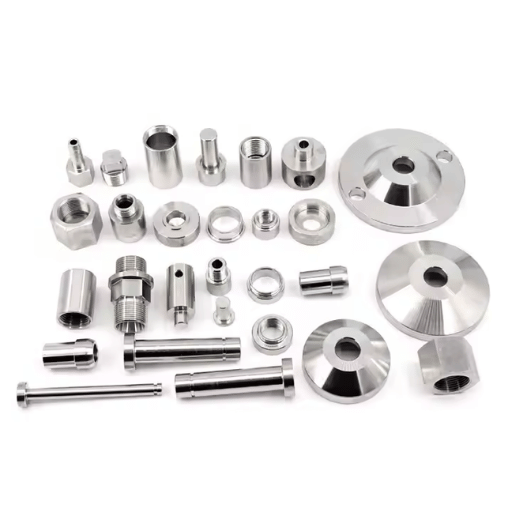
6061 aluminum remains an alloy of choice because of its wide applications and popularity in different industries. It was formed mainly from aluminum, magnesium and silicon which helps in corrosion resistance, strength and versatility. It is also valued in machining because it’s simple to shape and has considerable accuracy in cutting and finishing. In addition, this alloy offers good electrical and thermal conductivity making it applicable in several industries such as construction, automotive and aerospace. The reason many engineers and manufacturers opt for 6061 aluminum is because of its affordability, performance, ease of use, and adaptability.
6061 aluminum is primarily composed of aluminum, magnesium, and silicon, with trace amounts of other elements that enhance its strength and corrosion resistance.
|
Key Point |
Details |
|---|---|
|
Aluminum |
~97.9%-98.6% |
|
Magnesium |
|
|
Silicon |
|
|
Iron |
Max 0.7% |
|
Copper |
|
|
Zinc |
Max 0.25% |
|
Chromium |
|
|
Titanium |
Max 0.15% |
|
Manganese |
Max 0.15% |
|
Residues |
Max 0.05% each |
As observed from the most recent research trends using Google’s search, aluminum alloys are well-known in engineering for a variety of their useful properties. These materials have a unique combination of high strength and low weight, resistance to corrosion, and good thermal conductivity which is beneficial for industries like aerospace, automotive, and construction. Furthermore, aluminum is recyclable and energy-efficient during production which increases its acceptability in different sectors due to the emerging sustainability needs.
6061 aluminum provides better corrosion resistance and weldability, whereas 7075 is superior in strength and hardness, making each alloy suited for specific applications.
|
Parameter |
6061 |
7075 |
|---|---|---|
|
Strength |
Moderate |
High |
|
Hardness |
Moderate |
High |
|
Corrosion Res. |
High |
Moderate |
|
Weldability |
Excellent |
Poor |
|
Machinability |
Good |
Fair |
|
Cost |
Lower |
Higher |
|
Density |
Equal (2.7 g/cm³) |
Equal (2.7 g/cm³) |
|
Applications |
Versatile |
High-Stress |
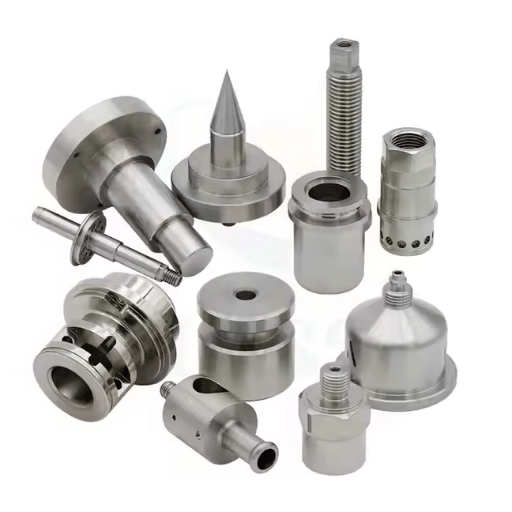
The machining of 6061 aluminum parts requires several key steps based on the part’s excellent machinability along with its corrosive resistant properties. When using CNC equipment, the following practices are crucial:
Tool Selection: For 6061 machining, it is best to use carbide cutters as they provide accuracy and longevity. HSS tools are acceptable, but generally, HSS tools have a lower wear resistance and performance compared to Cobalt tools.
Cutting Speeds and Feeds: Best results are obtained when cutting speed is high and feed pace is moderate. This will ensure less deformation of the surface and a better finish.
Coolant Usage: The overall temperature of the machine is lowered when coolants with water or oil additives are used, This also prevents deformation of metals and fracturing of brittle tools.
Chip Management: Due to the surface sticking characteristics of this material, efficient removal of chips is extremely important. This can be achieved by tools having chip-breakers or by the use of high-pressure coolants.
Surface Finishing: Additional processes such as fine sanding or polishing can also be added to improve the look of the parts and to provide functional density.
6061 aluminum is a common alloy used in many fields such as aerospace, automotive, and construction industries because of its strength, machinability, and resistance to corrosion. By following these machining steps, manufacturers are able to obtain proper and accurate results which increase production efficiency.
Selection of Tool Materials: For machining 6061 aluminum, carbide tools are highly suggested because they retain their edge and resist wear during high speed operations.
Cutting Speed: Depending on the tool and machining circumstnaces, cutting speeds of 600 to 1,500 surface feel per minute can be considered optimal.
Feed Rate: Machining aluminum, a feed rate of 0.005 to 0.02 inches per tooth (IPT) is standard along with balancing the surface finish of workpiece.
Coolant Use: A tool that is water-soluble can greatly decrease wear on tools by increasing heat removal, chip removal, and preventing deformation of materials.
In machining aluminum, achieving optimal chip evacuation and a high-quality surface finish involves addressing several considerations. Current recommendations emphasize that tool shape, especially the rake angle, needs to be adjusted to reduce BUE and enhance chip removal. Furthermore, the precision of coolant delivery systems can improve chip evacuation by reducing heat accumulation at the cutting interface. Advanced tool coatings such as TiN or TiCN have proven to enhance surface finish quality due to reduced frictional wear during machining. Implementing these recommendations together with constant observation of cutting parameters increases efficiency while guaranteeing quality in aluminum machining operations.
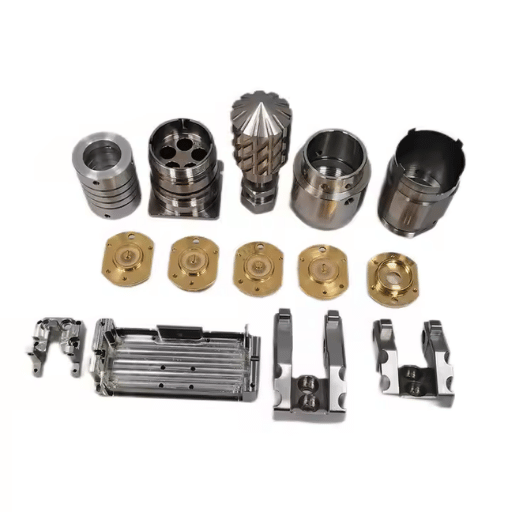
The challenge of 6061 aluminum built up edge (BUE) poses for welding tools is usually detrimental to surface finish and tool longevity. A recent shift in data trends shows that machinists commonly utilize high-performance carbide tools with optimized geometries aimed at reducing BUE. These tools enhance performance by reducing material build-up at the cutting edge and enabling chip removal. Furthermore, tools can overheat due to excessive heat generation from the machinery. If a tool is exposed to excessively high temperatures for prolonged periods, its performance and the material’s properties risk undergoing a negative shift. Incorporating flood coolant systems or mist autospray techniques to thermo-stabilize during machining are some of the solutions. Embracing such modern solutions alongside proper BUE designed cutting tools specifically for aluminum alloys promises improved process efficiency and consistency.
Machining accuracy, efficiency, and surface finish in CNC milling operations depend on the proper choice of RPM and feed rates. Based on the state of the market, available materials, cutting tools, and the torque limits of the milling machine, a range is predicted and tailored. For instance, softer materials such as aluminum sometimes need higher RPM and quicker feed rate, unlike harder constituents, steels which require a reduced RPM and slow and constant feed to avoid tool wear and overheating. Recent studies suggest that precision and dynamic adjustments while operating could be achieved by incorporating advanced software algorithms and real-time monitoring systems. Meeting these conditions enhances tool longevity, curtails material waste, and enables cost-effective, eco-friendly manufacturing.
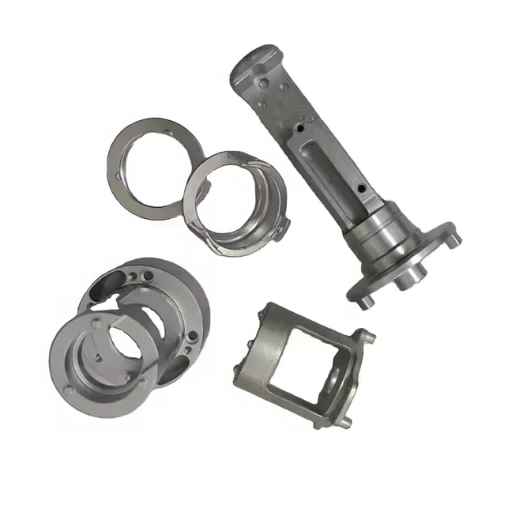
Attaining peak efficiency when CNC machining 6061 aluminum requires the right tooling, effective machining strategies, optimal machine settings, and proper configuration. Recent trends and data, especially from Google searches, highlight the following primary considerations:
Applying the aforementioned strategies based on contemporary data can enhance productivity, surface quality, and consistency in performance while machining 6061 aluminum. This leads to a more economically and operationally efficient process for manufacturers.
The heat treatment of 6061 aluminum alloys, specifically T6 tempering, significantly strengthens its tensile properties. As an example, untreated 6061 aluminum has a tensile strength of around 18,000 psi. T6 tempered 6061 alloy dramatically improves this figure, attaining 42,000 psi which makes it much more appropriate for structural applications that require high durability.
The addition of certain trace elements such as silicon and magnesium during alloy modifications improves the wear resistance of 6061 aluminum. The enhancement allows 6061 aluminum alloys to endure greater abrasive wear and reduce abrasion under sustained mechanical friction.
Changes to the heat treatment process have a specific impact on thermal conductivity. 6061 aluminum alloys have a high thermal conductivity value of 167 W/m·K, which makes this alloy helpful in manufacturing heat exchangers and electronic housings that require efficient thermal management.
Changes in the alloys, along with efficient heat treatment, improve the corrosion resistance of 6061 aluminum alloys, especially for marine and industrial uses. For example, the resistance to pitting and general corrosion for T6-tempered 6061 is much higher than that of untreated 6061.
Strength-to-weight ratio is excellent
Machining and welding ease is high
Dissipation of heat: effective
Corrosion resistance after proper heat treatment is enhanced
Application in marine and industrial fields: suitability
Use in structural and thermal: versatility
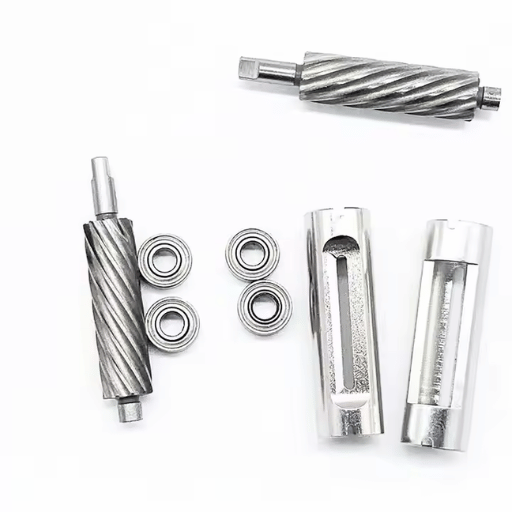
The specific strength of 6061-T6 aluminum alloy makes is one of the most used materials in automotive and aerospace industries. As suggested by Google Trends and Industry Reports, this alloy is best suited where fuel efficiency and performance optimization are needed as it has structural strength and lightweight properties. Its yield strength of nearly 40,000 psi along with a density of 2.7 g/cm³ makes it easy to increase material durability outperformed competing alloys. These features improve the design flexibility, payload capacity, and energy efficiency of most modern aircraft and automobiles.
Material Composition: Offers various advantages within specific aerospace segments owing to a high residue aluminum matrix with magnesium and silicon serving as secondary alloying elements which provides corrosion resistance. This extends component lifetime in harsh exposure conditions.
Thermal Conductivity: A value of approximately 237 W/m·K makes this alloy suited for high temperature applications where extraordinary heat removal capability is needed for stable operation.
Fatigue Strength: Under fluctuating stress conditions, this material has a fatigue limit of approximately 14,000 psi making it extremely dependable for use in long operational cycle applications.
Precision Tolerances: The aerospace machining features of Alberta Precision Machining, LLC includes machining with tolerances of ±0.001 inches which is performed using modern machining equipment and fulfills strict aerospace industry requirements.
Aluminum’s properties, such as its high strength-to-weight ratio, excellent corrosion resistance, and remarkable machinability, make it ideal for automotive innovations. By leveraging these attributes, I can contribute to the development of lightweight, fuel-efficient vehicles while ensuring durability and performance under rigorous operating conditions.
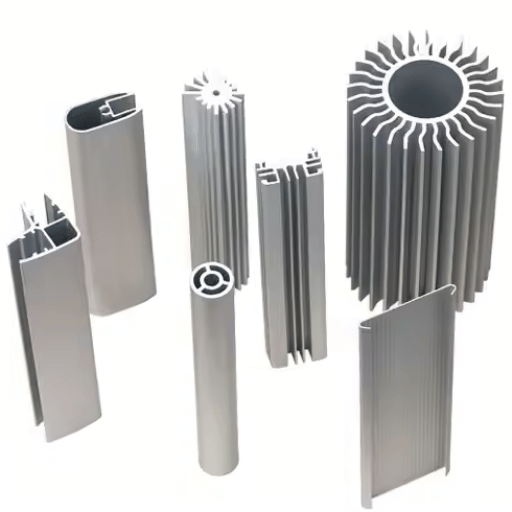
A: The 6061 aluminum alloy has a good reputation for using aluminum materials because it is lightweight, and has strong resistance to corrosion, in addition to good machinability. Furthermore, the alloy is adaptable in that it is weldable and provides high-grade aluminum for different uses.
A: Although both 6061 and 7075 aluminiums are part of the alloy series, 6061 is highly machinable while 7075, which is part of the 7000 series is known for high strength. The downside with 7075, however, is that it is less machinable as compared to 6061 alloy, hence the latter is more suited for detailed machined components.
A: For aluminum 6061, commonly used machining techniques include face milling, end milling, and CNC turning. Improvement of these operations can be gained by optimisation of spindle speed and depth of cut. Also, because 6061 aluminum is easily welded, it can be used to make many different complex cnc parts.
A: With regard to sheet metal components, 6061 aluminum alloy can be produced from wrought metal due to its characteristics of elevated corrosion resistance and favorable strength to weight ratio. This alloy is hence useful in the production of components which require reduced mass but high durability.
A: The 6000 series is characterized by alloying elements which improve their machinability and corrosion resistance, which includes 6061 aluminum alloy. These alloys with 6061 are used widely owing to their robustness and adaptability which makes them the preferred grade for consideration in heavy engineering industries.
A: Machining with an end mill or face mill on 6061 aluminum can be performed using standard industrial tools making it one of the most easily worked alloys. It also provides good machinability making it easy to produce cnc parts which is favored by manufacturors.
A: The quality of machined surface and the life of the tool undergo alteration with how the spindle speed is set. Therefore, balance is crucial in machining 6061 aluminum. Smoothing the finish and increasing durability of the tools will result in highly qualitative aluminum parts after optimal spindle speed is reached.
A: 7075 alloys are stronger than 6061 aluminium which makes it less attractive for applications that need lightweight materials. Nevertheless, it 6061 aluminum still works as a versatile alloy for many applications that do not demand extremely high levels of strength and good amount of machinability and stiffness.
1. Investigation of the effect of surface transition on the formation of byproduct and flow marks during the electrochemical machining of 6061 aluminum
2. Toward clean manufacturing: an analysis and validation of a modified Johnson–Cook material model for low and high-speed orthogonal machining of low-carbon aluminum alloy (Al 6061-T6)
3. Optimization of aluminum 6061 surface integrity on dry-running machining CNC milling using Taguchi methods
4.Top Aluminum CNC Machining Service Provider & Company In China

Manufacturing processes are quite complex, and the choice of a production method is directly related
Learn More →
There are two major manufacturing methods for producing plastic prototypes that most people find useful
Learn More →
As a person involved or interested in the design and production of plastic components, it
Learn More →