

Manufacturing processes are quite complex, and the choice of a production method is directly related
Learn More →
While rust and corrosion, like most metals, present a challenge, titanium stands out as one of the most resilient materials on the planet. The strength, durability, and lightweight characteristics of titanium allow it to be utilized in industries from aerospace to medical implants. But, does titanium rust or corrode under extreme conditions like steel does? This article focuses on how unique titanium’s properties are and for what reason it is used in so many demanding environments. Whether you’re an engineer or manufacturer, or even just someone interested in material science, understanding the best features of titanium can help aid in its reliability and performance. Keep reading, and discover the wonders of titanium and why it can withstand the test of time and elements.

Titanium does not rust because, when exposed to air, it forms a strong and stable oxide layer that protects the metal beneath. The oxide layer prevents water, air, and other corrosive materials from penetrating the metal. Unlike titanium, most materials corrode and degrade over time, but titanium’s oxide layer can regenerate if scratched. This property allows titanium to endure harsh environments. This property equally makes titanium ideal for use in industries that require reliability and corrosion resistance.
The alloy we are summarising contains titanium. Titanium’s primary features in metals are its traits of being comparatively light, along with good strength, sturdy, very high resistance to corrosion, biocompatibility, and temperature resistance.
| Key Point | Details |
|---|---|
|
Density |
4.5 g/cm³ |
|
Melting Point |
1668°C |
|
Boiling Point |
3260°C |
|
Strength |
High tensile |
|
Corrosion |
Resistant |
|
Conductivity |
Low thermal |
|
Reactivity |
Forms oxide |
|
Applications |
Aerospace, medical |
|
Hardness |
70-74 HRB |
|
Elasticity |
120 GPa |
Titanium does not rust like other metals. This is because titanium undergoes passivation, which protects the metal with a stable titanium oxide layer. Passivation involves the titanium metal reacting with oxygen, where it forms a thin and strongly adherent layer of titanium dioxide (TiO₂). The oxide layer of TiO₂ ceases the further reaction of the titanium metal with the surrounding environments like water, moist air, or deleterious chemicals, thus stopping the process of corrosion. Moreover, titanium’s affinity to oxygen guarantees that any oxide film that gets scraped will mend without delay, ensuring its rust resistance will not decrease. Due to this reason, titanium is preferred in engineering materials that operate in hostile environments – aerospace and medical applications.
Recent studies underscore the importance of the self-forming protective oxide layer in increasing the durability and corrosion resistance of materials like titanium. This oxide layer develops naturally through a chemical reaction of the metal’s surface with oxygen, which results in the formation of a thin, uniform, stable, and strongly adherent barrier. Google scholar suggests that the mitigation of damage due to mechanical stressing is most relevant in situations involving wear and tear of the material. The regenerative process ensures oxide cover restarts almost immediately after any scratching or damage occurs, ensuring consistent and perpetual protection. Not only does this remarkable feature reduce maintenance expenses, but it also increases the operational lifetime of components, resulting in the persistent demand for oxide-coated metals in high-reliability industries such as energy, construction, and marine engineering.
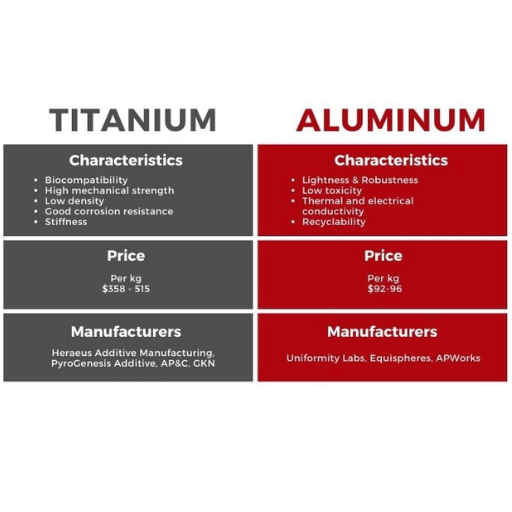
Titanium’s outstanding resistance to corrosion extends to its capability of mitigating crevice corrosion, a form of localized attack that occurs in confined areas where stagnant solutions accumulate. There are several approaches to prevent this type of corrosion in titanium alloys. One approach is the use of high-grade titanium alloys that provide better durability in aggressive environments, exemplifying a corrosion-resistant material approach. Equally important are design considerations, which involve the elimination of crevices through smooth, continuous welding or designed joints that diminish susceptibility. Also, protective coatings or sealing compounds that create additional barriers to corrosive elements further safeguard the components. These measures maintain the integrity and dependability of titanium alloys in rigorous conditions and during use in many industrial applications.
While titanium protects itself from further corrosion by forming a stable oxide layer (TiO₂), which is further titanium dioxide, iron undergoes corrosion by forming oxide iron known as rust, which flakes off and exposes more metal for further oxidation.
|
Parameter |
Titanium |
Iron |
|---|---|---|
|
Oxide Type |
Titanium dioxide |
Iron oxide |
|
Formation |
Protective |
Flaky |
|
Corrosion Rate |
Very slow |
Rapid |
|
Self-Healing |
Yes |
No |
|
Reactivity |
Low |
High |
|
Durability |
High |
Low |
|
Water Impact |
Minimal |
Severe |
|
Salt Resistance |
Excellent |
Poor |
Rural and coastal areas, sophisticated polluted industrial zones, and areas with corrosion, rust, and moisture exposure all fall under the humid zones of specific interest.
| Parameter | Details |
|---|---|
|
Type |
Corrosion, Rust |
|
Material |
Metals, Polymers |
|
Cause |
Moisture, Oxygen |
|
Environment |
Coastal, Industrial |
|
Prevention |
Coatings, Inhibitors |
|
Impact |
Structural Damage |

Your titanium ring can keep its durability and protection by following these steps:
In conclusion, all of the above practices will ensure that your titanium ring’s quality is maintained.
Tips for cleaning titanium jewelry conclude that the correct cleaning methods need to be done regularly to maintain its shine. Avoid harsh chemical and abrasive soaps while washing the piece to clean jewelry. It should be thoroughly washed with warm water. If the jewelry is professionally done, the titanium should be protected. A mild soap should be used for deep cleaning the surface. Currently on Google, one of the most searched hypotheses is that most people recommend a basic vinegar solution, which consists of 1 part vinegar and 2 parts water; however, it should be used sparingly and tested in a small area first. In addition, placing titanium jewelry in distinct compartments lessens the possibility of scratches from hard surfaces. Implementation of the above methods will ensure that the jewelry remains radiant and polished for several years.

The industry sectors such as aerospace, medicine, and automotive have benefitted tremendously from the lightweight alloys of titanium coupled with aluminum, vanadium, molybdenum, and chromium, due to their lightweight composition and remarkable strength.
| Key Point | Details |
|---|---|
|
Composition |
Ti + Al, V, Mo, Cr |
|
Types |
Alpha, Beta, Alpha-Beta |
|
Strength |
High strength-to-weight |
|
Corrosion |
Excellent resistance |
|
Applications |
Aerospace, Medical, Automotive |
|
Grades |
5, 6, 7, 23 |
|
Properties |
Lightweight, Durable |
|
Limitations |
Cost, Machining Difficulty |
|
Uses |
Implants, Engines, Frames |
While titanium alloys exhibit greater strength, enhanced temperature performance, and a better degree of tailored properties via heat-treatment, pure titanium possesses remarkable corrosion resistance, improved formability, and biocompatibility.
|
Parameter |
Pure Titanium |
Titanium Alloys |
|---|---|---|
|
Corrosion |
Excellent |
Excellent |
|
Strength |
Moderate |
High |
|
Formability |
High |
Moderate |
|
Weldability |
High |
Complex |
|
Biocompatibility |
High |
High |
|
Density |
~4.5 g/cm³ |
Similar |
|
Heat Resistance |
Moderate |
High |
|
Applications |
Medical, Marine |
Aerospace, Automotive |
|
Cost |
Lower |
Higher |
Crevice corrosion mitigation in alloys is done through the use of corrosion-resistant materials, protective coatings, sealing compounds, welded fabrications, and through the design that does not enable crevices.

Surface corrosion on titanium is expensive, especially because it is mostly utilized in marine and industrial apparatuses because of its excellent corrosion resistance. Optimal performance for titanium is acquired after ensuring that our phosphating treatments or graffiteting methods are put into place. The following are recommended best practices for titanium surface protection:
Proper Minimization of Design to Reduce Corners
Out of all the designs, stagnant liquid design and intelligent designs are the most used due to their effective prevention of significant sharp edge corrosion. Smooth and passive oxide coated titanium surfaces not only prevent contamination, or rust but also improve durability when put in hostile environments like chlorinated water systems.
Additional Protection Electrophysics Treatments
With the utilization of advanced fluoropolymer coating and photoresists, titanium can be further buffered from high-chloride solutions and oxidizing agents. Increased seawater durability has been recorded with the usage of photoresists in warm saline solutions, with a 30% boost within 3 years, flourishing outside chemical processing plants. Overall, these coatings are efficient in increasing titanium potency.
Application of Cathodic Protection
Using impressed current systems or sacrificial anodes can protect titanium submerged in seawater for extended durations. The use of sacrificial anodes with titanium structures has been reported to reduce the corrosion rate by 95% in such environments.
Routine Maintenance and Inspection
Routine inspection and cleaning helps maintain titanium’s oxide layer by alleviating contamination. Maintenance schedules should pay particular attention to high-risk areas, such as welded seams, bolts, complex assemblies, or threaded fasteners.
Limiting Certain Environmental Factors
Restricting high pH levels or extreme temperatures can mitigate the risk of titanium degradation. Titanium does possess excellent corrosion resistance up to approximately 500 degrees Celsius; however, beyond this temperature, titanium should be protected to minimize degradation. Furthermore, fluoride-containing environments (often resulting from certain processes) require tighter control because fluorides attack titanium aggressively.
Choice of Materials and Subsequent Alloying Changes
Titanium alloys like Ti-6Al-4V have greater usable strength and higher corrosion resistance than commercially pure titanium, making them advantageous for harsher conditions. These alloys are favored in the aerospace and chemical industries
These practices help maintain titanium surface integrity while extending service life, providing maximum reliability even in challenging environments.
Using coatings to improve corrosion resistance entails adding protective surfaces such as epoxies or anodizing, which prevent hazardous corrosive elements from penetrating and reacting with the metal surface.
To maintain titanium parts, regular inspection and cleaning are critical to prevent degradation. In most conditions, titanium is protected by a naturally formed oxidized layer, which offers considerable corrosion resistance. However, this layer can weaken due to contaminants, so periodic mild soap and water cleaning is beneficial. Take care not to use harsh scrubbing tools that can leave scratches on the surface, as titanium is prone to localized corrosion where abrasions expose the surface. For increased resilience in industrial or high-exposure settings, apply protective coatings as required. To reduce exposure to moisture, always store titanium parts in a dry and clean environment.

A: Exposing titanium to air does not cause it to rust like it does for many other metals. This is due to titanium’s remarkable property of corrosion resistance. An oxide film is formed on its surface as a byproduct, which protects it further from tarnish or rust.
A: Titanium does not rust thanks to a reaction that takes place with oxygen, which results in titanium dioxide. This oxide film forms a barrier that greatly resists corrosion and shields titanium even in harsh environments.
A: Titanium is favored for its strength and lightweight nature, but most of all, for its remarkable corrosion resistance. Unlike other metals, titanium does not rust, which makes it perfect for a wide variety of applications where long-term usage is crucial.
A: While there are certain harsh conditions where titanium may rust, such as extremely acidic or basic environments, most of the time, titanium’s ability to resist rusting makes it reliable. Even in these extreme scenarios, the metal tends to remain stable and untouched.
A: Titanium does not rust like iron or steel because it develops an oxide layer, which prevents any further oxidation. Unlike iron which forms rust when it gets oxidized, titanium’s oxide film prevents any depreciation of the metal surface.
A: As mentioned earlier, titanium metal is extremely resistant to corrosion, which makes it very useful in marine environments. For example, its resistance to corrosion makes titanium an ideal material utilized in shipbuilding and offshore industries.
A: Oxygen reacts with titanium, and as a result, a thin layer of titanium dioxide forms on the titanium surface, which is stable. This oxide film aids the titanium in resisting rust and corrosion damage that environmental factors tend to inflict on it.
A: The oxide layer of titanium dioxide ceases to permit the titanium metal beneath to come into contact with the corrosive agents, thus shielding it. This layer of titanium dioxide as an oxide film is protective, capable of strong and self-healing properties, which continues to ensure the titanium’s resistance to different corrosive elements even as time goes by.
A: Indeed, items crafted from titanium, such as kitchenware, jewelry, and even bicycle frames, can be accessed and used in everyday life. This is because consumers prefer such goods due to the low density and superb corrosion resistance of titanium.
1. Title: EIS and SECM methods for copper/titanium galvanic corrosion on aircraft structures in cyclic wet/dry marine environment exposure
Summary:
2. Title: Titanium-doped Goethite Rust and its Structure
Summary:
4. Princeton University – Corrosion: Discusses titanium’s corrosion-resistant capability, attributing it to the passivating surface oxide layer.
5. University of Toledo – Titanium: Focuses on the remarkable attributes of titanium with regard to corrosion resistance, particularly under extreme environments.
6. PubMed – Corrosion of Titanium: Part 2: Analyzes the factors contributing to titanium’s notable corrosion resistance and examines its performance under certain aggressive environmental conditions.

Manufacturing processes are quite complex, and the choice of a production method is directly related
Learn More →
There are two major manufacturing methods for producing plastic prototypes that most people find useful
Learn More →
As a person involved or interested in the design and production of plastic components, it
Learn More →