Motorcycle enthusiasts recognize that every detail matters when it comes to achieving a perfect balance of performance and control. There are countless upgrades available, but CNC aluminum brake and clutch levers stand out as true precision-engineered components, focusing on utility and performance. What, then, makes these levers such an essential upgrade for your ride? The best CNC aluminum brake and clutch levers can indeed improve riding performance- hence this article. We will examine what makes a good CNC aluminum brake and clutch lever, how they enhance riding performance, and how to select a suitable pair for your motorcycle. This article should help both seasoned riders and beginners, providing you with enough inside information to make an informed choice. Prepare yourself: a better riding experience awaits you.
Introduction to CNC Aluminum Brake Clutch Levers
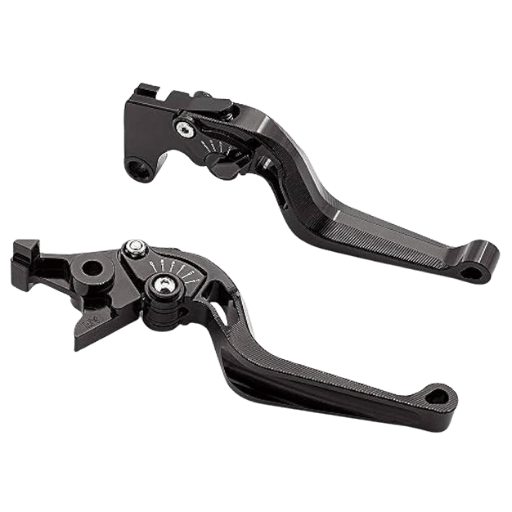
CNC machineable brake and clutch levers are precisely engineered to enhance motorcycle performance and durability. CNC machining creates these levers with stronger yet lighter-weight bodies with finer adjustability than stock release levers. Aluminum construction provides resistance to corrosion and wear, while machining ensures a feel and comfort level unmatched by the stock levers. Thus, the CNC aluminum levers offer a worthy upgrade for both professional and casual riders seeking enhanced control and reliability.
What are CNC Aluminum Brake Clutch Levers?
When it comes to offering high-performance equipment for motorcycles, CNC aluminum brake clutch levers are a superior alternative to the standard ones. Due to CNC machining, these levers are constructed from a rigid aluminum material, thus offering them strength, a lightweight design, and wear resistance. They also provide better ergonomics, a sense of control, and adjustability, making them appealing to riders who seek reliability and comfort in their motorcycle controls.
Importance of Quality in Motorcycle Components
Motorcycle parts must be of the highest quality to safely perform and resist wear over time. A high-quality component is manufactured to withstand the stresses of regular operation, thereby reducing mechanical failure. The components allow better control for rider handling and response. Additionally, having reliable parts will reduce the frequency of repairs or replacements required. Time and expenses used for these will be saved, hence justifying the ultimate impact quality has on the general safety and efficient performance of any motorcycle.
Overview of CNC Machining Process
CNC machining, or Computer Numerical Control machining, is a manufacturing process that involves the computerized control of machine tools for cutting, shaping, and finishing materials with high precision. It begins with a digital design file that is converted into instructions for the machine. The CNC machines then work on the material, whether it is metal, plastic, or wood, fully automated according to these instructions. CNC machining ensures precision, repeatability, and efficiency; thus, it is suited for creating complex parts in industries such as automotive, aerospace, and medical.
Benefits of CNC Aluminum Brake Clutch Levers
Enhanced Performance Over Traditional Levers
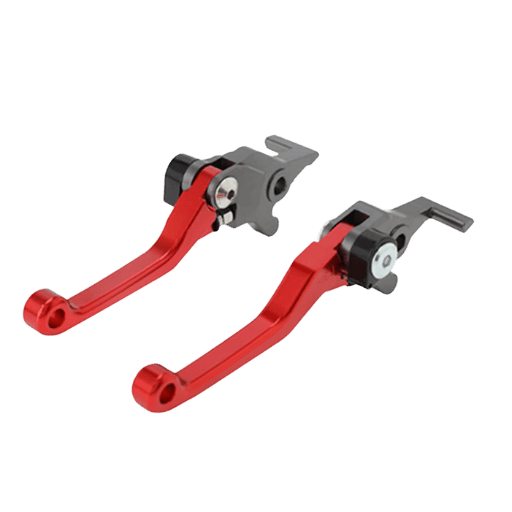
CNC aluminum brake clutch levers hold several advantages over traditional stamped or cast levers, most importantly in terms of precision engineering and material properties. These levers are manufactured based on a design created by a computer and machining processes controlled by a computer, which enables these levers to achieve extremely high dimensional accuracy and uniform quality. Another feature is that aluminum alloys of great strength are used, performing excellently in terms of durability and resistance to corrosion, even in demanding conditions.
Key Performance Benefits:
- ✓Improved Grip Ergonomics: Preferred lever positions for full comfort and control; caters to different hand sizes and pressure levels
- ✓Reduced Fatigue: Reduces fatigue, ensuring its handling in long-duration rides
- ✓Optimized Weight Distribution: Designed to minimize mass while maintaining strength, rendering it more manageable and responsive
- ✓Superior Wear Resistance: Validated by industry testing for having periods of performance consistent at high stress measurement, it suits amateurs and pro riders with equal ability.
A variety of anodized finishing techniques can be employed to increase surface hardness and create polished aesthetics accordingly.
Lightweight Design and Its Impact on Handling
The use of lightweight materials for vehicle components has a significant impact on the vehicle’s handling and overall performance. The lesser the unsprung weight, one that is not supported by the vehicle’s suspension system, such as the wheels, brake discs, and brake levers, the higher the responsiveness and stability.
Research Finding: A 10% decrease in unsprung mass has been found to improve suspension efficiency, enabling the tire to maintain better contact with uneven road surfaces. This further enhances cornering accuracy and lessens fatigue in long runs.
Aluminum alloys, composites of carbon fiber, and titanium are advanced materials that, due to their superior strength-to-weight ratios, have now become usual materials in building lightweight components. Aluminum machining through CNC provides the best compromise between weight reduction and durability. These materials ensure faster acceleration and braking; meanwhile, driving with this light frame consumes less energy and therefore less environmental pollution. A lightweight frame thus becomes a prerequisite for a highly responsive and sustainable driving experience.
Durability and Resistance to Wear
In terms of durability and wear resistance, the standard mode of designing and manufacturing present-day components is examined with special reference. High-strength steels, titanium alloys, and ceramic composites are increasingly being used as advanced materials to resist surface degradation and long-term stress.
These advancements collectively ensure enhanced performance and cost efficiency while maintaining structural integrity under demanding conditions.
Installation Guide for CNC Aluminum Brake Clutch Levers
Tools Required for Installation
Hereunder are all the necessary tools for installing CNC aluminum brake clutch levers:
🔧 Hex/Allen Wrenches (Metric Set)
Used predominantly for loosening or tightening screws or bolts on most types of motorcycle levers. Usually, the sizes 4mm to 8mm work fine for most lever tasks.
🔩 Torque Wrench
Used to achieve specific torque settings for fastening bolts as per the manufacturer’s specifications to avoid problems such as overtightening or under-tightening.
🪛 Phillips and Flathead Screwdrivers
To remove or adjust any screws holding the original levers or protectors.
🔧 Needle-Nose Pliers
Handling small items like clips or pins during disassembly or assembly processes.
🛢️ Lubricating Oil or Grease
This will reduce friction and enable the smooth operation of the new motorcycle brake levers, particularly where metal components come into contact with each other.
🧹 Cleaning Cloth or Rags
For the elimination of dirt, debris, or grease from the mounting points before fitting.
🔒 Threadlocker (Medium Strength)
Used to secure the bolts of the brake handle, preventing them from loosening under constant vibrations during operation.
Step-by-Step Installation Process
1Preparation
Begin by cleaning the workspace, ensuring it has ample light and is well-organized. Place all tools and components out of the way one by one, as interruptions might occur. Ensure the motorcycle is positioned on a flat and stable surface to maximize stability; ideally, a paddock stand or center stand can be used. For installation purposes, double-check that the levers are compatible with your motorcycle’s make and model.
2Removal of Existing Levers
Locate the pivot bolt and nut holding the lever in place. With the wrench or Allen keys set, carefully unfasten the pivot bolt while supporting the lever to prevent it from dropping. Carefully slide out the lever, noting the relative position of any components, such as bushings or springs, that will need to be reassembled later.
3Inspection and Cleaning
Before fitting the new clutch brake lever, check the mounting points to ensure there is no excessive wear or damage that would hamper the smooth operation of the lever. Dirt, grease, or debris should be wiped off these surfaces. Clean surfaces aid smooth movement and prevent unnecessary wear on the new components.
4Application of Lubrication
Grease should be applied sparingly to the pivot point and any moving parts of the new lever to reduce friction and encourage smooth operation, thereby minimizing wear in the long run.
5Installation of the New Lever
Set the lever in place and ensure that all bushings, springs, and spacers are correctly aligned with their original positions. Carefully insert the pivot bolt and tighten it to the manufacturer’s torque specifications using a torque wrench. These specifications are usually found in the owner’s manual or given by the manufacturer.
6Adjustment for Comfort and Performance
Adjust the distance and angle as needed to suit the rider’s preference. Many aftermarket levers allow for their own personal adjustments. The lever should allow for comfortable reach with contact to the brake or clutch without overextending or preventing the whole function.
7Apply Threadlocker
Before installing the pivot nut, apply a medium-strength threadlocker to the threads to prevent the bolt from loosening due to vibrations felt during everyday riding.
8Testing and Final Inspection
Ensure satisfaction with the movement and responsiveness of the new aluminum clutch brake lever after installation. Apply the brake or clutch several times to ensure that the motorcycle brake does not stick and that there is not too much play. Given that all fastenings and mounting points appear to be okay, check again before taking a ride.
Common Mistakes to Avoid
⚠️ Critical Installation Errors
❌ Over-Tightening Bolts
One common mistake is to over-tighten the pivot bolt or adjustment screws. Torque that is too great stresses the components, causing unwanted wear or damage to the lever or mounting bracket. Always use a torque wrench set to the specifications recommended by the manufacturer to avoid this problem.
❌ Skipping Threadlocker Application
Forgetting to apply medium-strength threadlocker to bolts would produce undesired loosening effects due to vibrations from riding. This vitiates that component’s safety and reliability. Apply the right kind of threadlocker and allow the threadlocker to cure fully before usage.
❌ Incorrect Lever Positioning
Improper positioning of the motorcycle clutch will cause operational problems. The lever must be positioned according to the geometry of the rider’s hand and the posture assumed while riding. This will minimize fatigue and ensure rapid responses during crucial moments. Use ergonomic parameters to adjust lever placement.
❌ Ignoring Manufacturer Guidelines
Failure of the installers to consult the manufacturer’s manual for specific installation instructions and torque specifications is a device that should never be faced again. Each model has a particular need that, if disregarded, may result in operational failure or voidance of the warranty.
❌ Failure to Test After Installation
One of the most serious oversights is not performing the functional test after installation. Testing will even confirm that no hidden issues are affecting excessive play and internal misalignments, even when all components are installed correctly. Always conduct a thorough functional check to ensure the brake handle moves smoothly before riding.
Carefully addressing these common mistakes can significantly extend the lifespan of your lever assembly and enhance overall riding safety.
Maintenance Tips for Longevity

Regular Inspection and Care
Routine inspections provide a critical safety measure that may prolong the life and ensure proper functioning of your lever assembly. Begin by checking for visible signs of wear, corrosion, cracks, and deformities, as any of these can reduce the long-term capabilities of your assembly. Check the nuts and bolts of the aluminum clutch brake lever periodically to ensure they are securely tightened, preventing loosening during use.
💡 Pro Tip: Lubrication Impact
According to research, good lubrication can reduce wear by up to 70%, thus considerably extending the life of any component. So, never neglect lubrication while considering your maintenance.
You should also periodically check the alignment of your lever assembly, as misalignment causes uneven stress distribution and can damage parts prematurely. When operating the lever, ensure the entire process is smooth, without resistance or unfamiliar sounds, as these signals require urgent remedial action.
Last but not least, there are occasions when deep cleaning must be performed in order for dirt and other unwanted substances to interfere with their performance. Clean all components with mild cleaning solutions; these may cause damage to the equipment and impair its operation if misused. Following this maintenance, the lever assembly will operate consistently and achieve its maximum service life.
Cleaning and Lubrication Practices
Cleaning and lubrication are crucial to ensure the operational efficiency and the longevity of mechanical assemblies. Does the nature of contamination vary with dust, grease, or particulate debris? Then, according to the material properties of the assembly, the cleaning agent may be chosen for its compatibility. For example, isopropyl alcohol, being non-corrosive and quick-drying, is generally considered suitable for most metallic and plastic components.
🧼 Cleaning Best Practices
- Identify contaminant types before selecting cleaning agents
- Use isopropyl alcohol for metallic/plastic components
- Apply non-corrosive, quick-drying solutions
- Remove all dirt and debris thoroughly
🛢️ Lubrication Best Practices
- Select lubricants based on operational requirements
- Use synthetic lubricants with PTFE for high temperatures
- Choose water-resistant greases for moisture exposure
- Follow the manufacturer’s lubrication intervals
When selecting a lubricant for the motorcycle clutch, it is essential to choose a suitable lubricating medium that meets the operational requirements. When degradation from extreme heat renders the lubricant useless, such as in high-load or high-speed operations, synthetics are usually the answer, e.g., lubricants containing polytetrafluoroethylene (PTFE). For machines operating under extreme conditions, such as those experiencing moisture adsorption or heavy friction, a high-water-resistance grease with anti-wear additives would be a suitable choice.
Maintaining lubrication in over-critical applications has indeed been made in accordance with the instructions provided by manufacturers; this prevents enhanced lubrication from offering lesser performance or premature failure. Checking the condition of the lubricant regularly — such as discoloration, decrease in viscosity, or contamination — will provide useful indicators relating to possible wear or operational stresses in the system. Best practices guarantee the durability of the assembly while extending its service life.
When to Replace Your Brake Clutch Levers
Brake and clutch levers must be well-maintained on your vehicle or bike to deliver optimal performance and safety, so their replacement timing is also critical for proper functioning. During their lifespan, any degradation of the components should be checked, including any signs of cracks, bending, or irregular stiffness when functioning correctly. Sometimes, the lever may exhibit excessive looseness or engage with difficulty, which typically indicates internal damage or misalignment in its mechanics, and the lever must be replaced.
⏰ Replacement Timeline Recommendation
According to motor industry experts, brake clutch levers should be replaced every 2-3 years, depending on how frequently they are used and other factors such as riding conditions and maintenance.
Note: Motorcycle brake levers of riders who frequently expose their vehicles to challenging environments, such as muddy trails or wet roads, may deteriorate rapidly due to corrosion or material fatigue.
Moreover, higher-grade materials such as aluminum or stainless steel levers are known to be more durable than plastics; however, even the best motorcycle clutch will still be subjected to testing.
⚠️ Safety Alert: Data suggest that compromised motorcycle brake levers can impair braking efficiency and vehicle control, ultimately leading to an incident or failure. Taking a proactive stance on safety means choosing to replace levers at the slightest sight of visible damage or after extended use. Always consider OEM (Original Equipment Manufacturer) specifications for acceptable levels of compatibility and performance when selecting replacement levers.
Industry Advancements and Trends

Latest Innovations in CNC Technology
CNC technology has undergone much development, advancing further in precision, efficiency, and automation across industries. Among innovations is the integration of AI and machine learning in CNC systems. An AI-enabled CNC machine can perform real-time analysis of vast volumes of data, which helps to find optimal cutting paths. Additionally, tool wear prediction and reducing downtime through predictive maintenance are equally consequential.
🚀 Cutting-Edge CNC Innovations
🤖 AI Integration
Real-time data analysis for optimized cutting paths, predictive tool wear, and reduced downtime through intelligent maintenance scheduling
🔄 Hybrid Machining
Involving their subtractive CNC while incorporating the 3D printing element enables manufacturers to create complex geometries with reduced material waste and shorter lead times
⚙️ Multi-Axis Systems
Configurations with different combinations of 5 axes to 6 axes allow more flexibility for working on very complex parts with finer tolerances in the aerospace and medical industries
🌐 IoT Integration
Implementing smart factories to run machines on real-time monitoring, remote diagnostics, and in-depth performance analytics across tandem equipments
🔬 Advanced Materials
Carbon-fiber composites and ceramic inserts provide the best durability, heat resistance, and high-speed machining accuracy
With these CNC machines, high-speed machining was really crowned with the accuracy necessary in demanding applications. This has given rise to the notion of high efficiency and innovation across manufacturing sectors.
Trends in Motorcycle Customization
The motorcycle customization industry is evolving, undergoing an era of technological change and more direct consumer networks. One large-scale trend is the use of enhanced electronics, such as big touch-screen displays that connect via Bluetooth, and adaptive lighting-user-centric features built to either augment or just enhance visibility and the rider’s ability. However, these can now be integrated into customization projects, targeting a younger and tech-savvy consumer.
🌱 Sustainability Focus
Environmental consciousness is driving the conversion of electric motorcycles, as well as the adoption of fuel efficiency measures and materials such as carbon fiber and aluminum, which are lightweight yet strong in durability.
🔧 Modular Components
Interchangeable parts, ranging from seats to exhausts, provide expanded possibilities for customization, allowing riders to change the tone of their machines for either style or practical requirements, such as touring or city commuting.
🎨 Modern Retro Aesthetic
Retro-inspired aesthetics, combined with modern engineering, let the rider bask in old-school motorcycle nostalgia while enjoying the benefits of modern-day performance and safety.
That blending of old with new is what still defines the modern landscape of motorcycle customization, and it appeals to a broad group of enthusiasts.
Future of Brake Clutch Lever Designs
Technological advancement, therefore, is significant for the evolution of brake and clutch lever design in terms of materials, ergonomics, and technology. The next few generations will most probably bring together the best in lightweight, high-strength materials such as carbon fiber and modern aluminum alloys, which offer good strength and low weight. Adaptive levers are being developed with adjustable reach and pressure sensitivity to cater to the comfort and performance preferences of different riders, including those with varying hand sizes.
🔮 Future Technologies on the Horizon
- Sensor-Equipped Levers: Real-time feedback on braking force and clutch engagement for precision control
- Wireless/Electronic Actuation: Potential replacement of traditional mechanical designs for streamlined maintenance and improved response times
- Smart Connectivity: Integration with vehicle systems for adaptive performance adjustments
- Advanced Ergonomics: Pressure Sensitivity and Reach Adjustments for All Hands
Market data reveal an increased demand for cutting-edge designs, especially among performance enthusiasts and professional riders. The safety and usefulness aspects remain imperative to R&D, making brake and clutch levers continue to be at the forefront of motorized engineering.
Frequently Asked Questions (FAQs)
📚 Reference Sources
- CNC Pivot Brake Clutch Lever For Honda Models – A source toward which one would refer to study CNC-machined billet aluminum levers, anodized surface finishing
- CNC Pivot Brake Clutch Lever for Honda XR250/400 CRM250R – Details on CNC billet T6065-T6 aluminum levers, their fitment, and material specifications
- Aluminum CNC Machining Service – Technical documentation on CNC machining processes
- Bicycle Brake Systems – Comparative analysis of brake lever technologies