

Manufacturing processes are quite complex, and the choice of a production method is directly related
Learn More →
Tungsten’s remarkable toughness, as well as its immense melting point and corrosion resistance, make it useful in different engineering areas, for example, in Jewelry manufacturing. But an intriguing question pops up when discussing this material: Does tungsten ever rust or corrode? In the following, we will discuss the remarkable features of tungsten with particular attention to its corrosion resistance and clarify some misconceptions regarding its durability against environmental conditions. At the end of this, you will appreciate tungsten even more and understand why it is so widely trusted in various fields.

Rust can be defined as a corrosion phenomenon that affects metals containing iron, like steel. Iron, moisture, and oxygen in the environment will react together to form iron oxide, which is better known as rust. The reaction weakens metal and causes significant deterioration over time. The structural integrity of rusted metals is typically compromised, resulting in decreased overall strength and increased brittleness. While metals like aluminum and tungsten do not rust in the same way as ferrous metals, they may undergo other forms of corrosion depending on environmental conditions.
The reddish-brown coat that forms on iron surfaces is commonly referred to as rust, which scientifically is known as iron oxide. Scientifically, rust undergoes a redox reaction called oxidation, which occurs when iron or iron-containing materials are exposed to oxygen and moisture over a long period. This reaction consists of iron giving away oxygen electrons, which leads to the hydrated form of iron oxide. This requires the presence of water, which facilitates the process needed for the oxygen exchange to take place. Other environmental components like the amount of relative humidity around, temperature, salt, or different types of industrial waste a certain area has can greatly change the pace at which rust forms. For example, costs are known to rust faster due to the salty wind from the sea, which increases water’s ability to conduct electricity, thus quickening the corrosion process. The degradation of iron and its alloys can be avoided through the application of protective coatings such as paint or galvanization, and even by using alloys that contain stainless steel.
The reasoning behind the oxidation of metals can be attributed to their reactive nature with oxygen present in the environment. This process is what is commonly termed as corrosion, and it occurs due to metals like iron, copper, and aluminum, which have atoms willing to lose electrons to achieve stable compounds like oxides. The degree to which oxidation occurs is influenced by the following: moisture and oxygen presence, temperature, pollutants, the environment, and other conditions, as well as the specific metal in question. For instance, highly reactive metals such as sodium or potassium oxidize quickly and fervently, even at room temperature. On the other end, less reactive metals like gold and platinum would resist oxidation because of their extremely low reactivity. More recently, it is believed that the oxidation processes electrochemically are very important, where localized anodic and cathodic reactions in the presence of electrolytes (including water or saline solutions) drive oxidation. свидетельство Understanding these processes makes it possible to devise advanced protective technologies aimed at not allowing oxidation to occur in different uses, including the creation of nanocoatings or self-repairing films.
Corrosion threatens the integrity of metals through weakening, cracking, and other forms of structural failure from chemical or electrochemical interactions with the surrounding environment.
| Key Point | Details |
|---|---|
|
Definition |
Metal degradation |
|
Causes |
Chemical reactions |
|
Types |
Pitting, crevice |
|
Effects |
Weakness, cracking |
|
Prevention |
Coatings, cathodic |
|
Control |
Material selection |
|
Economic Impact |
High maintenance |
|
Safety Risks |
Structural failure |
|
Environmental |
Pollution risks |
|
Testing |
Real-time analysis |
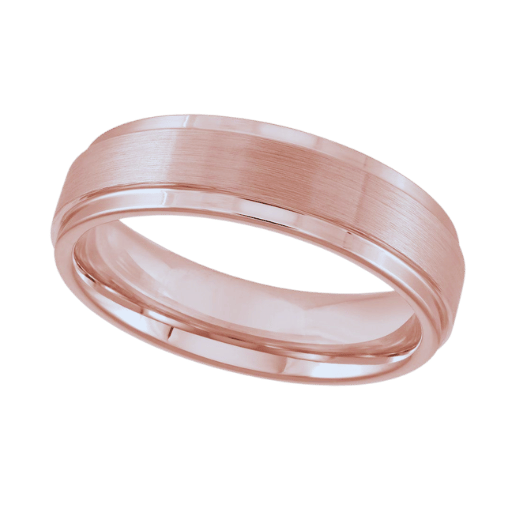
Tungsten above all consists of very dense, oleaginous white metal. This metal holds the utmost utmost melting point in comparison to others along with outstanding tensile strength. Its thermal expansion, density, and corrosion resistance are some of the lowest in comparison to other metals, making its attributes remarkable.
| Property | Value |
|---|---|
|
Symbol |
W |
|
Atomic Number |
74 |
|
Density |
19.3 g/cm³ |
|
Melting Point |
3410°C |
|
Boiling Point |
5555°C |
|
Hardness |
7.5 (Mohs) |
|
Tensile Strength |
980 MPa |
|
Thermal Conductivity |
163 W/mK |
|
Oxidation States |
+2 to +6 |
|
Applications |
Tools, filaments, alloys |
Pure tungsten does not rust conventionally, as it is very resistant to corrosion and oxidation during normal circumstances. Unlike iron or steel, which gets exposed to oxygen and moisture and rust (iron oxide) is formed, tungsten undergoes a process of protective oxide layer formation on its surface at elevated temperatures which helps in maintenance of structural integrity. Tungsten can degrade in extremely corrosive environments such as prolonged strong oxidizing agents or highly acidic solutions. Because of its remarkable resistance to environmental wear, pure tungsten is ideal for aerospace components, high-performance tools, and heat-resistant alloys.
Tungsten is known to be thermally resistant to oxidation at room temperature; however, it can be oxidized under certain circumstances. At higher temperature ranges, tungsten oxidizes to tungsten trioxide (WO3), a brittle material that can weaken the structure. This form of oxidation is generally observed above 500°C in the presence of oxygen. Tungsten’s oxidation resistance stems from the vacuum or inert gas environments which, at elevated temperatures, enhances its resistance making it ideal for controlled high temperature applications.
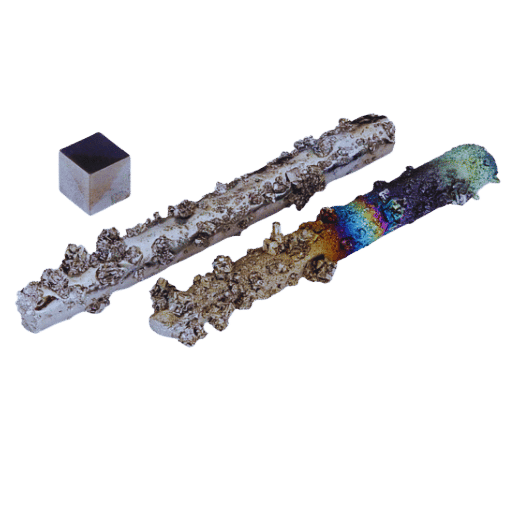
Tungsten endures resilience due to its remarkable physical and chemical properties. I’d point out its high melting point, exceptional tensile strength, and low vapor pressure as attributes that make it enduring under extreme conditions. Furthermore, its resistance to chemical reactions, especially under non-oxidizing conditions, makes it very dependable for demanding applications.
Tungsten shows remarkable resilience towards corrosion owing to its high melting point, remarkable oxide layer, and resistance to many acids, alkalis, and other environmental factors, although some chemicals and very high temperatures can induce reactions.
| Parameter | Details |
|---|---|
|
Rust |
Does not rust |
|
Oxidation |
Form an oxide layer |
|
Melting Point |
3,422°C |
|
Acid Resistance |
High |
|
Alkali Resistance |
High |
|
Heat Limit |
Reacts >400°C |
|
Chemical Reactivity |
Limited |
|
Durability |
Exceptional |
|
Brittleness |
High |
|
Applications |
Aerospace, tools |
No other metal can compare to tungsten when talking about oxidation resistance. Tungsten reacts with oxygen to form a stable oxide layer, which is protective, increasing the tungsten’s resistance to further oxidation; however, the layer is not as easily stripped away as it is for iron, which undergoes rusting. Hence, tungsten does not oxidize the way iron-based metals do. While tungsten has exceptional resistance to most environmental factors, it does deteriorate at very high temperatures (over 400°C) or in the presence of some highly reactive chemicals. This resistance is a fundamental characteristic that makes it perfect for harsh environments, for instance, in the aerospace and advanced tooling industries.
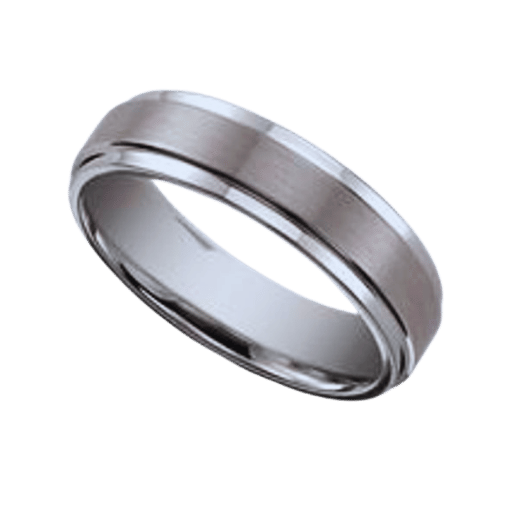
To keep your tungsten ring from tarnishing or sustaining damage, proper upkeep is necessary. While tungsten rings withstand scratches and harsh conditions better than most, they will lose their shine when exposed to chemicals or abrasives. Avoid wearing your ring while cleaning, swimming in chlorinated water, or using any corrosive substances, as these will wear down the polish. To maintain the stunning finish, only use a gentle soap solution and a soft cloth to remove residue. Furthermore, only store your tungsten ring in a soft-lined case or pouch to avoid coming into contact with harder materials that can cause micro scratches. Based on recent discovery searches and user queries, users show concern about regularly cleaning their tungsten rings in a non-aggressive manner to sustain long-term usability and aesthetics. Following all steps will help you sustain your ring from tarnishing or damage.
While tungsten rings are well known for their stunning durability and scratch resistance, beauty care and maintenance is crucial in retaining their elegant appearance. According to Google Search trends, a common question posed is about the care and cleaning of tungsten jewelry and how to protect it.
Tungsten Jewelry Cleaning Procedures
Using a mixture of warm water and a mild dish soap solution to scrub the ring is, according to online guides, the most effective method. However, ammonia and bleach must be avoided as they will damage the finishing touches on rings. As per recent online blogs, rings tend to capture dirt and grease and need gentle scrubbing by a soft-bristled toothbrush to aid in the curing of the rugged appearance. After cleansing, ensure the ring is properly dried using a lint-free cloth to avoid any form of water marks.
Damage Control
Research shows online inquiries about tungsten rings reveal users are curious about the type of scratches put forth on rings by knocking or dropping them onto hard tiles or concrete surfaces. Despite the strong scratch resistance of tungsten, the metal is not invincible. As with other precious pieces of jewelry, extremely careful handling is required because of the vulnerability to chipping around the delicate edges.
Storage Solutions
Following proper storage methods is something I have recently come across. To avoid scratches caused by contact with harder items, softer metals, or even gemstones, Store tungsten jewelry in a compartment that is specifically made and well-padded for soft items and secured shut. This matches with the rise in queries focused on how rings can be maintained to be scratch-free.
Shifting Towards Professional Maintenance
To resolve issues scratching or loss of shine, professional jewelers should be engaged. From user patterns, it can be deduced that damaged finishes is a solution few turn to, which, if chosen would make the lifetime of tungsten jewelry longer.
Observing the best practices noted above, coupled with insights from the latest search analytics, allows users to keep their Tungsten jewelry just as beautiful as the day they bought it.
Because tungsten jewelry is scratch-resistant and extremely durable, it is quite easy to care for and requires very little upkeep. It is best to preserve its shine, however. To do this, it is important to clean it regularly. Cleaning includes soaking the item in warm water mixed with gentle liquid soap. A soft cloth or nonabrasive sponge may be used to scrub away surface dirt and oils. After, rinse in clean water and dry using a cloth that doesn’t leave lint to avoid spots.
A question that many seem to be asking is, can tungsten jewelry be cleaned with an ultrasonic cleaner? Given what experts say, as well as trends, it seems that ultrasonic cleaners are fine to use; they should only be used on tungsten jewelry without inlays or gemstones, as other materials used in the piece may be damaged by the ultrasound. More elaborate pieces, however, should be professionally cleaned for the best results.

Tungsten’s outstanding lack of rust under normal conditions sets it apart from Iron due to its high resistance to tungsten oxide. Tungsten is known to have a strong Oxidation bond, hence supporting his claim concerning rusting. At the same time, protecting iron from exposure because of its oxide rusting layer. Based on the freshest information from Google’s search bar, overcast regions showing more wet and acidic conditions do not affect tungsten. Despite that, in extreme atomic conditions, prolonged exposure to acids or alkaline solutions may lead to some kind of corrosion. This resilience allows tungsten to be durable against low fracturing and other cutting tools.
The integrity of tungsten’s physical structure prevents it from oxidizing like other metals do. This is due to its high melting point as well as the oxidation layer that is formed and stabilized on its surface. Tungsten melts at about 3422°C (6192°F), which is a lot higher than most metals. This property greatly diminishes its reactivity at average ambient temperatures. Also, when exposed to oxygen, a very thin and strongly adherent layer of tungsten oxide forms on the surface, which is referred to as oxidation.
According to Google’s latest search analysis, this surface stability contributes to the fact that tungsten has a very low oxidation rate under ambient conditions. Unlike iron or aluminum, tungsten’s oxide layer is not only dense but tread resistant, making it very difficult to strip away. Additionally, its low volatility, sparingly soluble in water or other mild solvent compounds, only strengthens this property. Thus, tungsten has low oxidation resistance. This is why it is preferred for the application in harsh, high-temperature, and corrosive environments.
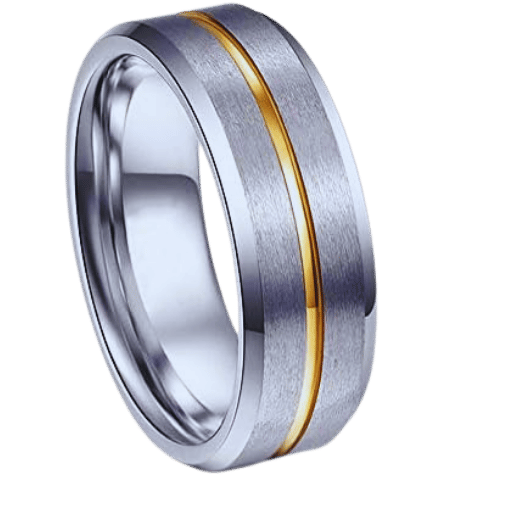
A: No, tungsten does not rust like steel and iron do. Tungsten is well protected against rust and corrosion because of its stable chemical properties. This is because tungsten does not easily react with oxygen and moisture, which are some of the main catalysts of rusting.
A: Factors such as the remarkably high melting point of tungsten and its stable chemical structure make it resistant to rust and corrosion. Also, tungsten’s lack of reactivity with oxygen and water ensures that it doesn’t undergo tarnishing or rusting.
A: No, tungsten carbide rings are not susceptible to rusting. These rings are made from tungsten carbide, which is a combination of tungsten and carbon. This alloy exhibits a remarkable resistance to tarnishing, making it popular for jewelry as it does not corrode or tarnish with time.
A: Many other metals have a lower corrosion resistance than tungsten. Metals such as iron and steel are highly susceptible to rust and corrosion, whereas tungsten, by contrast, is exceptionally resistant to such corrosion.
A: Tungsten jewelry is designed specifically to be tarnish resistant; therefore, unlike other metals that may corrode easily, tungsten is an excellent metal choice for tarnish-free jewelry due to it not rusting or tarnishing millennially.
A: Alloys of tungsten, like tungsten carbide, are also oxidation resistant. These alloys are ideal for industrial and personal use as they retain the protective features and non-oxidizing properties of pure tungsten.
A: Though tungsten is very resistant against most types of oxidation, no material is completely impervious. Some harsh environments, such as extremely strong acids or bases, may impact tungsten, but such conditions are unlikely in day-to-day scenarios.
A: Tungsten industrial grade is selected for its penetrability and strength, as well as oxidation and corrosion resistance. In industrial fields, durability coupled with exposure to extreme environments devoid of tarnishing is a necessity are advantageous.
A: No, tungsten rings will never acquire rust if they are crafted from quality tungsten carbide. Rings made of tungsten will not rust as their materials are designed to withstand corrosion and deleterious alterations in appearance.
1. Solar Energy Application in Production and Processing of Materials: A Comprehensive Review
Main Points:
2. Open-Source Machine Learning in Computational Chemistry
Key Findings:
3. Digital Transformation in Education: A Bibliometric Analysis Using Scopus
Key Findings:
4. Erosion/Corrosion of Machinable Tungsten in Water – A comprehensive analysis addressing the erosion and corrosion processes of tungsten submerged in water.
5. Metals – Western Illinois University – A lecture on the subject of metals’ stability, where tungsten and its rust resistance were also discussed.

Manufacturing processes are quite complex, and the choice of a production method is directly related
Learn More →
There are two major manufacturing methods for producing plastic prototypes that most people find useful
Learn More →
As a person involved or interested in the design and production of plastic components, it
Learn More →