

Manufacturing processes are quite complex, and the choice of a production method is directly related
Learn More →
The construction and healthcare industries, among others, rely on stainless steel and its several grades for its great strength, durability, and resistance to corrosion. Two of the most popular stainless steel grades are 304 and 316, known for their versatility and performance. However, some factors differ between the two, such as their density, which greatly affects material selection for specific applications. This guide focuses on the density characteristics of grades 304 and 316 stainless steel, illustrating how the differences impact functionality, material efficiency, and project results. Engineers, designers, and other professionals will be able to leverage the detailed information present in this document to make the most appropriate choices.

Stainless steel is characterized by a density that is usually within the interval of 7,750 kg/m³ to 8,050 kg/m³ (7.75g/cm³ – 8.05g/cm³), depending on the grade and alloy composition. Some of the commonly used grades include:
The consistent density values across the grades of stainless steel allow the material to be used for precision applications in different industries.
The precision methodologies used to measure the density of stainless steel guarantee accuracy and reliability. One of the most commonly used techniques involves Archimedes’ principle, which examines the material’s displacement in a fluid to determine its density. Submerging the stainless steel sample in a liquid, usually water, allows for the calculation of the volume displaced.
After determining the volume, the mass of the material is determined with an analytical balance. Density can then be derived with the following formula:
Density (ρ) = Mass (m) / Volume (V).
Advanced industry-grade tools, often referred to as density or pycnometers, may also be used to measure density on a greater scale. In addition, aspects of material composition non-destructive techniques such as X-ray fluorescence (XRF) spectroscopy can determine and thereby verify the identity of alloy proportions used to confirm density indirectly.
The accurate value of density is critical for the manufacturing process to take place because material selection, weight, and structural integrity are affected. The need for precise measurements in design remodeling for aerospace, construction, and medical instrumentation is for the ability to manufacture various grade alloys at differing densities.
Stainless steel is recognized for its strength, durability, and moderate density, making it a preferred material across various industries. Stainless steel has a density between 7.5 to 8.0 g/cm³, depending on the alloy composition. For example, Grade 304 stainless steel has a density of approximately 7.93 g/cm³, and 316 stainless steel exhibits a similar range, known for its enhanced corrosion resistance.
In comparison to other metals, stainless steel finds itself as the median option. Aluminum, with a significantly lower density of about 2.7 g/cm³, is lightweight, which is crucial in aerospace engineering. On the higher end of the spectrum, metals like tungsten have a density of 19.3 g/cm³, making them ideal for heavy-duty applications such as counterweights and radiation shielding.
These comparisons make it clear that, while strength is vital, stainless steel’s versatility, ranging from structural components in construction to surgical instruments in healthcare, makes it far more useful. Optimizing performance while maintaining managed weight in designs where the strength-to-weight ratio is critical is essential.
The standard density of stainless steel, which ranges from 7.75 to 8.1 g/cm³ depending on the alloy, is stainless steel’s unique alloy composition. It is determined by some critical factors that interplay during the manufacturing and usage processes. These considerations are crucial for materials scientists and engineers as they tailor a specific grade of stainless steel for a given application.
Alloy Composition
Among other factors, alloy composition is certainly a primary contributor of Density of Stainless Steel. An alloy is a stainless steel made up of iron with chromium, nickel, molybdenum, and some other elements and their combinations, where some parts have high material weight or / and density. For example, nickel is added to improve corrosion resistance. Its addition also increases the density of the material. Likewise, the amounts of chromium and molybdenum also figure in determining the weight of the alloy.
Crystallographic Structures
Stainless steels can be subdivided into three major groups according to their crystal structure—ferritic, austenitic, and martensitic. Compared to ferritic grades which are BCC, austenitic stainless steels such as 304 and 316, tend to have greater density because they contain complex face centered cubic (FCC) structures.
Cold Working and Heat Treatment
Processes such as cold working and heat treatment have an effect on the density of stainless steel. Cold working increases defect density which impacts the properties of materials in some manner, although the impact on physical density is not significant. Heat treatment will cause phase changes which may alter the relative position of atoms to some extent.
Impurities and Porosity
Implants and gaps within the structure of stainless steel may cause its density to deviate from a particular value. A uniform density is associated with lower porosity and less inclusion, so processes with better quality assurance seek to achieve this.
Temperature Variability
At higher temperature levels, expansion causes a decrease in density due to the spaced arrangement of atoms. As opposed to this, cooling will draw in the lattice of atoms thus increasing the density of the material marginally. This behavior is significant for high temperature operations where strict tolerances are essential.
All these factors allow better selection of stainless steel and its applications, which enables industries to enhance performance while controlling costs for the aerospace sector, medical equipment, and infrastructure building.

304 Stainless Steel is a type of Iron-Chromium-Nickel alloy that is broadly known as one of the most useful and versatile types of austenitic stainless steels. Its typical chemical composition contains roughly 18-20% chromium and 8-10.5% nickel, along with trace quantities of carbon (up to 0.08%), manganese, silicon, and phosphorus. Such a make-up ensures that 304 stainless steel performs exceptionally well in a diverse range of environments.
304 stainless steel’s unique non-magnetic nature also allows it to provide astounding tensile strength and weldability. The steel has a density of about 8.0 gm/cm^3, which is roughly the same as other austenitic stainless steels, resulting in the reliability of structural elements at varying temperatures. Moreover, its melting point usually falls within the 2,550°F to 2,650°F range (1,400°C to 1,450°C), making it easier to work with when high-temperature conditions are needed for the application.
The alloy is ideal for a wide variety of applications, such as parts and components of food processing equipment, chemical containers, medical devices and instruments, as well as for use in architectural structures. The blend of mechanical properties and low oxidation and acid erosion makes it one of the most sought after alloys in industries related to construction and more.
Stainless Steel 304 has a density of about 8.0 grams per cubic centimeter (g/cm³) or 8000 kilograms per cubic meter (kg/m³). This figure is constant under normal circumstances and is particularly important when estimating, for example, the weight, structural load, or material quantity needed for a given project. The high density of Stainless Steel 304 indicates that it is composed of durable material, thus, it can be used in applications where strength and resilience need to be prioritized.
The ability of 304 stainless steel to resist corrosion is one of its notable features and makes it suitable for many industries and environments. About 18% chromium and 8% nickel are present in this grade of stainless steel. The chromium and nickel form a passive oxide layer on the surface, which protects the stainless steel from oxidation and corrosion. The inert layer of chromium oxide created for sustaining corrosion further ensures that the stainless steel will not incur irreversible damage. This layer is formed because of the strong oxidation reaction of chromium with oxygen.
Food processing, chemical processing, and household applications all provide neutral to mildly corrosive working conditions, which is another requirement of 304 stainless steel’s excellent benevolence. The stainless steel is beneficial when subjected to acids, alkalis, and chloride as well, which makes it suitable for supporting industrial work. Still, its use in marine surrounding is limited due to high chloride concentration at these locations which can lead to pitting and crevice corrosion.
The PRE (pitting resistance equivalent) value of 304 stainless steel is roughly 18-20, as per the industry standards. This allows for general-purpose usage, although it is often recommended that alternatives like 316 stainless steel with higher molybdenum content are used for more unsuitable conditions. Additionally, research indicates that 304 stainless steel keeps its corrosion resistance up to 870 °C for intermittent use and 925 °C for continuous use, which highlights its high-temperature versatility.
To achieve 304 stainless steel’s peak corrosion resistance, regular maintenance and proper crafting methods must be employed. The surface finish grade affects corrosion resistance; a passivated or polished surface reduces the chance of corrosion starting, improving overall longevity. Following these recommendations allows 304 stainless steel to withstand numerous demanding conditions while maintaining reliable performance over time.
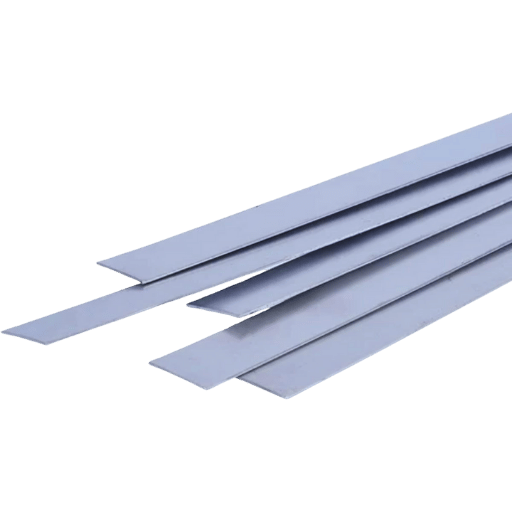
Used in the marine, chemical processing, and pharmaceutical sectors, 316 stainless steel is well known for its exceptional strength and resistance to corrosion. Its composition, which contains 2–3% molybdenum, enables 316 to withstand pitting and crevice corrosion, particularly in areas rich with chlorides, much better than its counterpart, 304 stainless steel.
Chemical Composition
Density
Similar to other forms of austenitic stainless steel, 316 has a density of around 8.0 g/cm³. The steel’s high strength-to-weight ratio gives it broad applicability in industrial and structural designs.
Mechanical Properties
Thermal Resistance
316 stainless steel is known for maintaining strength and corrosion resistance in high temperatures. Their melting range is approximately 2,500-2,550°F (1,371-1,399°C), thus making it suitable for applications that require exposure to significantly high temperatures.
Applications
The combined mechanical and chemical characteristics allows 316 stainless steel to be used in marine equipment, heat exchangers, pressure vessels, food processing machinery, and even surgical instruments. Its resistance to saline environments also makes it ideal for use in saltwater pumps and valves.
Through a balance of its chemical composition, mechanical properties, and its corrosion-resistant capabilities, 316 stainless steel is able to provide exceptional performance across prerequisites. Employing this material for the appropriate applications guarantees enduring and trustworthy performance, even under exigent or severe settings.
The density of stainless 316 steel, which is approximately 8.0 g cm3 (or 0.29 lb/in³), is critical in determining several mechanical and structural characteristics. The physical characteristics which depend on density value, like mass, strength, and loading capability, put density into the category of essential factors in engineering and material science.
For example, in domains demanding highly competitive strength-to-weight ratios, the material’s density works perfectly for numerous calculations when designing components and subsystems. Since density has a direct effect on overall material weight, it becomes attractive to the aerospace, marine, and automotive industries where weight optimization dramatically improves performance, fuel consumption and reduces operational costs. Moreover, the stable value of the density of 316 stainless steel is also beneficial by assuring consistency of product standards, which is eminent for other industries that require tight tolerances, such as medical instruments and chemical processing equipment.
To add, in thermal applications, density is also used to determine the rate of heat conduction, which in turn alters energy efficiency. In the case of heat exchangers, having density knowledge assists in deciding configurations about heat transfer maximization with structural integrity maintenance. By using the known value of the density of 316 stainless steel, engineers can offer durable, efficient, and cost-effective multi-purpose industrial devices.
Grade 316 and Grade 304 are two commonly used stainless steels. The difference between them lies in their chemical composition, mechanical properties, and corrosion resistance.
Corrosion Resistance
Grade 316 has higher corrosion resistance than Grade 304 due to the addition of molybdenum (usually 2–3%). It is more appropriate for marine applications including chemicals processing and coastal structures as it can withstand exposure to chlorides, seawater, or harsh chemicals. Grade 304 has a general resistance to corrosion but because of its lack of molybdenum, it has pitting and crevice corrosion in saline or chloride-rich environment.
Chemical Composition
Mechanical Properties
Both grades have the same level of tensile strength and hardness, though in contextual application, these grade differences are important. For example:
Tensile Strength (Ultimate): 515 MPa for both grades.
Yield Strength (0.2% Proof): ~205 MPa for both.
However, Grade 316 can be seen as marginally outperforming Grade 304 at high temperatures because of its better oxidation resistance.
Weldability and Machinability
Both grades have good weldability and machinability, although Grade 316 will be more difficult to machine due to the increased molybdenum content. The right equipment and methods must be used to guarantee maximum output.
Applications
Grade 304 is widely found in food service areas, food preparation appliances, and architecture as it combines many benefits at an economical price.
Medical instruments, chemical storage tanks, marine devices, and pharmaceutical device processing are best served with Grade 316 due to its strong corrosion resistance.
Cost Considerations
Because of the molybdenum content and increased resistance to corrosive environments, Grade 316 is more costly than Grade 304. The decision is mostly made based on the location and budget limitations of the intended application.
In any case, the decision between Grade 316 and Grade 304 must take into account operating conditions, ambient conditions, and the cost-performance ratio to determine the best material on-optimized endurance.
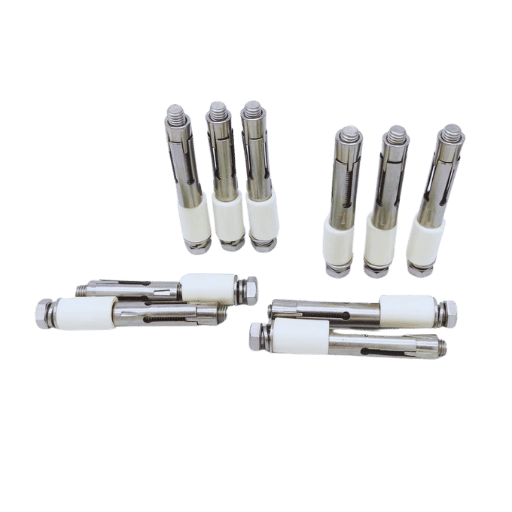
The density of stainless steel is greatly influenced by nickel and chromium. Since nickel has a greater density than iron, introducing it to the alloy in larger amounts increases the overall density. Nickel’s chromium counterpart, although possessing a lower density, still provides some contribution to the alloy’s overall density. The presence of these elements does not only affect the density but also increases its resistance to corrosion and durability, thus making their addition essential to achieve the desired properties of stainless steel.
Alloy composition variations impact the density of stainless steel and its performance in different ways. For instance, the addition of heavier elements, like nickel, increases weight, while lighter elements, like manganese and chromium, have a lesser effect. Nickel aids corrosion while chrome increases ductility; each has specific performance benefits based on its concentration. Tailoring stainless steel requires the appropriate combination of alloying elements to balance application requirements with structural demands.
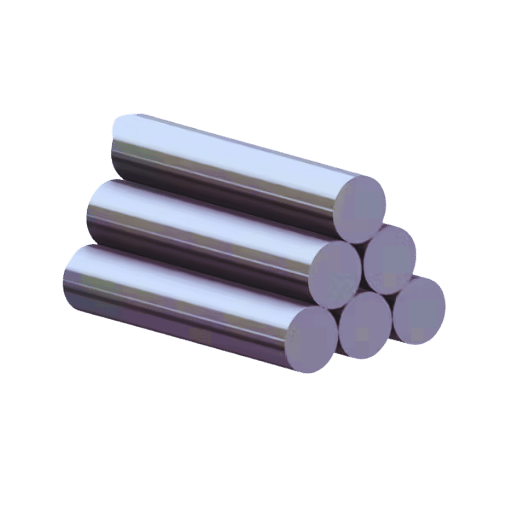
Stainless steel grades are used in a range of real-life applications because of their mechanical properties, which are determined by density. In the construction industry, for instance, grade 316 is favored because of its exceptional resistance to corrosion, particularly in marine settings. Grade 304 is also popular because of its strength and moderate price and is used in kitchen utensils and medical tools. Besides, high-density grades such as duplex stainless steels are frequently used for harsh applications like oil and gas pipelines because they provide additional strength and toughness under severe conditions.
By influencing strength, durability, and weight capacity, density affects the mechanical properties of stainless steel. Higher-density stainless steels are usually appropriate for heavy-duty applications as they tend to have greater strength and resistance to deformation under stress. Deformation can often be more flexible in lower-density grades; this attribute can be advantageous for applications that prioritize easy handling or reduced weight without major performance compromises. Knowing the relationship between density and mechanical properties helps in choosing the right grade of stainless steel based on functional and structural needs.
The property of corrosion resistance is important for materials used in different sectors as it maintains their integrity, safety, and efficiency throughout their use in adverse environments. Chromium present in stainless steel forms a protective oxide layer on the metal surface, which provides exceptional resistance to oxidation and degradation of metals, thus increasing their tool life.
For example, materials that are used in marine environments, such as those exposed to saltwater, need to resist chloride pitting, crevice corrosion, and other forms of salt attacks. Such materials are usually duplex stainless steels with more chromium and molybdenum. Research suggests that the 2205 duplex stainless steel grade is suitable for seawater piping systems and offshore platforms because of its resistance to seawater corrosion.
As for industrial processing operations, such as in the chemical and food industry, materials are used that come into contact with acids and alkalis on a regular basis. Contamination risks are significantly lower with austenitic stainless steels, especially 316 and 316L grades due to a boosted molybdenum content, which provides sufficient security against structural damage from corrosion, and ensures reliable operational integrity.
Moreover, in urban and industrialized areas, the stainless steel industry is subject to sulfur dioxide exposure, which can worsen corrosion. Studies indicate that some lower carbon grades, particularly 304L, withstand such exposures better due to lower intergranular corrosive damage. These materials are also used for south-facing building facades, bridges, and structural frameworks where long service life is critical.
Information published by industry survey reports indicates choosing alloys with better resistance to corrosion for infrastructure and Deep Sea Engineering projects has tremendous cost-saving benefits. Some experts estimate the cost of corrosion exceeds $2.5 trillion worldwide, which is nearly 3% of the world’s GDP. With suitable corrosion-resistant material selection, costs associated with maintenance, repairs, and replacements are greatly reduced, which shows the criticality of material choice.
These approaches are vital for industries that strive to achieve optimum operational performance together with the desired lifespan, durability, and reliability of assets.

A: As with most grades of stainless steel, the 304 and 316 grades have a density of about 7.85 grams per cubic centimeter. Still, the density of stainless steel depends on the alloy as well as the particular type of stainless steel.
A: The chemical composition is one of the critical factors determining the total density of a type of stainless steel. For instance, the presence of chromium, nickel, and molybdenum in austenitic stainless steel like 304 and 316 grades may cause some changes in density based on the alloy.
A: 304 stainless steel is a type of austenitic stainless steel that has very good corrosion resistance, good formability, and is easy to work with. 316 is also an austenitic stainless steel; however, it contains molybdenum, which increases the corrosion resistance of the alloy, especially in chloride-containing environments, which makes it more useful in marine applications.
A: Both carbon steel and mild steel have a density value in the range of 7.85 grams per cubic centimeter. Comparatively, stainless steel is slightly denser than both types of steel because of its alloying elements. Additionally, stainless steel is approximately 7.85 grams per cubic centimeter, which further proves that stainless steel has a higher density.
A: Both grades of stainless steel are commonly accepted in a wide array of industries because of their strength and durability. Grade 304 finds its use with kitchen appliances and in architecture, while grade 316 is most popular for use in the marine industry as well as for medical and chemical processing equipment because of its durability in corrosive environments.
A: Factors like the stainless steel type and alloy composition can impact the outcome of the density because of the processes done to the stainless steel. Other processes, like casting, forging, and rolling, may change the microstructure of the material, affecting the material’s density.
A: Austenitic stainless steel, exemplified by the 304 and 316 grades, is widely used in alloy systems because they retain their strength and corrosion resistance at high temperatures, which is critical for industrial operations and for the components of heat exchangers.
A: Yes, the density of stainless steel can impact performance in certain applications. Increased density may add to the material’s strength and durability, which affects its fitness for specific roles such as structural parts and pressure vessels.
A: Other types of stainless steel include ferritic stainless steel, martensitic stainless steel, duplex stainless steel, and austenitic. Ferritic stainless steel has lower carbon content, which makes its density lower, while martensitic stainless steel tends to be harder and has a higher density. Duplex stainless steels have adequate strength and moderate density since they take on both ferritic and austenitic properties.
1. Synergistic influence of powder parameters and process settings on the density of 316L stainless steel created with laser powder bed fusion
Key Findings:
2. Impact of Energy Density and Scanning Strategy on Densification, Microstructure, and Mechanical Properties of Selective Laser Melted 316L Stainless Steel
Important Highlights:
3. The Impact of Energy Density on the Microstructure and Mechanical Properties of Stainless Steel in Selective Laser Melting
The main objective of the study:
5. Steel
6. Corrosion

Manufacturing processes are quite complex, and the choice of a production method is directly related
Learn More →
There are two major manufacturing methods for producing plastic prototypes that most people find useful
Learn More →
As a person involved or interested in the design and production of plastic components, it
Learn More →