

Manufacturing processes are quite complex, and the choice of a production method is directly related
Learn More →
ABS plastic, short for Acrylonitrile Butadiene Styrene, is one of the most common thermoplastics used by many industries, owing to its strength, flexibility, and cost-effectiveness. Amidst the advantages, for professionals in manufacturing, 3D printing, and material engineering, knowing the melting point is of paramount concern. The melting point of any plastic will impact the performance of that grade of ABS plastic as well as the effectiveness of production processes. In this guide, we will cover all aspects regarding the melting point of ABS plastic, its properties and science, as well as how its behavior in reality relates to heat. At the end, you would appreciate the extent to which this characteristic influences working with ABS plastic.
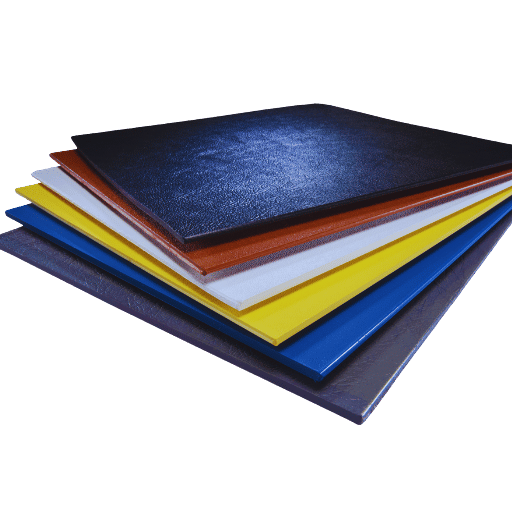
Unlike crystalline materials, ABS (Acrylonitrile Butadiene Styrene) does not have a sharp crystallization temperature. Instead, it shows a glass transition temperature (Tg) of approximately 210°F (100°C). This represents the point where the material begins to soften and reheats into a more pliable, rubbery form. Knowing this property is important because it sets the boundaries of usefulness and operation for any specific application. Understanding the thermal properties of ABS enhances performance while mitigating the risks associated with overheating, ensures there is less deformation under heat, and optimizes the manufacturing process.
Widely used in electronics, motors, and several household items, ABS plastic (Acrylonitrile Butadiene Styrene) is a common thermoplastic polymer manufactured from acrylonitrile, butadiene, and styrene. ABS is durable because of the chemical resistance incorporated by acrylonitrile. The impact resistance enhanced by butadiene and the rigidity along with glossy finish contributed by styrene, make this material highly versatile and polished. The compositional balance possessed by ABS allows the lightweight polymer to be easily processed, making it copious in automotive industry parts.
As with any other material, the melting point of thermoplastics is an important characteristic that affects their processing methods, uses, and performance in various conditions. In contrast to thermosetting plastics, thermoplastics may be repeatedly reheated and remolded. This characteristic facilitates recycling as well as manufacturing. The melting point is the value at which the solid becomes warm and sufficiently softened to be worked on which allows injection molding, extrusion, and thermoforming among other processes to be done.
For instance, low-melting polyethylene thermoplastics, which melt at approximately 120 degrees Celsius, are wonderfully suited for uses that need pliability and very low thermal resistance. In contrast to that, polyetheretherketone (PEEK), a high-performance thermoplastic, melts at nearly 343 degrees Celsius and is best suited for aerospace and medical applications that require exposure to extremely high and low temperatures. It is also worth mentioning that the so-called “melting point” is not very constant within a class of materials because of differences in crystallinity, the presence of certain additives, and other factors that influence the thermal behavior of the material.
In addition, monitoring and controlling the melting point during production guarantees consistency and aligned quality goals. Defects such as inadequate molding or weaknesses within the structure can occur because of temperature variations during processing. Knowing the exact melting point of the different thermoplastics allows for a more streamlined process and enhances functional effectiveness in the intended applications.
Acrylonitrile Butadiene Styrene (ABS) is often referred to as one of the most useful thermoplastics in the realm of 3D printing, both for its remarkable versatility and material properties. Use of acrylonitrile butadiene styrene, or ABS, is ideal in the fields of automotive, aerospace, and consumer goods due to its high impact resistance, strength, durability, and, most importantly, ability to withstand high physical and thermal stress.
In addition to being well-suited, another main advantage of using acrylonitrile butadiene styrene is that it can be fused with most Fused Deposition Modeling printers (FDM), allowing for easy machinability and integration with industry standards. A piece’s thermal stability and safety are critical components, especially with a need for light materials; ABS shines here as well, having a glass transition temperature of 105 degrees Celsius and weighing little but still maintaining significant strength.
Of equal importance is acrylonitrile butadiene styrene’s ability to withstand oils, acids, and alkalis, protecting printed components and ensuring reliability in harsh conditions. Accuracy in construction is another popular use of ABS as specific components can be easily sanded, painted, or polished through the use of acetone vapor, allowing the component to have a clean and detailed finish.
Recent research and usage trends indicate that ABS is most useful in situations where accuracy and structural strength are particularly important. Regardless, its manufacturing technique usually demands a heated platform or enclosed room to prevent warping that can result from cooling too quickly. Even with this constraint, the overall blend of performance and affordability makes ABS a primary material for professionals and amateurs in the expanding world of 3D printing.
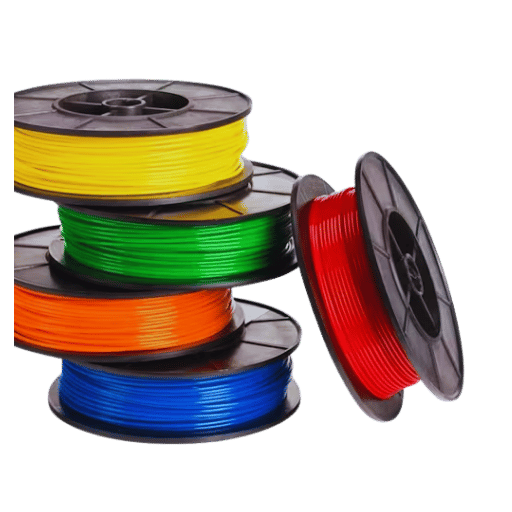
The initial step in the multi-phase process of employing ABS plastic starts with the glass transition temperature (Tg), which sits around 105°C (221°F). The polymer starts to move from a glassy phase that is rigid and brittle toward a softened solid that is pliable but not melted, and thus can flex without turning into a liquid. The behavior mainly comes from the amorphous regions of the polymer, which begin to allow more molecular motion compared to the fixed positions of the glassy state.
Unlike other forms of ABS, which fall under amorphous thermoplastic, there is a specific stage the polymer undergoes before passing its glass transition temperature, the softening point. The softening point sits differently based on the formulation used and additional components added, sitting between 210°C and 240°C (410°F and 464°F). After the aforementioned stages, the amorphous regions start to flow freely under pressure and melt, reducing the viscosity.
As recent research shows, moisture and how the polymer is treated during heating affect the polymer’s thermal stability. Moisture within ABS can lead to high-temperature hydrolysis, which will break down the chains of the polymer. To maintain the properties and structure of the polymer, it is crucial to dry the material before working with it.
The understanding of these transitions has been improved by recent developments in thermal analysis techniques like Differential Scanning Calorimetry (DSC). Thermal DSC data exhibits distinct thermal peaks at the Tg and softening point, facilitating engineers in optimizing processing parameters. Such understanding helps ensure that ABS maintains its advantageous properties of strength, flexibility, and durability during manufacturing processes and in end-use applications.
The thermal range for the melting temperature of Acrylonitrile Butadiene Styrene (ABS), attributable to its amorphous structure and specific composition, does not constitute a definite singular value. A few crucial elements influence this thermal behavior:
Polymer Composition
Thermal properties of ABS are greatly influenced by the ratio of acrylonitrile, butadiene, and styrene. An example is the increase of acrylonitrile content; it enhances thermal stability while elevating the glass transition temperature (Tg). On the other hand, greater amounts of butadiene improve toughness at the cost of some thermal resistance. A rough estimate for the range of ABS Tg s is 90°C to 110°C.
Additives and Fillers
The addition of flame retardants, plasticizers, or stabilizers inevitably impacts the thermal performance of ABS. For instance, flame-retardant additives may improve thermal resistance but interfere with the rate of heat absorption and dissipation, altering processing temperatures. The incorporation of mineral fillers, such as glass fibers, improves stiffness and thermal resistance, but negatively impacts overall processability because of decreased flow properties.
Conductivity as well as the Heat History of a Material
The history of the material’s thermal exposure throughout the course of processing affects its melting behavior. For thermal ABS sample, excessive thermal exposure obtained during processing stages increases molecular weight, also causing a higher thermal threshold due to degradation. Precise control over injection molding temperature from 230°C to 260°C prevents the overheating and thermal degradation of the ABS material.
Molecular Weight and Structure of Materials’
In contrast to lower molecular weight polymers, higher molecular weight polymers are deemed to have a softening and melting temperature range. A material undergoes phase changes only when a certain level of energy is provided in the form of heat. Chains of more irregular polymers can is encountered more frequently and can cause thermal deformation.
Internal Operating Environment
Various parameters such as rate of oxygen, humidity of the environment where processing is done are some of the additional thermoperformance modifier for ABS. Increased moisture or oxidative environments lead to a condition know as hydrolysis which causes lower thermal thresholds, hence controlling temperature during processing stages is critical.
Research done based on simulated tests involving thermos and the actual experiments suggests that precision in formulation and processing techniques can guarantee performance and mechanical reliability over many spans of applications for ABS. Careful monitoring over the ranges of melting allows engineers to keep industrial demands for quality materials in terms of consistency and reliability met.
The glass transition temperature (Tg) is an important characteristic of ABS (Acrylonitrile Butadiene Styrene) because it affects the thermal processing of the material. Tg is the temperature range at which a material changes from a rigid and glassy state to a softer, more rubbery state. Typically, ABS has a Tg between 85°C and 105°C, depending on the specific formulation and copolymer proportions. Knowing this range helps establish boundaries and refine performance for industrial purposes.
TG has a pronounced effect on the durability and mechanical properties of ABS, particularly its deformation under heat. For example, lower than Tg, the material is rigid and retains its shape; this makes it fit for applications involving high dimensional stability, such as automotive parts or electronic casings. However, above the Tg, the polymer is likely to lose rigidity and soften. This change results in increased flexibility, which can disrupt its load-bearing capability.
The most current focus in materials engineering endeavors to shift the Tg of ABS to more desirable levels for intended uses. Changes in the ratios of the styrene, acrylonitrile, and butadiene components, as well as the addition of fillers and impact modifiers, allow manufacturers to achieve specific thermal and mechanical properties. For instance, high-styrene content increases Tg and enhances rigidity, while higher butadiene content decreases Tg, improving toughness and impact resistance.
The most recent research also focuses on the importance of Tg in recycling processes for ABS. Working near Tg enables reshaping and reprocessing while minimizing thermal degradation. This is important as industries strive for sustainable practices because it is essential to have reliable Tg information for predicting material behavior in several lifecycle stages.
Addressing Tg during the formulation of ABS increases the material’s performance for highly demanding applications in aerospace, automotive, and consumer electronics. Controlled adjustment of this parameter enables the targeted balance of thermal resistance, flexing, and structural strength.
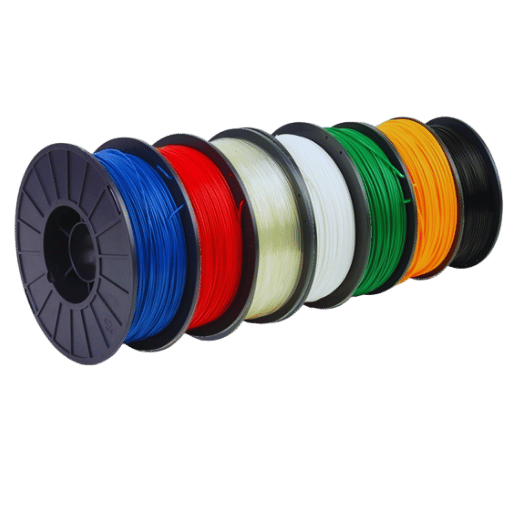
As with any 3D printing filament, we must take into consideration the physical characteristics of PLA (Polylactic Acid) and ABS (Acrylonitrile Butadiene Styrene), the requirements it has for printing, and its possible applications.
Material Properties
Being derived from renewable resources means PLA is eco-friendly and biodegradable. Compared to ABS, whose melting temperature ranges from 220-250°, PLA is easier to work with as it only needs between 180-220°. Regardless, ABS is much more durable, impact resistant, and heat tolerant (withstanding up to 100°C) whereas PLA softens at about 60°C. For functional prototypes and parts that must endure moderate heat or stress abd is the clear choice.
Ease of Printing
Softer PLA is easier to print and much more forgiving on more novice users. The material’s lower tendency to warp also reduces the requirements of temperature-controlled spaces. It sticks to build plates, which is a positive. Unlike PLA, ABS needs an enclosure or heated build chamber; otherwise, the item will crack or warp due to thermal changes during the printing. Along with this, proper ventilation is needed while printing as the material gives off fumes.
Post-Processing and Surface Finish
Polylactic Acid (PLA) is available in various colors and provides a glossy sheen, however, it has a matte finish and is very versatile during post-processing. ABS can be easily sanded, drilled, and even polished, while PLA is softer and has lesser structural integrity than ABS. Moreover, acetone can be used to smooth ABS, rendering an expert’s polish suitable for prototypes and display models.
Use Cases and Applications
Because of being biodegradable, PLA is best suited for low-strength ornamental objects and educational models, whereas polylactic Acid is used for concept prototypes. More robust materials, such as ABS, outperform in applications needing mechanical strength, like automotive parts, enclosures, and consumer goods.
|
Property |
PLA |
ABS |
|---|---|---|
|
Printing Temperature |
180–220°C |
220–250°C |
|
Heat Resistance |
~60°C |
~100°C |
|
Durability |
Moderate |
High |
|
Ease of Printing |
Beginner-Friendly |
Requires Advanced Setup |
|
Surface Finishing |
Glossy Finish |
Matte, Acetone-Smoothable |
|
Applications |
Decorative, Prototyping |
Functional Parts, Prototypes |
Ultimately, choosing between PLA and ABS depends on specific project requirements, prioritizing factors such as environmental considerations, durability, and post-processing needs.
ABS, or Acrylonitrile Butadiene Styrene, is preferred for functional components and applications that need parts to be heat resistant because it exhibits excellent thermal stability. Its glass transition temperature is around 105 °C, which means that it can withstand PLA, enabling better endurance to thermal stress, heat over operational temperatures. In my experience, this makes it advantageous for various prototypes, automotive parts, and any other applications that require thermal performance. However, achieving good results with ABS requires a controlled environment, typically an enclosed chamber with a heated bed to prevent excessive warping.
The ability to withstand impact forces is especially important during the selection of materials that are likely to undergo mechanical stress and sudden force application. Polycarbonate and ABS are materials with high impact resistance, as they can absorb and dissipate energy effectively, minimizing the chances of fractures and failures. This property assures reliability in the automotive, construction, and consumer goods industries, pay more attention to the reliability of parts which undergo dynamic loading or unintended impacts and spastic non-axial loading. Choosing a material that is sufficiently impact resistant to protect the product’s reliability, safety, and performance is vital.
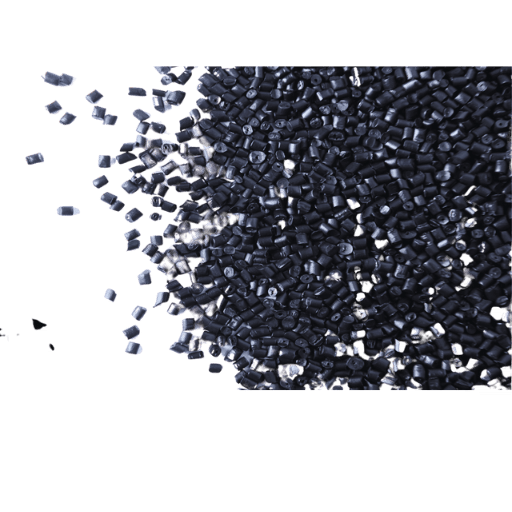
Due to its wonderful stability and resistance against heat, ABS (Acrylonitrile Butadiene Styrene) is suitable for moderate temperature applications. It maintains structural integrity as well as mechanical properties up to 176°F (80°C), ensuring dependable performance both outdoors and indoors. Above this point, depending on the load and time of heat exposure, ABS will start to warp and deform. For applications that require higher thermal resistance, polymer blending or other treatments can enhance heat performance.
High temperatures above the glass transition temperature, which sits at around 221°F (105 °C) for ABS, start to weaken the material’s mechanical properties. Specifically, the material’s rigid state begins to change into a rubbery state, losing its shape retention capability under stress. This phenomenon is particularly important for engineers and industrial professionals who expect reliable and consistent performance.
The reduction of tensile strength and impact resistance are among the most important consequences of high temperature exposure. Some reports show that ABS can withstand a longitudinal tensile strength of 5,100 psi at room temperature, but this number can drop drastically when exposure to heat stress is added, resulting in weakening and shifting under load.
Dimensional instability as well as thermal aging may set in due to prolonged exposure to temperatures from 176–248°F (80–120°C); these factors, in conjunction, will cause brittleness over time. In addition, oxidative degradation is accelerated during exposure to sustained high-heat environments, this is particularly true for unprotected materials that are free from stabilizers or protective additives. For some end applications, the performance of the material can be enhanced by blending ABS copolymers with heat-resistant constituents like polycarbonate (PC), which raises the operational temperature limits of the material to 140°C (284°F). Although these factors greatly improve adaptability, which makes it easier to work with ABS, the lower and upper temperature ranges need careful attention during design and application considerations.
The Heat Deflection Temperature (HDT) reflects how well polymetric materials, for instance, ABS, perform in a time-sensitive hot environment. It also indicates the upper limit at which the material is usable without undergoing deformation. Such materials need to be pliable to some degree, not to break under stress. For standard formulated ABS, its HDT value is typically between 176°F (80°C) and 221°F (105°C), depending on the grade under which ABS is manufactured.
HDT can be improved dramatically when ABS is copolymerized or filled, for example, using polycarbonate (PC). By adding glass fibers into the composition, some of these blends are capable of surpassing an HDT of 239°F (115°C). More notably, PC-blended ABS can exceed 284°F (140°C), which greatly expands the scope of potential applications. Such improvements to ABS’s thermal resistance are extremely beneficial when used for automotive components, electronic housings, or industrial equipment that need precise control over their physical dimensions under harsh conditions.
As with every other material, some parameters have a direct impact on the HDT of ABS, such as the molecular architecture, the type and amount of fillers, and the conditions the material undergoes during processing. Adding more crystallinity within the polymer, for example, tends to increase the HDT along with the presence of heat stabilizers. Different formulations of ABS allow tailoring of the material to guarantee performance in extreme conditions while ensuring reliability and durability.
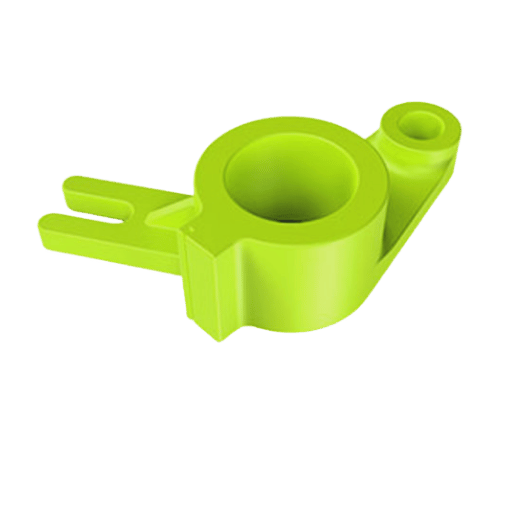
The mechanical properties and versatility of ABS (Acrylonitrile Butadiene Styrene) filament make it one of the most widely used 3D printing materials along with other types of engineering plastics. The styrene components allow fumes to be released during printing, which can help soften adjacent layers and improve adhesion, while maximizing the strength of the model as a whole. Prototyping, industrial functioning models, and other applications where functional testing of the model is required greatly benefit from the glass transition temperature of 105 °C, as it performs optimally under moderate temperatures. Because of the durable parts created using this thermoplastic, it finds applications in several industries like automotive, consumer goods, and even healthcare.
The smooth, clean aesthetic surfaces that abs models exhibit after post-processing are a primary use of acetone. Both chemically bonded and mechanically blended joints can undergo ABS filament and acetone, so any superficial layers can easily be smoothed out within a reasonable period. During the printing process, precise layer adhesion is essential to avoid losing the rendered mechanical stability of complex designs and intricate models, and thus, accurate adhesion is also present, levelled off layer by layer. More recent developments to blended ABS formulations have improved warping resistance, which allows large-scale prints to be completed reliably without needing a climate-controlled environment.
Research shows that, after PLA, ABS-based filaments are the second most used material in fused deposition modeling (FDM) 3D printers. Its recyclability, acrylonitrile butadiene styrene (ABS) serves as a sustainable material not only for prototyping but also for end-use manufacturing where cost efficiency matters. Ongoing advancements, like the production of bio-enhanced or reinforced variants, are increasing its adaptability and protecting its place in emerging 3D printing techniques.
Applications In Injection Molding
Injection molding benefits from the use of ABS plastic because of its ease of use, ability to withstand stress, and molding of intricate shapes. It is ideal for consumer items like electronic casings, automotive parts, and appliances. For instance, car dashboards and protective casings for electronic devices are commonly molded using ABS, as its impact resistance ensures reliability over time. Industry studies indicate that more than 30 % of global ABS consumption is earmarked for injection molding applications, highlighting its predominance in this area.
Further Than Injection Molding
The ongoing enhancements to the material in tune with advancing technologies further strengthen its application across various industries, showcasing the versatility of ABS as a material.
Acrylonitrile Butadiene Styrene (ABS) is an industry-preferred thermoplastic polymer due to its remarkable strength, toughness, and thermal stability. These properties position it as a highly effective polymer across multiple sectors.
1. Automotive Industry
The automotive industry is the largest consumer base of ABS, employing it in the production of dashboards, trims, wheel covers, and other interior components. The material’s impact strength and high-temperature performance provide the needed durability and safety. For instance, the heat-resistant lightweight materials adoption drove ABS demand, while the automotive plastics market is projected to expand at a 7.5% CAGR from 2023 to 2030.
2. Consumer Electronics
The electronics sector also benefits from ABS due to its excellent insulating properties and ease of molding. ABS is typically used in the production of keyboards, remote control casings, protective covers for devices, enhancing product reliability while enabling lightweight ergonomic consumer designs.
3. 3D Printing
Among 3D printing techniques, the use of ABS filament tops the list. This material has a fairly high melting point (~200- 250 °C), which guarantees that printed structures are strong and durable and can still be processed afterward. Some specific developments in blends of ABS, such as improved heat resistance and stability to chemicals, have increased its use in… prototyping and custom manufacturing.
4. Construction and Infrastructure
ABS finds application in the construction industry as part of piping components, conduits, and fittings where there is a requirement for great strength and resistance to chemical wear. Also, the lightweight attribute aids in lowering material and labor costs in large
A: ABS gains sufficient plasticity for molding around the melting intervals of 210-240°C. Thus, its melting point translates to a range instead of a discrete value.
A: Soften temperatures greatly influence a material’s performance because they determine the upper limits of the maintenance-free period and the degree of structural collapse deformation.
A: It is one of the most common thermoplastic polymers due to its strong mechanical properties, which include impact resistance, enhanced toughness, and resistance to temperature changes.
A: Controlling the heating rate is extremely essential for the proper execution of the melting ABS process. It assures that the polymer chains imprisoned in the ABS plastic material will soften uniformly, averting defects in subsequent processes such as injection molding and 3D printing.
A: ABS performs well in high-temperature applications due to its remarkable ability to maintain its mechanical properties and structural integrity even at elevated temperatures, which makes it well-suited for enclosures and other harsh environments.
A: Chain structures of polymers in ABS amorphous enhance the plastic’s flexibility, furthermore, impact resistance, making it more durable and versatile in its applications.
A: The different grades of ABS may have a slight difference in their melting point based on the formulation of the monomer and additives. Such differences would enable ABS to be customized for specific application needs.
A: ABS plastic is acceptable to be extruded. The temperature range has to be specifically controlled during the extrusion so that the material is neither too hot nor too cold, so that it does not degrade, which results in good quality ABS plastic parts.
A: In the case of ABS and other plastics, ABS has a moderate melting point which makes it more versatile for processes such as molding and extrusion, unlike other plastics, which would restrain high temperature applications.
1. Friction lap welding of thermoplastic ABS to aluminium alloy 6061-T6
2. Impact of Melting Temperature and Injection Speed on the Microstructure of ABS + 20 wt% PC/Al Flake Metalized Plastics
3. Mechanical, thermal, and melt flow of aluminum-reinforced PA6/ABS blend feedstock filament for fused deposition modeling
4. Acrylonitrile butadiene styrene
5. Heat
6. Polymer

Manufacturing processes are quite complex, and the choice of a production method is directly related
Learn More →
There are two major manufacturing methods for producing plastic prototypes that most people find useful
Learn More →
As a person involved or interested in the design and production of plastic components, it
Learn More →