

Manufacturing processes are quite complex, and the choice of a production method is directly related
Learn More →
Lead is known to possess unique properties, one of the most distinguishable being its density. Lead is a heavy, common metal with its density soaring to approximately 11.35 grams per cubic centimeter. This makes it invaluable in construction and radiation shielding industries. But what precisely contributes to this remarkable density? This article covers the smartomic composition and structure that determines the lead’s weight and its usefulness. This will be interesting whether you are a materials scientist, an engineer, or simply inquisitive about the science of different elements, because Lead is a fascinating material to study from a scientific viewpoint because of its unique density.
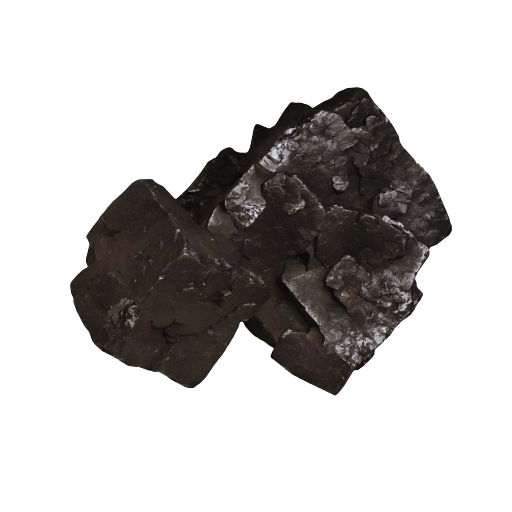
Lead has a density of about 11.34 grams per cubic centimeter (g/cm³) at room temperature. This also makes lead one of the densely used elements in various industrial and scientific activities. Its high density comes from its atomic structure with closely packed atoms, which significantly contributes to its mass per unit volume.
Lead’s density, approximately 11.34 g/cm³, comes from its atomic structure and high atomic mass. Lead atoms occupy a crystalline lattice which adds to the mass-to-volume ratio of the material. This property remains true to pure lead at standard conditions and continues to be one of its distinguishing attributes throughout its industrial and scientific applications.
The significant density of lead is based on its atomic structure: its high atomic mass and the tight packing of its particles. The atomic number of lead is 82, while its atomic mass is approximately 207.2 u, which means it is one of the heavier elements on the periodic table. Lead’s atoms crystallize in a face-centered cubic (FCC) structure, which is also known for its packing efficiency. This crystallographic arrangement strongly ensures worried bonded atomic offense material.
The atomic radius of lead is close to 175 picometers, while its molar volume is 18.17 cm³/mol. The dense packing of lead’s atoms is offset by a relatively high atomic mass—it is this combination that increases lead’s density. Its electron configuration leads to very stable electrons, which also aids the atomic structure arrangement: the nuclei with massive protons and neutrons significantly highlight its mass-to-volume ratio.
Furthermore, the cohesive energy of lead, which indicates the energy necessary to dismantle the atomic lattice into separate atoms, supports the tightly bonded structure of the metal. This cohesive energy, combined with intermolecular forces, sustains the compact state of the material, which affects its overall density. All of these factors on the atomic scale explain the reason why lead’s density is significantly greater than that of other elements, which are lighter and less densely packed.
With an approximate density of 11.34 g/cm³ at room temperature, lead is infamous for its density. This places lead next to aluminum, a lightweight and common metal, with a density lower than 2.70 g/cm³. Aluminum is one of the lightest metals used; iron, a raw construction and manufacturing material, has a density of 7.87 g/cm³. Even then, lead is substantially denser than the previously mentioned materials.
Heavy metals, renowned for their high densities, such as gold or tungsten, show even greater disparity. Gold, usually celebrated for its density and rarity, holds a density value of 19.32 g/cm³, nearly 70% higher than lead. Tungsten, famous for its hardness and strength, has a value close to 19.25 g/cm³, which puts it with Gold. These differences are further magnified when looking at the density spectrum of metals. While Lead is significantly denser than a variety of metals, it is still deemed lighter than Gold and Tungsten.
These differences in density are not simply mathematical differences—they have real-world consequences. For instance, aluminum’s lower density makes it valuable in industries such as aerospace that require lightweight materials. On the other hand, the high density of lead makes it useful for radiation shielding, ballast weights, and soundproofing. Understanding the variances in the density of metals assists in the appropriate selection for engineering, industrial, and scientific purposes.
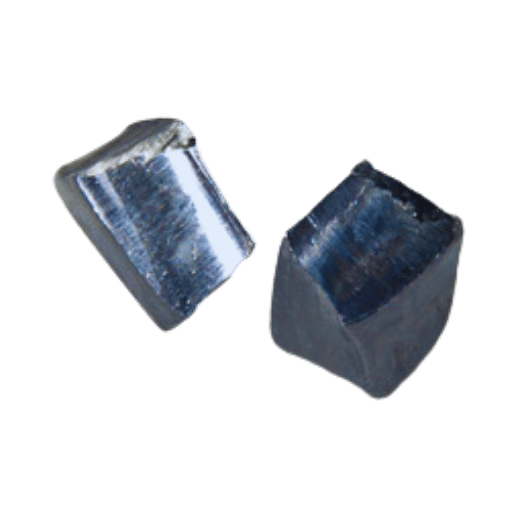
A material’s density is affected by atomic mass and atomic structure. A good example of this is Lead which has a density of around 11.34 g/cm³. This value is high because the atomic mass of lead is very heavy along with its atomic structure being tightly arranged. Lead is composed of atoms with an atomic number of 82, and a mass of 207.2 u, meaning that individual atoms of lead are significantly heavier than other metals like aluminum which has a mass of 26.98 u .
In addition, the density of lead is affected by the atomic packing. It also crystallizes in a face-centered cubic (FCC), which is known as the highest packing crystalline structure. This structure guarantees that there are high amounts of atoms, which means a lower volume ratio and an even higher density.
Metals with an atomic mass that is lower or have lesser density when it comes to the arrangement of atoms usually have low density. Aluminum for instance, has a density of roughly 2.70 g/cm³ which is very low due to the atomic mass being significantly lighter.
Applications requiring significant mass in a compact form make use of the high density of lead. These areas of application include radiation shielding, as the dense atomic structure effectively absorbs ionizing radiation, and counterweights of various mechanisms, where high mass is needed in limited spaces. An understanding of the relationships between atomic mass, atomic structure, and density allows engineers, as well as materials scientists, to make informed decisions on material selection to meet specific operational standards.
The extraordinary density of lead is decisively influenced by its face-centered cubic (FCC) crystal lattice structure, which allows maximum atomic packing. In a dense packing structure, the density is measured in terms of an atomic packing factor (APF), which is the ratio of the volume occupied by the constituent atoms to the total volume of the unit cell. In this case, the APF value is approximately 0.74, which is the highest possible in crystallography. The FCC arrangement ensures that the atoms are packed closely together, reducing the void space in the material.
The atomic properties of lead also significantly contribute to its high density. Lead (Pb) is classified as a post-transition metal with atomic number 82 and an atomic weight of 207.2 u. The high atomic weight is responsible for the density value of 11.34 g/cm³ at room temperature, making lead a non-radioactive element and one of the densest elements alongside osmium and iridium.
Heat and mechanical properties further elucidate the packing efficiency of lead. The thermal attributes of lead are particularly striking since its melting point is only 327.5°C (621.5°F) and it can be deformed tremendously without fracture due to the plethora of atomic mobility within the FCC crystal structure (heating up). All of these factors, along with the large density, make lead extremely beneficial in applications which demand spatial compactness and mass, such as radiation shielding, vibration dampening, and energy storage systems.
Combining understanding of the atomic geometry along with physical attributes, material scientists strive to discover more innovations for lead in both conventional and advanced applications.

Because it has industrial relevance, the density of lead is one of the parameters weighed throughout the industry, and is carefully determined using several methods. The most frequent methods used to determine the density of lead are hydrostatic weighing, pycnometry, and X-ray crystallography .
Hydrostatic Weighing
This was the first approach to measuring density using Archimedes’ principle, and calculates it using the displacement of liquid caused by the lead sample. If the weight of the sample in air is obtained, as well as the weight of the sample in liquid of known density, the true density of lead can be determined with a high degree of accuracy. While this method is precise, claim their accuracy depends to a degree on the equilibrium position of the sample in liquid, and relies greatly on the idea that buoyancy and weight act centrally.
Pycnometry
Applies hollow pycnometers: Lead densimeters, which are specially designed to determine the volume of irregular solids, can also determine the density of lead. The lead sample is put into a pycnometer filled with a solution that does not react at room temperature. Based on the density of the liquid and total weight of the fluid before and after the sample is put in, which together provide information about the volume of the sample, while the sample’s mass can then be calculated. This approach has found application in material science and also in the workshop for controlling the quality of the product.
X-Ray Crystallography
X-ray crystallography is used for the molecular measurement of lead on a molecular scale by probing its atomic structure. Scientists calculate the precise atomic spacings and derive the material’s density by examining the crystal lattice. This method, which is mainly of a investigative nature, requires ultramodern equipment and powerful computers.
Precision Balances
Determining density with a high degree of precision also employs analytical balances coupled with a density measuring apparatus. These kits often contain immersion techniques, and they are customized for the material being studied, in this case, lead. This methodology helps to achieve the required standards of precision for industrial or quality control purposes.
Verified Data on Lead Density
With controlled laboratory analysis, the density of lead is measured to be around 11.34 g/cm³ at a temperature of 25 °C and 1 atmospheric pressure. Measurements are subject to variation due to alloying impurities along with the environmental temperature and pressure which can shift the values. Advanced techniques help minimize such discrepancies which enhance confidence in diverse applications.
In my case, I have a mathematical expression whereby I can derive density as follows:
Density (ρ) = Mass (m) / Volume (V)
The mass of a given sample divided by the volume of the sample gives us the mass per unit volume, or in this case, the density of the material. It is one of the most simple, yet useful calculations that are done in many fields of science and industry.
Cubic centimeters (cm³) is a common measurement of volume for scientific computing and engineering fields. This unit is helpful in situations that entail small objects or substances, since it is more convenient and less cumbersome to deal with in terms of measurement. Consider the example of a metallic sample whose weight is 150 grams and volume is 50 cm³. Using the formula Density (ρ) = Mass (m) / Volume (V), the density would be 3 g/cm³.
The application of cubic centimeters is most useful in the laboratory, where the measurement of liquids and small solids is precise down to the final milliliter. Take, for instance, the density of water, which is conventionally known to be 1 g/cm³ at room temperature and pressure. This allows substances to be measured against other materials, making scientific analysis easier when figuring out parameters like buoyancy and purity.
Modern equipment like mercurial and electronic pipettes and volumetric flasks decreases the margin of error when measuring density in cm³. This results in better volume measurement and, thus, minimizes the errors made during the experiment and in industrial processes. Using the cubic centimeter as a fixed unit for all calculations relating to density will eliminate confusion and improve accuracy.
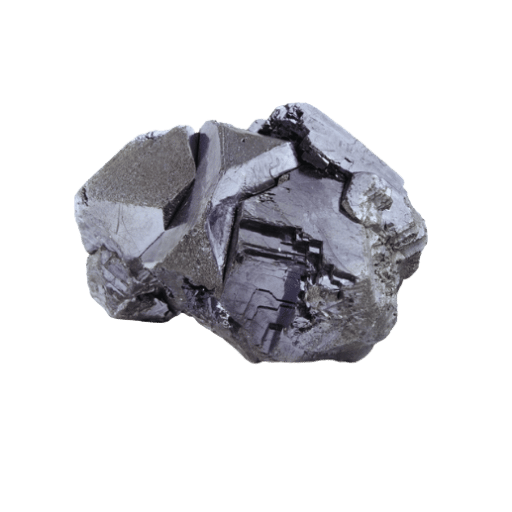
With an astonishingly high density of about 11.34 g/cm³, lead is a critical component for many industrial processes. Its mass places it perfectly for uses in ballast and counterweight systems, which need dense, space-saving material to stabilize structures, tools, or machinery. For example, lead balls are used widely in the marine and aerospace industries to alter the center of gravity for better balance and performance during flight and navigation.
Plus, the other industries that rely on lead’s effective radiation shielding properties as well as its density include medical and nuclear industries. Lead-lined walls and lead aprons areother examples that protect personnel from X-ray and gamma ray radiationexposure. Likewise, lead is used to encase radioactive materialswithin nuclear power plants to reduce contamination of the environment and exposure of workers to radiation.
One outstanding example is incorporating lead into projectiles like bullets and shot for firearms. The high density of lead provides significant mass and pneumatic stability during flight, enabling it to maintaindependable trajectories. Beyond that, it is utilized in vibration dampening systems in constructionand heavy machinery to reduce noise and extend service lifespan.
As we saw in these examples, lead is very useful because of its density and how it meets certain industrial requirements. Even though safety and environmental considerations are changing the way we use lead in modern times, it is still a primary component in applications where its properties, such as density, cannot be easily substituted.
Lead paint and pipes capitalized on the density of the material for durability, longevity, and good sealing properties. The material’s high density allowed lead pipes to resist corrosion as well as external pressure, guaranteeing prolonged service life under severely hostile conditions. Likewise, paint containing lead had lasting protective properties as the density allowed for better coverage and durability, which protected the surface against erosion. These qualities made lead practical in both scenarios before understanding the health risks associated with it.
Lead exposure mainly occurs through the inhalation or ingestion of lead particles from sources like degrading lead-based paint, water, or industry emissions. Ingestion and exposure to lead-based materials and manufacturing tools can cause gradual internal poisoning. Even minuscule amounts can result in interfere with critical systems to biological processes, particularly in expectant mothers and young children. Chronic exposure can result in irreversible damage to the nervous system, mounting biological problems, trauma, developmental delays, and a host of other complex health concerns. Protecting individuals from lead poisoning requires the elimination of environmental sources containing lead, proactive routine water, paint, and soil checks, especially in older homes, along with strict clean living conditions.
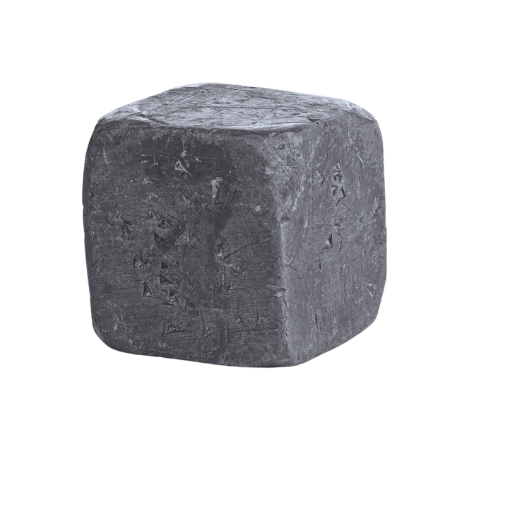
The features of every object are defined by its density, which is the mass of an object divided by its volume. The most important characteristic of an object, density, dictates the ways an object may be utilized within different fields. An example of such an element is Lead, which is much denser than both water and silver. Lead is among the densest materials in the periodic table, measuring at about 11.34 g/cm³ at room temperature.
Another widely known element, water, serves as a measurement standard, having an approximate mass of 1 g/cm³ at 4°C. While this makes the metal much more practical for usable applications, over eleven times the density of water enables Lead to be useful in applications requiring weight. This is further exemplified by silver, a soft, malleable, highly-conductive metal that is prized for these properties, which only depicts a density of 10.49 g/cm³. While silver is dense, Lead outdoes it by a large margin. There’s a good reason why lead is utilized in products like glasses and cameras; The lead significantly improves the capabilities of such products, as they can operate as radiation shields while counterbalancing the weight.
The significant difference in density values makes lead an excellent choice for products which require a specific position, such as in mounted temperatures requiring offset mass, construction, or radiation shielding. The understanding of such differences aids the selection of suitable materials for particular industrial, medical, and engineering applications.
Lead’s density, which stands at about 11.34 grams per cubic centimeter, surpasses other materials such as aluminum (2.7 g/cm³), steel (7.85 g/cm³), and copper (8.96 g/cm³), and is significantly higher than many commonly used materials. This is due to the scientific of lead, where atoms exist in a face-centered cubic crystalline arrangement with a high atomic mass and high atomic mass.
Radiation shielding is one area where lead’s high density is critical, especially in industries dealing with gamma and X-ray radiation. Lighter metals are far less competent than lead in this area. In medical imaging facilities, for instance, lead-lined walls and protective equipment reduce radiation exposure to healthcare workers and patients. In industries, lead is also frequently used as a counterweight and for ballast, serving to balance and stabilize heavy machinery. The lead’s ability to resist corrosion due to a protective oxide layer on its surface increases its functionality.
Moreover, shielding applications of lead have improved in efficiency due to advancements in material science. For example, lead can significantly lessen radiation intensity by almost 50% with less than 6 millimeters of thickness, in comparison to several centimeters of concrete or other less dense materials. This efficiency data speaks toward the practicality of the material where space and weight considerations are paramount like in nuclear and aerospace technologies.
However, it is equally important to restrain the use of lead to balance the advantages of this element with the impact on health and the environment. Significant steps have been made toward controlling the dangers of lead exposure, especially concerning industrial and architectural work, preserving its usefulness in construction while allowing its high-density characteristics to be put to good and safe use.
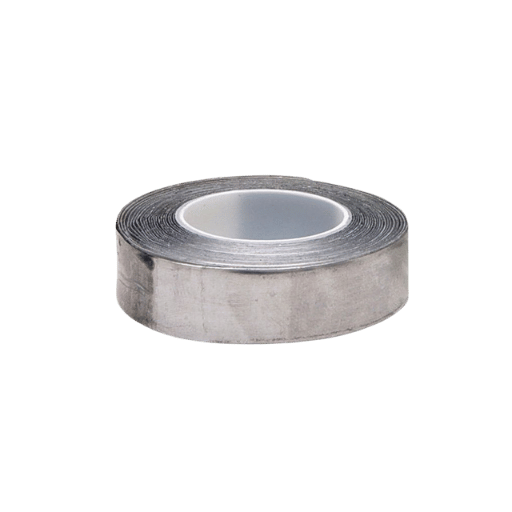
A: The density of lead is approximately 11.35 grams per cubic centimeter. It is measured by dividing the mass of the lead by its volume. This measurement can be affected by factors such as temperature and the purity of the lead.
A: The density of lead is significantly higher than the density of water, which is 1 gram per cubic centimeter. This means that lead will sink in water due to its higher density.
A: Understanding the density of lead is important for its use in various applications such as radiation shielding and manufacturing of batteries where its weight and mass are crucial to its functionality.
A: Lead is denser than other common metals like copper and silver. For instance, copper has a density of about 8.96 grams per cubic centimeter, and silver’s density is approximately 10.49 grams per cubic centimeter.
A: Lead is represented by the symbol Pb in the Periodic Table, and has an atomic number of 82. It also has a face-centered cubic structure, which contributes to its density.
A: Temperature does influence the density of lead. When lead is heated to near its melting point, there is a phase change from solid to liquid, which may impact volume and density.
A: Yes it can. Take the case of solder, an alloy made from lead and tin. The alloy possesses different density than pure lead.
A: Determine the density of a lead sample by measuring its mass and volume and dividing mass by volume. Ensure accurate measurements to provide trustworthy results.
A: Leads, particularly in the form of dust and lead deposits, are known to cause severe damage including neurological and systemic damage. Lead must be managed properly, and safety standards must be observed.
A: Unlike pure lead, mined lead is likely to have impurities which can affect density. These impurities may change the mass and volume to some degree which results in a change in density.
1. Lead–Sodium Melts: Properties of Densitometry and Surface Tension
2. The Density of Radioactive Minerals Lead
3. The Density of Lead from Ceylon Thorite
4. Lead
5. Metal
6. Density

Manufacturing processes are quite complex, and the choice of a production method is directly related
Learn More →
There are two major manufacturing methods for producing plastic prototypes that most people find useful
Learn More →
As a person involved or interested in the design and production of plastic components, it
Learn More →