

Manufacturing processes are quite complex, and the choice of a production method is directly related
Learn More →
For the purpose of driving innovation and efficiency across a multitude of industries, aluminum CNC machining parts have been the stronghold of modern manufacturing. Metamorphosing technologies and ever-changing production standards in 2025 are having a huge clash about outdated norms of the demand for superhuman precision, durability, and lightness in components. Aluminum, against whatsoever the application-based strength-to-weight ratio or corrosion resistance, does find favor in the aerospace industry, automotive, and consumer electronics. The article prescribes how aluminum CNC machining is borne out against the application of harsh manufacturing environments today, remains a vital member in transitioning industries, and what the key advantages offer for performance-wise, cost-wise, and for the environment. If a manufacturer, reasonably understanding these points, will be able to fully exploit aluminum CNC machining into a matter of consideration for them in this modern market.

Thirty CNC finishing processes stand reliable on the operation of automation and precision for aluminum work. Therewith pre-programmed software and codes that employ cutting tools prepare aluminum workpieces, while machines like milling machines, lathes, and grinders complete with intricate cutting, drilling, and in certain cases, finishing of aluminum in complex geometries. Aluminum, being relatively lightweight compared to other metals and having excellent machinability and corrosion resistance, find applicability in aerospace, automotive, electronics, and medical devices.
Growing demands for lightweight and durable materials such as aluminum in key industries are expected to be the reason behind the substantial growth of the CNC machining market. This growth underscores the importance of utilizing aluminum CNC machining to meet evolving market demands promptly, while incorporating cost-effective and environmentally friendly production methods.
Because of strength-to-weight concerns, corrosion resistance, and machineability, CNC aluminum parts occupy a very significant place in the development of numerous industries. This separates aluminum parts from the rest in the industries of aerospace, automobile, medical device, and electronic. Aluminum acts as a light and hard material on the aerospace front, thereby allowing filings, whilst the medical industry needs precision aluminum parts for its finished equipment.
Lightweight components for optimal battery efficiency
Tolerance of ±0.005 inches for critical applications
Aluminum recyclability minimizes material waste
The recyclability of aluminum stands out as an important aspect of its contribution to sustainability. CNC machining processes also take into consideration the topic of minimizing wasted materials in order to make better use of aluminum. These advantages have put CNC-machined aluminum parts in the forefront of innovation and efficiency in various industries.
With the fusion of advanced technology, sustainability, and flexibility toward changing market demands, mills are getting increasingly redefined. Industry 4.0 pertains greatly to this trend, with components such as automation, data exchange, and real-time monitoring via IIoT. Predictive maintenance uses an array of machine learning algorithms to acquire and analyze performance data, thus preventing equipment from almost complete downtime and ensuring overall operational efficiency.
Faced with unique and equally complex challenges, manufacturing harbors the wonders of additive manufacturing, also called 3D printing. It provides rapid prototyping, customization, and closure to efficient material use and timeliness in manufacturing aerospace, healthcare, and automotive solutions. Developments happening in multi-material and metal 3D printing allow the further use of the view.
Sustainability has become the biggest buzzword, with manufacturers adopting energy-efficient applications and implementing circular economy models. Lean manufacturing, for example, values eliminating waste from processes; solar-based factories target minimizing their carbon footprint. From a materials point of view, this is interpreted as the development of bio-based polymers or truly recyclable composites —the very words reinforcing the new thrust on environmental stewardship. These considerations, therefore, align with global regulatory frameworks and consumer demand for environmentally sustainable products.
Digitalization and the advent of artificial intelligence have ultimately turned the concept of decision-making on its head. Through AI analytics, multiple operative insights can be mined out of gargantuan datasets to improve supply chain logistics, demand forecasting, and ad hoc inventory management. Now these trends beg the perpetuation of increasingly intelligent production systems that are sustainable and efficient and thereby reinforce the manufacturing industry’s crucial role as a global conciliator of innovation and economic development.

Aluminum is one of the most widely used metals in CNC machining, thanks to its machinability, lightness, and excellent strength-to-weight ratio. While various alloys are available, a few stand out as far as machining applications are concerned:
Most versatile and commonly used grade
High strength and hardness alloy
High strength and fatigue resistance
Superior corrosion resistance
High-strength structural alloy
These alloys are selected based on individual performance criteria, considering factors such as strength, corrosion resistance, and machinability. The right alloy choice must be evaluated in terms of both functional performance and environmental conditions to ensure the optimal use and lifespan of the product.
In addition to selective mechanical prowess and less versatile applications, a machined component in aluminum seeks to be unique. The aluminum alloys are generally lighter, weighing roughly 2.7 grams per cubic centimeter; they are best when the lighter side is given the surface over strength. Alloys 7075 and 6061 have high strength-to-weight ratios suitable for aerospace, automotive, and structural applications.
Aluminum machined parts are corrosion resistant in nature. During the treatment of this metal, the presence of elements like magnesium or silicon or zinc enhances the ability to oxidize and degrade by atmospheric corrosion under harsh conditions. In an atmospheric environment, 6061 aluminum resists corrosion superbly, but the 5083 has been specifically designed to undergo corrosion in a saltwater environment.
Thermal conductivity is an important consideration too. Aluminum conductivity varies from 117 to 235 W/(m·K), depending on the alloy considered. This property gives aluminum the potential to be used as a heat sink and in electronic enclosures where heat dissipation needs to be minimized. Processing relating to the machining of aluminum is thus simple due to its low melting point of approximately 660°C; thus, machining does not induce thermal shocks that bring invariable changes.
Among the greatest advantages of aluminum being manufacturable is its ability to be machined via CNC processes. Since it is limited by hardness, tools will not wear out rapidly; hence, fine machining with tight tolerances is feasible, usually ±0.005 inches. Aluminum also enjoys secondary finishes like anodizing, where the aluminum surface is hardened and made durable and corrosion-resistant to justify wear resistance and aesthetics.
Properties such as light weight, corrosion resistance, thermal properties, and machinability combine to make machined aluminum parts moldable in modern engineering and manufacturing across various industries.
Aluminum alloys exhibit high corrosion resistance because of the formation of a protective oxide layer on their surface. This naturally occurring layer of aluminum oxide forms a barrier against further oxidation, protecting the underlying metal from environmental factors such as moisture and chemicals.
Some aluminum alloys may be more corrosion-resistant than others due to the addition of alloying elements like magnesium, manganese, and silicon, which enhance the material’s ability to withstand aggressive environments.
Marine applications with saltwater exposure
General corrosion resistance for various environments
The 5000 series and 6000 series aluminum alloys are renowned for resisting corrosion better and are biased toward marine applications where exposure to saltwater is a concern. ASTM testing standards state that the salt spray and immersion disrespected these alloys, discouraging extended use even in highly abrasive conditions. Moreover, in some instances, anodization may either increase corrosion resistance, owing to the thick oxide layer formation, giving higher durability and better chemical resistance in industrial and outdoor situations.
In this way, aluminum alloys find their applications in aerospace, vehicle structures, building, and marine construction. By virtue of their inherent qualities and treatments, they remain trustworthy in corrosive environments for an extended period.

Being lightweight and strong, aluminum offers the highest grade of efficiency to be plied by various industries. If it is said that aluminum is about one-third as heavy as steel, it essentially means that aluminum construction assures that component-wise weight will be much less in the aluminum realm while retaining full strength. This weight reduction is much more favorable for aerospace and automotive applications as greater weight means poorer fuel efficiency. Aluminum has a strength-to-weight ratio acceptable to some extent, which is much more so under adverse circumstances. These properties are advanced through higer alloying techniques so that manufacturers can design products highly resistant to deformation and worn-away objects.
Laboratory tests have proven that fatigue tests can endure corrosive stresses to such an extent as to warrant aluminum yield without fail. Yet another aspect of aluminum would be corrosion resistance. Such corrosion resistance is usually relevant when aluminum is properly protected – with the oxide layer on anodized aluminum, or by using other forms of coating- enabling the material to resist even the most corrosive environments such as high salinity marine conditions, and industrial applications. And this is very useful when designing and manufacturing components or mechanisms that comply with the challenging requirements since the mechanical properties are good enough to make aluminum an ideal material.
When assessing the technical superiority, manufacturing efficiency, and economic utility of industrial processes, the user is interested in aluminum machining as an alternative. The advantage of aluminum as a cheap alloy is derived from its machinability; consequently, machining time is reduced as well as less damage occurs to the tools. Aluminum also dissipates heat very well. This is due to that fact that no cooling systems are needed in most machining applications. This in turn reduces the cost of the electricity used in the cooling process.
More cutting-edge machine methods like high speed machining and automatic inspection and improved fabrication productivity by reducing cost on labor. Looking at other benefits of aluminum in the market, it is recyclable which makes the use economical and environment friendly. This is because more than 80 % of it, is wrought into products, allowing it to function as a closed loop system. Such hybrid economy chip recycling technology is known to cut down the cost of primary aluminum smelting aluminum production up to 95% according to industry statistics. In such circumstances, aluminum machining for manufacturers focusing on the triple bottom line – performance, environmental preservation, and cost advantages – is the most preferred especially if the material is aluminum.
Custom aluminum parts, with their intricate applications offering features such as lightness, a good strength-to-weight ratio, corrosion resistance, and easy machinability, allow for tailoring of aluminum parts to meet cost-efficiency and durability requirements in complex design scenarios.
Custom aluminum parts have truly rewritten the manufacturing narrative in these sectors by offering infinite versatility that must keep pace with the increasing complexity of engineering requirements. Industries, harnessing the power of modern CNC machining and CAS capabilities, continue to exploit every bit of utility that this versatile material offers.
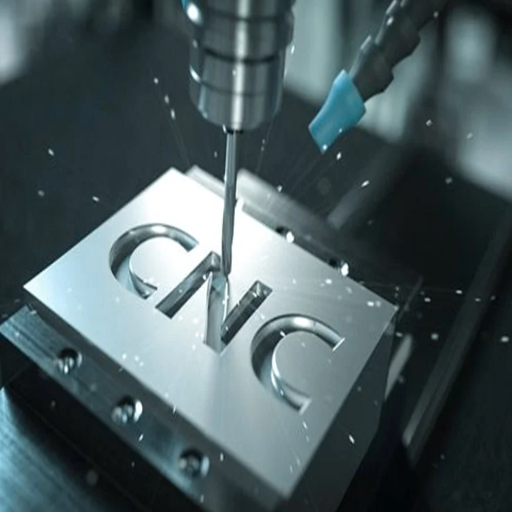
A crucial consideration when selecting a CNC machining service is its impact on the overall quality, cost, and performance of the finished product. Technical and operational parameters must be accounted for to ensure the service meets stringent engineering and production requirements.
When selecting equipment and services, it is essential to prioritize providers whose work and operations align with the material considerations relevant to one’s project. For instance, aluminum, steel, titanium, or specialized composites should be the company’s area of expertise; this thereby assures that the company produces your components without compromising strength, durability, or performance.
When selecting a service provider, it is very essential to know if the provider can deliver parts in tighter tolerances. This is because high precision is usually demanded especially in the aerospace, medical and automotive sectors. However, the appreciated precision can be given thanks to new technological advancements and competent staff.
Is the machining service capable of both prototyping and large-scale production work? A provider with scalable solutions ensures a smooth transition from initial development work to production runs in case of growing demand, thereby reducing lead-time costs.
Companies using advanced CNC technologies, such as 5-axis machining, multi-spindle machining, and real-time quality inspection, will be more efficient service providers for the manufacture of highly complex parts. These features enable intricate design and minimize setup time.
Check how much time is allowed for a lead-time, and if the quality gets compromised. A flexible service that can accommodate sudden urgent production changes or tight delivery times will genuinely add value and reliability to any project.
The organization must be certified with a set of quality certificates that guarantee its recognition for producing accurate and reliable components. Throughout the machining process, continuous quality control prevents defects and guards against product deterioration.
By thoroughly understanding these factors, organizations can partner with CNC machining services that align with their long-term production goals, ultimately leading to improved project outcomes and a more efficient supply chain.
Considered highly versatile, aluminum finds wide application in various industries due to its excellent machinability, superb corrosion resistance, and good strength-to-weight ratio. Some of the most critical machining processes associated with aluminum manufacturing are:
Rotational cutting center eliminates stock material at highest tolerances. High-speed operations with excellent heat dissipation. Five-axis machining centers produce geometrically accurate features for aerospace, automotive, and electronics.
Rotates aluminum workpiece against cutting tool to form cylindrical or conical parts. Advanced lathes produce intricate internal and external shapes with tight production tolerances.
Specialized tools with corrosion resistance, such as titanium nitride coated drill bits. Requires proper lubricant application to prevent fracture or structural distortion.
Surface refining operation for enhanced surface finish. Special aluminum abrasives prevent high heat release and surface damage, essential for automotive and aerospace finishing requirements.
High-volume manufacturing of flat or 2D aluminum components. Die cutting minimizes material waste while stamping adds complex features with consistency and economy.
Controlled electrical discharges erode material with minimal mechanical stress. Prevents distortion while achieving micro-level tolerances for complex design requirements.
Anodizing is often integrated into aluminum machining processes to achieve high surface hardness and wear resistance. Although anodizing is a post-machining process, planning considerations for this process during machining are necessary to ensure proper allowance for coating thickness and durability.
In tandem with technologies such as automation, AI-CNC programming, or cutting tool optimization, these machining processes enable manufacturers to meet demanding design criteria while keeping the entire operation cost-efficient. The selection of processes should depend on the specific application, material grade, and desired tolerance in aluminum parts.
In the process of manufacturing machine tools as well as specially designed parts, the client cost estimation is significantly affected by various issues. One of the main points that is generally taken into account is the intricacy of the design in question. The more sophisticated the geometry, the more uncomfortable and challenging to manipulate the component becomes, and hence, this requires advanced software, some extra working hours and possibly the use of machines with 3 or 5 axes. Sometimes it is not only the design complexity but also the material choice that matters. There is still only one material being considered due to its physical and chemical properties. With that said, the same airframe bracket can be significantly lass airframe plate of the aircraft because maybe in the one-aircraft design there will be only one such reinforcing part.
Production volume itself significantly affects the quote. Typically, with high-volume orders, economies of scale are achieved through reduced setup times and increased machine utilization, which is distributed across a larger number of parts, thereby lowering the cost per unit. Contrastingly, low-volume or prototype runs tend to incur the higher per-unit expenses for set-up and programming.
The other issue from a main standpoint is the tolerance and surface finishes requested, as tighter tolerances or enhanced finishes may require secondary operations such as grinding, polishing, or heat treatments, all of which add to the final cost. Moreover, expected lead times also affect pricing because an expedited manufacturing approach requires rescheduling production and promoting the manufacture to the top of the resource allocation list.
In addition to the following, there has to be another cost in respect of any of the downstream stages such as anodizing, or coating etc. Manufacturers have to take into account the cost of labour, energy and overheads both direct costs and indirect costs in coming to a fair estimate. An accurate and competitive pricing can only be offered by manufacturers upon examining the technical drawings or CAD provided by the customer.
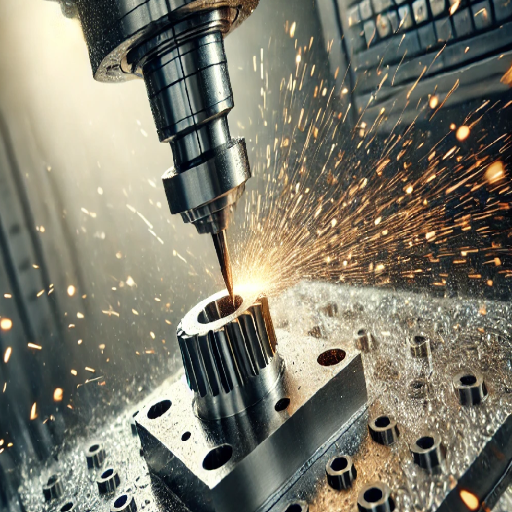
The aluminum processing industry is rapidly changing due to technology changes and enhanced aluminum demands in aerospace, automotive, and green energy sectors.
Keeping in mind that issues are somewhat more sophisticated than the concept itself, it is evident that the aluminum processing industry is rapidly changing due to technology changes and enhanced aluminum demands in mainly aerospace, automotive, and green energy sectors. Currently, the most remarkable development that promises the greatest appeal is the trend towards increased use of automation and smart manufacturing tools and technologies. The use of CNC systems with the internet of things and artificial intelligence constructs allows machines to be continuously monitored and operated in terms of health and performance levels and the optimal controlling measures to be adopted. This not only helps to amplify performance but to also reduce the time taken for such operations to be performed given that most of such activities are often scheduled.
Today, the way aluminum is being machined, in particular, has changed due to the perspective of customers who are more concerned about the issues of ecology. In the conditions of sustainable economic development, the use of recyclable materials in packaging has particular priority, and companies are working to reduce the use of coolants and cutting fluids. Much recycled aluminum is also finding application in an eco-packaging design, not yielding to that which is being produced to save raw materials and solve global problems of preservation of the environment.
When considering the future of aluminum machining, the role of improvements in materials and in the design of tools is crucial. These include the development of high-efficiency cutting tools that have specialized aluminum coatings such as diamond-like carbon coatings that allow operations at increased cutting speeds and reduce tool wear at the same time. This is partly because the need for precise metalworking increases with the growth of manufacturing and its demands for thread tolerance and various shapes.
In the big picture technology is regarded as pivotal in the lease of services, which are CNC in this case, increasing the precision, productivity and effectiveness. CNC however are advanced software including but not limited to CAD/CAM and that can enable the production of even the most complex geometries with the highest possible accuracy. This leads to achieving a ‘dynamic regime’ of fine-tuning of the production process as those learning and AI machines give machining solutions in immediate operation thus reducing the fatigue and the loss of working time since they can perform the adjusting functions on their own. In addition, this improves the performance by eliminating the process variations which otherwise may lead to production defects with the end product, thus reducing wastage and cost of manufacturing therefore eco friendly manufacturing is appreciated.
Cuts across several axes simultaneously, expediting manufacture of intricate structures with fewer operations
One more thing to mention here is about the development of multi-axis CNC equipment having sophisticated features. Guys, this type of technology actually cuts across several axes at once thereby expediting the manufacture of very intricate structures with lesser number of operations. Employ automation technology such as different various robots and sophisticated perception like advanced cameras, manufacturers are able to realize the highest performance possible without any decrease in quality.
Over time, technology has always supported all the CNC services in today’s world, aiding in excellent syncing and precision level that has enabled to tackle more and more difficult assignments. Utilizing these tools, we are readily poised to implement unique and extremely profitably projects for different business sectors. The urgency to promote technological progress in order to stay effective and productive in all aspects of manufacturing is corroborated by the fact that some transformation is imminent.
My prediction is the emergence of more fabrication plants across a number of industries because of the distinct characteristics of their use. The most important material for automobile manufacturing, aircraft construction and building industries is aluminum – its weight-to-strength ratio is most practical and it resists corrosion. Thanks to the focus on energy efficiency and green technology, very many producers are embarking on material use that will cause less harm to the environment; aluminum is the most suitable selection in this aspect especially because of its extraordinary recyclability.
Lightweight properties enhance fuel efficiency and energy utilization
Wind turbine parts and solar panel frameworks
Additive manufacturing and precision CNC machining
I look forward to the advancements in advanced aluminum alloy developments, which will propel a much larger spread, where more powerful and versatile alloys will set higher performance standards in discussions of applications.
Aluminum is expected to be a crucial metal, interfacing with the fast-growing shift toward renewable energy technologies and electric vehicles. Its very light properties enhance the capability of fuel efficiency and energy utilization, important for the upcoming shape of energy-efficient transmission. Likewise, wind turbine parts and indeed solar panel frameworks are beginning to use aluminum material because it offers durability with easy fabrication. I see that with improvements in production techniques, including additive manufacturing and precision CNC machining, working with aluminum is going to become increasingly more cost-effective and efficient, and therefore, more attractive.
Aluminium, due to its characteristics and properties, is evolving out of the old-fashioned material to something very new that is relevant to the age of manufacturing. With the evolution of machining and forming technologies, increased attention to green (the environment) technologies, focus on energy conservation and issues associated with global warming, the use of aluminium is one main basis in handling certain problems in industry as well as in user based consumer product designs. This implies in the text that the projected demand for automotive aluminium components would maintain the trend over the next few years.

Manufacturing processes are quite complex, and the choice of a production method is directly related
Learn More →
There are two major manufacturing methods for producing plastic prototypes that most people find useful
Learn More →
As a person involved or interested in the design and production of plastic components, it
Learn More →