Fraud Blocker
5.1 7

Mastering PTFE Machining Tolerances: Expert Guide for CNC Precision

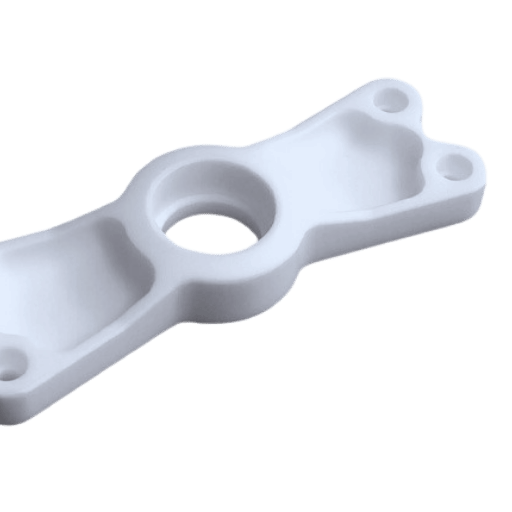
Holding tight tolerances on PTFE is difficult because the material creeps under stress, expands with temperature changes, and springs back after machining. Standard tolerances for PTFE parts range from ±0.001″ to ±0.005″, but achieving the tighter end of that range requires deliberate strategies around stress relief, fixturing, and tool selection. This guide covers the practical […]

Mastering PTFE Machining Tolerances: Expert Guide for CNC Precision Read More »
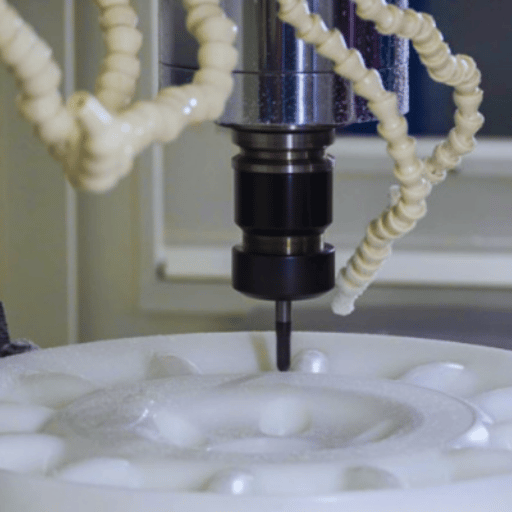
Mastering the Art of PTFE Machining: A Guide to CNC Machining Teflon Parts

PTFE Machining: CNC Guide to Teflon Parts, Grades, and Tolerances

Machining Teflon PTFE: The Complete Guide to CNC Processing, Challenges, and Applications Polytetrafluoroethylene (PTFE), widely known by the DuPont brand name Teflon, is one of the most demanding yet rewarding engineering plastics to machine. Its unmatched chemical inertness, near-zero friction coefficient, and broad temperature tolerance make it indispensable for seals, bearings, gaskets, and insulating components

PTFE Machining: CNC Guide to Teflon Parts, Grades, and Tolerances Read More »

The Ultimate Guide to CNC Machining ABS Plastic: Feeds and Speeds Unveiled

The Ultimate Guide to CNC Machining ABS Plastic: Feeds and Speeds Unveiled

CNC machining of acrylonitrile butadiene styrene (ABS plastic) is standard in modern manufacturing because of its flexibility in making final components, robustness, and cost efficiency. However, the results are optimal only when the machining parameters, mainly feeds and speeds, are well understood. These factors significantly affect surface texture, shape accuracy, and overall efficacy. This guide

The Ultimate Guide to CNC Machining ABS Plastic: Feeds and Speeds Unveiled Read More »

Nylon Raw Material: Understanding the Material Used in Making This Synthetic Fiber

Nylon Raw Material: Understanding the Material Used in Making This Synthetic Fiber

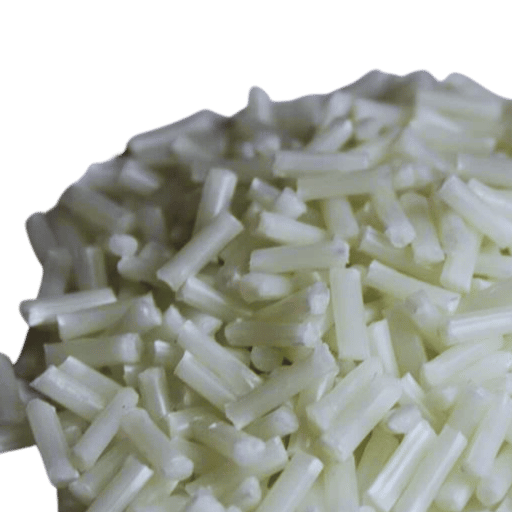
Nylon is synthesized from petrochemical-derived monomers—primarily adipic acid and hexamethylenediamine—that undergo condensation polymerization to form the tough, flexible polyamide chains the material is known for. Understanding these raw-material building blocks matters because resin chemistry directly affects machinability, moisture absorption, and mechanical performance in finished parts. This article breaks down nylon’s key ingredients, synthesis routes, and

Nylon Raw Material: Understanding the Material Used in Making This Synthetic Fiber Read More »

4.1 10

Mastering the Art of CNC Machining PTFE: A Comprehensive Guide to Milling Teflon Sheets

PTFE (Teflon) sheets are soft, slippery, and prone to deformation under cutting forces—making them one of the trickiest plastics to machine accurately. Success depends on the right combination of sharp tooling, controlled feed rates, and proper workholding. This guide walks through every step of CNC milling Teflon sheets, from material fixturing to finish-pass strategies, so

Mastering the Art of CNC Machining PTFE: A Comprehensive Guide to Milling Teflon Sheets Read More »

Nylon Machined Parts: Exploring the Role of Nylon Plastic in Machine Parts

Nylon Machined Parts: Exploring the Role of Nylon Plastic in Machine Parts

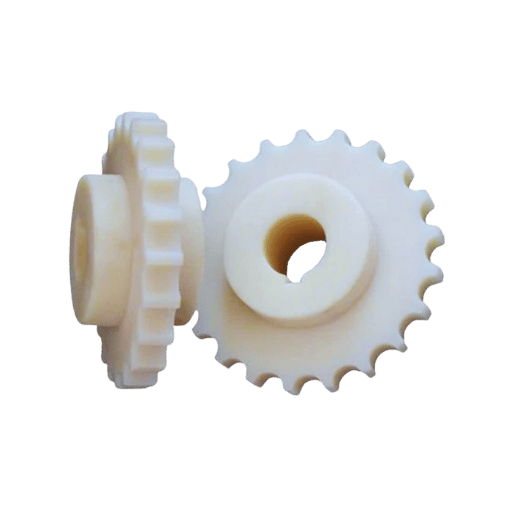
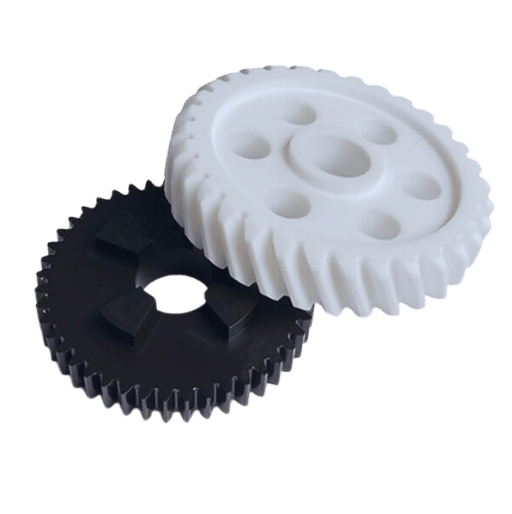
Nylon is one of the most widely used plastics in machined components, found in everything from bushings and gears to structural brackets and electrical insulators. Its combination of high tensile strength, low friction, chemical resistance, and light weight makes it a practical alternative to metal in many mechanical applications. This article examines the specific properties

Nylon Machined Parts: Exploring the Role of Nylon Plastic in Machine Parts Read More »

The Ultimate Guide to Nylon CNC Machining: Everything You Need to Know

Nylon CNC Machining: Grades, Parameters, and Best Practices

Nylon CNC Machining: The Definitive Guide to Grades, Processes, and Best Practices Nylon is the workhorse of engineering thermoplastics. Tough, lightweight, self-lubricating, and available in dozens of formulations, it fills a gap between commodity plastics and high-performance polymers like PEEK. From gears and bushings in factory automation to structural brackets in aerospace, nylon machined parts

Nylon CNC Machining: Grades, Parameters, and Best Practices Read More »

What are the environmental considerations for using POM?

Polyoxymethylene (POM): The Versatile Thermoplastic Engineering Plastic

Polyoxymethylene (POM) is a thermoplastic, not a thermoset. That single distinction shapes how it is processed, recycled, and machined into precision parts. POM offers high stiffness, low friction, and excellent dimensional stability, which is why it appears in everything from automotive gears to medical device components. For a deeper look at CNC processing parameters and

Polyoxymethylene (POM): The Versatile Thermoplastic Engineering Plastic Read More »

1.1 6

Understanding POM Machining Tolerance: Precision and Importance in CNC Manufacturing

Standard CNC machining tolerances for POM (Polyoxymethylene) range from ±0.05 mm to ±0.1 mm, though tighter holds are achievable with the right tooling and thermal controls. POM’s high dimensional stability and low moisture absorption give it an edge over nylon and ABS in precision work, but its thermal expansion rate still demands careful process planning.

Understanding POM Machining Tolerance: Precision and Importance in CNC Manufacturing Read More »

Scroll to Top