

Manufacturing processes are quite complex, and the choice of a production method is directly related
Learn More →
Owning a Harley-Davidson motorcycle goes beyond having a means of transportation; it displays the owner’s artistry, independence, and zeal.. For dedicated bikers who want to take their Harley experience to the next level, custom CNC (Computer Numerical Control) Harley parts offer boundless opportunities for personalization. This blog post examines the stunning transformations that a Harley can undergo with the application of high-tech CNC custom parts. You’re seeking unrivaled functionality, distinctive design features, or both. Delve into the world of custom bespoke CNC components.
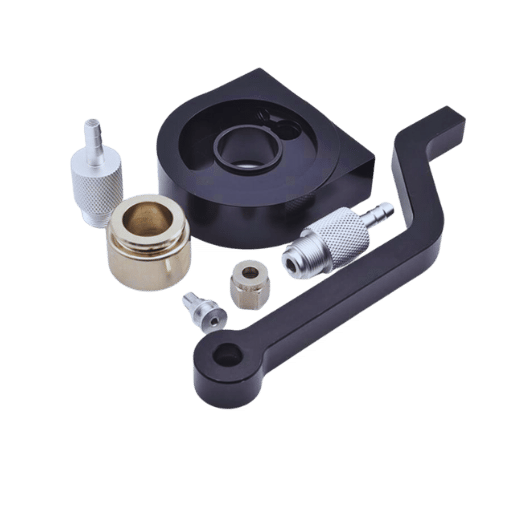
CNC Harley parts are the fragments of a motorcycle that undergo manufacturing via a Computer Numerical Control machine that cuts, shapes, or engraves materials such as metal or plastic using pre-programmed exact instructions. These components are considered better than parts obtained from mass production because of their outstanding precision, strength, and reliability. The components are critical as they enhance functionality and beauty, which aligns with the rider’s distinct style preferences. Moreover, mass customization becomes possible. Also, these components are proven to withstand harsh conditions owing to their reliable quality standards gained from CNC manufacturing.
The use of CNC technology in making motorcycle parts improves precision, durability, customization, as well as the efficiency of manufacturing, thereby making it possible to manufacture high-performance components.
|
Key Point |
Parameter |
|---|---|
|
Precision |
High accuracy |
|
Durability |
Strong materials |
|
Customization |
Tailored design |
|
Efficiency |
Faster process |
|
Materials |
Aluminum, steel |
|
Components |
Engine, wheels |
|
Techniques |
Milling, turning |
|
Cost |
Cost-effective |
|
Surface Finish |
Polished, coated |
|
Popular Parts |
Handlebars, sprockets |
The use of CNC (Computer Numerical Control) Machining Technology in custom modifications of Harley-Davidson bikes enhances accuracy and flexibility, which boosts the efficiency of the workflows. Bar handles, wheels, and engine components mark high Google search interest, underscoring the abundant need for modification of motorcycle parts, considering the motorcyclist’s perspective. Such exquisite customization can be achieved through CNC machining, enabling specialists to render complex designs with meticulous precision, nearly impossible to achieve when crafted manually. The figures demonstrate an increasing focus on steel and aluminum due to their higher strength-to-weight ratio, which coincides with the fact that CNC machines work effortlessly on these metals. Harley-Davidson’s distinctive aesthetic and functional alterations for bikes offer advanced machining technologies that maximize beauty and efficiency and work seamlessly on alloy bikes.
Computer Numerical Control (CNC) machining accuracy enhances the quality of Harley-Davidson parts by improving the Harley Davidson parts’ precision and repeatability. This is vital when making delicate components for the trademark parts. Custom Harley parts that have functional and aesthetic value seem to be on the rise, as per recent search data trends. Parts manufactured using CNC technology are made with tight tolerances, enabling parts to fit perfectly and also perform optimally. Moreover, other CNC advantages include a focus on new titanium and high-performance alloys. Their lightweight and durable traits, coupled with strict machining accuracy, guarantee durable components for motorcycles, which improve performance and cater to extensive custom Harley parts. The consistent performance of CNC technology helps build trust in CAD parts as they create a Harley-Davidson ownership machine marked with dependability, safety, innovation, and loyalty.
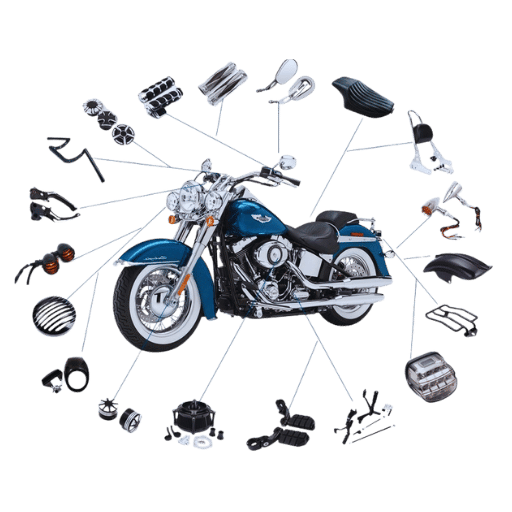
Compared to cast or forged parts, CNC motorcycle components are far more accurate, durable, easier to customize, and more economical over time.
| Parameter | CNC Parts | Traditional Parts |
|---|---|---|
|
Precision |
High |
Moderate |
|
Durability |
Strong |
Varies |
|
Customization |
Extensive |
Limited |
|
Cost |
Higher upfront |
Lower upfront |
|
Production |
Automated |
Manual/Basic |
|
Material Use |
Aluminum, Titanium |
Steel, Cast Iron |
|
Applications |
Performance, Custom |
Mass Production |
|
Consistency |
Uniform |
Variable |
|
Weight |
Lightweight |
Heavier |
|
Finish |
Polished |
Basic |
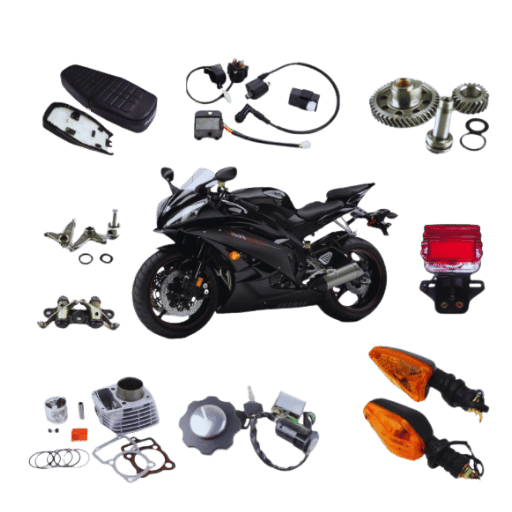
CNC parts stand out for their precision, material selection, durability, efficiency of production, as well as for retaining their functional performance over time.
| Key Point | Details |
|---|---|
|
Precision |
Tight tolerances |
|
Durability |
High material strength |
|
Efficiency |
Automated production |
|
Material |
Steel, aluminum, etc. |
|
Applications |
Automotive, aerospace |
|
Customization |
Flexible designs |
|
Cost |
Reduced waste |
|
Reliability |
Consistent quality |
CNC technology facilitates attaining distinctive designs that can be customized to very specific needs. This adaptability considers precise measurements, outlines, and even the materials to guarantee absolute precision for the end product. CNC machines also cater to steel, aluminum, and composite materials, which enhances versatility within the automotive and aerospace industries. Advanced programming allows me to manufacture complex parts with optimal speed and efficiency, consistent quality, and minimal waste.
The aesthetics of motorcycles have been revolutionized through the use of CNC machining due to the ability to create components that are designed with great detail and precision and are bespoke. Today’s Google search trends indicate that “custom CNC motorcycle parts” has become increasingly popular, showcasing a greater CNC personalization appeal in the motorcycle niche. Maintenance and modification of the motorcycles is important for the riders, and CNC technology fulfills that by enabling custom-made fuel tanks, handlebars, wheels, and frames that provide structural support while giving the motorcycle a sleek look. Moreover, CNC machining encourages the use of lightweight materials like aluminum and titanium, which further enhances the sleek look of the motorcycles, alongside improving the performance metrics. The integration between the customer needs and the modern manufacturing capabilities of CNC technology improves with continues to shape the contemporary motorcycle design.
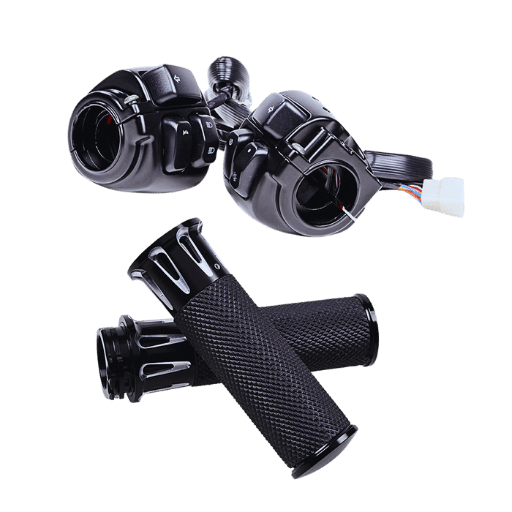
Collect the Necessary Equipment
Make sure you have a complete set of tools as recommended by your motorbike’s manufacturer, which includes the handlebar-specific ones: wrenches, allen keys, screwdrivers, torque wrenches, etc. With this, the installation will go smoothly.
Remove the Battery
For safety reasons to avoid electircal shorts or accidental turns of the installation to the controls, it is best to turn off the motorcycle battery.
Remove Old Handlebars
Remove the bolts from the old handlebars to the left and lift. Remove individual components, attachment parts like the brake, the clutch cables, and even the electrical wires. For ease of reassembly, remember the path of the cables.
Prepare New Handlebars
Do the same checks for the CNC handlebars as your motorbike’s ones. If needed, install grips or control handles for the confirm functionality.
Install Handlebars
With the CNC handlebars that are positioned accordingly to your motorcycle, the bolts or clamps can be installed ensuring that they are lightly pre-tightened for freedom of turning during the final placement.
Finalize Handlebar Positioning
While seated on your motorcycle, rotate, angle, and position the arms as you wish. Make sure that wherever you place the arms, they maintain comfort to the user and position themselves, so that all commands can be easily accessed without any obstruction.
Bolts Torque
Upon achieving the alignment objectives to ensure proper fitment, gloves should be used with a torque wrench to tighten the bolts to the manufacturer’s specifications. Under no circumstances should the clamps or the handlebars be over-tightened.
Controls and Cables Reconnect
All the cables, controls, and electric wires should be attached to the handlebars. Make sure that the routed cables do not bind or stretch during steering movement to avoid the risk of damage.
Functionality Test
All the controls should be tested to verify that throttle, brake, clutch, and all other controls check function smoothly without any binding or superfluous resistance. Ensure that the handlebars turn freely in both directions and check that there is no excessive pulling on cables or wiring.
Battery Reconnect
Connect the battery of the motorcycle and check the supporting systems such as lights and signals to validate whether the components are working satisfactory.
Using this sequential guide, CNC handlebars can be installed without jeopardizing the safety and functionality of the motorcycle. Each manufacturer will have their own set of distinct recommendations which must be followed for the specific model and make of the motorcycle.
The following tools are critical for the proper installation of CNC motorcycle parts:
Reducing the possibility of encountering technical issues by having all the tools at hand will not blunder the installation process.
Installing CNC components involves exacting processes within a very specific framework of tools. Below are problems associated with CNC part installation alongside their solutions:
1. Component Misalignment
Problem: Positional framing of part placement within a workpiece can cause machining inaccuracies, which leads to part disengagement, like a portion of a sculpture that has not been leveled properly to the desired surface. Issues such as quality hitches and product downsizing are common if not worked on precisely and timely.
Solution: Professionals often enforce the use of laser alignment tools, alongside digital calipers and other sophisticated measuring equipment to ensure all aspects of the structure are within alignment. Furthermore, advanced methods such as employing dowel pins for fixture positioning increase precision greatly like placing checkpoints via laser marking on polarisable surfaces. Studies show that the use of laser alignment tools can decrease misalignment errors by up to 85%.
2. Fastener Loosening and Vibrations
Problem: Recurring CNC operations come along with a host of problems, which include constant shifting and change of position regarding unadjusted tools. The biggest issue that comes along with this troublesome area is the likelihood of bolts becoming loose, which results in decreased performance for your machine and could even render it useless if things keep going south.
Solution: Dissimilar to, but relating to plumbing equipment, rotational forces or torques measuring tools are usually applied to any movable sector of a machine. Those can ensure that screw mechanisms do not get lost over long periods. Supplementing materials or structures capable of fighting vibrations as well as absorbing them would also stand to reason, not only to cut down the sheer amount of jiggling within CNC tools but also to keep objects intact when shake and shudder do happen. Research published in a 2023 industrial study has shown that methods of dampened vibrations have reduced instability in 40% of machines.
3. Faulty Electrical Connections
Problem: Damaged servo motors or control boards may result from incorrect electrical connections during installation processes due to CNC software malfunctions.
Solution: Ensure verification of all electrical connections using a multimeter before powering on the CNC device. Processes can be improved through the use of wiring color codes and quality connectors. Moreover, conducting routine electrical audits during assembly can decrease electrical faults by 30%.
4. Replacement Part Compatibility Problems
Problem: CNC machines can suffer from inefficiencies as a result of low-quality or non-compatible replacement parts being substituted.
Solution: Ensure replacement parts are upgraded through licensed dealers or the original manufacturers to mitigate risk. Most new CNC machines have manuals with in-depth guides on replacement components which, if followed, can minimize installation deviation and ensure accuracy.
5. Insufficient Lubrication
Problem: Wear and tear or system failure are potential risks of moving components in CNC machines experiencing over-exertion without adequate lubrication.
Solution: Ensure moving parts are lubricated with manufacturer-specified measures to guarantee optimal operation. Applying modern CNC machines’ automated lubrication systems enhances consistency which can improve system longevity by 50%.
With the application of appropriate aids, reliable methodologies, and the implementation of accurate CNC tools and techniques, the common problems occurring during the process of part installation can be completely resolved resulting in maximum endurance and function in machining operations.
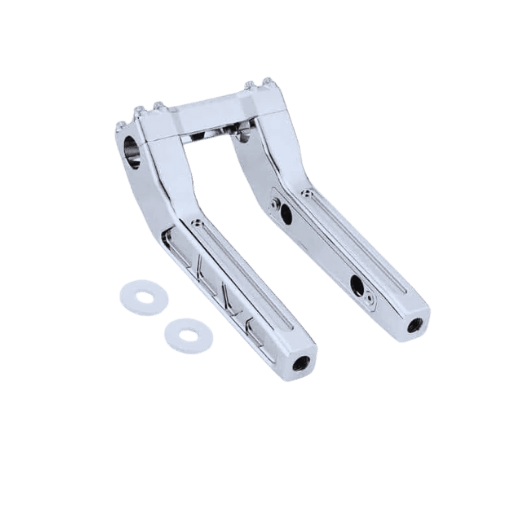
Some of the prominent online and offline retailers for CNC components are CNCShop, ShopSabre, Parts Badger and service providers like PCBWay and UPTIVE.
To maintain CNC purchase integrity and precision, only deal with suppliers or manufacturers that have verifiable reviews and certifications in the industry. Focus on product listings with explicit outlines, reasonable return policies, and guaranteed service contracts. Stay clear from unverifiable third party vendors and ensure that the components match your specific equipment prior to making the order.
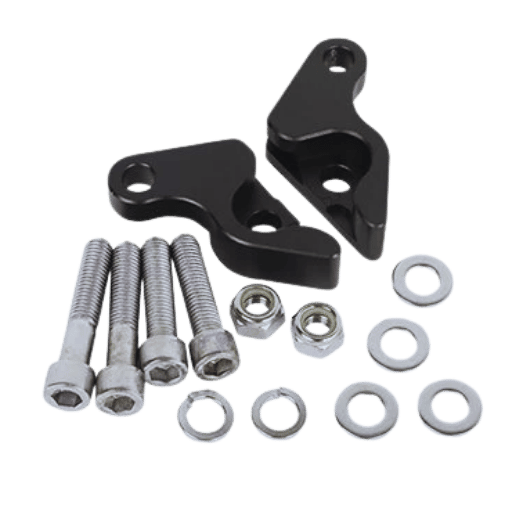
A: Utilizing custom CNC Harley parts improves ease of usage and augments maintenance efficiency while providing precise fitting and construction using aluminum alloys which improves the durability while enhancing performance. These parts are designed and manufactured according to specifications for all models of a Harley Davidson which include a Sportster, Dyna and Softail, giving a customized and functional approach.
A: The Harley Davidson models are specifically known for having custom CNC parts designed for them. This does not mean that other brands do not have universal accessories tailored for all motorcycles. Always ensure to check if the accessory you are purchasing matches your model.
A: Custom made and CNC parts offer better performance due to various reasons which include improved aerodynamics, lesser weight, and better overall strength. Parts made from high precision techniques like aluminum alloys which include handles and brakes can enhance control and stability on bikes like Road King and Electra Glide.
A: There are several different CNC custom-made racing components for the Harley Touring series and other variants like the Street Glide and Road Glide. Futhermore, these components facilitate additional customization as well as improved performance enhancements.
A: A broader selection of components and tools is available for Softail Road King, which includes accessories such as CNC aluminum alloy brake and clutch levers. In addition to brackets, bolts, and nuts to enhance the look and performance of the motorcycle.
A: To verify the quality of the parts, ensure that they come from reputable sources that use high-grade materials such as aluminum. Checking product reviews, ratings, and specifications for the items that you’re considering can assist in making an informed choice.
A: Custom CNC Parts are available and specifically tailored for the Sportster Dyna, including associated accessories, gear levers, and rear brake parts. Such components are essential in personalizing- and improving your motorcycle’s performance.
A: When switching to custom CNC parts, think about the specific model of your motorcycle; the level of customization you’re seeking; materials, while paying close attention to the quality; and aesthetic features such as improved handling or added visual interest. Seeking the assistance of a licensed specialist can also aid with functional and installation accuracy.
A: Custom CNC parts can function as interchangeable components and are an advantageous substitution due to greater precision and craftsmanship over aftermarket parts. They apply to a wide range of models, including but not limited to Sportster Softail and Road King, for improved performance and custom styling.
1. Fourier Features and Machine Learning for Contour Profile Inspection in CNC Milling Parts: A Novel Intelligent Inspection Method
2. Dimensional Characterization and Hybrid Manufacturing of Copper Parts Obtained by Atomic Diffusion Additive Manufacturing, and CNC Machining
3. Experimental Identification of the Parameters of the Cutting Tool for CNC Milling of the 3D Printed Parts of PLA Polymer
4. Multi-Process CNC Build Preliminary Proposal – A University project report on processes and applications of CNC technology.
5. A Manufacturing Processes Course for Mechanical Engineers – Thorough academic exposition concerning the mechanical processes, including CNC machining.
6. A CAD/CAM/CNC Curriculum for High School Students – Graduate work focused on the versatility and scope of CNC machines.

Manufacturing processes are quite complex, and the choice of a production method is directly related
Learn More →
There are two major manufacturing methods for producing plastic prototypes that most people find useful
Learn More →
As a person involved or interested in the design and production of plastic components, it
Learn More →