Fraud Blocker

CNC Aluminum Hub Centric Wheel Spacers: Enhance Your Vehicle’s Fit and Performance


Performance, along with the cosmetic enhancement of the vehicles, usually entails an increase in efficiency as well as accuracy. One of the best ways to achieve the perfect placement of the wheels and improve the driving is to apply CNC aluminum hub-centric wheel spacers. They are the vehicle spacer devices for enhancing ride quality by riding on a high-precision CNC lathe machine. These spacers ensure that the hub’s uniformity with the wheel does not defeat the purpose and also enhances handling, hence no vibrations as well. The purpose of this article is to demonstrate the ways in which hub-centric wheel spacers can improve the efficiency of a given motor vehicle and enable it to move effortlessly in straight lines while providing enhanced security and stability of the said vehicle. Tune in if you have angst about how the mentioned part is so important for your vehicle and why it’s a must-have.
What Are CNC Aluminum Hub Centric Wheel Spacers?

Contents show

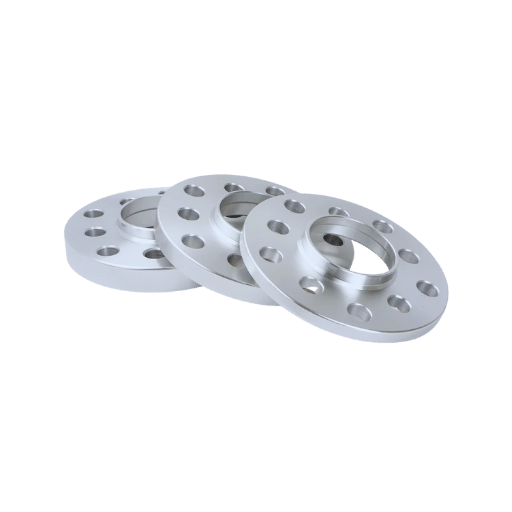
What Are CNC Aluminum Hub Centric Wheel Spacers?

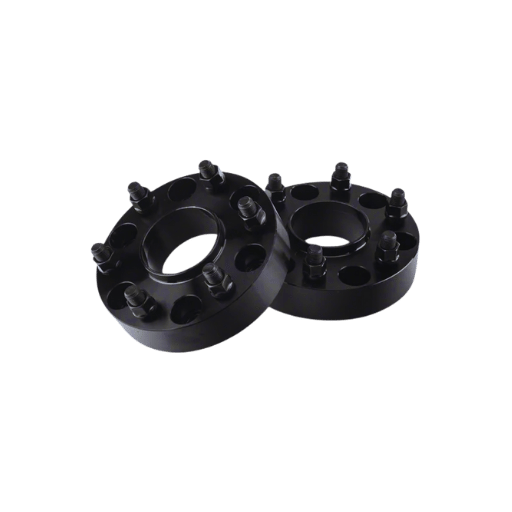
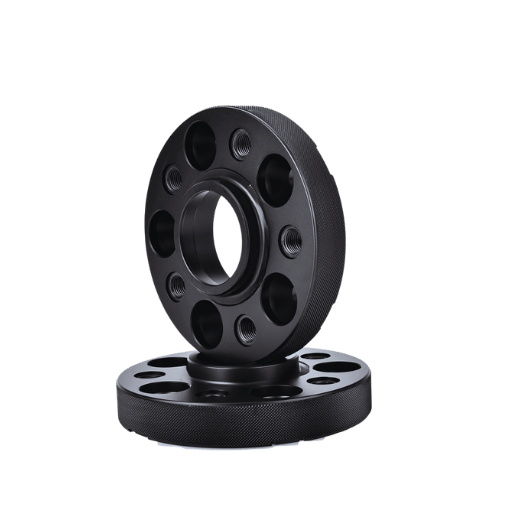
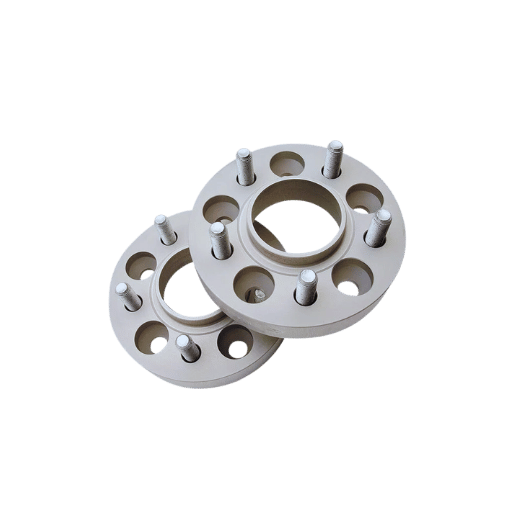
CNC aluminum hubcentric wheel spacers are precision-made products that hold the vehicle’s hub, while the wheels rest on top. These spacers are made from CNC-machined aluminum to eliminate fitment issues such as gap formation or sagging, vibrations, and off-center misalignment. They are crafted such that the wheels are perfectly centered to the hub, thereby increasing stability, control, and the even distribution of weight. This makes for a smoother drive while taking stress off other components of the vehicle, thereby increasing life and safety.

Definition and Manufacturing Process

To alter the depth of the rim relative to the hub of the vehicle for better clearance is enabled by wheel spacers, which are special units between the brake rotors and the inner bore of the rim. Wheel spacers are exceptionally useful when fitting wider wheels inside deep-set wheel arches to ensure that they fill them completely.

This is done by CNC-made aluminum alloy components in the structures made. They are highly appreciated more especially due to their strength and light weight. The operations also entail slicing and boring the material to perfection and hardness as per safety and functional requirements.
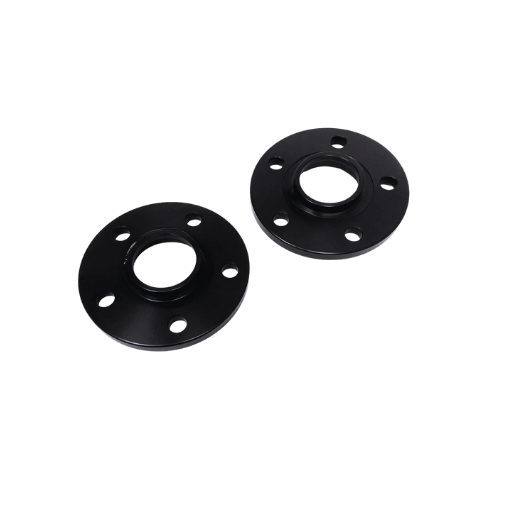
Key Features of Hub Centric Design


  • Enhanced Stability: Hub-centric designs diminish vibrations, ensuring the uniform transfer of load across the wheel-hub interface.

  • Aligned Correctly: Stress on lug nuts and wheel bolts is minimized; at the same time, optimal alignment of wheel and hub is ensured.

  • Durability: By minimizing unwanted movement and strain, the hub-centric design increases the operating life of wheels and the assembly components.

  • Easier Installation: The tight fit will assist installation by eliminating any alignment problems.

  • Safety: The ability to maintain a firm connection under conditions of high stress or dynamic load far outweighs the contribution of hub-centric design to vehicle safety.

Material: The Advantages of Billet Aluminum

  • Strength and Durability: Being strong with fatigue resistance, billet aluminum is suitable for high-stress applications.
  • Lightweight: A significant reduction in the weight offered by billet aluminum puts it ahead of all other materials used to enhance the performance and efficiency of engineering and automotive designs.
  • Corrosion Resistance: Being naturally resistant to corroding, the billet aluminum offers a good life and good reliability, even against the harshest environmental conditions.
  • Precision Machinability: It is provisions of the structural integrity that gives a scope for precise machining, thus resulting in more intricate and precise components.
  • Thermal Conductivity: Being highly thermally conductive, billet aluminum becomes a really useful material in heat-dissipating applications, such as cooling.

Benefits of CNC Aluminum Hub Centric Wheel Spacers

Benefits of CNC Aluminum Hub Centric Wheel Spacers

Improving Vehicle Stability

cnc aluminum hub-centric wheel spacers decrease the amount of vibrations over the course of speed, especially at higher speeds and on corners, because they align both the wheel and the hub precisely, thereby improving the weight distribution. These accessories are particularly useful in the sense that they are able to secure onto the wheels of the vehicle, and as such, stress-saving components, especially when driving, are also realised.

Enhancing Aesthetics for a Flush Look

The aesthetic appeal of the vehicle is heightened through the use of cnc aluminum hub-centric wheel spacers. These spacers, made from CNC aluminum, eliminate last-mile gaps between the wheels and the fenders. With enhanced fitting, the cutting-edge design of the vehicle is still maintained, whereas the usage of aftermarket wheels becomes more meaningful.

Increasing Clearance for Larger Tires

Wheel spacers create more clearance because they move the wheels outwards, enabling installation of thicker and bigger tires. Additional clearance ensures maintenance of proper functioning of tires without coming in contact with the suspension parts or wheel arcs, and thus, the 5 lug system is achieved. This allows the use of cnc customized wheels and tires, and in return, the cnc aluminum hub centric wheel spacers keep the function of the vehicle secure and safe too.
How Do CNC Aluminum Hub Centric Wheel Spacers Differ from Other Types?

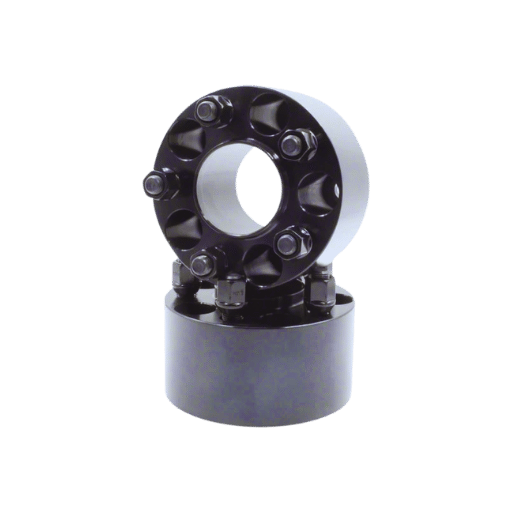
How Do CNC Aluminum Hub Centric Wheel Spacers Differ from Other Types?

Comparison with Lug-Centric Spacers

CNC aluminum hub centric wheel spacers offer accurate fitting, improve weight balance, and reduce noise and vibrations, and latter may be used on cars that lack hub and are cheaper and very simple to fit but might cause correlation problems.

Key Point Hub-Centric Lug-Centric
Centering Hub bore Lug nuts
Load Evenly distributed On lug nuts
Precision High Moderate
Cost Higher Lower
Vibration Minimal Higher
Durability Better Moderate
Installation Complex Easier
Compatibility Specific Versatile

Material Comparison: Aluminum vs. Steel

  • Weight: Aluminum is terribly lighter than steel and thus minimizes the weight of the wheel assembly for better vehicle performance in acceleration and fuel efficiency.
  • Corrosion Resistance: Aluminum has excellent resistance to rust and corrosion, increasing durability and making it suitable for adverse outfit or humid atmosphere conditions.
  • Strength-to-Weight Ratio: Though steel is absolutely stronger, aluminum in the strength-to-weight ratio is heavy enough to provide strength with a little added weight.
  • Heat Dissipation: Aluminum dissipates heat more quickly than steel. It keeps performance stable and saves components from heat-induced stress.
  • Workability: Compared to steel, aluminum is already much easier to machine and anodize. This allowed precise manufacturing, with even further coatings added to protect performance or design.

Visual Comparison of Spacer Types

Material composition, weight, durability, and conversion stand as the pluralistic dimensions differentiating spacer types:

Aluminum Spacers

Light under weight, corrosion-free, ideal in cases where thermal dissipation from heat should be efficient. A higher quality type occurs inside the atmosphere of high temperatures or almost under weight consciousness. Usually, they could come anodized in a panoply of colors.

Steel Spacers

Good in strength and rigidity, are therefore the type for heavy applications. Heavier than their aluminum counterparts but resist well against deformation under stress.

Plastic Spacers

Being weightless, non-conductive, and resistive to electricity, makes them apt in electrical or electronic applications. Their drawback is that they do not keep up well against stress in mechanical situations.

The choice of a spacer type depends on special-purpose requirements, like environmental factors, carrying load, and thermal factors.
Installation Tips for CNC Aluminum Hub Centric Wheel Spacers

Installation Tips for CNC Aluminum Hub Centric Wheel Spacers

Step-by-Step Installation Guide

  1. Assure Suitability: Ascertain that the cnc aluminum hub centric wheel spacers you purchase are the correct fit in terms of the bolt pattern, hub size and thickness required for your car.
  2. Prepare the Vehicle: When working on a vehicle, safely raise it up with a jack, then put the jack stands under the vehicle, so that the car does not fall. Remove wheels so that access to the wheel hub assembly can be gained.
  3. Clear the Hub Surface: It is essential to thoroughly clean the wheel hub surface before installing the spacer in order to get the most out of the performance, as rust, dirt, and grime will get in the way of the seating.
  4. Align the Spacer :  Place the hub-centric spacer over the wheel hub, making sure the center bore matches the wheel hub and the spacer is in a flat position.
  5. Lock the Spacer in Place: Install either the provided long lug bolts or lug nuts over the installed spacer on the hub and lightly tighten them in a star-shaped manner to distribute the load evenly.
  6. Fit the Wheel Back: Adjust the wheel so that it mounts over the spacer and the bolt threads. Tighten the wheel to the recommended unit of force as stated in the owner’s manual.

Common Mistakes to Avoid During Installation

  • Not Cleaning Mounting Surfaces: Dirt, rust, or foreign substances on the hub or spacer surfaces prevent correct seating and, therefore, an uneven installation that is hazardous. Ensure the surfaces are clear of dirt or foreign matter before commencing.
  • Wrong Torque Application: Over-tightening may damage the components, whereas under-tightening may result in them coming loose as time goes by, thereby compromising safety due to a poor installation. Use a torque wrench and follow the torque values as speculated by the manufacturer.
  • No Test Fit: Sometimes, not testing fitting the spacer and wheel can cause alignment or clearance trouble issues. Always ensure proper fitment occurs before finalizing the installation.

Tools and Torque Specifications

For proper installation of wheel spacers, verify that the tools and torque specifications below are adhered to:

Recommended Tools:

  • Torque Wrench – For accurate tightening of bolts to values set out by the manufacturer.
  • Socket Set – Suitable for both the wheel spacer and vehicle bolts or nuts.
  • Breaker Bar – Used for loosening securely fastened bolts, if so required.
  • Thread Cleaner or Wire Brush – Used for cleaning thread debris prior to cute.
  • Anti-Seize Compound – To stop bolt threads from binding to corrosion.

Torque Specifications:

Consult the vehicle owner’s manual or the spacer manufacturer’s instructions to ascertain the value of recommended torque. The application of the ideal torque value (ft-lbs/Nm) for a safe fit is very important. Improper torque application, either exceeding or falling short, will compromise the assembly; in fact, it may lead to the breaking of components. Wheel spacer torque is usually between 80 and 120 ft-lbs for most passenger vehicles; however, you should find out the exact value for your application.
Maintenance and Care for Longevity

Maintenance and Care for Longevity

Regular Inspections for Wear and Tear

Performing regular inspections is essential for the maintenance of wheel spacers’ performance condition. Any cracks, corrosion, or deformations in wheel accessories shall be checked due to the performance and safety implications that they have on these accessories. Safety also demands that the spacers are firmly fastened with no loose fasteners (such as screws or bolts) or damaged ones present. If there is a tire rotation event wherein the wheel spacers have to be opened and maintained, then such an event shall proceed as per what the manufacturer suggests. Any worn-out parts should be replaced without any delays, as it provides for safety as well as operations.

Cleaning Tips to Prevent Corrosion

  • Rinse Regularly: Employing a rag soaked in clean water that is appropriately clean should be done. Wheel spacers should be free of earth, salt, road minerals, and any such foreign matter. In doing so, it minimizes the risk of the build-up of such aggressive elements
  • Use Non-Abrasive Cleaners: Use an automotive metal-friendly cleaner that is not harmful to surface protective coatings due to the chemical aggression of corrosion.
  • Dry Thoroughly: After cleaning, ensure that the spacers are free of any water as much as possible because dampness encourages rusting.
  • Apply Protective Coatings: Spray on or use a surface sealant as per the instructions from the manufacturer in order to apply another layer of defense over the operated surfaces against water or contaminants.
  • Inspect During Cleaning: Examine the surface for any form of corrosion or damage while cleaning and fix them instantly in order to avoid further damage.

Signs That Spacers Need Replacement

  • Visible Cracks or Damage: In the presence of cracks, chips, or deformations in the spacers, their structural integrity and safety shall be compromised.
  • Corrosion or Rust: Rust can, when advanced, weaken the material and cause the spacer to be declared unfit for its use.
  • Uneven Wear: Uneven wear on the spacer or mating parts might be indicative of a slightly misaligned spacer or some irregularity with the spacer itself.
  • Difficulty Maintaining Torque: Either the bolts or nuts are breaking loose too often when the installation was correctly carried out, and it could be signaling the presence of a spacer on the decline.
  • Noise or Vibration: Odd noises or vibrations during road driving may suggest a damaged or misaligned spacer.

⚠ Important: Having detected any of these issues, it becomes of utmost importance to replace the spacer so as to uphold vehicle safety and performance.
Use Cases for CNC Aluminum Hub Centric Wheel Spacers

Use Cases for CNC Aluminum Hub Centric Wheel Spacers

Performance Vehicles and Handling Enhancement

CNC aluminum hub centric wheel spacers are a common modification used in sports cars when drivers look to increase the performance of their vehicles. These spacers, which increase the track width of a vehicle, help improve the cornering efficiency and the grip on the tarmac at high velocities. Those particularly fitted and therefore well-balanced do not cause any vibrations during motion and smooth out bumps. For race and off-road conditions, where extra grip is a need, this is however more understandable.

Off-Roading Applications and Larger Tires

CNC aluminum hub centric wheel spacers are quite functional when it comes to off-road driving with big tires. This type of spacer provides some space between a hub and a wheel where enough space is needed to mount wider tires hitherto limited by the fact that one or several elements such as the suspension or the calipers or the fenders might have provoked friction. Its hub centric nature is designed to make sure that the wheel is correctly positioned and the loads are distributed effectively thus extending the life of the parts and preventing the deformation of their geometry when driving in harsh off-road conditions. Furthermore, they are CNC made for the sake of accuracy or long life driving because it is these conditions that call for the survival of such parts.

Aesthetic Modifications for an Aggressive Stance

For anyone interested in cruising in style, particularly with the help of cnc aluminum hub centric wheel spacers, I am certainly guilty as charged. These wheel spacers, as they are often referred to in automotive slang, extend the track width in order to create an aggressive fighting posture, providing an intimidating look to a car. The perfectly machined spacers allow for such a perfect fit, which helps enlarge the aesthetic value of the vehicle, and yet does not spoil the functionality nor safety of the vehicle.

Frequently Asked Questions (FAQs)

Q: What are hubcentric wheel spacers?

A: Hubcentric wheel spacers are made to fit snugly over the hub of the wheel to get a correct and tight fit. The weight of the vehicle is then equally shared along with the vibrations being cut; the wheel acting as a basic connective limb toward performing and safety.

Q: What will I need to consider when choosing the size of my spacers?

A: The first thing to consider is how thick the spacers are; secondly, choice of bolt pattern and diameter of the vehicle itself. For example, 5-millimeters thick hubcentric spacers may need to be installed to clear certain rim offsets or brake components.

Q: What are good-quality wheel spacers made of?

A:An excellent high-quality wheel spacer is usually forged from aircraft-grade aluminum such as 6061 T6, to combine strength and durability with lightness. In other words, forged, aircraft-quality wheel spacers are suitable for enduring off-road conditions and high-performance driving.

Q: Do these spacers change the offset of the wheels?

A: Wheel spacers do increase or actually alter the wheel offset, depending on the case. More offset is sometimes considered excellent for stability and handling of the vehicle; otherwise, one must be careful to see whether the offset created matches the vehicle specifications, for otherwise, the performance may just suffer.

Q: Can I use wheel spacers on stock rims?

A: Usage of hubcentric spacers on stock rims shall be yielded provided the spacer fits bolt pattern, as well as the diameter of the factory wheels. However, you must keep checked whether the addition of thickness would interfere with some other components, possibly even bracing systems being the biggest concern.

Q: Why select thick spacers?

A: They do have a few advantages, such as getting the wheels realigned, enhancing the handling, and providing more clearance for brake components. Also, they help to push the wheels a little further away from the body of the vehicle for an aggressive stance.

Q: Any specific brands for buying quality wheel accessories?

A: Yes, there are quite a few good-wheel-accessory vendors out there, including manufacturers of hubcentric spacers and adapters. So you really should do some research and give preference to those makers that have been custom-made for the industry on the grounds of quality and reliability.

Q: So, what do loc-centric spacers do differently than hub-centric ones?

A: Hubcentric spacers fit exactly on the hub of the wheel, and lug-centric spacers use lug nuts for centering. Hubcentric spacers would be desirable to produce a proper seating for the job and thus would have more implications for performance. Lug-centric spacers tend to work for less demanding applications.

Reference Sources

Final Thoughts

In CNC machining, aluminum hub-centric wheel spacers embody a marriage of precision engineering with careful consideration given to durability and performance enhancement. These highly machined pieces can serve for, say, a stiffer, more-immediate-ride-and-handle setting on pavement or big tires on rough tracks for off-roading and aesthetics with respect to a more aggressive footing. When installed properly, inspected, and maintained and if manufactured properly using 6061-T6 aluminum, performance and safety are well assured for at least a couple of years ahead. Step on up and invest into quality wheel spacers, and you will release your car’s untapped potential.

Kunshan Hopeful Metal Products Co.,Ltd

Kunshan Hopeful Metal Products Co., Ltd., situated near Shanghai, is an expert in precision metal parts with premium appliances from the USA and Taiwan. we provide services from development to shipment, quick deliveries (some samples can be ready within seven days), and complete product inspections. Possessing a team of professionals and the ability to deal with low-volume orders helps us guarantee dependable and high-quality resolution for our clients.

You may be interested in
Scroll to Top
Get in touch with Kunshan Hopeful Metal Products Co.,Ltd
Contact Form used