

Manufacturing processes are quite complex, and the choice of a production method is directly related
Learn More →
Inside a CNC mill, every little part matters if you want clean, repeatable cuts. The tool holder often gets overlooked but acts like the backbone between the spinning spindle and the cutting bit. When that connection wobbles, so does your workpiece. Jumping into the guts of the holder can help anyone tighten their tolerances, not just veterans, but shop owners tracking yield rates. In the section that follows, well peel apart the standard parts torque screw, taper, collet, and sleeve-in plain language so we dont lose anyone who just signed up for night school. When you’re done reading, you should have one more way to coax a little extra from the machine shop floor.
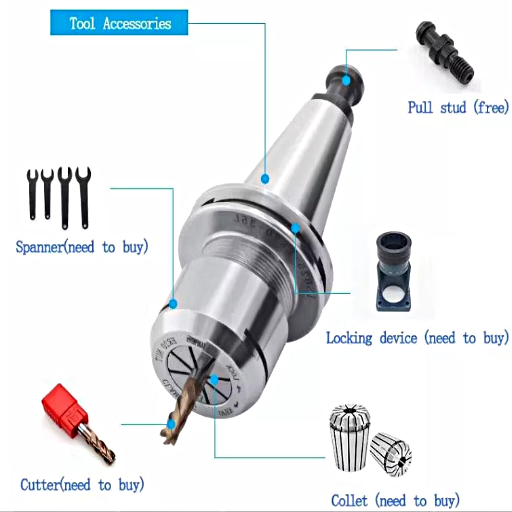
CNC tool holder parts are the sturdy little clamps that grip cutting tools while they chew through metal. Without them, a milling cutter could wobble or pop out at the worst possible moment. The holder keeps the tip lined up just right, so every pass leaves an even, clean edge. Spin the machine quickly and the whole assembly stays put- even tiny vibrations dont break its grip.
Proper jaws also cushion the tool against shocks, helping the cutting edge survive longer and saving money on fresh inserts. Slap the same holder into different jobs, and it still delivers decent surface finish; that repeatability is what keeps manufacturers smiling. Less downtime swapping parts means a shop can finish several extra batches before Friday. In short, a tough, well-matched tool holder lets metal-cutting programs add up fast.
A sturdy tool holder sits at the heart of every CNC mill, quietly locking a cutting bit so neither vibration nor gravity gets a say. When that grip is rock-solid, corners stay sharp, surfaces look smooth, and operators sleep a little easier knowing specs won’t drift. Aerospace and auto shops, where a two-thou slip can ruin a part, lean on that reliability like they lean on calipers that cost as much as rent. Keep the tool still and you reduce wear, stretch the life of both cutter and spindle, and let the bottom line smile by ringing up fewer replacements.
Efficiency on the shop floor often climbs or tumbles based on the tool holder’s quality- no drama, just physics showing their hand. Engineers keep chasing designs that absorb chatter, ditch play, and shrug off the G-forces of aggressive cuts, which explains the surge in balanced or anti-pull lock features popping up in search queries. Balanced grips let inserts kiss the workpiece without losing confidence, so mills run quieter and parts look finished instead of rough. Smooth cutting means longer tool life, less downtime, and a factory that moves like it just drank a triple-shot espresso.
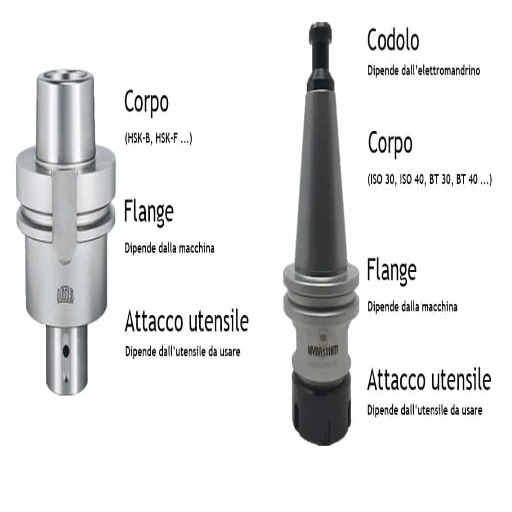
CNC pros discuss many different tool holders, and the names can get a bit dizzying. We’re talking about CAT, BT, and HSK designs; then you have shrink-fit systems and good-old collet chucks—hydraulic chucks, milling chucks, tapping chucks, and plain end-mill holders round out the list.
|
Tool Holder |
Grip Type |
Key Feature |
Best Use |
Durability |
|---|---|---|---|---|
|
CAT |
Taper |
Sturdy design |
Heavy-duty |
High |
|
BT |
Symmetric |
Balanced |
High-speed |
High |
|
HSK |
Hollow shank |
Quick change |
Precision |
High |
|
Shrink Fit |
Thermal |
Strong grip |
Milling |
High |
|
Collet Chucks |
Slotted |
Versatile |
Light-medium |
Moderate |
|
Hydraulic Chucks |
Hydraulic |
Vibration damp. |
Precision |
High |
|
Milling Chucks |
Sleeve-based |
Heavy-duty |
High-torque |
High |
|
Tapping Chucks |
Compression |
Threading |
Tapping |
Moderate |
|
End Mill Holders |
Set screw |
Compact |
Milling |
Moderate |
Picking the right tool holder for a job isn’t just a guess; it starts with figuring out how precise you need to be. Collet chucks work for most light and medium runs because they’re quick to swap and hold bits tightly enough most of the time. The moment heavy torque enters the picture, however, a beefy milling chuck steps up and never blinks.
Jobs that demand almost zero runout usually turn to hydraulic or shrink-fit holders- the grip on those seems to swallow vibration. Threading has its hero; a good tapping chuck uses compression to keep pitches steady from the first cut to the last screw. Pairing each style’s quirks with what the machine and part demand is the simplest way to save time and keep quality high.
Collet chucks have become go-to holders in machine shops from Detroit to Düsseldorf. They sit tight on the shank, hold the tool without fuss, and usually stay out of the way while the real work happens.
1. The Grip You Can Trust
When a collet closes, it squeezes evenly around the tool, like a camera lens tightening around film. That uniform grip locks the bit down for high-speed cuts, keeps vibration in check, and helps you nail the part within a hair’s width.
2. Swap Shanks in a Snap
Interchangeable collets mean one holder can handle drills, end mills, or even small boring bars without breaking a sweat. That kind of size range cuts clutter from the toolbox and spares the budget the pain of extra holders.
3. Less Beating, Longer Life
Because the clamping is balanced, there’s barely any wobble, and the cutting edge doesn’t get chewed up on the first few passes. Less abuse translates to longer tool runs and fewer quick-fire orders for replacements.
4. High RPMs, No Headaches
Most collets’ tidy, low-profile design lets spindles reach the business end much faster without scary overspeed warnings. Quicker cycles mean the shop clock stops complaining, and customers get their parts sooner.
5. Easy Maintenance, Short Downtime
Cleaning a collet chuck takes a minute with a soft rag; wear parts slide out almost as easily. That simple upkeep helps keep machines humming rather than parked under a tarp.
6. Ease of Use and Quick Setup
Collet chucks let you swap out tools in seconds with just a simple twist. That fast switch cuts wasted time almost to zero and keeps production lines humming, especially for shops cranking out large batches.
A taper tool holder slides right into the spindle socket and locks in by camming against the tapered mouth. In contrast, a flange holder clamps down on a flat lip and is usually grabbed by the arm of an automatic changer.
|
Feature |
Taper |
Flange |
|---|---|---|
|
Connection |
Cone-shaped |
Flange-based |
|
Attachment |
Spindle |
Tool changer |
|
Stability |
High |
Moderate |
|
Speed Use |
High-speed |
Standard |
|
Applications |
Precision |
General |
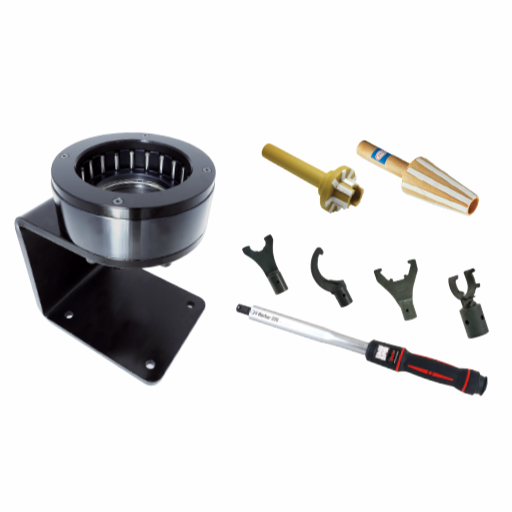
Choosing the right one isn’t guesswork; it’s part homework, part trial-and-error gone slow.
Every spindle has its fingerprint. Check the taper angle, diameter, and locking scheme before you buy, or you risk jamming a square peg into a round hole.
Grinding carbide demands half a tenth of runout, or you’ll ruin both bit and part. Heavy hogging, however, just wants a holder that won’t let the wrench slip.
Stainless loves speed and light grip, but tool steel will laugh at that setup and chew the shank to ribbons. Pick a holder that plays nice with the stock you see most.
Swapping drills every fifteen minutes? Quick-lock features turn downtime into daydream time, so seek out levers or push buttons that click with minimal fuss.
Unbalanced holders thrum like a guitar string gone sour once the RPM crest. That wobble eats accuracy, so if you’ve got a spindle that purrs above ten grand, pay attention to balance charts.
Hit these points and your holder will coax every last ounce of grit out of the machine while keeping the shop floor humming.
Before anything else, check whether the holder fits your bit. Drills, end mills, boring bars- each one likes a different seat. Pick the wrong match and performance tanks faster than you can spell mismatch.
Runout is that wobbly gap you feel the moment a cutter spins. Keep that wobble tight and the finish practically polishes itself. Less runout means your tool doesn’t wear down like a cheap pencil.
Once it slides in, something has to grip the cutter, or you’ll wind up with flying steel. Hydraulic chucks hug at high speed, collet chucks are quick-swap champs, and shrink fits hold like glued granite. Choose the clamp that won’t let go when the job gets gnarly.
A tool holder isn’t just a fancy donut; it’s a shock absorber in disguise. Alloy steel handles heat like a champ, while carbide laughs at wear, so pick the metal that matches your abuse level. Skip cheap imports unless you enjoy unscheduled repairs.
Even the toughest holder needs a breather occasionally, so make it easy to clean. Designs that let you swap or tighten parts on the fly drain less production time than a coffee break. Less fiddling equals lower costs over the long haul.
Studying the numbers and trends closely helps you pick the right tools. That more brilliant choice often boosts efficiency, keeps cuts neat, and stretches the life of every machine.
A quick glance inside a tool crib reveals a small world of materials: carbide, steel, aluminum, titanium, and even ceramic bits waiting for action. Each one tells a different story, from tough-as-nails hardness to featherlight builds that keep the spindle spinning smooth.
|
Material |
Hardness |
Durability |
Weight |
Cost |
Best Use |
|---|---|---|---|---|---|
|
Carbide |
Very high |
High |
Heavy |
High |
High-speed cutting |
|
Steel |
Moderate |
High |
Heavy |
Low |
General machining |
|
Aluminum |
Low |
Moderate |
Light |
Moderate |
Light-duty tasks |
|
Titanium |
Moderate |
High |
Light |
High |
Precision cutting |
|
Ceramic |
Very high |
Moderate |
Moderate |
High |
Abrasive materials |
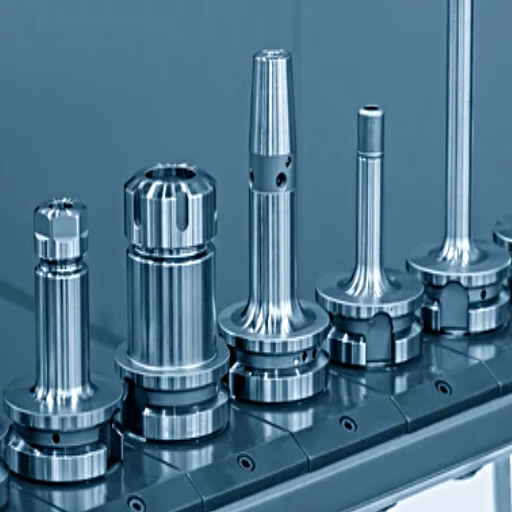
None of that matters if the holder itself starts acting up, so shops monitor five trouble spots that love to crash the party: runout, wear, vibration, clamping slips, and plain old grit. Fix those early, and everything else runs like clockwork.
Put those pointers together, and the holder stops being an afterthought; it turns into the unsung hero that stretches cutter life and keeps the pay-streak running. Inspect, clean, and choose the right fit-first, second, and last rule of thumb.
Runout is that wobbly feeling you notice when a spindle or cutting head refuses to spin perfectly round. The moment that wobble appears, machining accuracy fights an uphill battle, surface polish drops, and even the toughest sharp edges start to dull faster than they should.
Think of runout in two ways: radial wobble pushes the tool side-to-side like a shaky bicycle wheel, while axial wobble nudges it up and down its shaft. Either kind messes up the next cut, shakes the machine, and wears inserts unevenly.
A whisker of extra distance from the center can turn an on-spec part into an oversized paperweight, so waste piles up quickly. If caught early, that same drift costs nothing but the time it takes to tighten a bolt.
Competent machinists grab a dial indicator or a laser probe and watch the needle quiver while the spindle spins. High-tech diagnostic boxes, checked regularly, scoop up tiny errors long before they become giant headaches, keeping tool life, time, and material budgets right where they belong.
If your tool holder keeps slipping, the machining job can quickly go sideways. Start by leaning in close; a quick eyeball check of the holder and spindle often shows chips, rust, or grease that grind things to a halt. A paper towel and a splash of brake cleaner do wonders, so wipe every nook and cranny. While at it, test the clamps themselves; whether hydraulic or mechanical, they need solid pressure. If the gauge needle wobbles, flip to the manual for those pump tweaks or screw-turns they always recommend.
Also, pay attention to the taper itself—the tool holder and spindle profiles should match the numbers on the datasheet; no guesswork allowed. Off-spec tapers half-crush and half-loosen the tool shank, so the gamble never pays off. Swap out tired collets and retention knobs once they show wear rings. For stubborn cases, grab a spindle analyzer or a good taper gage; those tools pinpoint the invisible wobbles the rest of us miss. A few extra minutes of checking can save an hour of rework every time.
A: CNC milling tool holders are devices that securely hold and support cutting tools in a CNC machine. They ensure the tool is stable during machining operations, providing high accuracy and precision.
A: Collets are specialized clamps holding the cutting tool within the toolholder. They provide a tight grip, allowing for minimal run-out and ensuring that the tool remains accurately positioned during machining.
A: HSK tool holders utilize a taper interface that offers high rigidity and precision, while ER tool holders are versatile and widely used, available in sizes like ER20, ER25, ER32, and ER40, allowing for a range of tooling options.
A: The collet nut is used to secure the collet within the toolholder. Tightening the collet nut grips the cutting tool firmly, ensuring stability during the machining process.
A: Torque is crucial in CNC machining as it determines the cutting force applied to the tool. Proper torque settings help maintain cutting efficiency and prevent tool wear or breakage during operation.
A: Precision ground tool holders provide enhanced accuracy and reduced run-out. This ensures that the spindle and the cutting tool are aligned correctly, improving machining performance and surface finish.
A: Coolant delivery systems integrated into tool holders help to cool the cutting tool and workpiece during machining. This reduces heat buildup, prolongs tool life, and improves machining outcomes.
A: Being balanced to G2.5 means that the tool holder is manufactured to minimize vibration at high RPM. This balance is critical for maintaining precision and extends the life of both the tool holder and the cutting tool.
A: CNC tool holders play a critical role in ensuring that the cutting tool is securely positioned, which affects machining accuracy, tool life, and overall efficiency in CNC machine operations.
A: When choosing a toolholder, consider compatibility with your CNC machine, the type of tooling you plan to use, the required precision, balance specifications, and whether you need features such as coolant delivery or specific taper sizes.

Manufacturing processes are quite complex, and the choice of a production method is directly related
Learn More →
There are two major manufacturing methods for producing plastic prototypes that most people find useful
Learn More →
As a person involved or interested in the design and production of plastic components, it
Learn More →