Fraud Blocker

Author name: Dd

What is the plasma cutting process?

What is the plasma cutting process?

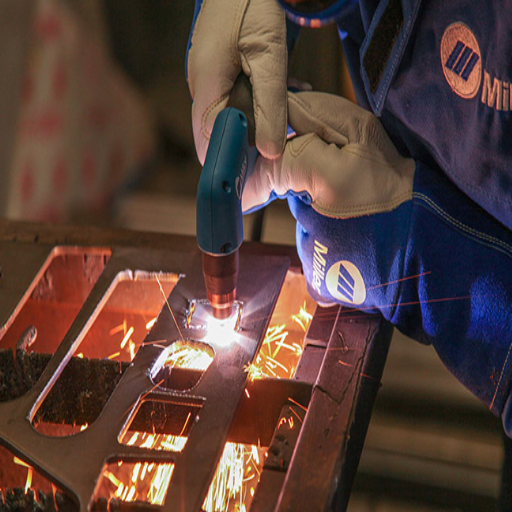
The metalworking and manufacturing industries have greatly benefited from plasma-cutting technology’s speed, efficiency, and versatility. A CNC plasma cutter epitomizes this advancement, integrating computer numerical control with plasma to cut through various materials with great precision and efficiency. This blog post aims to explain the plasma cutting process in broad strokes, much like a guide, […]

What is the plasma cutting process? Read More »
Is Teflon a Thermoplastic or a Thermosetting Plastic? Understanding Its High Thermal Stability and Chemical Inertness

Is Teflon a Thermoplastic or a Thermosetting Plastic? Understanding Its High Thermal Stability and Chemical Inertness

Teflon is technically a thermoplastic, yet it behaves unlike any other polymer in its class—it cannot be melt-processed by conventional methods due to its extreme melt viscosity. That contradiction is exactly what makes PTFE so valuable across aerospace, chemical processing, and medical industries. Below we break down Teflon’s molecular structure, explain why it resists both

Is Teflon a Thermoplastic or a Thermosetting Plastic? Understanding Its High Thermal Stability and Chemical Inertness Read More »

Mastering the Art of PTFE Machining: A Guide to CNC Machining Teflon Parts

PTFE Machining: CNC Guide to Teflon Parts, Grades, and Tolerances

Machining Teflon PTFE: The Complete Guide to CNC Processing, Challenges, and Applications Polytetrafluoroethylene (PTFE), widely known by the DuPont brand name Teflon, is one of the most demanding yet rewarding engineering plastics to machine. Its unmatched chemical inertness, near-zero friction coefficient, and broad temperature tolerance make it indispensable for seals, bearings, gaskets, and insulating components

PTFE Machining: CNC Guide to Teflon Parts, Grades, and Tolerances Read More »

Nylon Raw Material: Understanding the Material Used in Making This Synthetic Fiber

Nylon Raw Material: Understanding the Material Used in Making This Synthetic Fiber

Nylon is synthesized from petrochemical-derived monomers—primarily adipic acid and hexamethylenediamine—that undergo condensation polymerization to form the tough, flexible polyamide chains the material is known for. Understanding these raw-material building blocks matters because resin chemistry directly affects machinability, moisture absorption, and mechanical performance in finished parts. This article breaks down nylon’s key ingredients, synthesis routes, and

Nylon Raw Material: Understanding the Material Used in Making This Synthetic Fiber Read More »

Nylon Machined Parts: Exploring the Role of Nylon Plastic in Machine Parts

Nylon Machined Parts: Exploring the Role of Nylon Plastic in Machine Parts

Nylon is one of the most widely used plastics in machined components, found in everything from bushings and gears to structural brackets and electrical insulators. Its combination of high tensile strength, low friction, chemical resistance, and light weight makes it a practical alternative to metal in many mechanical applications. This article examines the specific properties

Nylon Machined Parts: Exploring the Role of Nylon Plastic in Machine Parts Read More »

The Ultimate Guide to Nylon CNC Machining: Everything You Need to Know

Nylon CNC Machining: Grades, Parameters, and Best Practices

Nylon CNC Machining: The Definitive Guide to Grades, Processes, and Best Practices Nylon is the workhorse of engineering thermoplastics. Tough, lightweight, self-lubricating, and available in dozens of formulations, it fills a gap between commodity plastics and high-performance polymers like PEEK. From gears and bushings in factory automation to structural brackets in aerospace, nylon machined parts

Nylon CNC Machining: Grades, Parameters, and Best Practices Read More »

Polypropylene vs ABS: Which Plastic is Better for Your Needs?

Polypropylene vs ABS: Which Plastic is Better for Your Needs?

Knowing the crucial differences between materials is important when deciding what plastic will work best for your project. Polypropylene (PP) and Acrylonitrile Butadiene Styrene (ABS) are some of the most popular thermoplastics used across different sectors because each of them has specific benefits. But what methodology can you use to choose the most appropriate one

Polypropylene vs ABS: Which Plastic is Better for Your Needs? Read More »

Understanding the Exceptional Properties of PEEK Material

Understanding the Exceptional Properties of PEEK Material

Among the most sophisticated and high-performance engineering thermoplastics available today is polyetheretherketone (PEEK). Its unique mechanical, thermal, and chemical characteristics make it preferred across numerous industries, including aerospace, automotive, healthcare, and electronics. This paper seeks to address everything from the remarkable strength-to-weight ratio and extreme temperature to the chemical durability that makes PEEK unique. Suppose

Understanding the Exceptional Properties of PEEK Material Read More »

What is Peek Material for Machining? Unveiling the World of Peek Plastic Machining

What is Peek Material for Machining? Unveiling the World of Peek Plastic Machining

Polyetheretherketone (PEEK) is a high-performance thermoplastic widely adopted in aerospace, medical, and automotive machining for its mechanical strength, chemical resistance, and thermal stability. Unlike many engineering plastics, PEEK holds tight tolerances at continuous service temperatures up to 260 °C, making it suitable for precision CNC work. For a broader look at processes and best practices,

What is Peek Material for Machining? Unveiling the World of Peek Plastic Machining Read More »

Scroll to Top