

Manufacturing processes are quite complex, and the choice of a production method is directly related
Learn More →
Recently developed CNC fiddle brakes are a technological advancement to contend with for the simple reason that they have precision, speed, and flexibility like no other mechanical system before. In what specific aspects, though, is this technology superior, and why does it find such an important place in most manufacturing processes nowadays? This paper dissects CNC fiddle brakes and the principles that govern them, the benefits that accrue with their usage, and, above all, the reasons why they are considered as one of the greatest production resources of the present day. If, for instance, your organization needs to be enhanced, especially in its business processes, or you simply wish to know the state of the art of the present day engineering, then this article will serve the purpose by making you admire more the CNC fiddle brakes and what they can do. Continue as we guide you through and reveal the working mysteries of those new inventions.
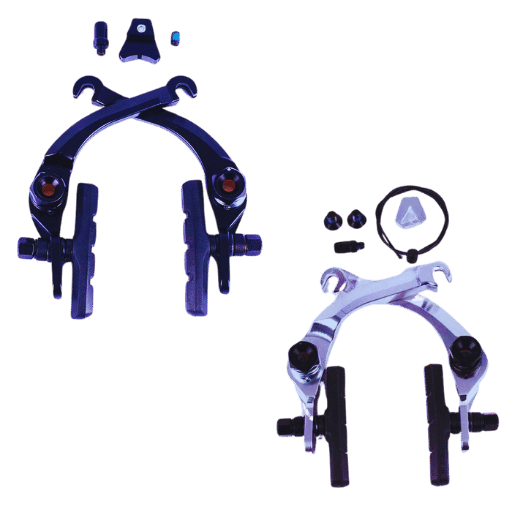
CNC fiddle brakes are sophisticated instruments for manufacturing that permit the efficient as well as accurate bending and manipulation of sheet metals. Governed by computer numeric control (CNC), this equipment allows for very precise fabrication with little or no variation among the same parts for most metal molding procedures. This can be because they can handle quite complicated designs with the same quality throughout, which is quite a desirable feature in sectors like the motor vehicle, aircraft, and building industries. CNC fiddle brakes improve efficiency and accuracy at workplaces by engaging minimum labor and also lowering the chances of mistakes in the operations performed, which is why they have become a very important factor in contemporary production.
Computerized Numerical Control systems help in the designing and functioning of machines, which play a role in fabricating or manufacturing objects. Say, for instance, a CNC machine controls fiddle brakes in that it makes certain operations, like the one that involves making bends, folds, or curves on sheets of metal, without human intervention. This has eliminated instances of errors, production processes are enhanced as well, and facilitates achieving higher overall output. Recently, using Google search trends, it has been observed that many more industries are using CNC because there is an increasing demand for parts with complex geometry and shorter lead times for production. With these systems well-coordinated with advanced software design, the usage of material is decreased, while very high repeatability and quality are achieved in the production process.
CNC fiddle brakes fundamentally eliminate the precision, efficiency, and repeatability problems associated with the manually operated brakes. Manually operated brakes are dependent on human skill, and hence the output keeps changing, while CNC brakes ensure the expected output as it is done by programmed. Most CNC brakes also enable the reduced time to set up, as well as enabling the fabricators to make rather complex designs with less or no manual activities in between. This allows application of such brakes even in modern industries where flexibility is highly required. For such industries that embrace speed and accuracy, CNC machines prove to be worthwhile machines due to their accuracy and effectiveness; hence, their demand in such sectors is high.

There’s been a wave of fresh insights about the brake pads that are more efficient, safer, and environmentally friendly. The standard brake pads use the latest friction materials, especially ceramics and carbon, away from the previous stuff like asbestos. And this enhances the ability of the brake pads to withstand heating, wear, and reduces noise on usage, enhancing safety. Further, low copper or zero copper contents have also been embraced to control environmental pollution while maintaining brake effectiveness.
On their part, calipers, which are used in brakes, have been upgraded, resulting in the production of light and strong calipers, often made of aluminum rims, that also help in the car’s weight shedding and fuel enhancement. Engineers have come up with features such as electronic parking brake (EPB), which offers various benefits by combining the calipers with the control electronics, thus offering unmatched braking power and stability of the system. All these combine to make the systems more durable, effective, and less environmentally hazardous.
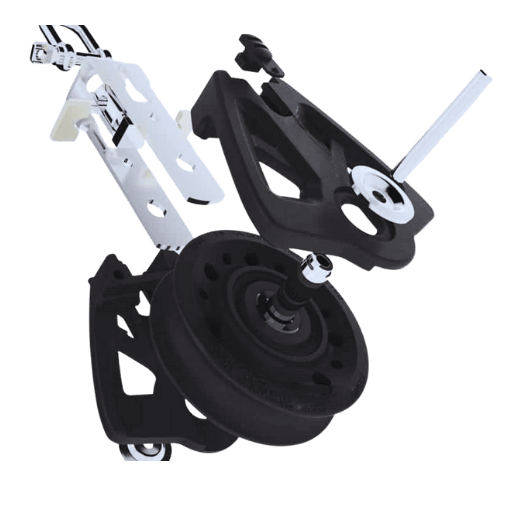
Automakers incorporate CNC fiddle brakes because it is accurate and enhance the fabrication process. They are one of the vital equipment used in bending metals into critical parts such as underframes, wings, and suspension vehicles, just to name a few. This shows that the demand for CNC technology in the automotive sector is on the rise, as there has been an increased production of vehicles that are based on electric motors (EVs) and on lightweight materials that include aluminum alloys. It is therefore CNC fiddle brakes that make it possible to manufacture difficult shapes and maintain tight tolerances, which are required by contemporary car makers.
CNC machining is an important backbone of the construction and heavy equipment industries in providing the needed durable and high-precision parts. Some parts include gears, hydraulic systems, and structural elements for which there is a need for high dimensional accuracy in order for the machines to be safe and functional. Furthermore, CNC technology is also oriented towards making custom parts of large equipment because the construction work often entails such purposes. It is extremely efficient and durable for many aspects of heavy machinery, as it produces high-standard results.
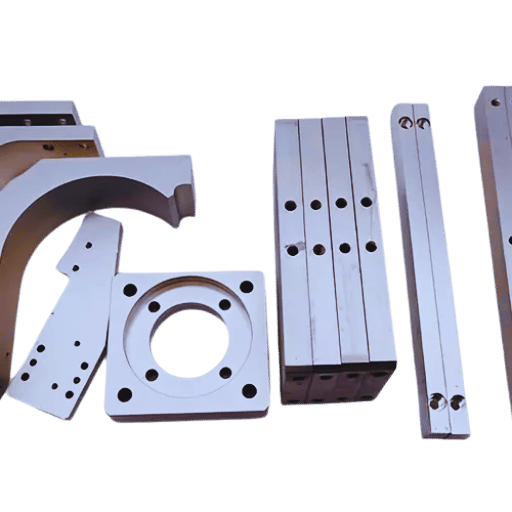
A recent pattern I have noticed in the development of CNC fiddle brakes is the merging of sophisticated automation options with artificial intelligence to enhance productivity and achieve better results. Contemporary CNC press brakes are fitted with full process monitoring modules compatible with bending tables, hence producing more accurate and minimal material consumption parts. Moreover, attention is also being paid to developing cost-effective change, making every effort to retain quality levels. These changes make it possible to achieve considerable achievements, boosting industry output as well as introducing new techniques in production.
Contemporary brake systems are utilizing modern materials like lightweight high-strength composites in order to increase service life and make the structure lighter. Regenerative brake systems have equally found a place in modern workings, especially within the electric and hybrid vehicle segment, where they are vital in improving the efficiency of the vehicles as well as saving energy during braking. In addition, new developments include an enhanced electronic braking system, or ebs, which ensures better control, reliability of performance, and safety. Overall, these advancements enhance the brake system’s performance and efficiency while calling for energy saving and reducing environmental concerns.
The coming years for CNC fiddle brakes will look at the emphasis on improving the existing quality of braking, the efficiency of consumption of resources as much as possible, and eventually the automation. Progress in the science of materials will be of utmost importance in the coming years with a view to making materials that are superior in terms of how light they are, which greatly affects performance and reduces energy requirements. It will also be possible to monitor the processes and execute maintenance procedures as needed, preventing any interruptions while applying enhancements instead. To demonstrate adherence, echoing these technologies, corresponding work has already begun on ensuring plans and actions are in line with environmentally accepted limits, hence the study of production devices which do not harm nature and the development of recyclable braking system components is underway. They guarantee the improvement of the system as a whole, in specific aspects or additional dimensions, or even in all, without sacrificing the level of the CNC Fiddle brakes technology.
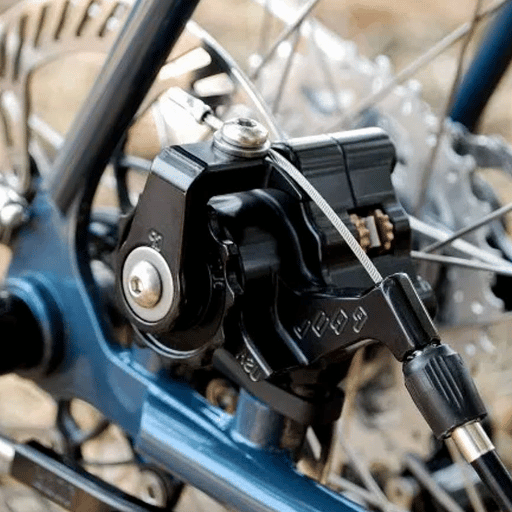
Use the cnc fiddle brakes designed for your application to the fullest extent of its capabilities in terms of performance, dependability, and protection.
To promote safe and quality standards in the manufacturing industries, it is a requirement that universal laws regarding the usage of CNC fiddle brakes be put. For instance, regarding control systems, the relevant IEC 13849-1 standard and B11.0 standard are very important. Furthermore, there are specific requirements as regards to the raw materials used and the performance levels to ensure the stability and safety of processes. Therefore, the manufacturers, as well as the purchasers, must willingly and periodically review the documentation of the standards-setting bodies and also the certification rights to ensure that the machinery meets the current regulations. Lack of compliance within the organization means neither efficiency in day-to-day activities nor adequate levels of applicable laws can be achieved.
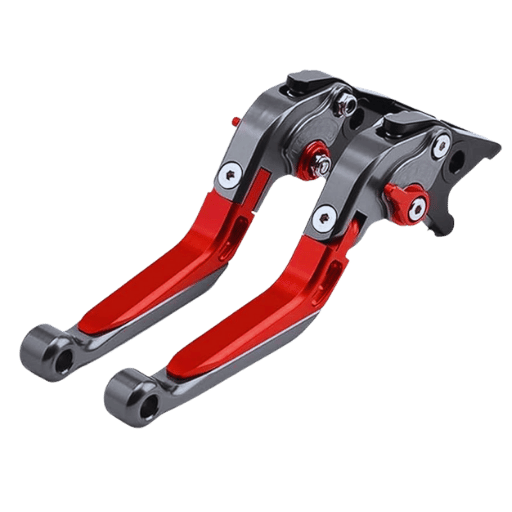
A: CNC brakes, also termed as a different type of brake that is considered to be particularly useful in many cases, as older generations were making a difference, are available in the market for use. The application of these devices enhances the brake level force control. This is necessary as they have to work on numerous materials and model precision. In most cases, the system uses hydraulic components so that the caliper of the brake causes an increase in pressure. All in all, this system helps to protect the caliper and the brakes to allow their proper functioning while working.
A: Caliper replacement for the brake on your Sym Fiddle 125 will depend on the type of aftermarket caliper performance option available for your use. In addition, the master cylinder and lever for the throttle may have to be replaced so that they are accepted. Consider consulting a motorcycle parts technician or supplier for the right performance components.
A: The maintenance of the hydraulic disc braking systems on the Sym Fiddle III consists of periodic checkups and servicing of the disc pads, reservoir, and any brake pipelines. Accordingly, it is important to periodically renew brake fluid and check and balance the front brake disc. The brake lever and the brake caliper should always be serviced as required in order for the brake system to function effectively.
A: Yes, replacement components that are part of the brake system for the Sym Fiddle II are also available. These include the brake pads, calipers, and master cylinders, all of which are available from a range of suppliers. It is critical to make sure that the parts you buy are suitable for your mode of transportation in order to safeguard efficient braking.
A: The CNC machine brake handle is designed to control the brakes manually. This feature helps in the operation by allowing the operator to engage or disengage the brakes in case it’s needed. The importance of this feature is the prevention of any unnecessary chatter and maintaining the position of the piece while in a cutting operation.
A: A single lever braking mechanism is usually simpler and easier to use in terms of operation. On the other hand, the hydraulic lining is much more effective as there is control and manipulation during fractions and brakes. They also provide more stopping power. This is mainly because there is accuracy in some jobs and not in others.
A: Yes, it is possible to enable controlled operation by adding certain controls within a CNC gadget, such that the nonproductive parameters are calculated and operate the brake system. This can explain the process and carry it out more effectively and precisely, and also enables the machinist to concentrate on other important work, for example, which involves the use of the brakes.
2. Brake
3. The Effect of Three Axis CNC Programming on Shaping and Carving Materials – This paper looks into the sine and hawk segments of the CNC machine, very likely, touching upon brake systems such as fiddle brakes.

Manufacturing processes are quite complex, and the choice of a production method is directly related
Learn More →
There are two major manufacturing methods for producing plastic prototypes that most people find useful
Learn More →
As a person involved or interested in the design and production of plastic components, it
Learn More →