In the vehicle’s safety and performance features, the brake system is one of the most vital elements of the car. Investing in a quality and dependable brake system is essential as it will always guarantee smooth stopping, accurate vehicle control, and calmness throughout the drive. Computer Numerical Control (CNC) is making great strides in engineering, including within the automotive industry. These parts are built with unmatched precision and durability. These CNC parts brake system on the vehicle to enable extraordinary levels of reliability and dependability. This article will explore CNC brake parts, analyze their features for making them the perfect replacement kit, and explore how these parts can improve vehicle handling. If you are a vehicle owner looking for a suitable advancement or a seasoned mechanic, you will find this article helpful. Stay tuned to discover why CNC brake parts are the components your vehicle has always needed.
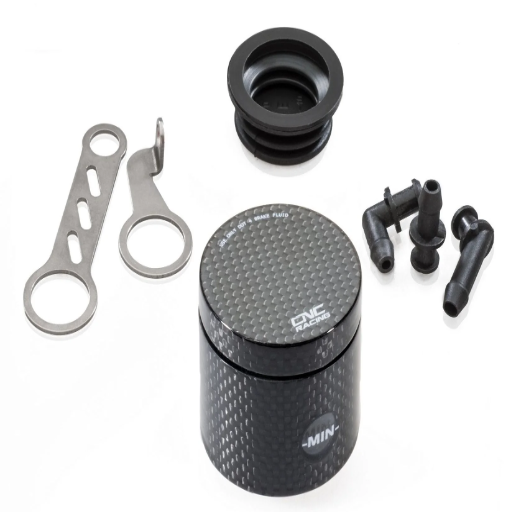
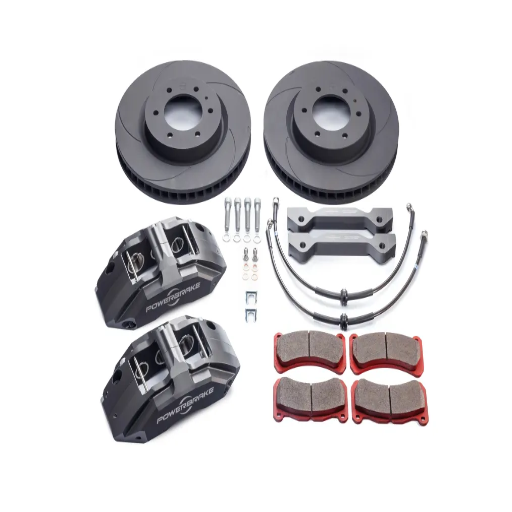
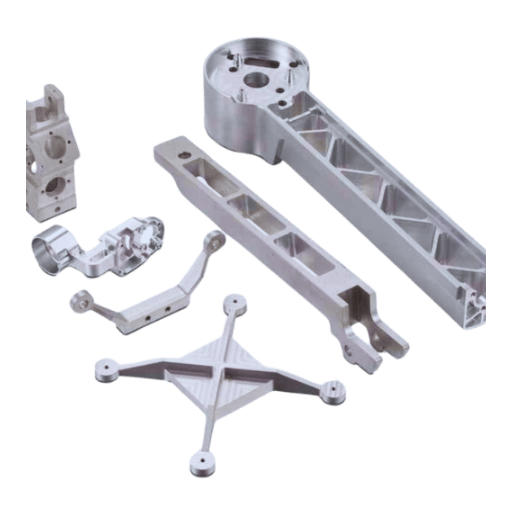
Brake parts made from CNC technology refers to the parts of a car’s braking system that have undergone Computer Numerical Control machining. This process achieves accuracy and uniformity by employing computer-controlled instruments that carve out materials within specified tolerances, ensuring the produced brake parts are stiff and long-lasting. Commonly used CNC brake components include calipers, rotors, and brackets. All components undergo strict scrutiny for compliance with quality standards. This meticulous machining enhances the parts’ overall performance, dependability, and lifespan, making them ideal for replacements or upgrades.
Key Features of CNC Brake Parts
High Precision: CNC machining achieves the utmost accuracy of tolerances, guaranteeing the fitting and consistent performance of brake parts across differing conditions.
Enhanced Durability: Using high-grade aluminum or steel in the CNC brake parts increases their resistance to extreme temperature changes, corrosion, abrasive materials, and general wear.
Customizability: The high performance and customizability of specific vehicle model,s advanced CNC technology enables special parts to be designed for unique requirements.
Improved performance: Properly designed brake components guarantee improved braking action, reduced vibration, and efficiency.
Consistency in Production: Automated processes guarantee the identical production of parts, maintaining dependability and quality of the components.
Benefits of Using CNC-Machined Brake Systems
Enhanced Precision: The accuracy achieved through CNC machining is at the micron level, assuring brake components’ complete reliability and functionality. Enhanced precision minimizes the possibility of errors, which is vital for safety during operation.
Improved Durability: CNC machined parts utilize premium materials, undergo stringent quality control, and are ensured great durability and reduced wear despite extreme stress conditions like high temperatures and heavy loads.
Reduced Manufacturing Time: Compared to other methods, CNC machining automates precision tasks, ensuring speed, accuracy, and repeatability. This leads to manufacturers receiving components much more promptly.
Greater Cost Efficiency: CNC machining requires a larger upfront investment due to the equipment. However, that is more than compensated through reduced costs associated with material and labor in the long run, particularly beneficial for large-scale production.
Customizability: With CNC machining, meeting the customer’s needs becomes easy, as designs can be altered and tailored to the vehicle’s specifications or unique customer requests.
How to Choose the Right CNC Brake Kit?
How to Choose the Right CNC Brake Kit?
To get the most from your CNC brake kits, remember these considerations when choosing the kit:
Material Quality: Select the kit made of the toughest materials, which can withstand very high temperatures.
Performance Requirements: Choose a kit designed for your driving needs, whether commuting, off-roading, or racing.
Compatibility: Ensure the brake kit matches your car’s make and model.
Manufacturer Reputation: Choose a trusted and reliable manufacturer known for receiving positive customer feedback to ensure the highest quality of their components.
Budget: Set a budget and search for the particular kit that offers the most quality at an affordable price.
When looking for performance, reliability, and something that meets your exact demands, CNC brake kits will meet those demands, but remember to consider these considerations when choosing the kit.
Factors to Consider for Compatibility
Ensure the CNC brake kit you choose fits your vehicle or machinery perfectly. Here are a few things to keep in mind when picking one:
Vehicle Specifications: Always cross-reference your vehicle’s make, model, and production year to ensure the CNC brake kit will be usable with it. Any mismatch can result in suboptimal installation or performance issues.
Mounting Hardware: Make sure that the required hardware can be mounted on your jig and that it works with the other hardware you have. This will allow you to save on extra purchases that you would have needed to make to get the “did not include” changes.
Brake System Requirements: Check that the CNC brake kit aligns with your current system requirements. Common specifications include rotor dimensions, caliper design, and pad type.
Modifications: See if the CNC brake kit needs any special alterations to be installed. Kits designed to simply be bolted on tend to be more cost-effective.
Operating Environment: Think about how and where the vehicle will be used. Is it daily driven? Eagerly taken Off-Road? Or perhaps used for extreme performance applications? These factors should dictate whether or not the CNC brake kit will hold up to the stresses imposed on it and the conditions.
Contestable robust analysis guarantees the intricate system will experience precise adaptability in control and unwavering responsiveness in performance, paired with reliability in enduring resilient manipulation alongside seamless cohesion, tailoring utmost efficiency.
Understanding Different Types of Brake Pads
Type
Pros
Cons
Material
Cost
Noise
Durability
Organic
Quiet, affordable
Wears quickly
Rubber, resin
Low
Low
Low
Ceramic
Quiet, durable
Expensive
Ceramic, fibers
High
Low
High
Metallic
High stopping power
Noisy, dusty
Metals, graphite
Medium
High
High
Semi-Metallic
Balanced, durable
Noisy, dusty
Mixed materials
Medium
Medium
Medium
Assessing Product Quality for Longevity
The lifespan of each brake component kit highly relies on how deeply the evaluation looks into the materials involved. Each product should ideally be put through harsh conditions like extreme heat and friction before use, and during use, they should ideally be made of robust materials like carbon fiber and stainless steel. Ceramics and other softer materials are bound to fail prematurely. Also, manufacturers who have implemented rigorous standards like ISO 9001 certification are bound to perform consistently over long periods. Trusted reviews and automated forums with verified customers offer insightful perspectives on product longevity. Premium products improve safety and reduce maintenance and upkeep expenses down the line.
What Are Common Issues with Brake Parts?
What Are Common Issues with Brake Parts?
The following are issues that are most commonly associated with brake parts:
Worn Brake Pads– With time, brake pads wear out because of the friction, and braking efficiency is degraded, resulting in squealing or grinding noises.
Warped Rotors—Uneven pressure or excessive heat can warp the rotors, resulting in vibrations while braking.
Sticky Calipers—Breaks in the lines can lead to a leak in the brake fluid, which can cause hydraulic pressure to be lost. This would make the brake pedal feel spongy and reduce stopping power.
Rust and Corrosion—Road salts or moisture can cause rust to form on rotors or other components, which will impact their effectiveness over time.
Regular maintenance and timely inspections allow brake systems to function safely and reliably.
Identifying Signs of Wear in Brake Components
Assessing the signs of abrasion on brake parts is critical to ensure the safety and functionality of the vehicle. Some of the noticeable signs that indicate problems with the brakes are:
Squealing or Grinding Noises: The high-pitched sound signifies that the brake pads are most likely frayed, whereas grinding suggests that the rotor is making contact with the caliper.
Vibration or Pulsation: If the rotor is warped, the brake pedal and the steering wheel will shake when the brake is engaged.
Longer Stopping Distances: If your car takes a little while longer than normal to come to a complete halt, there may be issues with the brake pads or fluid.
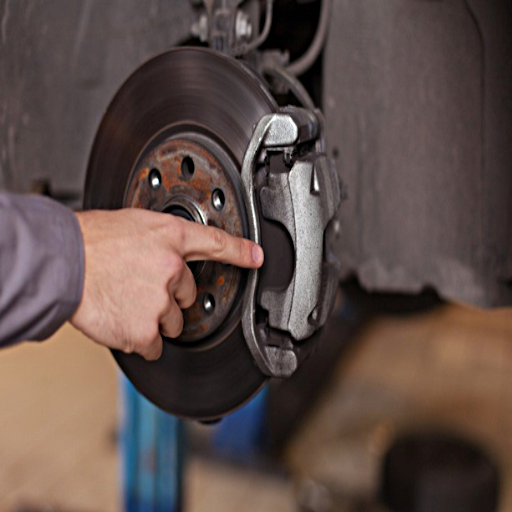
Visible Wear on Brake Pads: The brake pads can be seen through the wheel; if they are thinner than a quarter of an inch, they are due to be replaced.
Dashboard Warning Light: Modern vehicles have sensing technology that lights up warning lights in case the brakes are dysfunctional.
Vehicle owners can prevent dangerous outcomes by identifying these signs early and remedying brake issues before further vehicle damage occurs.
How to Troubleshoot Brake System Problems
Listen for Unusual Braking Sounds: To initiate your troubleshooting approach, pay close attention to any grinding, squealing, or screeching sounds when the brakes are applied. These noises are signs of either worn brake pads or potential damage to the rotor surfaces.
Verify The Brake Fluid Levels: Find the brake fluid reservoir under the hood and check if the fluid level is within the minimum and maximum range. Insufficient brake fluid typically suggests a leak, while the brake pads might be overstretched.
Examine the Brake Pads and Rotors: If you suspect an issue, check the brake pads between the wheel spokes. Ensure they have not become too thin, and also check for warping or uneven wear on the rotors.
Pay Attention to Vibrations or Pulsations: While on the road, focus on the brake pedal; if stepping on it causes unusual vibrations or pulsations, this is an indicator of trouble. Weaker rotors or alignment problems within the braking system could be the reason.
Evaluate Responsiveness of Brake Pedal: A Soft/spongy brake pedal depicts compromised functionality, often pointing towards trapped air within the brake line. If pressing the pedal deeper than usual is needed, observe immediately.
Look for Brake Fluid Leaks: Look for any leak signs under the car, particularly near the wheels or master cylinder. Brake fluid leaks can severely compromise brake performance.
Monitor the Dashboard Warning Light: Most modern cars have warning lights on the dashboard that indicate problems with the brake system. If this is activated, check the vehicle manual and contact a professional.
By following these practices, you can troubleshoot fundamental problems with the brake system and decide if it requires repair or replacement by a specialist. Regular maintenance inspections are essential to ensure the braking system is safe and lasts long.
Replacement Options for Different Brake Parts
Brake replacement parts may include PSI and ABS components, brake cables, bolts, brake pads, rotors, calipers, and even drums.
Part
Function
Material
Cost
Durability
Maintenance
Brake Pads
Friction
Mixed
Low-Med
Medium
Regular
Rotors
Stopping
Metal
Medium
High
Occasional
Calipers
Pressure
Metal
Medium
High
Rare
Drums
Friction
Metal
Medium
High
Occasional
ABS Parts
Safety
Mixed
High
High
Rare
Cables
Connection
Metal
Low
Medium
Regular
Hardware
Support
Mixed
Low
Medium
Regular
What Are the Advantages of Upgrading to CNC Brake Systems?
What Are the Advantages of Upgrading to CNC Brake Systems?
Instead of traditional brake systems, upgrading to CNC (Computer Numerical Control) systems yields the following benefits:
Enhanced Accuracy: Robust automation and high-efficiency CAD/CAM systems guarantee accuracy, and CNC brakes outperform other systems.
Increased lifespan: With precision-crafted systems, CNC implements high-quality materials and optimally engineered designs, increasing durability and dependability.
Flexibility: Performance is enhanced beyond standard optimizations because CNC systems are often configured to specific vehicle demands.
Improved Stopping Power: The systems granted with CNC have better response times and sharper braking, which improves vehicle safety and evasion handling.
Less servicing: CNC is known for precision engineering, meaning fewer servicing and upkeep is required compared to non-CNC systems.
CNC systems are engineered for advanced responsiveness, job dependability, and tight control, making them a powerful upgrade for any vehicle.
Enhanced Performance with CNC Precision
CNC precision technology has transformed many sectors due to its exceptional accuracy, consistency, and efficiency. What sets these systems apart in their performance capabilities? CNC brake systems use advanced computer-controlled machining processes to manufacture components with astounding precision, dramatically minimizing variation and guaranteeing absolute precision. The smoother movement increases component lifespan and wear, while reducing overall system and component wear, enhancing reliability. Combining advanced engineering with innovative design principles, CNC brake systems improve the driver’s experience, especially in high-performance or specialized vehicles. CNC brake systems are undeniably the best option for consumers who care about the safety, durability, and optimal vehicle control.
Improved Durability and Reliability
CNC brakes are built with high-quality materials and accurate engineering, improving durability and reliability. These systems endure extreme conditions, such as high-temperature environments that may come from severe braking. Their durable construction is also low in wear and tear compared to conventional systems, thus having a longer lifespan. This makes CNC an ideal option for day-to-day and high-performance driving. Through the use of advanced technology, CNC brake systems improve safety in addition to lowering maintenance costs, which ultimately provides drivers with certainty.
Reference Sources
“Experimental Determination Of The Optimum Cutting Tool For CNC Milling Of 3D Printed PLA Parts”(Kartal & Kaptan, 2023). This paper, published in 2023, focuses on optimizing CNC milling parameters for 3D-printed PLA parts. While not directly related to brake parts, the tool selection and parameter optimization findings are highly relevant to the CNC machining of plastic components that might be used in brake systems. The methodology involved experimental testing with different cutting tools and parameters to determine the optimal settings for achieving desired dimensions and surface quality.
“Fourier Features and Machine Learning for Contour Profile Inspection in CNC Milling Parts: A Novel Intelligent Inspection Method (NIIM)”(Méndez et al., 2024). Published in 2024, this research introduces a novel method for inspecting contour profiles in CNC-milled parts using Fourier features and machine learning. This is relevant to brake part manufacturing as precise contouring is crucial for proper functionality. The methodology involved creating a calibration piece, using a vision system to capture images, extracting Fourier features, and employing a neural network for classification. The high accuracy (96.99%) achieved demonstrates the potential for improving quality control in CNC machining of brake components.
“Microstructure and mechanical properties of CNC-SLM hybrid manufacturing 316L parts”(Li et al., 2022.) Published in 2022, this study investigates the microstructure and mechanical properties of 316L stainless steel parts produced using a CNC-SLM (Selective Laser Melting) hybrid manufacturing process. While not specifically about brake parts, the findings on material properties and manufacturing techniques are relevant to producing high-performance brake components requiring specific material characteristics. The methodology involved characterizing the microstructure and mechanical properties of the hybrid-manufactured parts.
Frequently Asked Questions (FAQs)
Q: What types of CNC brake parts can I find in your shop?
A: Our shop offers a wide range of CNC brake parts, including assembly components for disc brakes, clutch slave cylinders, and various press brake parts suitable for metal fabrication.
Q: What materials are used to manufacture press brake components?
A: The press brake components in our shop are typically made from high-quality metal, including aluminum alloy for lightweight applications and durable steel for high-load scenarios.
Q: How do I know if the clutch slave cylinder is compatible with my vehicle?
A: Compatibility can be determined by checking the clutch slave cylinder’s specifications against your vehicle’s make and model. Our customer service team is available to assist you in finding the right part.
Q: Can I purchase a complete assembly for my CNC press?
A: Yes, our shop offers complete assemblies for CNC presses, including all necessary components for installation, ensuring you have everything you need for a successful setup.
Q: What is the significance of stroke length in press brake applications?
A: The stroke length is crucial in determining the depth of the bend in sheet metal during fabrication. It affects the clearance and functionality of the press brake, making it essential to choose the correct stroke for your project.
Q: Do you offer any anodized finishes for your CNC brake parts?
A: Yes, we provide options for blue anodized finishes on select CNC brake parts, which enhance corrosion resistance and provide a visually appealing look for your projects.
Q: Are there any universal components available for my brake system?
A: Our shop carries a selection of universal components, including clutch slave cylinders and brake assemblies, designed to fit various applications.
Q: What should I consider when selecting a slave cylinder for my brake system?
A: When selecting a slave cylinder, consider the bore size, type (push or pull), and compatibility with your existing brake system to ensure optimal performance and reliability.
Q: How can I contact customer support for assistance with my order?
A: Our customer support team can be reached via phone or email, both of which are available on our website. We are here to help with any questions regarding your order or product inquiries.
Q: What brands do you carry for CNC brake parts?
A: We offer a variety of reputable brands for CNC brake parts, including Wilwood and Jamar, ensuring high-quality options for your fabrication needs.
Kunshan Hopeful Metal Products Co., Ltd., situated near Shanghai, is an expert in precision metal parts with premium appliances from the USA and Taiwan. we provide services from development to shipment, quick deliveries (some samples can be ready within seven days), and complete product inspections. Possessing a team of professionals and the ability to deal with low-volume orders helps us guarantee dependable and high-quality resolution for our clients.