Fraud Blocker

CNC Blogs

CNC machining in a nutshell! These blogs are complete guides that delve deeper into CNC machining processes, techniques, and applications. Irrespective of whether you are starting out or an experienced professional, these blogs will give you the answers to all your questions.

Mastering Speed and Feed in Milling Stainless Steel

Mastering Speed and Feed in Milling Stainless Steel

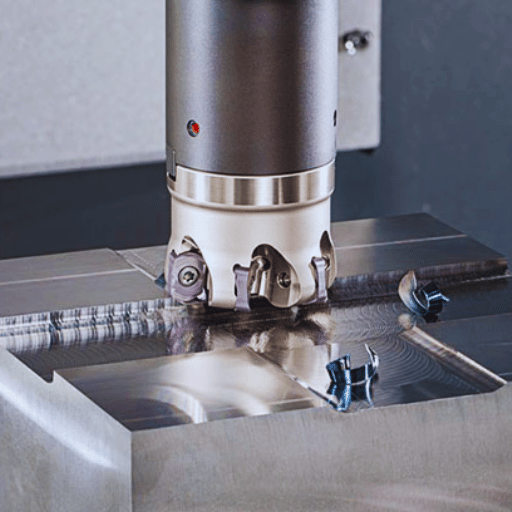
Correct speed and feed settings are critical when milling stainless steel – set them wrong and you risk poor surface finishes, premature tool wear, or outright tool failure. This guide covers the proven speed and feed parameters for milling stainless steel grades like 304 and 316, helping machinists and engineers increase efficiency while reducing costs. […]

Mastering Speed and Feed in Milling Stainless Steel Read More »
The Ultimate Guide to Stainless Steel Machining: How Machinable is 304 Stainless Steel?

The Ultimate Guide to Stainless Steel Machining: How Machinable is 304 Stainless Steel?

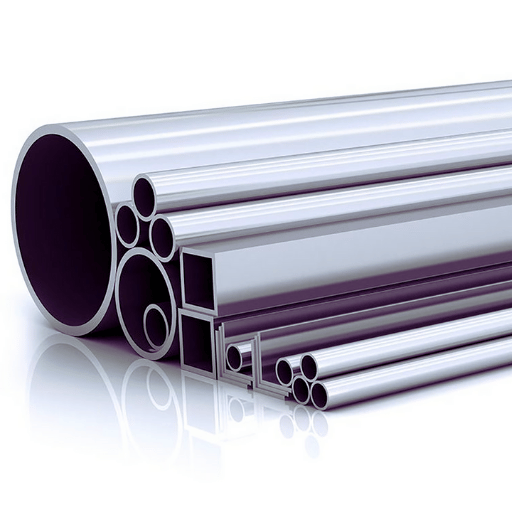
304 stainless steel is one of the most widely used grades in manufacturing, yet its work-hardening tendency makes it one of the trickier austenitic alloys to machine. This guide breaks down the machinability of 304 stainless steel – its properties, common challenges, and the practices that keep cycle times short and tool life long. For

The Ultimate Guide to Stainless Steel Machining: How Machinable is 304 Stainless Steel? Read More »

Achieving Optimum Results with Acrylic Machining Feeds and Speeds

Achieving Optimum Results with Acrylic Machining Feeds and Speeds

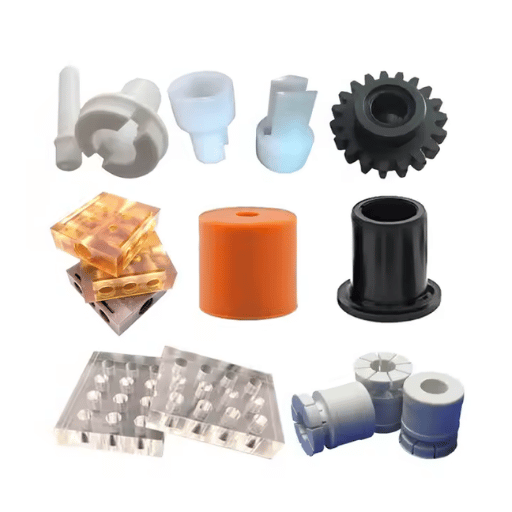
Feeds and speeds directly determine whether a CNC-cut acrylic part comes out crystal-clear or melted and chipped. Setting the wrong spindle RPM or feed rate is the fastest way to ruin an expensive acrylic workpiece. This article breaks down the exact feed rates, spindle speeds, and tooling strategies that prevent heat damage and deliver clean,

Achieving Optimum Results with Acrylic Machining Feeds and Speeds Read More »

Polycarbonate vs Acrylic: Everything You Need To Know About Machining Plastic Materials

Polycarbonate vs Acrylic: Everything You Need To Know About Machining Plastic Materials

Polycarbonate and acrylic look similar on the shelf, but they behave very differently on a CNC machine. Acrylic cuts cleaner and polishes to optical clarity, while polycarbonate resists impact far better yet tends to gum up tooling. This comparison breaks down the key differences in machinability, mechanical properties, thermal behavior, and cost so you can

Polycarbonate vs Acrylic: Everything You Need To Know About Machining Plastic Materials Read More »

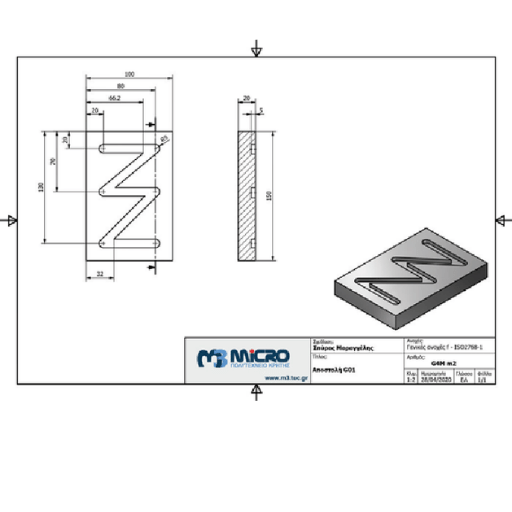
Mechanical drawing.

Understanding G-Code and M-Code: The Language of CNC Programming

Computer numerical control (CNC) machines merge accuracy and productivity simultaneously, so it’s no surprise that they have revolutionized modern manufacturing. However, the function of CNC lies in the specialized language in coding, including both G-Code and M-Code. These programming languages are guidelines for moving, cutting, and shaping different materials with a CNC machine. It doesn’t

Understanding G-Code and M-Code: The Language of CNC Programming Read More »

7.6 2

Is Nylon Filament Stronger than ABS? Unveiling the Truth about 3D Printing Materials

The introduction of 3D printing now allows us to tackle manufacturing, prototyping, and any creative work in an entirely new manner. This is possible because the materials used significantly impact the final product’s performance and durability. For instance, nylon and ABS are two of the most commonly used filaments serving a unique purpose. However, one

Is Nylon Filament Stronger than ABS? Unveiling the Truth about 3D Printing Materials Read More »

4.8 1

CNC Machining Aluminum: Essential Guide to Minimum Wall Thickness

Expecting quality results from CNC machining aluminum parts requires understanding the different aspects of wall thickness limitations. Minimizing the wall thickness for a given structure will always lead to new challenges. CNC aluminum wall thinning is a process that, in this context, refers to processes where minimum wall thickness criteria are emphasized so as to

CNC Machining Aluminum: Essential Guide to Minimum Wall Thickness Read More »

4.8 2

Mastering Aluminum Separation: Innovative Methods for Efficient Recycling

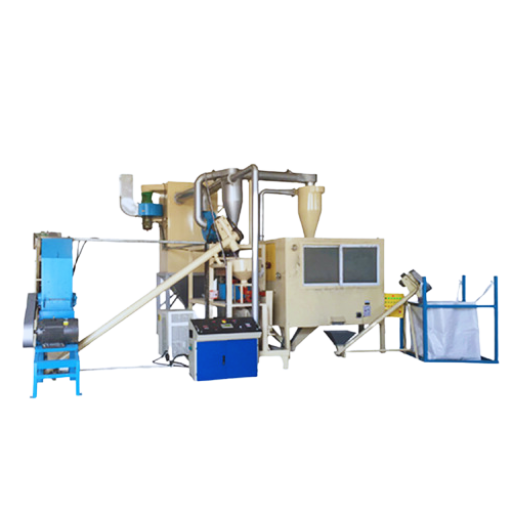
The recycling of aluminum is an essential aspect of modern waste management due to the economic and environmental benefits associated with it. However, the recovery of aluminum from complex waste streams continues to challenge the recycling industry. This paper delves into new approaches and technologies working on this problem and describes modern methods that increase

Mastering Aluminum Separation: Innovative Methods for Efficient Recycling Read More »

2.7 1

Mastering Material Selection for CNC Turning: Choose the Right Materials for Your CNC Machining Project

Every CNC turning project requires the correct material selection, arguably one of the most crucial decisions. The properties of the final product, including cost, performance, durability, and precision, all hinge on this decision. Understandably, there are numerous alternatives from which to pick, starting with metals such as aluminum and stainless steel and extending to engineering

Mastering Material Selection for CNC Turning: Choose the Right Materials for Your CNC Machining Project Read More »

1.8

The Ultimate Guide to CNC Milling Alternatives: Discover Cost-Effective Solutions for Your Manufacturing Needs

CNC milling is one of the most valuable and accurate production methods available today; however, it is not always practical and cost-effective for every project needing this type of work. If you are challenged with small production volumes, budget constraints, or specific material requirements, researching the available options can help meet your project’s fulfillment expectations.

The Ultimate Guide to CNC Milling Alternatives: Discover Cost-Effective Solutions for Your Manufacturing Needs Read More »

Scroll to Top