

Manufacturing processes are quite complex, and the choice of a production method is directly related
Learn More →
Anodized brushed aluminum is a highly durable and flexible material with applications in the automotive, aerospace, architecture, interior design, and consumer electronics industries. The guide is designed to help you accomplish extraordinary finishes and the best brushing and polishing practices for brushed anodized aluminum. It will delve into anodization’s chemistry, required polishing tools and materials, typical uses, and practical advice for improving the appearance and use of aluminum products. This guide caters to everybody, from industry professionals to DIY fanatics, who want to learn the esthetically and technically refining brushed anodized aluminum techniques.
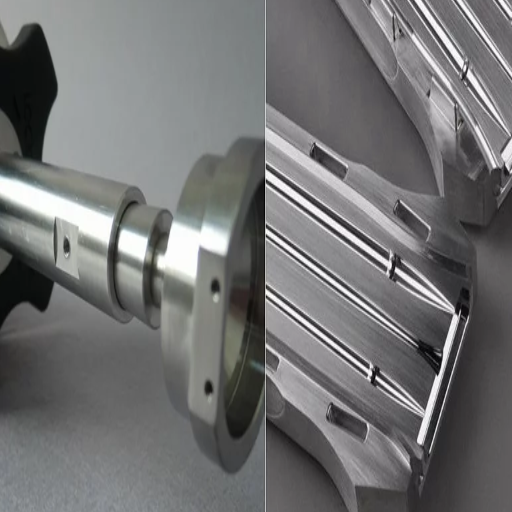
Brushed anodizing is a finishing process that integrates mechanical brushing and anodization to achieve a high-quality and durable surface finish for aluminum. This technique accomplishes surface refinement for aesthetic reasons, as well as masking scratches or other deviations on the coarse surface of the metal. The anodizing step follows, putting the harnessed oxide as a protective coat. This improves the material’s resistance to external corrosion and abrasion and diminishes color fading. This process, in combination, increases the surface integrity of anodized aluminum and permits further customization, like adding a color dye, if there are aesthetic or functional specifications.
To grasp the brushed anodizing procedure more deeply, here are concise answers regarding its steps and technical details:
Which materials can be processed using anodized brushing?
Brushed anodizing is mainly used on aluminum and its alloys. This substrate needs a good surface quality, so both anodizing and brushing steps can achieve homogenous results.
Which brushing procedure is included in the anodized aluminum method?
Abrasive belts or wheel brushes with grits between 120 and 180 are superb candidates when smooth, parallel lines are required on the surface. The brush’s application should be controlled; otherwise, surface tearing may occur.
What are the characteristics of the anodizing stage?
Electrolyte used: Sulfuric acid (most common) at 15-20% concentration.
Voltage: 12-18 volts for Type II anodizing.
Temperature: Anodizing temperature is 20-22°C (68-72°F).
Time: 20-30 minutes, depending on how thick the oxide layer is desired.
Layer Thickness: Usually from 10 to 25 microns for general applications.
How is color customization accomplished?
After anodizing, the porous oxide layer can be dyed using organic or inorganic dyes. The material is sealed in hot water or steam to lock the color, which makes the color durable and resistant to fading.
What advantages does this process have over other finishes?
The anodized surface is visually appealing, brushed, and durable, providing excellent corrosion and wear resistance. Moreover, it has flexible design features, such as customizable colors and textures.
Following these parameters guarantees a high-quality finish through brushed anodizing for various industrial and aesthetic applications.
Doubtless benefits are associated with brushed anodized aluminum surfaces, making them necessary for many industries. These include:
Enhanced Durability
Aluminum is highly prone to corrosion, scratches, and wear due to its use in some of the harsher environments. Still, with the anodizing process, the oxide layer protecting the surface further improves the material’s appeal. The product must look appealing as time goes on and is long-lasting. A protective anodized layer ensures that it meets these requirements. Where typical anodized layers vary with thickness depending on use (5-25 microns), thicker layers are better as they are more durable.
Aesthetic Flexibility
Designers nowadays have the flexibility of custom finishes, with brushed aluminum appearing sharp and uniform. The nonmetallic luster of aluminum aids in the plethora of color, pattern, and texture options available to designers. As a result, these surfaces are perfect for automotive, architectural, or consumer products.
Corrosion Resistance
One of the biggest challenges is preventing oxidation, but anodizing effectively seals aluminum pores. This material is also suitable for harsh conditions and outdoor applications, as it protects against UV rays, chemicals, and humidity.
Sustainable and Eco-Friendly Features
Brushed anodized aluminum production and use are eco-friendly and sustainable, as they do not involve hazardous chemicals or waste. Commercial aluminum is also indefinitely recyclable.
Electrical Insulation
The anodized layer also acts as an electrical insulator, which can benefit some industrial applications with specific limitations on conductivity.
As demonstrated, the advantages of durability and attractiveness of brushed anodized aluminum base its popularity in various fields.
Compared to other surface finishes, aluminum stands above the rest due to its aesthetic and durable features. Brushed aluminum’s unique textured look makes it fingerprint-proof and remarkably scratch-resistant, ideal for commercial and industrial uses. In contrast to polished aluminum, which is glossy and highly reflective, brushed aluminum has a matte finish, which is easier to clean and does not glare. Brushed aluminum is superior to powder-coated finishes in providing a natural metallic surface, although powder coating may offer more colors and better protection against chemical erosion.
Technical Parameters:
Scratch Resistance
Brushed Aluminum Hardness (HV): ~150-170 HV.
Polished Aluminum Hardness (HV): ~100-120 HV.
Surface Roughness (Ra)
Brushed Aluminum (Machined Finish): ~0.4-1.2 µm.
Polished Aluminum (High Gloss): ~0.05-0.3 µm.
Corrosion Resistance
Anodized Brushed Aluminum (Salt Spray Test): ~1000 hours.
Powder-Coated Aluminum (Salt Spray Test): ~2000 hours.
This account demonstrates that brushed aluminum’s features tend toward functionality and simplicity, making this material a reliable option for various applications.

The anodizing process enhances aluminum’s durability, beauty, and corrosion resistance through several steps. The thick electrochemical oxide layer is deposited on the anodized aluminum surface as a protective shield that withstands abrasion and atmospheric damage. By allowing the use of different dyes, this porous layer can provide numerous colored decoration options. Moreover, scratch-resistant surface hardening makes anodized aluminum ideal for functional and aesthetic purposes in many industries.
Aluminum oxide, a tough ceramic, further strengthens the mechanical features of anodized aluminum. It raises surface hardness by 200HV to 300HV (Vickers Hardness) because of its dense and uniform layer, providing more excellent wear resistance and abrasion to aluminum. This makes it ideal for harsh working conditions. Also, the aluminum oxide layer has excellent thermal stability with a melting point of around 2072°F (1133°C), which guarantees aluminum durability at high temperatures. Furthermore, its corrosion resistance is vital as it protects the aluminum substrate from harsh environmental conditions like moisture and oxidizing agents. Combining these makes aluminum oxide necessary to reinforce structural integrity and increase the lifespan of components in aerospace, automotive, and consumer electronics.
Pre-cleaning and surface preparation
The first step is to clean the aluminum surfaces to remove contaminating substances like dirt, grease, and oils. This is usually done using alkaline or acid-containing cleaning solutions. The next step involves rinsing the aluminum component to remove any residues. Surface preparation may also involve chemical or mechanical etching, increasing the anodized layer’s bond strength and uniformity.
Desmutting
Upon cleaning, a desmutting process removes any remaining and unremoved oxide films, trace metals, and other impurities. This step often includes putting the part in either nitric or sulfuric acid to guarantee a clean surface for the following process while making it reactive.
Anodizing
In anodizing, the clean aluminum part is placed in an electrolytic bath containing sulfuric acid and oxygen while an electrical current passes through. In this instance, aluminum serves as the anode or the positive electrode. When the electrical power passes through the bath, a thin layer of aluminum oxide is formed on the surface. It is essential to control the following parameters in this step: Voltage: 15-20 V is ideal for sulfuric acid anodizing; temperature: 20-22°C (68-72°F) is required to help with the growth of the oxide; duration: ranges from 20-45 minutes depending on how thick you want the layer to be.
Anodization makes the surface layer more resistant to oxidation and degradation due to corrosion and bilateral impacts, increasing the surface’s durability and uniformity.
Coloring (Optional)
Aluminum with anodized surfaces can have an optional dip or more elegant metal salt coloring. Dyes and salts can be introduced into anodized oxide pores during or after the anodizing process, enabling the surface to retain its functional properties while accommodating numerous colors and styles.
Sealing
Corroded anodized aluminum’s microscopic pores of the anodized surface layer can be protected from further corrosion or color loss by sealing anodized parts using either hot water sealing (boiling the parts in DI water for 15-30 mins while maintaining 200-212 °F) or nickel acetate solutions) or without them for better corrosion resistance.
Post-Treatment and Quality Testing
Ultimately, the aluminum parts are polished or coated to improve the finish. Testing and quality assurance of the anodized layer’s fit for purpose includes meeting aesthetic, mechanical, thickness, and Brinell hardness standards.
Anodizing aluminum enhances resistance to corrosion due to the application of a tough protective oxide surface layer on the metal. This surface protects against environmental agents like moisture, salt, and contaminants that can lead to corrosion over time. The anodized layer’s thickness is a crucial engineering parameter of the anodized coating, which ranges between 10 and 25 microns (µm) for ordinary uses and may reach 50 microns in aggressive environments. In addition, sealing the anodized layer improves the layer’s anodized resistance, commonly done with hot water sealing or chemical seals such as nickel acetate. This strengthens the metal and guarantees its usability for severe conditions, including marine and industrial settings, for the long haul.
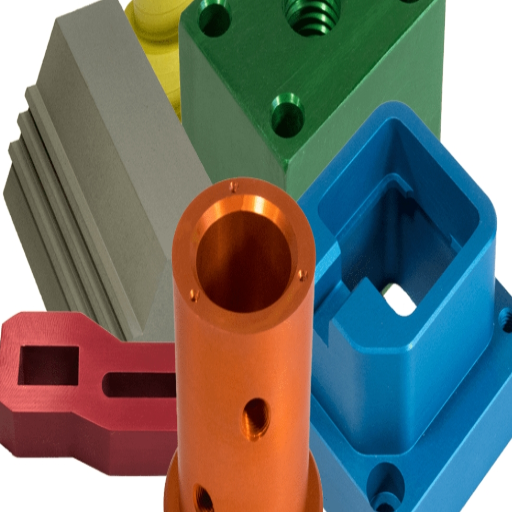
Reduced Corrosion Damage—Anodizing provides a protective surface that protects metals from rust and corrosion in the environment. It is very suitable for corrosive or harsh places.
Improved Strength – The process further enhances the surface of the metal, leading to more excellent resistance to wear and extending the useful life of parts.
Design Versatility – Anodized finish can be provided in different colors or purely aesthetic textures while still practically protective.
Sustainable Approach – Anodizing is a green finishing technique that creates less waste and does not use VOCs (Volatile Organic Compounds).
Heat and Electricity—The procedure improves the insulation and retains the metal’s non-conductive features, which is suitable for some industrial processes.
For these advantages, anodizing services are done for the aerospace, automotive, construction, and electronics industries.
The Anodizing process in industries enables them to utilize the full range of options and features, which in turn helps them achieve the desired outcome. Some of the primary options and parameters are:
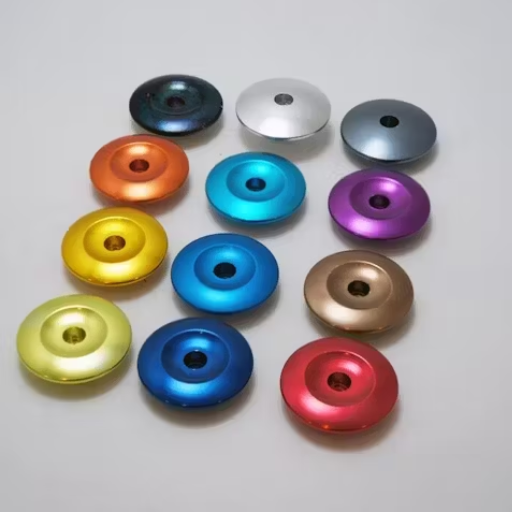
Selection of Colors—After anodizing, various colors can be obtained by dyeing. This process increases aesthetic value while maintaining strength. The standard colors are Black, Bronze, Gold, Clear (Natural Aluminum), and other branded colors.
Coating Thickness – The thickness of an anodized layer is adaptable based on the required function and need:
Class I – (25 – 50 microns) for maximum outdoor application durability. Suitable for aerospace structures.
Class II – (10 – 18 microns) for moderate protection in controlled environments electronic components.
Surface Treatment – The final surface finish can have additional texture or be softened by pre-treatment options like etching, polishing, or brushing into matte, glossy, satin, or other forms to match the aesthetic or practical need.
Sealing Method – Different sealing processes can improve resistance to corrosion and dye retention, which include:
General use hot water sealing.
Enhanced color fastness requires Nickel Acetate sealing.
Electrolyte Type – Engineering and other high-stress environments are ideal for modified anodizing types, such as hard anodizing. This is due to extreme wear resistance resulting from having a thicker layer suitable for use.
These adjustable parameters ensure a wide range of high-quality applications for anodizing and precision services are delivered.
My research shows that anodizing services usually emphasize durability while maintaining an affordable cost, making them economically efficient for surface finishing. The cost varies depending on the specific features, such as the part’s size, the thickness of the anodized layer, and whether extra treatments like sealing or dyeing are needed. Generally, the fundamental anodizing processes cost between $0.10 and $0.50 per square inch, with more expensive specialized finishes.
Accomplishing anodizing depends on the accuracy of certain technical factors that need to be optimized. These factors are:
Voltage and Current Density: Depending on the ease with which the alloy is worked and the desired pound thickness, these values range between 12-18 volts and 1.0-1.5 amps per square decimeter.
Bath Composition: For Type II anodizing, 15-20% of sulfuric acid is standard, while more challenging applications frequently reach 20-25%.
Process Time: A standard figure would be around 15-45 minutes. This is altered based on the wished coating thickness, for example, with set decorative usage it hovers around 10-25 microns and with hard anodizing can be up to 50 microns.
The finishes acquired through professional anodizing offer a wide range of benefits with little maintenance, making it a worthy investment for aerospace, construction, and architecture companies.
Even with its versatility, anodizing isn’t appropriate for all aluminum components. Certain alloys with high copper or silicon content anodize poorly, and some parts with complex geometries suffer from inadequate coating. Considering the alloy composition and geometry is essential to ascertain the ability to execute anodizing.
To ascertain the feasibility of components for anodizing, examine the following:
Alloy Composition
Ideal Alloys 5XXX and 6XXX series aluminum alloys respond best to anodizing since the finish is consistent.
Problematic Alloys: High copper 2XXX series silicon 4XXX series alloys anodize poorly and have dull, uneven finishes.
Surface Preparation
The parts to be anodized must be free of oils, dirt, and any other contaminants. Ensure that adequate pre-treatments, such as etching or cleaning, are performed.
Part Geometry
Simple Shapes: Smooth parts without intricate details are easy to coat evenly.
Complex Designs: Deep, complex geometries are highly prone to uneven anodizing or pinholes. To mitigate this risk, such designs require masking or design alteration.
Measurements and Straightness
Thicker features are more likely to experience dimensional change throughout anodizing. Check that the post-anodizing tolerances are satisfactory.
Anodizing Instructions
Oxide Layer Thickness: Establish how thick the oxide layer will need to be; decorative anodizing can be 5-25 μm, while hard anodizing is 25-50 μm.
For standard sulfuric acid anodizing, voltage and current density are usually 12-18V and 1-2 A/dm².
Studying these technical parameters and functional needs can determine whether anodizing is the proper finishing process for specific aluminum components.
Because of its toughness, resistance to corrosion, and appearance, anodized aluminum is widespread across multiple industries. It is used in the aerospace industry for structural parts, components, and panels since it is lightweight and strong enough to resist the environment. The automotive industry also uses anodized aluminum for trim, fittings, and housings since it is easy to maintain and looks good. Anodized aluminum is used in consumer electronic devices for enclosures and casings because it is visually appealing and does not scratch easily. For architectural purposes, anodized aluminum is used in curtain walls, cladding, and window frames due to its durability and resistance to harsh weather conditions.
Related Technical Details
The construction of aerospace and automotive parts usually requires hard anodizing with a thickness of 25-50 μm for added protection.
Typical usage for decorative or architectural work is between 5-25 μm, where some appeal is needed alongside durability.
Voltage and Current Density:
Standard sulfuric acid anodizing at 12-18V and 1-2 A/dm² can achieve most general and decorative purposes. However, demanding anodizing applications will probably require higher current densities for denser coatings.
Measuring critical parameters for each application guarantees parts’ correct performance and functionality across different industries.

Anodized Product Challenges and Solutions
Anodized Coating Deficiency
Challenge: Issues might arise due to uneven current density and flow and inadequate surface cleaning before anodizing.
Solution: Institute effective scrubbing routines and closely monitor voltage and current use while specific cleaning processes are carried out to guarantee that electrode surfaces are well done.
Surface Anodized Defects
Challenge: These are usually caused by organic or particulate contaminants in low-quality metal or electrolyte solutions.
Solution: Use high-purity aluminum and maintain the electrolyte solution through regular filtration to remove unwanted particulates.
Dyeing Ineffectiveness
Challenge: In some cases, anodized surfaces are reported to lack uniform coloring during the dealing stage, particularly on decorative surfaces.
Solution: Constantly control process parameters in thermal treating and pH within the dyeing and sealing stages so that different regions have similar colors.
Sustaining rot under anodization
Challenge: Excessive moisture does cause corrosion, usually under the oxide layer, but this is worsened by inadequate sealing of the anodized coating.
Solution: Provide more vigorous sealing methods than water sealing and use hot water or nickel acetate sealing to improve protective degassing in the fountain.
Emissions and Energy Increase
Challenge: Like any manufacturing process, anodizing produces waste materials, particularly defective acidic solutions, and uses considerable energy.
Solution: When possible, install timeless anodizing systems to save power, encourage waste acid solution recycling, and adopt less harmful electrolytes.
These solutions attempted to fulfill all requirements but do not compare to the quality standards of anodized product durability, aesthetic effect, and functionality, which numerous industry branches require. These suggestions improved the efficiency of these processes and the resulting products’ aesthetic appeal.
Controlling Thickness and Color Uniformity
Technical Parameters:
Temperature: For best results, control the electrolyte temperature between 20 °C and 22°C (68°F and 72°F).
Voltage: Depending on the material and required coating thickness, a steady DC voltage of 15-20 volts can be used.
Dye Concentration: Conform to the manufacturer’s recommendations for standard dyes, typically 1-2% by weight for the dye concentration.
Sealing Time: To ensure the color does not wash off, the seal post-dye should be placed in hot water (195°F-205°F / 90°C-96°C) for 10-15 minutes.
2. Coating Corrosion Protection
Technical Parameters:
To increase corrosion resistance, use nickel acetate sealing or deionized water at 212°F (100°C) for 20-30 minutes.
A pH of 5.5-6.5 should be maintained for sealing for optimal oxide layer performance.
Check the effectiveness of sealing by performing the dye-spot test according to ISO 2143 standards.
3. Reduction of Environmental and Energy Impact
Technical Parameters:
Current distribution alongside bath agitation should be uniform to reduce energy use without sacrificing efficiency.
Minimize waste production by adjusting the weight concentration of sulfuric acid in the electrolyte to 8-12%.
Heat recovery systems can recover energy from the cooling and heating process units.
Comply with environmental regulations by investing in systems for wastewater treatment that neutralize and recover acidic and metallic wastes.
When closely monitored and managed, these parameters can help avert issues, sustain efficiency, and guarantee the generation of quality anodized components.
Aluminum anodizing innovation entails employing new technologies to improve efficiency, sustainability, and product quality. From my findings, process control combined with sustainable practices appears to be the most notable. For instance, developers are integrating pulse anodizing strategies where alternating current with pulse sequences is used to improve the oxide layer’s uniformity and shorten the process’s time.
Technical parameters for pulse anodizing:
The frequency range is limited to 50 to 100 Hz to balance current density and oxide growth.
Voltage is regulated within 15 to 25 V to guarantee that the coating adheres to the surface uniformly.
Another innovation concerns the implementation of additive-assisted anodizing. With such modifications, the stability of the electrolyte is improved due to more excellent dye absorption and corrosion resistance.
Technical parameters for additive-assisted anodizing:
Electrolyte sulfuric acid concentration should be within 8 to 10% by weight for optimum compatibility with additives.
The additive’s volume fraction is limited to 0.03 to 0.05% to maintain consistency without overusing the layers.
Also, there is the growing use of the closed-loop control system for monitoring and changing process control parameters with minimum waste and energy to provide the desired results. Together with sustainable approaches such as heat recovery and wastewater neutralization, these systems illustrate a greatly improved future for aluminum anodizing.
Leading CNC Metal Machining Provider in China
A: Brushed anodizing is a technique for enhancing the surface of aluminum by combining a brushed texture with an anodic protective layer. This process uses electrochemical processes to create a durable, corrosion-resistant finish on the metal surface.
A: Anodizing involves immersing aluminum in a chemical bath and applying a power supply to create an anodic layer. This thick oxide layer transforms the bare aluminum into anodized aluminum parts, offering enhanced durability and abrasion resistance.
A: Anodized aluminum is ideal for storefronts because it is corrosion-resistant and requires minimal maintenance. Its neat matte finish and enhanced properties of aluminum ensure long-lasting performance even in high-traffic areas.
A: Aluminum requires anodizing in applications where increased durability, corrosion resistance, and a decorative aluminum finish are essential. The anodic layer protects the metal surface from environmental wear and tear.
A: Most aluminum alloys can be anodized; however, the resulting finish can vary depending on the specific properties of aluminum used. The process is adaptable, but specific alloys may yield better results for certain applications.
A: Bright brushed anodized aluminum is frequently used in industries such as architecture, which is used for decorative purposes, and the food industry, where its non-reactive and protective properties are advantageous.
A: The anodizing process creates a hard, thick oxide layer on the surface of aluminum, significantly improving its abrasion resistance. This makes anodized aluminum parts suitable for environments that demand robust and durable finishes.
A: Yes, anodized aluminum is safe for use in the food industry. Its non-reactive and corrosion-resistant properties make it a popular choice for equipment and components that require a sanitary surface and minimal maintenance.
A: Anodized aluminum requires minimal maintenance. Regular cleaning with mild soap and water is usually sufficient to maintain its appearance and protective qualities. Avoid using abrasive cleaners to prevent damaging the anodic layer.
A: Yes, precautions should include wearing protective gear, such as rubber gloves and goggles, when handling chemicals such as battery acid used in the anodizing process. Safety protocols must be strictly followed to prevent accidents and ensure a safe working environment.

Manufacturing processes are quite complex, and the choice of a production method is directly related
Learn More →
There are two major manufacturing methods for producing plastic prototypes that most people find useful
Learn More →
As a person involved or interested in the design and production of plastic components, it
Learn More →