

Manufacturing processes are quite complex, and the choice of a production method is directly related
Learn More →
The renewable potential of industries has stood still without CNC plastic parts because of their precision, durability, and economical solutions in many applications. This paper begins by discussing the application of CNC machining in a wide range of industries such as Aerospace, automobile, medical, and electronics, which allowed manufacturing of simple and complex types of plastic parts at great ease. However, they are not just ordinary plastic components, because these are tailored in the same way as thermoplastic, or other engineering cross-linked materials can be. In this article, we demonstrate the applications of CNC plastic parts across industries, materials driving their efficiency and the changes in the requirements regarding this wonderful machining process. Don’t go anywhere yet as you will also find out the importance of the parts in various industries and how the benchmarks vary with the advancement of time.
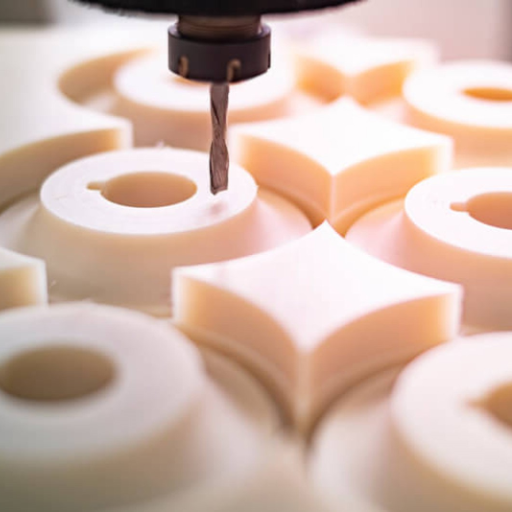
CNC plastic machining refers to manufacturing using tools that are controlled by a computer in shaping plastics into very precise parts. This is one way of manufacturing parts with utmost precision, and also resuming the same design if needed without any difficulty. CNC machines aid in most fields such as the motor industry, the aircraft industry, the medical profession, the retail industry among other places that have been segmented into different fields where accuracy and efficiency are essential. It handles materials like ABS, Polycarbonate, PTFE, and many others making the manufacturers able to choose an appropriate material depending on its properties; whether it needs to be strong, etc mechanism. This technique is very economical and effective especially when making samples or low to medium volume production.
The term CNC plastic fabrication is used to describe the application of computer aided design and manufacturing technology that helps create intricate parts or products from plastic using CNC machinery. It is a process where the machine is programmed to operate cutting tools, routers or even lathes in carving the parts of the design with precision and repetition in the machined cuts. In most cases abs, polycarbonate cut, acrylic cut, ptfe cut or even nylon cut can be machined thanks to this technology and it’s much preferred for its ability to produce very precise and repetitive parts.
The most up-to-date statistics show that CNC plastic machining has found significant application in sectors such as aviation, medicine, automotive, and extensively in electronics where precision is of utmost importance. Some of its edges over the traditional manufacturing processes are the short lead times, almost zero wastages, and the ability to create shapes that are challenging to make with the conventional methods hence saving a lot of material in the process. Therefore, it is best suited to parts where very tight tolerances and high-end finishes coupled with total customization are required. The productive way of manufacturing simple and formed CNC Plastic Parts Across Industries is is achievable via the use of technology.
Accuracy when CNC machining any parts is necessary to make sure the parts work properly and for a long time, and may be manufactured efficiently. Chances of making mistakes is minimized when high precision is attained in production, which is very important for vital sectors like aerospace, medicine or the automotive field where each of the needed elements are free of defects and are reliable in serving their purpose. Precision machining also helps to reduce the amount of raw materials wasted, the cost of manufacturing, and the need for extensive post-processing. Moreover, modern CNC equipment facilitates the repeatability of the process and enables meeting the original design specifications in each and every one of the many produced parts. Consistency and close tolerances are essential for devices where dependent forces, such as mechanical or chemical, are applied in performance over a period of time.
CNC plastic parts are essential tools across industries, offering precision, durability, and toughness.
Automobile: CNC plastic parts are indispensable for the manufacturing of lightweight and durable parts, as in coverings, gaskets, and interior panels.
Medical: Medical tools like operating tools, diagnostic options, and prosthetic devices are just a small part of the field of high-precision plastic parts.
Aerospace: Lightweight and reliable parts of CNC plastics are commonly found in aircraft components, obviously for efficiency and safety.
Electronics: CNC-machining-produced plastic parts are necessary for applications in circuit boards, casings, and protective parts.
Industrial equipment: In such environments, equipment might use CNC plastic components in either gears or joints that may be part of electronic devices or insulators when high precision and functionality are needed.
These industries tend to favor CNC machining because of its reliable generation of numerous high-quality components that closely comply with stringent specifications which would have been complex for their conventional methods.

CNC plastic parts are extensively used in many industries because they are precise, very durable, and can be put to different uses. In automotive manufacture, they play an essential role in forming parts including bespoke interiors and light-structural additions. CNC technologies have been applied as well in plastic materials in medical products ranging from surgical tools, diagnostic machines to prosthetics. In the aerospace sector, high-performance plastic components are used in a variety of applications including insulation and housing. Similarly, CNC plastic enclosures, connections, or even decorative applications are also found in the customer electronics area. These applications across CNC plastic parts demonstrate why CNC machining gets embraced in order to meet the goals of the industries.
For a long time CNC plastic components have been very fashionable in the industry by adding value in the manufacturing of lightweight materials. These materials are lighter with better strength-to-weight ratios than most metals, as well as being useful at high temperatures and in corrosive environments. Such properties are particularly important in the manufacture of brackets, bushings, seals, and insulators. CNC machining processes are often used to process plastics such as PEEK, PTFE, and polycarbonate because these plastics help in lightening the aircraft, thus saving fuel consumption and lowering emissions. CNC machining also ensures high accuracy and repeatability, and there is an increasing number of standards in the aerospace industry requiring exact safety and performance need fulfillment. Hence, CNC machinery now commands the highest regard and regards these materials as the backbone of the wave of the aerospace realm.
The automotive industry has seen a huge transformation because of the versatile, cost-saving, and durable properties of CNC Plastic Parts Across Industries. Many of the vehicle parts including interior decoration, brackets, and cavities for holding fluids, as well as light structural members are made with plastics such as: acrylonitrile butadiene styrene, polyamide, and polycarbonate. The material of the components has a weight that helps to save fuel consumption and limits the emission of the pollutant gases–a subject much in vogue in the modern automotive world owing to the intensifying environmental regulations.
Furthermore, CNC machining is also critical in ensuring the accurate precision that guarantees tight tolerances and uniformity of quality, which is important in the operation and performance of automotive parts. For example, with electric vehicles (EV) penetration, there is an increasing use of CNC manufactured plastic components for battery enclosures, cooling and electrical isolation, as the industry moves towards greener mobility. Thus, the utility and application of the CNC plastic parts can be seen to be important in the development of the automotive industry.
CNC plastic parts are indispensable components for consumer electronics, thanks to their characteristics of accurateness, sturdiness, and lightness. For instance, they are applied in producing the housing, buttons, and contacts of the devices whereby they help to provide functionality, as well as make the devices appealing. In addition, as insulating materials, they are used in mobile phones, computers, and other wearables, especially when safety and efficiency are of utmost importance. This is because CNC machining is able to generate very sophisticated shapes and create very intricate features, thereby meeting the expectations of consumers for electronic devices of today. Thus, all these properties of CNC plastic parts, in particular, bring them to the forefront of developments in consumer technology.
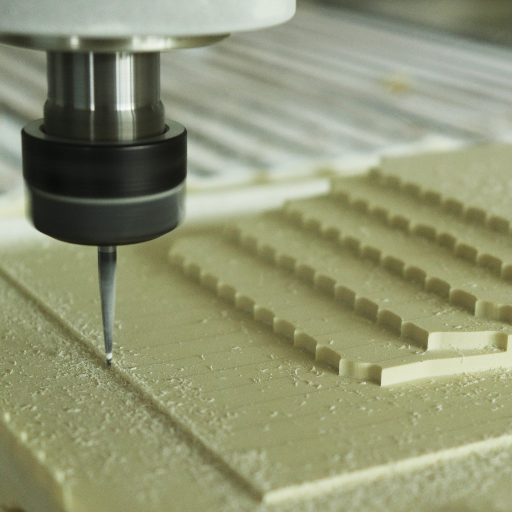
There are many benefits of having plastic CNC parts rather than any other materials which include light-weight, anti-corrosive, and inexpensive. This enables the manufacturer to create intricate features for the component while ensuring strength and toughness. Plastics are also more machinable than metals, which in turn helps shorten cycle time and tool wears. Furthermore, most plastic materials are great thermal and electrical insulators and hence good for electronics. Therefore plastic remains a suitable and viable material for CNC machines.
Plastic materials possess a lot of benefits over traditional metals regarding weight, a unique feature that has made them essential in so many areas. For instance, plastics are able to achieve up to six times less weight compared to metals such as steel, henceforth making them suitable for various programs where lightweight structures are desired such as; automotive, aerospace and consumer electronics. The benefit on weight accords efficiency in the use of fuel, reduces expenses of shipping and most importantly enhances the efficiency of the whole system while affecting the integrity and dependability of the product in question.
Using plastics in CNC machining is a significant benefit gained from the chemical attack, which exceeds that of many common metals. Metals will corrode or rust with time through exposure to other conditions; unlike plastics, which are not subject to chemical decay of any kind. Thus, plastics are preferable in out-door weather-killing or high-humidity environments. Their non-reactive damage as just described, as regards corrosion, etc., has thrust them to substantial benefits in many applications ranging from maritime, chemical process engineering, or healthcare where chemical, biological and humoral hazards are on the brink of damaging a base material.
Moreover, some performance plastics are manufactured for heavy duty use so that they can resist wear and impact as well as high and low temperatures. PEEK (another name for Polyetheretherketone) and PTFE (expanded as Polytetrafluoroethylene) for instance, can endure chemical influences without losing their shape even when put under mechanical pressure. This lowers the frequency of repair or substitution, resulting in economical and long-lasting application in the industry. CNC Plastic Parts Across Industries plastic in the process of machining is the main reason for these features as it cannot be violated easily.
CNC machined plastic parts can be quite beneficial in cutting down costs because they are strong, light and as a result, the material expenses are low versus metals. Such lower weights quite often translates into savings in logistics and energy costs. Further, the cost of repairs is reduced significantly since plastics such as PEEK and PTFE that are used herein do not wear out or corrode quickly, therefore, needing replacement after a long time. CNC plastic machining allows for precision machining where there is limited wastage of materials and fast production hence more economical designs are also achieved. This all contributes to the cost effectiveness of plastic parts in most of the Manufacturing Industries.
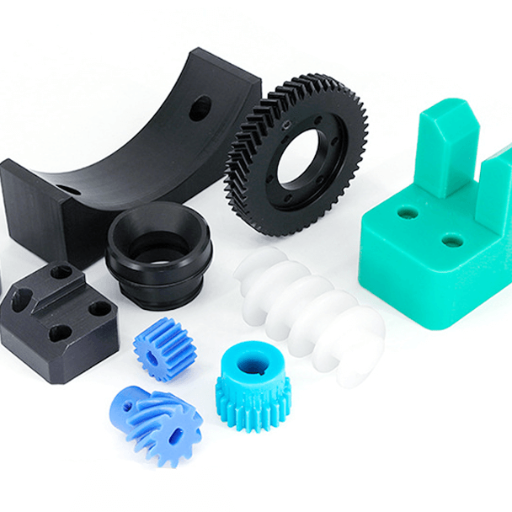
It is imperative to keep in mind that the materials to be used in CNC plastic machining must be carefully chosen in terms of resilience, workability, and purpose. ABS, PEEK, PTFE, acrylic, and polycarbonate are among the commonly preferred materials because they are strong even under high temperatures as well as most chemicals. It is of the utmost importance that these plastics do not fracture or deform during the machining processes, as the end products rule out any tolerance for imprecision. The appropriate choice of materials translates into efficient, effective, and economical performance in industrial use.
When attempting a decision on the plastic to be used for machining of parts, the need of the application must be into account. Elements such as strength, heat resistance, chemical resistance, and machinability are very important. Materials like PEEK or PTFE are suited for applications involving high temperatures because they are quite stable at such temperatures and have low coefficients of friction. Where see-through quality is wanted then acrylic or polycarbonate plastics are recommended. In the case where, general use with some toughness is required, then the preferable easy and economical material is ABS. This assessment of the working conditions and the requirement of the machinery will help to choose the appropriate material, which will fulfil the function and will be economic.
PEEK (Polyether ether ketone): Well known in the synthesis owing to the high thermal and chemical resilience that permits its high performance of supply with a lot of overlying tension.
Polytetrafluoroethylene (PTFE): Used to make solid non-stick surface coatings for items due to its heat resistance and low coefficient of friction.
Acrylic: Clear K9 materials appreciated for items which have a concern over visual or climatic properties meaning that it can be used in translucent components.
Polycarbonate: Gives a lot of light transmission and strength but appears very similar to glass – mainly becomes polycarbonate.
ABS (Acrylonitrile Butadiene Styrene): Widely used as a universal inexpensive material of engineering plastics for general purpose purposes; fabrication and modeling.
Ease of cutting operation lies to a great degree on the material specifics of plastic, such as hardness, thermal stability, and flexibility. While denser plastics like acrylic or polycarbonate enable supreme precision in processing, they are subjected to cracking or chipping once bringing under substantial tool pressure. Inversely, more compressible plastics such as ABS are very much unproblematic for processing until friction sometimes pops them apart or even melts them at high cutting speeds.
Thermal stability is yet another major site to be considered. Poor temperature stability might lead to warping, smearing, or unsatisfactory surface texture in the operation, even if machining is performed with an incorrect cooling or incorrect speed parameter. Being an intermediate thermal resistance material, acrylic demands careful machining to evade surface defects, while polycarbonate’s even higher resistance would support a more robust machining condition.
Hence, impart flexibility and impact resistance as well. So, the plastics below have optimal toughness to resist handling pressure without cracking and are preferable for rapid prototyping. However, with low technical flexibility, materials also demand that in order for machining, reduced cutting feed rates have to be employed to ensure integrity.
Understanding the properties and instances of these materials as well as their recommendations in machining styles ensures efficient process, optimal precision, and high-quality components.
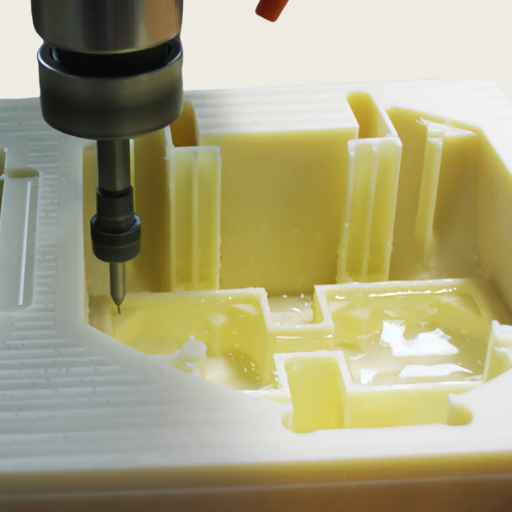
The term “tolerances” applies to very few words out of the same; however, in the field of CNC plastic machining, they range from broad to quite tight. Fundamental factors that dictate these tolerances with precision plastic machining are the type of plastic, plastic machining operations, and tooling. When it gets heated, plastic expands and contracts with the cooling effect. Therefore, during machining, the expansion by heating temperature should then be taken into consideration. Some of the softer plastics may want to deform with the actual clamping pressures whereas some may deform easily. What seems so frankly uncertain is the proper selection of the tooling. Then, with the incorporation of suitable material mechanical and thermal properties, the CNC machine guarantees tolerances as stringent as ±0.002 inches, making high quality and precise plastic parts possible.
When machining precison plastic components, it is crucial to take into account the properties of the material so as to maintain the tight tolerance. Unlike most metals, plastics are, under the influence of thermal expansion and contraction, highly reactive, thereby creating wider chances for actual dynamic changes. Temperature and humidity are environmental factors with pronounced effects on the dimensions, whereas material choice comes next. Hardening characteristics for most plastics is very different; hence, the choice of material can have a significant effect on final production. Additionally, the cutters, feeds, and pressures for machining plastics play important roles that will improve the production of more uniform products. One would anticipate that if these three factors can be optimized, precisions of ±0.002 inches, or even better, would be possible, making plastics an excellent candidate for precision uses.
The exactness of complex plastics is a synergy of advanced tools and techniques and carefully supervising the process settings. But operations like CNC machining automation actually provide cuts and measurement accuracy down to careful detail. In addition, the CAD designer aids in detail-planning the manufacturing process. Environment-related factors like strict monitoring of temperature and humidity conditions assure that the particular part does not get distorted in processing. Moreover, those applications that are otherwise very exacting in dimensions may need further processing like those involving laser cutting, finishing, or ultrasonic machining, for lowering tolerance disparities. Such attention to instantaneous monitoring and control of quality will enable the manufacturer to develop fully exercised capabilities in this respect.
End Mills: End Milling tools are tools that come in various shapes and sizes, including porting, slotting and pocketing functions with high standard of precision for application fragmentation.
Drill Bits: These are mandatory tools to have should one need to make accurate holes through the materials, considering the depth and required diameter.
Thread Mills: Thread Milling tools are designed for cutting precise threads on workpieces for better control over thread quality compared to previous, older methods.
Boring Tools: Tools for creating precise inner dimensions and surface finishes within close tolerances are boring machines.
Fly Cutters: Fly-cutting tools provide a means to need high-precision components with smooth and identical finishes on-plane surfaces.
Hybrid Manufacturing Process Greatly Reduces Production Costs of CNC Machined Plastic Parts: This paper discusses cost-reduction techniques for CNC plastic parts, particularly in the oil and gas industry. Source
Construction of Plastic Parts on CNC Engraving Machines and 3D Printers: This research explores the production of plastic parts using CNC machines and 3D printing, focusing on their applications in various assemblies. Source
Machining of Fibre Reinforced Plastic Composite Materials: This paper reviews the challenges and techniques for machining fiber-reinforced plastic composites, relevant to CNC applications. Source
Plastics and Their Machining: A Review: A comprehensive review of the machining processes for various plastics, covering conventional mechanical methods and their industrial applications. Source
Plastic CNC machining is a fabrication technique of subtractive in which CNC machines replace a drill, machining, or cutting set that severely processes thermoplastic stock within defined tolerances and exacting performance requirements to a point. This process is primarily used to create components that exact and tight tolerance and accept complex geometries for industrial and commercial use. Plastic CNC machining is the system of fabricating plastic parts and commercially available parts for purposes directly geared to the aerospace and defense, medical, and automotive, consumer electronics industries.
The CNC machining of plastics for aerospace and medical applications commonly involves components with very narrow tolerances, lightweight, structural components, insulating components, and biocompatible housings. By optimizing for CNC machining of plastics together with the use of 5-axis CNC machines, manufacturers can create complex geometries and precise components in compliance with the most rigorous regulatory and performance requirements of the industries of aerospace defense and medical devices.
Machining and injection molding are two manufacturing methods that complement each other. With favor, CNC machining will be the best solution for low-to-mid volume productions, going for rapid prototyping, and making parts with complex geometries or tight tolerances without owning upfront tooling cost. As it pertains to a situation in terms of high volume production, injection molding uses tooling investment to cover the defense costs. This also makes plastic machining effective for the speedier delivery of production-ready plastic components and as an operative method for putting some more anticipation against the esters and rosin-esters and having matched therapy.
Selecting plastic relies on the application which includes strength, chemical resistance, thermal shock resistance, biocompatibility. ABS, Delrin (acetal), PEEK, PTFE, UHMW, and polycarbonate are primarily used CNC machine plastics. The talk of plastic types with machining facilities makes it a benefit to the user, ensuring a variety of requirements can be met for the CNC machines to make parts and components which meet the specifications and functional demands by the word.
Oh, absolutely! CNC lathes and milling are able to achieve even higher tolerances than many other methods. The greatest tolerances are realized with a high-speed, 5-axis CNC machine. As a result, CNC machining facilities are the best options when the parts and products need an exceptionally repeatable CNC with high-quality results for the multi-purpose application of prototyping and mass production.

Manufacturing processes are quite complex, and the choice of a production method is directly related
Learn More →
There are two major manufacturing methods for producing plastic prototypes that most people find useful
Learn More →
As a person involved or interested in the design and production of plastic components, it
Learn More →