

Manufacturing processes are quite complex, and the choice of a production method is directly related
Learn More →
Aluminum 6061 had some fifty years ago when it was considered a material with a perfect balance between strength and workability. Thanks to possibly the most accurate and efficient machining of the CNC machine and aluminum alloy 6061, engineering and manufacturing specialists can produce complex and high-performance components with an unrivaled degree of precision, thus helping to almost immediately develop advanced products. It talks of the importance of Aluminum 6061 materials in CNC machining and demonstrate how the peculiarities of this material and CNC machining add innovation to production and help meet the ever-stringent demands put forth in this epoch of engineering. Lean production and CNC design, or state-of-the-art production, will spotlight the important aspects of this Aluminum 6061 CNC machining that continues to propel the industry forward.
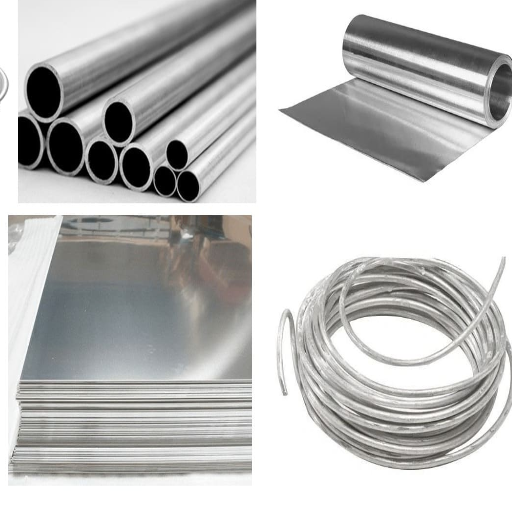
Aluminum 6061 is an all-purpose designation for this alloy. These designations distinguish the alloy as heat treatable and different from other alloys, with its attributes including the versatility for workability, strength, and corrosion resistance. In engineering and manufacturing applications, this alloy is very frequently employed. Aluminum stands as the primary element, with magnesium and silicon attached as principal alloying ingredients. There are slight traces of iron, copper, and chromium. This composition grants the alloy with an ideal balance between mechanical properties and workability. Drawing strength depends upon the temper, but it has a tensile strength of about 45,000 psi and yield strength of about 40,000 psi.
Being the aluminum that goes by its name” 6061 aluminum widely applied in various industries”like aerospace, automotive, hire construction, and electronics for lightweight yet rigid applications. Aluminum 6061 can be machined with great ease and weldability, so this will enable the utmost quality fabrication through CNC machining with precision. Aluminum 6061 can resist natural corrosion, but anodizing can boost this property in order for the material to withstand harsher or somewhat demanding environments. With such beneficial attributes, Aluminum 6061 stands as one of the enzyme materials for present-day engineering solutions.
It is widely emplaced because it offers a fair balance of strength, corrosion resistance, and workability. Some of the commonly used aerospace applications include aircraft fittings, couplings, and structural members in cases where reducing weight takes precedence over durability. In addition, Aluminum 6061 is used in the vehicular industry to manufacture a light-weight frame, drive shaft, and brake components that will foster fuel efficiency and augment vehicle performance.
It finds use in the construction industry for structural framing, pipelines, and bridge parts, with excellent strength-to-weight ratios necessary for large-scale projects.
The marine sector then utilizes the corrosion resistance, constructing ship panels, dock hardware, and underwater structures that will withstand the harsh conditions of saltwater environments for an extended period.
Moreover, Aluminum 6061 is used in the construction of bicycle frames, heat exchangers, and electrical components, such as bus bars and connectors, due to its high thermal and electrical conductivity.
Its adaptability was also exploited in consumer goods and electronics, as 6061 aluminum is easily machinable and can be anodized into durable and sleek designs for objects such as laptops, smartphones, and sports equipment.
The usefulness of 6061 aluminum is further emphasized in industrial equipment manufacturing, including hydraulic cylinders, testing equipment, and precision tooling, which is governed in a multitude of engineering domains.
These varied service applications earn the material the accolades of one of the most reliable and versatile materials in modern manufacturing.
High strength at minimum weight is the most important advantage afforded by this aluminum series, much coveted in the aerospace and automotive realm where performance and efficiency are of utmost considerations. Good corrosion resistance of the series also ensured that items made therefrom would have a longer life in harsh environmental exposure, thereby decreasing maintenance costs and operational downtime relative to other alloys. It is almost a perfect machining alloy, thus providing the need for machining delicate and complicated components of advanced engineering and manufacturing. In addition, its enhanced thermal and electrical conductivities over most aluminum alloys qualify it for electrical connectors and heat exchangers. Welding or joining also qualifies it as a paramouth competitor in strength retention, therefore giving designers a wide window of tolerance for assembly without affecting structural integrity. Such features hence enable the alloy to stand as a better proposition for applications requiring higher strength, durability, and versatility, which might elucidate the picture a bit.
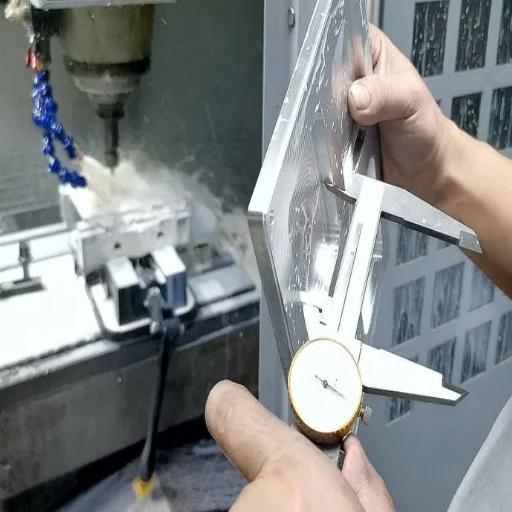
The primary CNC machining of Aluminum is 6061: precision and versatility with the stringent set of requirements from aerospace, automotive, and electronics industries. The process generally refers to machining operations by subtractive manufacturing methods; milling, turning, drilling, tapping are thus CNC controlled. Milling entails complicated shapes requiring tight tolerances, whereby end-mills and face-mills are used for precise cuts. Conversely, turning is more suited for cylindrical parts so that it may be allowed to develop a symmetrical structure with accurate dimensions.
Used to produce complex shapes with tight tolerances, utilizing end mills and face mills for precision cuts.
Works best for cylindrical objects, allowing the designer to achieve symmetrical design with exact dimensions.
Precision hole creation and threading operations for fasteners and assembly requirements.
3-axis, 4-axis, and 5-axis configurations enable handling of intricate geometries with minimal repositioning.
High-end CNC systems are equipped with multi-axis machines including 3-axis, 4-axis, and 5-axis machining centers which allow the materialization of complex geometries. Formation of this type allows the simultaneous movement of the tool and workpiece on two or more axes, thereby eliminating the need to reposition the work-piece and thus minimizing error margins. Aluminum 6061, with a very high machinability rating, is well suited for high-speed machining where cutting speeds are maximized with minimal wear to the edge of the cutter. The final finishing operations will give a surface finish of 8 to 16 microinches Ra, depending on the tooling and cutting parameters used.
CNC processes are adapted for automation because of the repeatability of precision it can guarantee and the highly scalable aspect towards mass production. Normally, these methods may be able to generate toolpaths adaptively or to monitor the cutting forces so that direct feedback can be taken in maintaining the ultimate level of dimensional accuracy. Aluminum 6061 may be anodized or beaded after machining in providing corrosion resistance and also offering a different exterior view that meets the Expo requirements from both the technical and aesthetic perspectives. Aluminium 6061 processes, if done correctly, would guarantee a good functioning of the components at a reasonably cost-beneficial price.
Accuracy, efficiency, and cost-related technical considerations must be given due regard when CNC machines for aluminum machining are being chosen. As aluminum is comparatively soft, one would want a high-speed CNC machine that can remove metals in close tolerance. Spindle speed, feed rate, and power requirements are some of the principal specifications upon which the choices are made. For instance, machines with transport spindle speeds in excess of 15,000 RPM would remove material at practically maximum rates and generate the least amount of heat possible, which is of great import to the reduction of thermal expansion and distortion of aluminum components.
High spindle speeds achieve maximum material removal while minimizing heat generation and thermal distortion.
Advanced cooling systems ensure optimal performance of cutting tools and workpiece integrity.
Complex geometries require multi-axis systems to reduce setups and minimize error margins.
Specialized tools resist abrasive wear during high-speed aluminum machining operations.
The utmost auxiliary cooling systems embedded in CNC machines, such as through-spindle coolant delivery, ensure the optimal performance of the cutting tool and the workpiece at the cutting table. Depending on the complexity of the parts, 3-axis and 5-axis CNC machines are widely used; however, 5-axis systems play a noteworthy role in producing complex geometries and in reducing setups. Anyone who chooses to achieve durability and the longest life with carbide and diamond-coated tools does so because they resist the abrasive wear of aluminum alloys during high-speed operations. Manufacturers can achieve very high-quality standards with high efficiency in aluminum machining processes if these parameters are properly managed and the program is applied accordingly.
When considering aluminum machining, the quality execution of operations must be achieved, depending on machine-tool-process compatibility. In the advancement of CNC machines, tolerances can be as tight as ±0.0001 inch, thereby increasing the quality of the part. This degree of precision involves preventing the thermal expansion of aluminum. Thus, great care is taken to maintain a constant operating temperature and to establish some form of feedback within the machine.
Likewise, with the use of advanced cutting tools and machining techniques, surface finishes on aluminum parts can achieve Ra values as low as 0.1 µm. By maximizing the use of high-speed spindles and corresponding proper toolpath programming, vibration is minimized to increase dimensional accuracy with in-process measuring systems like laser scanners and touch probes for in-process measurements, which almost instantly offer in-process feedback, thereby minimizing errors during production.
Industry nomenclature statistical data show that optimized feed rates, speeds, and other parameters lead to an improvement in production efficiency by as much as 40%, besides lowering scrap rates. By leveraging these developments and adopting a disciplined approach to process validation, manufacturers can achieve unmatched accuracy in machining aluminum parts.
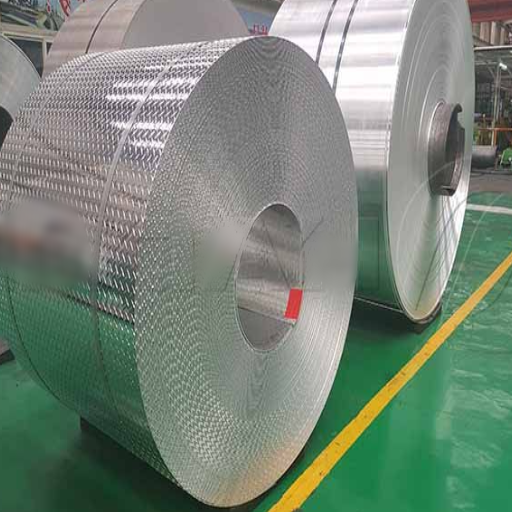
Aluminum alloys have very wide applications, especially in the instance of corrosion resistance that derives from the surface of the material developing a good protective oxide layer. The oxide layer usually stands as a barrier to any further oxidation. The article also says that the layer almost primarily consists of aluminum oxide (alumina) (Al2O3) which is formed spontaneously by the reaction of aluminum with oxygen. However, an environment or particular composition might destroy the layer and expose the material to one or another of the corrosion types.
Natural oxide barrier formation
Aluminum alloys could, in general, suffer various types of corrosion; one of the most common being pitting corrosion in the presence of chlorides or some other aggressive ions. These ions target weak points in the oxide layer to form small local indentations that, if left unprotected, could gradually extend. Apart from this, parasitic galvanic corrosion could also take place in aluminum, which would cause it to corrode faster in the presence of an electrolyte, thereby helping the destruction of aluminum.
Atmospheric humidity change and temperature differences cause stress corrosion cracking in high-strength aluminum alloys, like 7075 or 2024, with the aid of industrial pollutants. However, aluminum 6061 has been especially designed to contain magnesium and silicon as its principal alloying elements, thus affording it better resistance to corrosion than the other series of aluminium alloys. The operating life of the corrosive mechanisms can be curtailed significantly by anodizing or other forms of surface treatments carried out properly under suitably controlled environments.
This in-depth knowledge of the factors governing corrosion helps engineers and manufacturers design more durable aluminum products with a longer lifespan in various environments, ranging from marine to aerospace. Through the application of proactive material management and protective technologies, the structural integrity of 6061 aluminum-based components would be sufficiently safeguarded, even in harsh operational environments.
Aluminum 6061 is popular for its great opposition to corrosion especially in severe office settings. When few atoms of thin oxide layers are produced thus preventing corrosion of the alloy, the alloy resists any other forms of degradation (such as oxidation) and wear within all limits. This is mostly true for structural understanding of growth of atmospheric and potable water since it has very low reactivity towards many agents.
Material data confirm that 6061 aluminum indeed has a corrosion rate that is much less compared to many other alloys. The said alloy is more secured anodically with an electrochemical potential of about -0.80 volts with respect to the standard hydrogen electrode. The predominant property, therefore, supports the selection of this aluminum 6061 as an optimal material for uses subject to exposure to wet conditions, salt spray, and industrial pollutants.
The magnesium and silicon impart another dimension to resistance towards pitting and stress corrosion cracking. Thus, with the additional surface anodized treatments or powder coating, the corrosion resistance of such an alloy is good enough to resist aggravated conditions, such as those in marine or industrial setups. These material characteristics, combined with available surface treatment methods, give aluminum 6061 the highest preference in structural components requiring maximum service life with minimal maintenance.
A tough and robust surface finish can be obtained by anodizing 6061 aluminum, enhancing its already natural property while giving the treated surface functional and aesthetic benefits. Through this process, a relatively thick oxide layer is grown which further enhances the already good corrosion resistance of aluminum alloy by reacting with the metal surface, making it highly capable of resisting harsh environments such as long exposure to saltwater or industrial contamination. Yet another property of anodized aluminum is its wear resistance: the oxide coatings’ hardness imparts a high level of resistance to scratching, abrasion, and general wear and tear on the surface.
Creates superior protection against saltwater and industrial contaminants through enhanced surface barrier.
Provides excellent resistance to scratching, abrasion, and general surface wear and tear.
Creates enhanced adhesion for secondary finishes like paint or adhesives in aerospace applications.
Environmentally friendly process that improves material recyclability by preserving purity.
The technical consideration of anodizing creates the micro-textured surface, further allowing secondary finishes such as paint or adhesives to better adhere to the component. Such would be extremely essential for parts related to aerospace and automotive manufacturing, wherein higher bonding strengths are genuinely needed. It is deemed environmentally appealing, contradicting other processes since it yields no adverse byproducts and further rendering the base material more recyclable in that the material retains its purity. On the other hand, azoto allows for color and surface texture alterations. This goes a long way in complementing performance-based finishes and also provides an aesthetic finish considered “very present-day.”
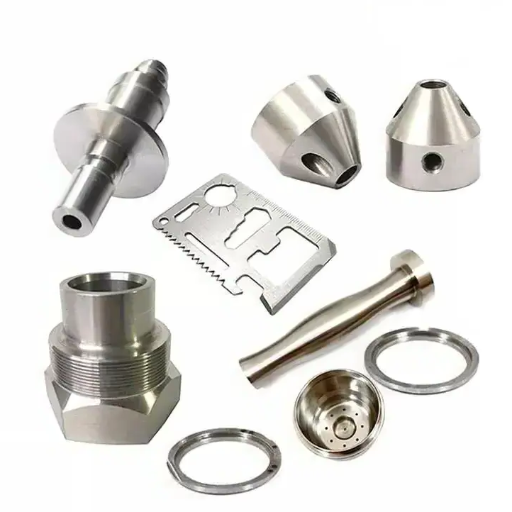
Because of its versatility, Aluminum 6061 has been much in demand in the manufacturing of custom components. Being an excellent strength-rated light alloy, it has a tensile strength of about 45,000 psi, making it suitable for applications where strength and weight considerations both need to be fulfilled. Another key consideration with machinability is that it facilitates creating very precise components using CNC machining or other machining substrates.
Excellent heat dissipation properties
Superior electrical properties
Versatile finishing capabilities
Easy joining and assembly
Corrosion resistance stems from the alumina layer itself, which can be further enhanced through anodization. It is highly appreciated by end users in outdoor or marine applications that are subject to regular environmental exposure. In addition, it has good thermal conductivity (usually around 167 W/m·K) and sufficient electrical conductivity, making it the material of choice for heat sinks and electronics support chassis.
Aluminum 6061 has a vast spectrum of surface treatments that may be allowed. These are powder coatings, polishing, and many more. The weldability also accounts for its use in almost all major joining methods, which aids the ability of the assembly to become complex. A custom part would be an excellent choice for this, all complying with tight industrial tolerances in aerospace, automotive, construction, and many others.
Custom aluminium machining is crucial to various industries that leverage aluminum’s unique properties to make precision-engineered parts. Custom aluminum machining businesses are highly demanded in aerospace engineering, wherein aluminum is prized for its strength-to-weight ratio, outrigidity to rust cancellation, and machinability. Aluminum parts such as fuselage components and brackets have to remain lightweight and corrosion-resistant while satisfying strict safety standards. Similarly, because of aluminum’s thermal conductivity and transference of stress under high loads, the custom aluminum machining industry is highly utilized for engine blocks, transmission housings, and structural supports in the automobile industry.
Other major manufacturing industries involved in the production of structural elements, panels, and connectors are custom aluminum machining to meet the specifications of durability-to-price requirement. Similarly, heat sinks and enclosures in electronics and telecommunication industries are fabricated from precision-machined aluminum so that good heat dissipation and electromagnetic shielding can be assured. CNC machining techniques open the door to manufacturers where they custom-design their own intricate configurations with very tight tolerance requirements in order to enhance product effectiveness and reliability in diverse applications.
Aluminum materials have been advertised as very finely suited for CNC machining and additive manufacturing because of increased definition and innovative, contemporary concepts. Achieving tight tolerances in the micrometer range has become the hallmark for component production in various industries. Better performance and durability and efficiency, this process takes them through the aerospace and medical device fields. Aluminum units reduce fuel consumption and operational costs due to their weight and structural capabilities in the aerospace realm. On the other hand, manufacturing technology aids in generating surgical tools and implants with precision.
Material science evolution has wrought wonders in the field of engineering and architecture. One such choice comprises aluminum alloys having better strength-to-weight ratios. These materials, coupled with appropriately designed software, allow intimidation-free rapid prototyping and iterative design procedures that minimize lead times and augment development workflows. Modern machining technologies ensure utmost precision and reliability, to eliminate the irregularities occurring in finding complex geometries and intricate features and, thereby, improving the performance of the product and the experience of the user.
By maintaining scalability in production and high-precision manufacturing capabilities, industrialists can operationally put customization and efficiency on new grounds, satisfying the formal requirements of competitive markets while staying ahead through technological progress.

The machining services for Aluminum 6061 must consider various technical and operational aspects to ensure successful results. These considerations include:
The machining service specific to Aluminum 6061 applications must have proven knowledge in working with tight tolerances, as this degree of freedom affects either function or integrity. The service should be able to produce documentation of their dimensional performance, generally expressed in thousandths of an inch or in microns.
Aluminum 6061 has special machining requirements owing to its strength, light weight, and versatility. The service provider must possess in-depth knowledge of machining aluminum alloys to minimize losses resulting from burr formation, tooling defects, and compromised surface integrity.
A leading machining center utilizes state-of-the-art equipment, including the 5-axis CNC machine, to work with complex geometries and intricate designs. Being equipped with CAD/CAM software integrated into machine tools expedites programming and execution with minimal error and maximal throughput.
A solid quality control procedure is crucial when machining Aluminum 6061. Reputable services utilize CMM analysis, in-process monitoring, and post-production testing as part of their inspection procedures to ensure the conformity of parts to specifications.
Depending on project demand, the service must be capable of handling both prototype runs and full-scale production. Scalability hinges on flexible processes coupled with efficient workflow management that reduces lead times while ensuring consistency across large production runs.
Competitive pricing must be accompanied by rapid delivery times and uninterrupted quality in mind. Project success depends on accurately evaluating the cost structures, such as materials, sourcing, and machining processes, alongside setting realistic delivery schedules.
Post-processing operations, such as finishing, anodizing, and threading, might need consideration. A machine shop offering integrated post-machining services will save time and ensure a higher-quality product in the end.
Review the supplier’s reputation in their line of work, such as ISO 9001 certification and past reviews from previous customers, to gauge their reliability and skill level. However, if they have technologies that have been thoroughly tested and used commercially in high-performance aluminum 6061 components, that stands for the former.
An in-depth analysis enables an organization to discriminate among all these elements, allowing it to select a machining service provider that meets the project’s objectives and thus manufactures Aluminum 6061 components accurately, efficiently, and on time.
For me, CNC machining involves balancing costs and quality with its own set of project requirements, never compromising on precision or durability. At times, prices sell cheaper material, maybe old machines, or halting in quality control, perhaps unacceptable outputs. Overpriced items also rarely guarantee the best quality, hence the importance of a detailed inspection of the value for each dollar spent. Vendors with transparent prices, who clearly specify charges for materials, machining time, and postprocessing, provide the most assurance and trustworthiness for me to accept.
I consider and verify the certifications of the supplier, compliance with tolerance, and appropriateness to provide more complex design requirements to qualify the standards of quality. For example, CNC machining service providers of the highest order in Aluminum 6061 components would have impeccable surface finishes, along with dimensional accuracy and rigorous quality assurance procedures. Through sample parts and client reference checks, I consider the premium price an organization demands to be a fair reflection of the constant reliability and precision in their work. Cost-effectiveness is not really about picking the cheapest option, but rather about selecting the provider that delivers quality work within the budget constraints. This analysis will enable me to benefit from examining the project in both the short and long terms.

Manufacturing processes are quite complex, and the choice of a production method is directly related
Learn More →
There are two major manufacturing methods for producing plastic prototypes that most people find useful
Learn More →
As a person involved or interested in the design and production of plastic components, it
Learn More →