

Manufacturing processes are quite complex, and the choice of a production method is directly related
Learn More →
Modern manufacturing relies heavily on CNC prototype machining which provides designer with the accuracy and the speed needed to create new designs easily. When producing innovative or complex parts, CNC machining is a reliable option that delivers fast, precise and consistent outcomes. This post discusses strategic advantages of CNC prototype machining, its range of uses in various sectors, and selecting a manufacturing partner for effective completion of your initiatives. If you read till the end of this article, you would understand why it is necessary to embrace CNC machining technology when creating quality physical models from concepts.
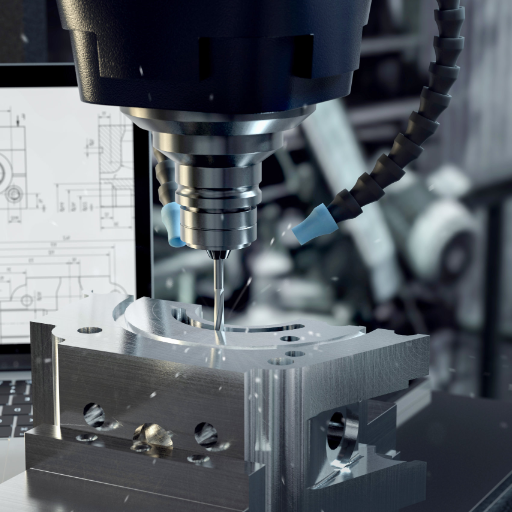
CNC prototype machining has a crucial role in industrial production and is aimed at achieving the creation of physical models and elements. Such devices operate on data received from electronic drafts, allowing, for instance, metal, plastic, and wood to be cut to accurate measurements. The main advantages of this technology are precision, quick details manufacturing, and systematic making of complex geometrical forms. CNC prototype machining has found widespread application in most fields and helps in the construction and improvement of the layout of objects to sustain mass production. It ensures the quality of the prototypes and guarantees determines the usability of the models in development.
CNC (Computer Numerical Control) prototype machining is an advanced technique wherein automated devices are used to produce prototypes of desired shape and quality in accordance with virtual models. Most importantly, CNC machines receive instructions created on computers that are able to write all operations to the machine tools, which leads to the cutting, shaping, and finishing of material such as metallic, plastic, wooden or composite materials. As per the recent statistics, CNC prototype machining is known for its characteristic of producing complex shapes with very high precision and consistency in no time. Sectors such as aerospace, automobiles and the manufacture of electronics frequently utilize CNC prototype machining for preliminary product development and testing, thereby assuring the working, endurance, and fitting of the product prior to moving towards mass production. Modern product development processes always prefer CNC prototype machining due to its effectiveness, preciseness and flexibility.
The CNC prototype machining is a wastage production where material has mound a hollow form or perforated mass which is tangible and negative process. The first step is drawing up by means of Cad utilising CAD (Computer-aided Design) software capable of creating clear three-dimensional objects. The CAM(Computer-Aided Manufacturing) software in turn prepares those models to be loaded into specific machines that are working on the G-code language. Using the fixed G-code, the CNC system carries out particular operations like cutting, boring or milling, with incredible accuracy. CNC equipment entails various end effectors and implements and moves on many planes when carving the material to into shapes of very complex structures with very high precision and repeatability. It is commonly used in many industries ranging from prototype manufacturing to high volume manufacturing because of the level of effectiveness in operation and trustworthiness.
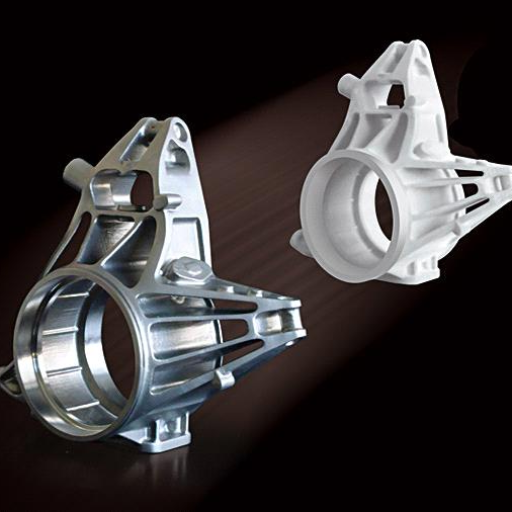
The advantage of CNC prototype machining is that this process is capable of handling more than one type of material and as a result, is applicable to a vast range of proto-typing cases. These include both metals such as aluminium, stainless steel, brass, titanium and also plastic materials including ABS, polycarbonate and nylon to mention but a few. They include the ones because of their strength of the materials, their ease of manufacturing and their. appropriateness for the associated application making it possible to come up with precise and efficient prototypes.
Metals are one of the most commonly chosen materials for CNC prototype machining due to their structural strength and scope of applications. Some examples are aluminum which is light and does not corrode, stainless steel which is tough and strong, brass which is easy to machine and titanium which is used where light weight with high strength is required.
Since plastic materials enable one to design complex yet lightweight and flames resistant structures, they are in great demand. Probably the most common CNC machining plastics are graphene, polycarbonate, polyamide, and PEEK due to the impact resistance and chemical resistance these materials posses.
Among all other materials, composites are the ones that combine several physical characteristics of various materials for better effectiveness. Thermoplastic PCs, Polyamide based compounds such as held IVA process and reinforced Reinforced ribber Constat are some of the instances to mention. Such instances are common among high performances industries such as Astronautics, motorsports and others.
To achieve efficiency when used for CNC prototype machining, it’s important to weigh required performance with ease of machining and corollary costs. 1. Discover the demands of your particular request at the first place. Assume you are contemplating a very strong, yet light component for a prototype, carbon fiber reinforced polymers, which is equally needed in such industries as space and the automotive industry can be a good option. In contrast, 1e materials like fiberglass will do better in applications where corrosion-proofing and price are among the principal concerns.
Think about the surroundings in which your model will be put to use. For example, aluminum and titanium are great for high pressure or high temperatures, whereas ABS and Nylon are suitable for applications with minimal mechanical constraints and tools with low manufacturing costs. The material’s machinability must also be considered – soft materials may lessen the time taken during machining and the wear of the tool, however, tough materials may increase them which may require more sophisticated tools and personnel.
Examining the performance and budget of your project and analyzing the needs of the environment will help find a suitable material to satisfy the current purpose of your prototype with the CNC capabilities as a tool since the latter is very precise in nature. Use the services of CNC prototype machining professionals for optimum product selection adjustments at all times.

It is critical in CNC prototype machining to follow the best practices of production and stringent quality checks, to guarantee accuracy, dependability and uniformity. ISO 9001 and AS9100 among others are standards for Quality Management in Machining process that assist manufacturers to achieve consistency of process performance and other requirements. These quality checks and measures include dimensional check, material check and certification as well as calibration of all the machines concerned in order to ensure that the prototype meets the tight specification. Higher levels of accuracy also depends on specific tools such as the CMM and other types of inspection software. The use of these standards and quality control measures guarantees that CNC machining meets all requirements of functional prototypes including safety considerations in an efficient manner.
Maintaining precision in CNC machine tools is essential to legislative guidelines and permits the use of parts or prototypes within their bounds without distortion, as the application design requires. Precision prevents error generation, needless material consumption and avoids fitment issues while making challenging jointing possible. It also leads to increased product fidelity through uniform outcomes, which is a necessity for sectors like aviation, medical equipment and automotive production. CNC prototype machining with constrained tolerances on the other hand promotes productivity and performance between other factors.
In CNC prototype machining, tolerances refer to the allowable variation of a part or feature to fulfill a specific function or design. Tolerances are particularly significant in this case because they have a direct impact on the performance and fit of the prototype. Excessive loose of tolerances may result in attachments & joints which do not fit or even break, while very tight tolerances exacerbate the costs and delivery times without much benefit from it. This variable should be balanced carefully depending upon the requisite so that the application can be optimized, wastage minimized, and cost kept under check. The correct handling of tolerances is very crucial in that they ensure the smooth operation of a given prototype and allow its development to take place.
Precision is paramount in CNC part checks for clear reasons, and precision provides understanding and control for manufacturers. Also primary tools include technological tools like CMMs that guide machines to the correct measurements or scans, and to help the machines further apply statistics referred to as Statistical Process Control (SPC). Calibration of the machines is also very critical for ensuring that the devices operate within the tolerable limits so as to avoid malfunctioning.
NDT with the use of ultrasonography or X-rays is commonly employed for defect detection whereas production parts remain undamaged. Cylinder walls or bottles, for example, are examined using design verification software tools, some of the most sophisticated, where the design is compared to a measured model in CAD format by the operator. Enhanced use of active vision systems makes the present CNC automatic lines very reactive to any changes and also conservative to suppress defects, hence almost no idle hours and minimum cutoffs.

The selection of CNC prototype machining services must be achieved having in mind a number of things. Check whether they possess experience, the equipment, and the ability to produce quality work consistently. Considering not only the materials, but also the quantities they are willing to produce, should help you in your decision process. However, bear in mind the communication process, stipulating timelines and most importantly quality control. They should also make sure that they offer you adequate rates with provision for any after manufacturing services lest you have any question what so ever.
While searching for the best service providers, evaluate their level of expertise and experience by looking at their track records in the industry. Verify if they have creditable certifications, any professional qualifications, or tangible samples of projects they have accomplished. This implies that such providers have more experience and grasp related knowledge, hence they will foresee and deal with such complications without difficulties. Case studies and user reviews also serve as backdrop for their performance and dependability. The presence of a good baseline of competence guarantees the service provider can perform the job well and achieve exceptional objectives.
In choosing the best CNC prototype machining partner, one should consider the importance of timeframes and accessibility to services as these affect the seamless production workflows or meeting project timelines. A dependable partner will have to indicate the time it will take to complete the work accurately so that the client ends up satisfied, not focusing too much on speed. So how can one find out if this will be achievable? Find out what they already have in the pipeline, the turnaround of manufacturing and the capacity to change these timelines through rescheduling. Those providers working with more sophisticated scheduling systems and/or running two or more shifts have more abilities to handle last-moment orders or variable needs in production.
Try to also classify if such partner has the capability and reputation of on time delivery through the assessments provided by their clients, or even in some cases, through a case-study. The partners who are most reliable are those, who have streamlined procedures in place, robust machinery as well as communication systems. If such setup helps ensure that turnaround times shall not overstretch the limits of your needs and the provider meets the capacity of your orders, it may reduce bottlenecks and make sure the projects are handled smoothly.
Appropriate and clear client support is essential with regard to CNC prototype machining suppliers. Determine the speed and efficiency with which the supplier responds because these characteristics show their dedication to meeting and understanding the clients. Choose those firms that have several channels of communication – email, phone, live chat – to ensure access. In addition, focus on partners that update you about your project every time there’s a need and as well being candid on possibilities of delay. Clear communication facilitates the production process since it establishes confidence.
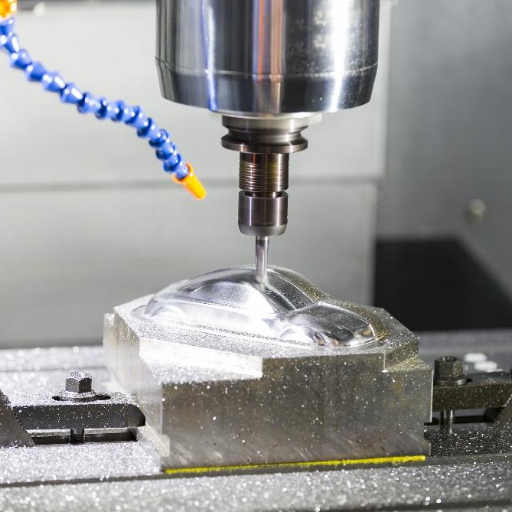
Industries using CNC prototype machining include, but are not limited to- automotive, aircraft manufacture and medical industries. This is because such industries have pretty accurate, fast and adaptive purposes of production. Generally, prototypes are pertinent to these industries because of need concerning design evaluation, functionality testing, as well as exploring viability of the product before it goes into mass production. Engineers also erect these instruments in a manner that assists them in locating and correcting problems in the designs much earlier, with the costs of manufacture, as well as the quality of the output, being improved substantially as a consequence. Furthermore, CNC prototype machining has the ability to produce complex and highly aesthetic parts and surfaces which is extremely precise in its work which is common in the industries that have a high degree of accuracy and dependability.
Prototyping is crucial for ensuring safety, functionality, and innovation in the aerospace industry. Engineers make use of prototypes to confirm aerodynamic designs, check the structural integrity, and assess material performance under simulated conditions, thus enabling the identification of potential problems before full-scale production. This ultimately enhances efficiency and reliability. Through the prototyping process, the industry is able to adhere to severe regulatory requirements while ensuring that their components and systems meet stringent safety requirements. Prototypes furnish crucial performance data, helping in leading-edge aerospace technology development that enhances the general quality of aircraft and spacecraft.
Automation, a vanguard in computer-aided manufacturing for numerous improvements in the realm of prototyping, stood out ahead. The years to come may well see what happens in escalating automation, material diversity, and precision. Advocacies for automation concerning artificial intelligence/machine learning are in the wind for enhanced efficiency and considerably lower production timings. The dawn of newer materials is also serving to let design professionals push the limits of design prototypes with applications ranging from high-performance composites to sustainable materials now being feasible with rapid prototyping services pushing forward. Technological advancement in other related fields in excessive machining capacity in several axes is otherwise contributing in another way in complex and highly detailed design no longer typical at prototype stage. The upcoming CNC prototype advancement indeed shall open up such technologies to opportunity making the rapid tooling and sustainable manufacturing leads.
The Application of High-Speed CNC Machining to Prototype Production – This study explores the use of high-speed CNC machining in prototype production, focusing on tooling and process efficiency.
Rapid Prototyping Using CNC Machining – This research discusses methodologies for toolpath planning and finish machining in CNC-based rapid prototyping.
Prototype CNC Machine Design – This paper examines the design and performance of prototype CNC machines, with insights into their applications and educational value.
Strategic Advantages of Interoperability for Global Manufacturing Using CNC Technology – This article highlights the strategic benefits of CNC technology in global manufacturing, including its applications in milling and turning.
A CNC mill is one of the most common and versatile tools used for prototype CNC machining due to several factors such as precise machining and the ability to machine parts directly from a raw material block. A CNC mills has the facility to work on a variety of materials such as metal parts or plastics. Therefore, during the prototyping stage, CNC milling allows producing fully functional prototypes and CNC machined parts with a great deal of repeatability. Thus, metal forming is very capable in manufacturing tight tolerance, strength, and precision.ills excelling in tight-tolerance machining and strength as compared to subtractive alternatives make an alluring system to generate prototypes and may even go on to become a final product.
CNC machining good for prototyping and 3D printing each have strengths: CNC machining produces highly accurate machining and great surface finish for the two kinds of parts (end-use parts and machined parts from engineering plastics), while the 3D printing provides them soon; for concept models and complex geometries. What do you reckon, is rapid prototyping normally a joint venture, pairing 3D printing with concept iterations and CNC machining or other methods like resin casting or Moldless Composite Tooling for creating functional prototypes and production-ready parts? So, each variant of prototyping is adaptable for particular conditions; e.g., which type of prototyping that is required, the materials to be considered for this prototyping, and the requirement detailed.
Prototyping in CNC manufacturing typically commences with CAD software, creating the model, and continues within CAM programming by generating toolpaths for milling operations or 5-axis CNC machining if heavy geometry is required. A block of raw material is clamped to the machine table, which the cutting tools then remove material to create the part out of; further finishing operations net out quantities and surface properties to the primary quality. This approach allows quicker product testing in the development process, spotting issues early in the process, and possibly producing functional prototypes in just one day, depending on the severity of the part.
Rapid tooling or prototyping by injection molding is most viable for you when you foresee the need for high volumes of plastic parts or prototypes that would closely represent the geometry and actual behavior of the material. The prototype CNC machining process is better suited to produce low-volume, high precision metal parts, polymers, and to perform tests on structural or thermal properties at the early stage of development. If you are already discussing your project with many identical parts or at the beginning of mass production, rapid tooling and injection molding will allow for per-part cost reduction and will help transition from the prototyping stage into a fully manufacturing stage.
With CNC machining, benefits include precision part machining, the durability of materials, such as metal parts or engineering plastics, and consistency in parts. This feature helps ensure that every part prototyped consistently produces a final part of exacting high tolerance. End-use parts, including prototypes, are produced with tight tolerances and high mechanical properties, typically with good surface finishes. Higher-level CNC technology allows for machining more complete complex geometries with distinctly shorter lead times, giving innovative thinking a typical chance at making production more risk-free.

Manufacturing processes are quite complex, and the choice of a production method is directly related
Learn More →
There are two major manufacturing methods for producing plastic prototypes that most people find useful
Learn More →
As a person involved or interested in the design and production of plastic components, it
Learn More →