

Manufacturing processes are quite complex, and the choice of a production method is directly related
Learn More →
Swapping in new parts can transform your CNC machine. Better performance, sharper precision, and smoother efficiency all follow the upgrade. DIY hobbyists and pro machinists find fresh components open doors they never saw before.
This post examines why a quality CNC parts kit is worth your cash and shop time. We will go over what to check when you pick pieces and how those changes supercharge your tool. In plain terms, the right swap lets your biggest machining dreams behave like you pictured.
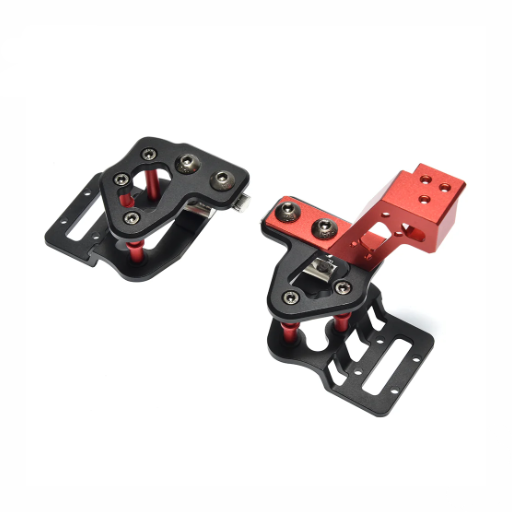
Think of a CNC parts kit as an upgrade toolbox that already knows what you’re fixing. Each bundle holds essential bits- steppers, controllers, sturdy power supplies, maybe even linear rails or fresh bearings. Lay those parts out and your machine suddenly runs faster, strikes truer, and rarely stutters. The kit wakes the tool up and says, Go ahead, work hard.
A typical DIY CNC parts kit includes a handful of must-have pieces. Swap any one of them, and the whole rig just about stops making sense.
Stack, wire, and calibrate the lot right, and the odds tilt hard in favor of clean, repeatable work. Whether you’re carving MDF or chasing steel, a well-mated kit rides smoothly.
Swapping in a CNC parts kit is a quick win for makers who have never touched a router and for pros who could almost run one blindfolded. A fresh set usually smooths out motion, extends the machine’s useful life, and keeps it in the performance sweet spot. Five reasons to consider the swap are shown below.
Most kits slot together so neatly that gaps, wobbles, or hidden misalignments disappear. The payoff shows up on the part surface-high-quality edges, tighter numbers, and finishes you can see are right once the dust clears.
Replacing a cranky bearing with the new spare keeps a stop from stretching into a lost day. Having the piece on hand means saving the wallet from the real big hit that extended downtime can smash it with.
Rugged highway-grade bearings or stout couplings chew through millions of passes before anyone hears a whine. Handing those upgrades into the machine stack keeps wear from piling up and quietly stretches service life much longer than most people guess.
Many kits ship with modular sleeves, spacers, or even goofy little adapters that turn a wood mill into a metal cutter overnight. Anyone who hops between hobby prototypes and low-run production knows that kind of swap-where parts listen to your needs-is what keeps the blender humming project after project.
Many CNC parts kits are plug-and-play these days. A fresh beginner can usually follow the step-by-step manual and have the machine humming in a weekend. That immediate success keeps the frustration at bay.
When the install is simple, owners burn less time on trial-and-error and more on actual work. As a bonus, fewer headaches mean fewer dollars spent on downtime.
Picking the right CNC parts kit can feel like choosing a new gadget; one misstep and you’re stuck. The first step is to check if the kit matches your CNC model. Many products look similar on the shelf, but they rarely fit every machine; confirming specs saves a lot of later headaches.
Quality comes next and should never be an afterthought. Components crafted from hardened steel or solid aluminum resist wear, keep cuts accurate, and outlast cheaper materials by years. A smart buyer reads the fine print instead of chasing the lowest price.
Features can tip the scales all on their own. If the kit packs upgraded stepper motors, a beefy power supply, or a next-gen control board, you may notice faster feeds and fewer stalls out of the box. Sometimes the upgrades are worth every extra dime.
No one enjoys wrestling with new hardware alone, so user reviews and support lines matter. Kits that arrive with glowing feedback and a customer team ready to answer questions make installation smoother and save hours of trial and error. The peace of mind is nearly priceless.
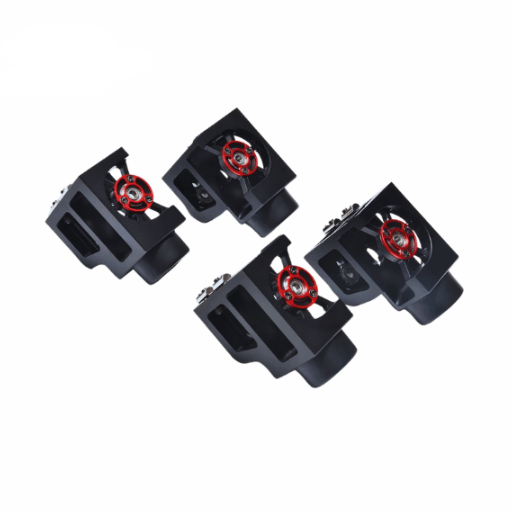
A typical DIY CNC parts kit includes everything you need to start carving straight lines and curves.
Put all those pieces side by side and you’ve got the fundamental guts of a CNC machine, ready to whip up wood signs, aluminum brackets, or whatever else is on your to-do list.
If you want to get the most value from your CNC machine, optional add-ons are a smart first step. Swapping out a barebones setup for a tricked-out rig can boost speed, accuracy, and plain old fun.
A touch probe feels out part offsets automatically. You walk away knowing your stock is lined up to within a hair.
Pumping coolant across a cutting edge tames heat on long runs. The steel bits stay sharp, and your wallet thanks you later.
Clap a cylinder into a rotary fixture, and the cutter wraps it like a bracelet. That opens doors to grips, signage, and 3D whirligigs you never thought possible.
Shavings drift everywhere unless you grab them mid-flight. A dust collector snatches the crumbs so your shop stays neat and the spindle breathes easily.
Imagine swapping drill, end mill, and tap without lifting a finger. Automatic changers turn that daydream into routine, slicing idle time to ribbons.
All these extras stack up to a machine that says yes to dares it once would’ve balked at. More versatility, less fuss- you’ll notice that difference right away.
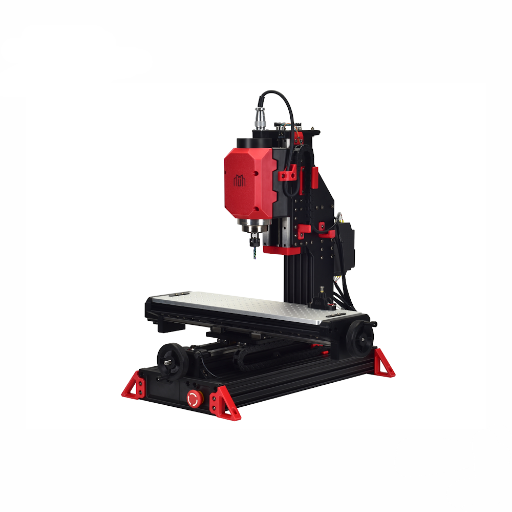
Giving your CNC machine a boost starts with a bit of planning. Jump straight in and you’ll most likely run into trouble.
Sit down and write a short list of features that matter to you. Are you craving tighter precision, faster speeds, or new fun functions? Knowing your goal makes the next steps way clearer.
Crack open the owner’s manual or scan the spec sheet. Happy coincidence: that paperwork usually tells you which upgrades wont fry your electronics. Popular swaps range from handy tool changers to beefy high-speed spindles and more intelligent control systems.
Spend a few minutes reading reviews before you click Add to Cart. Sturdy parts from a respected supplier or the manufacturer are worth any extra cost. Cheap knock-offs can turn a good upgrade into an expensive headache.
Ask yourself honestly whether you enjoy greasy, precise work. If the answer is no, bring in a pro. Either way, stick to the installation directions that came with the new hardware.
Once everything is bolted down, fire up the machine and run a trial job. Tweak the settings until the numbers line up. A little calibration now saves hours of headaches later.
Follow these sensible steps, and your upgraded CNC will cut smoother, faster, and longer than ever. The boost in capability is usually worth the effort- and the dust that will inevitably fly.
The first step in figuring out which bits of your CNC rig need a facelift is to watch it work for a while. Take notes on speed and cut quality. If either one feels sluggish, something is probably off.
Check the usual suspects-spindle motors, ball screws, and the control board. Those parts tend to wave a little white flag before everything else gives out.
New tech never sleeps, so fresh software hooks or smarter end mills could shave minutes off a run. Flip through manufacturer bulletins and cruise trade shows to spot what hit the shelf.
Marry that broader picture to the particular jobs still stacked on your bench. That blend of gut feel and complex data will nail down the upgrades you can’t afford to skip.
Take a moment to check how your CNC is behaving right now. Does it zip along at a decent clip? Can it hit those tight tolerances day after day, or is it always chewing up hours in the shop? Grab last month’s performance logs and the weekly maintenance slip, and see what the numbers say.
Before spending a dime, ensure the shiny new part will hook up to what you already own. Swap the spindle, but if the controller or the power supply can’t keep pace, you’ve wasted cash and time. Dig into the data sheets and factory specs, or call the tech rep, to confirm everything lines up.
Ever thought about slinging a robot arm onto that axis? Studies show that pairing a swift tool changer with intelligent monitoring software can boost your output by a third. Less wasted motion means more truck parts, which never hurts the bottom line.
Swapping out worn bits for premium carbide or even diamond-coated edges pays off with cleaner cuts and fewer stops for swaps. When the tool lasts, the clock keeps running, and your quality stays sharp. Think of it as insurance- just cheaper than fixing a bad batch.
Swapping out old motors or installing newer, energy-saving gear can cut your power bill almost overnight. Researchers say some modern CNC mills shave off nearly a fifth of electricity use each year, so the savings show up in your checking account-and the planet breathes a little easier too.
When you’re standing in front of DIY upgrade shelves or browsing snug little pre-made CNC bundles, a few quick questions pop to mind: How much cash will it cost? Can I tweak the setup to fit my wild ideas? How tangled is the wiring I’m signing up for? Support after the click and the hours I’ll spend elbow-deep in the project also matter.
|
Key Point |
DIY Upgrades |
Pre-made Kits |
|---|---|---|
|
Cost |
Lower |
Higher |
|
Customization |
High |
Limited |
|
Complexity |
Advanced skills |
User-friendly |
|
Support |
Minimal |
Comprehensive |
|
Time |
More |
Less |

The Voron 2.4 CNC Parts Kit lands somewhere between plug-and-play and lets-me-get-my-hands-dirty. Frame bars, motion bits, wires, screws-every piece fits like it was breathed into the project by a single designer. A welder, a college kid, or an artist burning daylight on glass can all twist the final machine toward personal goals. Because the creator grouped tough-to-match parts, a builder cuts shopping time in half and worries a little less about mismatched bolts.
The included frame parts feel reassuringly solid. Together, they form a backbone that keeps everything in line even after months of hard work.
Premium linear rails, tough belts, and sturdy pulleys make the moving bits glide without a hitch. That smooth travel allows you to tackle the fiddliest designs.
The bundle ships with a beefy controller, reliable stepper motors, and matching drivers. They click together easily and respond without lag.
Screws, nuts, and bolts are all in the box, so you wont be hunting for extras halfway through. Every piece is sized to fit the build.
Because every part slots together modularly, you can swap or upgrade anything whenever inspiration strikes. That lets you tailor the machine to whatever project pops up next.
The Voron 2.4 isntei just another kit; it feels like the printer was pulled right from a space-factory prototype. Solid CoreXY guts push the nozzle hard and fast while keeping the lines straight, so wobble is more or less a myth. The finish usually looks ready for a showroom shelf, even on wild overhangs and twisty lattices. Because most parts bolt right onto the frame, you can swap in a beefier hot-end or drop an auto-bed-leveler with minimal head-scratch time. The fully closed shell acts like a mini oven, locking in warmth so ABS, nylon, and other mood-ring filaments stop cracking mid-capture. Builders who used to pine for six-figure industrial gear suddenly find that those prints live at their desk for a fraction of the price.
When lined up against other favorites- CNC style rigs like the Creality Ender 5, Prusa i3 MK3S+, Anycubic Mega S, or even the Snapmaker 2.0-the Voron 2.4 doesn’t just join the debate; it starts a new chapter.
|
Feature |
Voron 2.4 |
Ender 5 |
Prusa i3 |
Mega S |
Snapmaker |
|---|---|---|---|---|---|
|
Build Vol. |
Large |
Medium |
Medium |
Small |
Small |
|
Speed |
High |
Medium |
Medium |
Medium |
Low |
|
Accuracy |
High |
Medium |
High |
Medium |
High |
|
Materials |
Many |
Few |
Many |
Few |
Many |
|
Mods |
Extensive |
Limited |
Moderate |
Limited |
Limited |
|
Cost |
High |
Low |
Medium |
Low |
High |
|
Setup |
Complex |
Easy |
Easy |
Easy |
Medium |
1. Design and Modelling of a Universal CNC Machine
2. Design and Fabrication of 3-Axis Mini CNC Milling Machine
3. Experimental Determination of the Optimum Cutting Tool for CNC Milling of 3D-Printed PLA Parts
4. Shape-adaptive CNC Milling for Complex Contours on Deformed Thin-Walled Revolution Surface Parts
A: CNC machine kits are pre-packaged collections of components and parts that allow you to build your own CNC machine. These kits typically include mechanical parts, electronics, and sometimes even software to help you get started with CNC machining or 3D printing.
A: You can use CNC machine kits to build your CNC machine. These kits provide all the necessary parts, including cnc router parts and mechanical components, making it easier for DIY enthusiasts to create their machinery.
A: CNC machine kits generally include mechanical parts like frames, motors, spindle units, and electronics such as drivers and controllers. Some kits may also include assembly instructions and additional components for specific functionalities.
A: CNC machine kits are specifically designed for building 3D printers. These kits come with all the necessary parts and instructions to help you make your 3D printer, often including various mechanical components and electronics.
A: A CNC machine’s stability is crucial for its performance. A stable machine minimizes vibrations and ensures precision during operation, which is essential for achieving high-quality cuts and prints in CNC machining and 3D printing.
A: Open-source CNC machine kits benefit from community support and shared knowledge. Users can modify designs, access many tutorials, and collaborate with others to improve their builds and troubleshoot issues.
A: Delivery times for CNC machine kits can vary depending on the supplier and your location. Most suppliers provide estimated delivery times during the checkout process, but checking for stock availability and shipping options is advisable to ensure timely receipt of your parts.
A: Some popular brands for CNC machine kits include Avid CNC, Shapeoko, and X-Carve. These brands offer a variety of kits to suit different needs, from beginner to advanced users looking to build their machinery.
A: Yes, many CNC machine kits allow for customization. You can often select specific components, such as the spindle, motors, and additional features, to tailor the kit to your needs and projects.

Manufacturing processes are quite complex, and the choice of a production method is directly related
Learn More →
There are two major manufacturing methods for producing plastic prototypes that most people find useful
Learn More →
As a person involved or interested in the design and production of plastic components, it
Learn More →