

Manufacturing processes are quite complex, and the choice of a production method is directly related
Learn More →
They form the hallmark for extraordinary strength, perfection, and utility. A component goes through machining from a solid block of aluminum, carrying out processes to the minute specifications. Thus, they find application in critical industries, right from aerospace to automobiles. So, what is it that enhances the scalar importance of billet aluminum solutions in advanced engineering? This article navigates the distinctive manufacturing process of billet aluminum parts, discusses their matchless advantages, and lists industries using those advantages for durability and performance. A complete study setting, whether for an industrialist or a curious mind, is this thorough guide to why industrial innovations have billet aluminum leading the way.

These are parts that are machined from solid aluminum blocks called billets to meet certain design and performance criteria. Even when they call it cast aluminum, it’s basically molten aluminum poured into a mold, whereas with billet aluminum, CNC machining ensures cutting and shaping. The downside is casting produces parts of “weaker” structural integrity, while machining keeps the grain structure of the billet, thereby making stronger and more durable parts.
Generally, billets are produced by continuous casting, wherein molten aluminum is cast tubular or rectangular in shape having a uniform composition. The uniformity of the material allows billet aluminum components to withstand intense stresses and extreme environments that make the billet aluminum parts suitable for the more demanding aerospace, automotive, and marine domain. The material properties render billet aluminum parts resistant to corrosion and extreme heat. While in conjunction with good machinability, billet aluminum lends itself to the manufacturing of very intricate designs with close tolerances, due to which it is a favorite among custom and performance-oriented engineers.
One of the properties that genuinely stand out in billet aluminum is the strength-to-weight ratio. This feature ensures great durability without adding additional weight, a thing that is considered extremely important in cases where high performance and efficiency are key factors, such as in the aerospace and automotive industries.
It is very important for materials used in marine environments to be resistant to corrosion where high saline water conditions exist over a surface in an aluminum-steel interface since corrosion might set in due to a breakdown in the anodized aluminum surface through chloride concentration. Such materials, basically, are marine materials, including billet aluminum.
Due to its high thermal conductivity, billet aluminum has found uses in heat exchangers and cooling systems. This characteristic supports efficient heat dissipation in performance-critical systems.
Billet aluminum can undergo machining processes with the highest degree of precision leading to the making of very detailed parts and tolerances. The super machinability helps minimize the waste of materials and forms a basis for cost-efficient processing.
Being that the structure of billet aluminum is appropriate to be polished, anodized, or powder coated, this permits it to shine also as anodized aluminum. From structural applications to architectural finishes, billet aluminum can do almost anything.
Environmentally speaking, billet aluminum is highly recyclable, thus promoting sustainability as it cuts down on energy consumption and waste of raw materials in the production process.
By these qualities, billet aluminum is best suited for industries that demand strength, durability, and options for customization.
Billet aluminum, cast metals, and forged metals have their peculiar properties and advantages that make one more suitable than the other in given applications. It is essential for one to have clear knowledge of their differences to best choose a material.
Casting is the least expensive method to produce parts with complicated geometries, while castings are therefore held to ASTM standards for durability and stress resistance in severe environmental conditions. Machining would instead entail billet aluminum for precision and for the favorable combination of light weight and strength. Either way, the material choice rests largely upon application priorities in structural integrity, cost of manufacture, and environmental considerations.
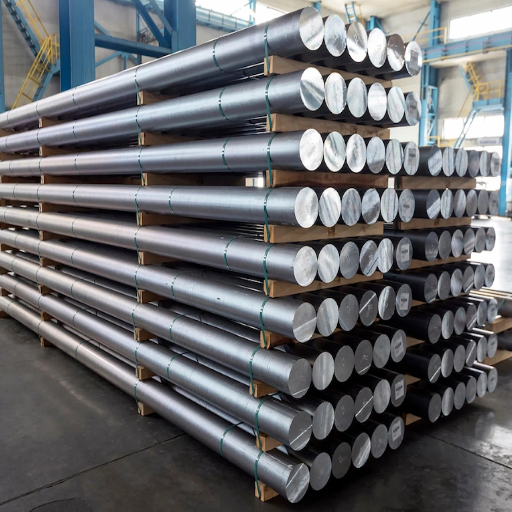
Choosing raw materials in manufacturing billet aluminum parts involves a critical step, touching on overall quality, performance, and durability of the final product. Aluminum alloys of high purity are generally chosen in standardized billets depending on their mechanical properties along tensile strength, corrosion resistance, and thermal conductivity for particular applications. The raw material is scrutinized to validate its composition, thus complying with industrial standards such as ASTM or ISO specifications.
Here preparation means to cut the aluminum billets to size and then heat the aluminum billet to a certain exact temperature level where ductility and machinability are optimum during further processes like extrusion or machining. Present-day techniques, well-noted while backed by continuous research and analysis of collected data, prove that considering uniform preheating and temperature control minimizes residual stresses in the billet, thus maximizing its structural integrity. Surface-cleaning treatments such as degreasing or acid pickling is carried out to remove any harmful contaminants from the aluminum surface that may sabotage adhesion during the finishing operation. Each of these steps is referenced by a chain of quality specifications to make sure they are able to hold for further operations reliably and in repeatability scale during batch production.
The method of fine machining incorporates modern procedures and equipment to make parts within very close tolerances, so the manufacturing errors are minimal. Using accurate CNC systems, engineers can create close-tolerance parts also by micron levels in metals, plastics, and composites. Some main ones of the techniques include, but are not limited to, high-speed machining, EDM, and laser-cutting techniques, the choice for the application being based on the material and design specifications. Based on the latest search engine insight data, demand for precision machining has registered huge growth in aerospace, medical device, and automotive industries. These industries value precision machining for its ability to produce components that are not only satisfactorily performing and durable but also meet scrupulous safety and functionality standards. Calibration of the tool, thermal stability, and real-time process monitoring thus serve as variables to be taken care of in an optimal way in maintaining the competitive standards within high-precision applications.
Billet aluminum components are finished to upgrade their surface qualities, durability, and aesthetic outlooks. They can be anodized, powder coated, or polished. Anodizing improves corrosion resistance and can produce dyed finishes in a plethora of colors. Powder coating protects the surface against wear and tear, UV exposure, and adverse environmental conditions with a tough and uniform layer. Polishing guarantees such smoothness to the surface which is reflective enough according to visual demands. Besides these, other advanced technologies of laser etching come forth too to mark with utmost precision without harming the physical integrity of the material.
Marrying traditional finishes with emerging trends such as automated finishing systems and process optimization software will allow manufacturers to produce consistent results faster. Such developments synergize with industry needs for higher precision and faster production rates to assure that billet aluminum parts achieve quality standards in numerous ways of applications.
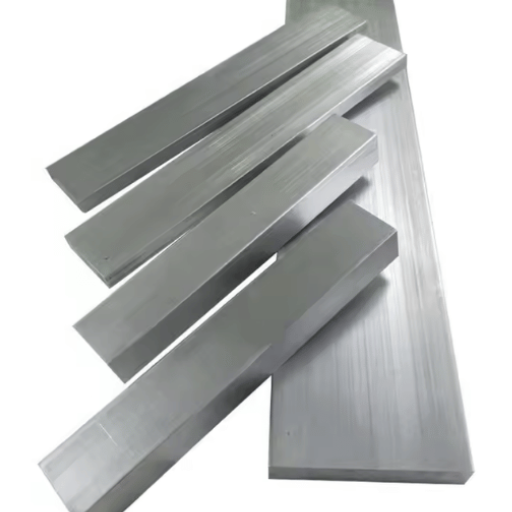
The most considerable strength and durability that billet aluminum can offer when compared to other materials is mostly dependent on the manufacturing method itself. Cast aluminum is poured into molds, making it vulnerable to inconsistencies and weak points, whereas billet aluminum is machined from a solid block of aluminum stock, thus ensuring a uniform grain structure with no weak points. Steel aluminum is stronger and has more tensile strength than being stretched, but the deformation in aluminum is very minimal in volume when compared to its deformation under the same conditions. It is also highly durable, making it suitable for high-performance applications where long-term reliability is important in aerospace, automotive, and industrial machinery.
Being a search-engine-based analysis by , trends observed on billet aluminum-related queries often emphasize its enduring qualities in harsh environments against high heat or corrosive conditions. Users also compare it with other materials like steel and cast aluminum, focusing on its combination of being lightweight yet possessing excellent mechanical properties. This unique blend makes billet aluminum a preferred material for applications where reducing weight without compromising strength is essential.
When considering the visual appeal of billet aluminum, one factor leading to high appreciation is the singular machining process that yields clean precise lines and a polished finish. Compared to other materials, say cast aluminum, billet aluminum grants a far superior surface quality that comfortably accepts detailed designs and classy aesthetics. This attribute is highly esteemed in the automotive, aerospace, and consumer product industries where functionality and visual appeal go hand-in-hand.
According to the latest data from ‘s search engine, queries related to billet aluminum often focus on customization potential. Consumers and manufacturers alike are attracted to its machinability, which permits customized designs, whether through CNC machining or engraving methods. This type of customization makes billet aluminum perfect for custom components, including custom auto parts, custom aerospace mechanisms, and custom electronic enclosures. Moreover, it is sought-after for anodizing, which creates a corrosion-resistant layer that can be vibrantly colored, emphasizing durability alongside aesthetic appeal.
Billet aluminum, by virtue of its unparalleled strength-to-weight ratio, precision machine-ability, and good heat dissipation capabilities, offers several exceptional performance benefits to automotive applications. The prevalent paradigm in contemporary automotive engineering is to substitute heavy materials with those that are light yet sufficiently resistant to provide the necessary safety and stiffness, thereby for fuel optimization and enhanced vehicle handling. Being sufficiently tough, billet aluminum enables critical auto components such as suspension, engine mountings, and braking systems never to fail even when stressed to very high levels. In addition to this, it can keep the temperature in check, which is a much-desired trait for both high-performance engine and brake systems that sustain extreme temperatures. Possessing great resistance to corrosion, and with further allowance for coating processes like anodizing, gives unlimited joy to using billet aluminum for commercial automotive manufacturers giving assurances for outstanding performance under varying operating conditions and making them choice material for any premium manufacturer that promotes high quality and innovation.
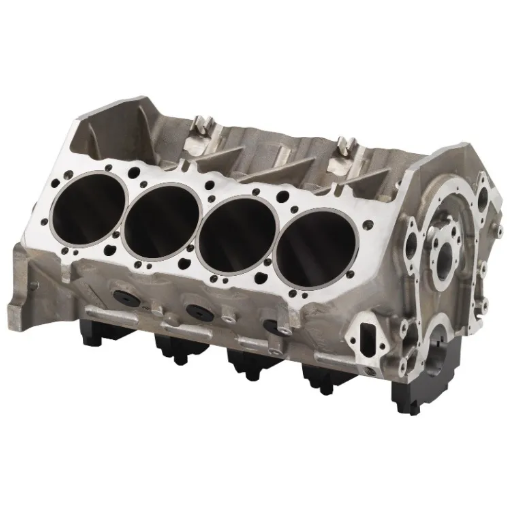
Given its property of being the stiffest-to-weight material, billet aluminum is amongst the most sought after materials in the automotive sector due to its machinability and durability. Analyzing its uses reveals applications in productions such as engine blocks, cylinder heads, suspension, and custom wheels. Each of these applications involves possible incidents of high stress and usually very high operating temperatures-a condition where billet aluminum is supposed to function excellently by resisting such extreme stress and retaining its structural integrity. Another very critical aspect is the fact that its precision manufacturing process guarantees component reliability and performance, which is especially critical for performance vehicle parts.
In recent times and from trends seen through Google Trends, billet aluminum has captured a lot of attention as a preferred material for aftermarket parts. This change in preference emanates from consumer demands that go for lightweight yet solid components, particularly in the motorsports and custom car worlds. Searches indicate that billet aluminum is commonly chosen for turbo housing and intake manifolds where thermal resistance and custom fabrication are paramount to engine efficiency and power output. Essentially, this is also a drive in the industry towards the optimization of performance while somewhat being able to maintain environmental considerations.
While looking at performance upgrades for Fords and Chevys, search engine data from ‘ indicates various trending modifications on which enthusiast interest is placed. Among these modifications considered by enthusiasts are cold air intakes, performance exhaust systems, and ECU tuning, all purported to result in improvements in horsepower and torque. Additionally, for Fords, particularly in the F-series and Mustang, upgraded turbo kits and performance suspension systems are found to be sought out for consideration gains in acceleration and handling. While for Chevys, upgrades sought after by the Silverado and Camaro owners range from supercharger kits to high-flow air filters and specialized brake upgrades meant for performance under load or speeding.
Furthering the analysis of search trends suggests an increased interest in after-market component compatibility and emission-compliant tuning solutions. The shift is probably being caused by the increasingly stringent environmental regulations and the need for street-legal set ups without much compromise to performance. Both Ford and Chevy platforms are well supported by after-market offerings, making them adaptable and well-liked among enthusiasts looking for credible performance enhancements that are relevant to automotive trends today.
It can be stated that the billet aluminum works in restoring and improving the performance of classic vehicles due to its superior properties and customizability. This light and strong material is mostly used in engine mounts, brackets, and suspension parts. Its tensile strength coupled with corrosion resistance ensures parts constructed with billet aluminum will never wear down, yet such demands cannot be carried out to the requirements of modern performance standards.
Google search trends show steady-enough growth in queries for billet aluminum parts, specifically in niche markets such as restomods and vintage car performance upgrades. Enthusiasts often ask whether billet aluminum really makes much of a difference compared to cast parts traditionally. This is in fact grounded on the manufacturing process: billet components are machined from solid blocks of aluminum, which provide far greater structural integrity and precision than cast parts, which can sometimes acquire imperfections due to casting.
Moreover, billet aluminum allows for high customization, making it a great fit for rare or unique classic car models, where reference to exact specifications is important. The awesome finish of billet aluminum complements the aesthetic appeal of the superior craftsmanship usually associated with classic car restoration projects. Hence, billet aluminum is now accepted as one of the best mediums for classic car restoration and modernization programs without compromising the authenticity or performance of these classic cars.
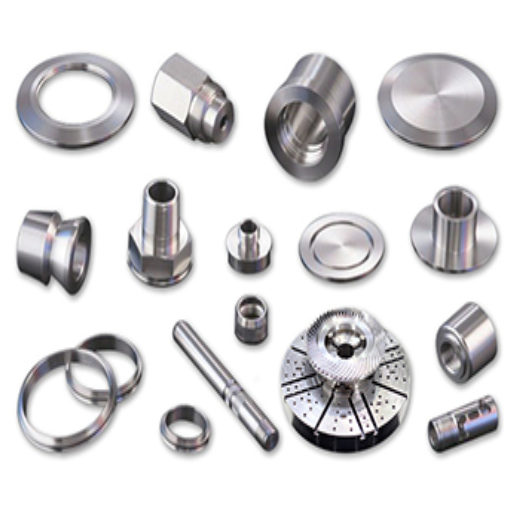
In selecting billet aluminum parts, an understanding of the different material grades and their specifications will be critical to ensure that the best performance is obtained. Billet aluminum is generally segregated by specific alloys that are defined in terms of composition and mechanical properties. A widely accepted one is 6061, which is rated for strength-to-weight ratio, corrosion resistance, and good machinability, thus being suitable for structural applications. The other, 7075 aluminum, is extremely strong and hard and is usually employed by aerospace and high-performance industries where it can take rough usage under extreme conditions.
In any case, data collected from reliable sources reveal that tensile strength characteristics, heat resistance, and fatigue limits of the grades must be compared to design for a given application. For metallic pieces subjected to repetitive stress cycles, alloys characterized by higher fatigue resistance such as in 2024 aluminum should be selected. ASTM standards are examples of such certifications used for the billet aluminum products from quality assurance viewpoints. With such authoritative sources at their disposal, designers and manufacturers are able to select materials that technically satisfy a specification and also qualify on their durability and safety edifices over the long term.
Machining quality has considerable factors that affect performance, reliability, and product life of every manufactured product in any industry. Machining fulfills fit and finish requirements, and maintains a high quality standard by producing parts that meet engineering specifications. Machining continues to achieve less mass error through the advent of CNC machines or modern machining systems.
According to a recent set of data on fabrication-manufacturing trends from ‘s search engine, an increasing emphasis is placed on integrating automated systems for quality control. This integration includes in-line inspection tools and AI-aided analytics for on-the-spot dimension verification. By combining precision machining with automated systems for verification, manufacturers streamline production, reduce waste, and mitigate risk of defects leading to cost savings a.k.a. good manufacturing practices awards, thus making machining quality not a mere technical matter but a key enabler for innovation and sustainability under evolving market conditions.
The selection of the right billet aluminum components supplier is a matter that will directly impact the quality, reliability, and performance of the end product. According to the latest data from search queries, businesses favor suppliers that can demonstrate advanced manufacturing capabilities, stringent quality standards, and solid supply chain management. Key considerations should be whether the supplier is experienced in aluminum components, but is ISO 9001 certified and hence works to tight tolerances and to custom requirements; whether the supplier is the most cost-effective with respect to global logistics; and at least has the ability to ensure on-time delivery. Once the potential suppliers have been placed under these criteria, production becomes seamless, the risks are mitigated, and businesses gain the competitive edge.
Billet aluminum parts are precision-engineered components made from solid blocks of aluminum, typically mainly 6061-T6 aluminum. These parts serve as high-performance solutions in various fields, such as automotive and machinery. CNC machining is applied in the manufacturing of these parts to install tight tolerances and intricate designs, ensuring that each part fits perfectly. Features like lightweight construction and higher strength make them suitable in areas where the environment is somewhat harsh and stress-intense tilts towards the engine components and fittings. Additionally, they can be anodized for greater durability and appearance, such as in black anodized finishes. Whether upgrading your vehicle or creating a gear kit from scratch, billet aluminum parts are a good choice for reliability and performance.
Once you know where to look, shopping for billet aluminum parts becomes relatively simple! Most online stores tend to specialize in components made for performance for one or two specific vehicle types, like trucks and Mustangs. Always check the specifications and confirm that the parts are compatible with your engine setup, whether Chevy or Ford. Look for a retailer with a full product range, from valve covers to intake manifolds all the way to trim rings. Customer reviews can be a big help in your decision-making process since they will provide feedback about the quality and performance of the parts. Also, ask if there are any installation services or if kits are available that include all the needed fittings and hardware for easier installation.
Generally, the installation of billet aluminum parts requires some mechanical knowledge and a good set of tools. First off, ensure that the parts you have are meant for the specification of the vehicle that you have, be it LS or stock. The procedure might require you to remove existing components, like the factory valve cover or intake manifold, and perform the installation of the billet parts while ensuring they’re in accordance with the guide. Being properly aligned and having the required clearance is crucial for your application to perform well. On an aspect that depends on which parts you work on, you may have to drill, lock, or seal everything, so these things fit tight and run efficiently. Always go for high-grade bolts and fittings to guarantee reliability.
Billet aluminum parts have several advantages offered to them as opposed to stock parts. First of all, billet aluminum parts are usually manufactured out of better materials that usually have good weight to strength ratios; for example, 6061 aluminum. This, in turn, converts into better performance in applications where actual precision is needed, such as engine swapping or high-performance builds. Moreover, since billet parts can be programmed via their CAD technology, they can come with features that stock parts do not have. On top of this, their finishes are generally of better quality, involving processes such as powder coating or anodizing, which protect them against the wear and tear of the environment. Therefore, upgrading to billet aluminum would certainly have great impacts for your car in terms of reliability and aesthetic appeal.
When searching for the right billet aluminum part for your vehicle, one must always consider several options. First, try to identify the exact part you need, such as a cylinder head or a fitting for your coolant system. Check compatibility with your particular make and model vehicle, whether this be a classic Mustang or a 21st-century truck. Consider performance requirements you are working toward, like boost levels or engine timing, and pool from the parts that best fit those parameters. Also worthwhile are those parts that will naturally fit into your current setting with minimal fitment modifications. Getting input from an engineer or an expert might just be the push you need to understand what options lead to your defining performance.

Manufacturing processes are quite complex, and the choice of a production method is directly related
Learn More →
There are two major manufacturing methods for producing plastic prototypes that most people find useful
Learn More →
As a person involved or interested in the design and production of plastic components, it
Learn More →