

Manufacturing processes are quite complex, and the choice of a production method is directly related
Learn More →
This is a versatile material, owing to its incomparable strength-to-weight ratio, corrosion resistance, and complete recyclability; it is an obvious choice for manufacturers who aim to produce efficient and eco-friendly solutions. To comprehend the aluminum fabrication scheme in full means beginning at the stage where raw aluminum is transformed into workable-grade capable of being made into precise, durable, and functional end products. The article shall take you through the intricacies of the aluminum fabrication processes, the relevance of aluminum in modern manufacturing, and its crucial role in revitalizing industries through innovation. Be it a professional requiring that info or a mere curious-in-wellness extras about the post-advanced manufacturing lands, this complete examination benefits with all the valuable ideas about aluminum fabrication.
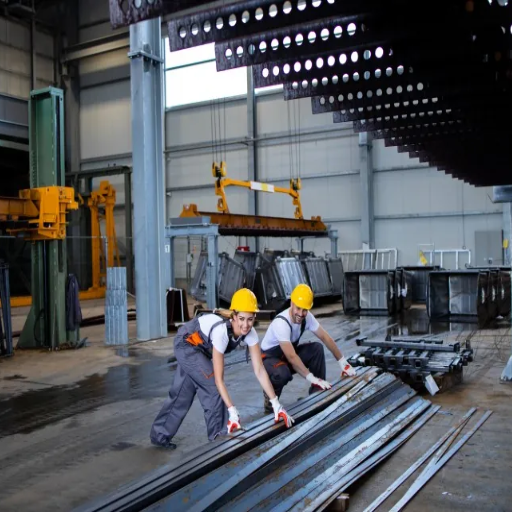
Aluminum is an integral part of the aerospace industry with a high strength-to-weight ratio, corrosion resistance, and good range of manufacturing processes. Increasingly, aluminum alloys are used in aircraft because of the structural strength they provide while simultaneously saving on weight. Of course, the Boeing 747, one of the most famous commercial aircraft, contains approximately 147,000 pounds of aluminum, which accounts for nearly 80% of the empty weight of the aircraft.
Advanced Alloys: Continuing advancements in material sciences permitted the development of high aluminum alloys such as 7075 and 2024, which possess greater strength and resistance to fatigue, rendering them suitable for critical components such as fuselage frames, wings, and landing gear assemblies. Aluminum can also endure extreme temperature conditions without any loss in its structural properties, thereby forming an excellent candidate for aerospace engineering even in spacecraft engineering.
Being an environmentally friendly choice, aluminum has aided in making jet and space travel more fuel-efficient. Lightweight structures that utilize aluminum reduce drag, providing designers with increased levels of energy efficiency and a clear reduction in carbon emissions. These considerations emphasize the absolute excellence that aluminum fulfills in meeting the demanding performance and environmental specifications of the aviation industry.
The use of aluminum has revolutionized automotive manufacturing in vehicle design and performance to adhere to industry standards and customer expectations. Recent data shows a decrease in vehicle weight by almost 40% upon increasing the use of aluminum in componentry, furthering fuel efficiency and lowering greenhouse gas emissions. Lightweight aluminum-intensive body structures further contribute to dynamism, with good acceleration, handling, and braking without compromising crash safety performance. On top of that, the continued development of aluminum alloys has allowed manufacturers to fabricate components with a better strength-to-weight ratio, thus fulfilling the requirement of a new generation of electric vehicles (EVs). Market reports and search trends suggest that aluminum’s rise in importance has been fostered by the mounting awareness of sustainability and governmental fuel economy standards, thus cementing aluminum’s place as an essential building block in evolving automotive bodies.
In recent years, aluminum alloys have the application fields in construction and consumer goods further widened out because environment-friendly, multi-functional, and lightweight solutions are desired. Data from ‘ search engine show the bigger and bigger interest related to aluminum applications for sustainable building practices and lightweight consumer product designs. This trend is consistent with the increasing demand for environmentally friendly materials that bear less weight on the environment without compromising on application.
Aluminum is used for façades, roofs, and structural components because of its high corrosion resistance and recyclability.
Aluminum is employed for producing lightweight electronics, kitchen appliances, and food packaging that fulfill functional and aesthetic requirements.
Analysis of the search data reiterates that aluminum is at the core of innovation in both industries while also posing environmental and economic challenges.
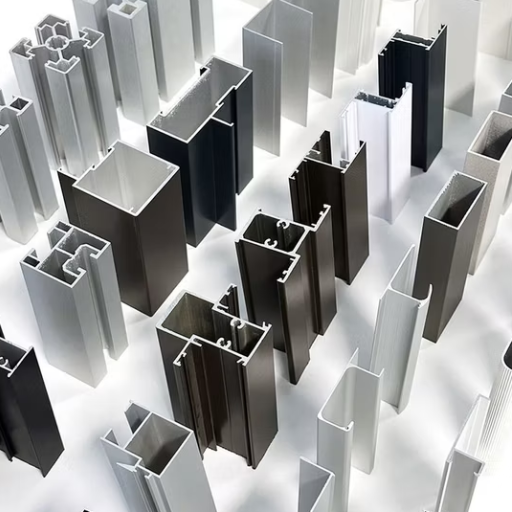
Aluminum’s corrosion resistance and durability are among its major attributes, which, on many occasions, make it superior to its counterparts. These include applications where the first major criteria are the maintenance of a lifetime with little or no inspection or maintenance. Its natural oxide film acts as a very good barrier due to which corrosion cannot easily occur if environmental factors, such as moisture, air, and certain chemicals attack it.
Market Insight: Search trends from ‘ indicate that there is an increased demand for information regarding aluminum performance in extreme environments or marine or industrial uses. Such queries possibly point to a growing recognition of the ability of aluminum to withstand harsh conditions with structural degradation minimally occurring over time.
Coupled with being a lightweight metal, aluminum becomes a highly sustainable industrial choice, especially in industries such as automotive, aerospace, and construction. This data-driven view supports the growing reliance on aluminum for developing durable and environmentally friendly solutions.
Aluminum is famed for almost over 75 percent of all aluminum to have been produced and still in use because of its capability of retaining properties when recycled many times. ‘s search engine data asserts that recycling aluminum requires up to 95 percent less energy than primary aluminum production and seriously reduces greenhouse-gas emissions.
Sustainability Impact: 95% less energy required for recycling vs. primary production
That, consequently, makes aluminum one of the essential materials for building circular economies as global industries pursue net-zero carbon goals. Its sustainability is further fostered by its ability to be recycled infinitely without degradation of quality, hence embedding it into the reduced footprints in auto, building, and consumer packaging alumina sectors.
Aluminum’s attractiveness combined with high technical versatility makes it a favorite across several industries. Its natural silvery appearance has a crisp modern look, and it is nicely complemented by advanced treatments such as anodizing or powder coating, which offer a full range of color possibilities and gloss levels, as well as texture.
These treatments are ideally suited for architectural designs along with state-of-the-art consumer electronics and designer-grade furniture. Furthermore, aluminum has inherent ductility and relatively low weight, enabling manufacturers to produce complex custom shapes without compromising solid strength and durability.
Trending Applications: According to recent search trends noted through ‘s data, there has been an increase in queries related to “decorative aluminum uses,” as well as “custom aluminum finishes.” This trend further cements aluminum’s status not only as an engineering material but also as an actor on the modern design stage.
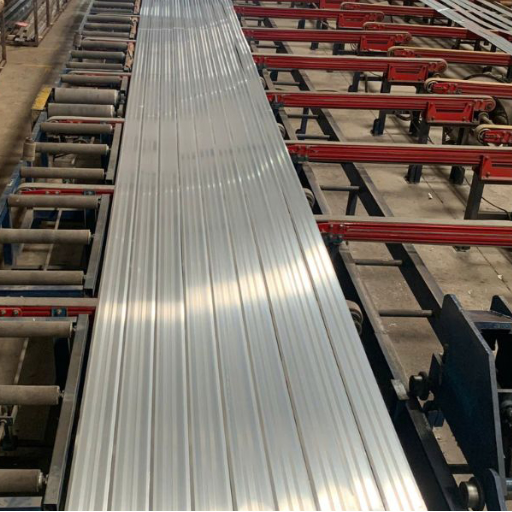
Cutting and bending form a set of very fundamental methods in aluminum fabrication. These processes serve the purpose of modifying aluminum sheets, or extrusions, to shapes and sizes suitable for a variety of applications. Cutting methods involving laser-cutting, plasma-cutting, or CNC machining provide high precision and minimize material wastage. On the other hand, bending is required for creating complex angles and curves without sacrificing the strength of the formed piece.
Market Alignment: When considering these processes alongside recent search trends from ‘s data, for instance, queries have increased for “custom aluminum finishes” or “decorative aluminum uses”, which verify that these techniques, alongside industrial engineering concerns, are being addressed with an eye toward fulfílling the growth in demand for custom aesthetic design. Thus, this alignment highlights that the consumer pulls development in fabrication technology, lead very much into development in several sectors.
Welding processes for aluminum include special methods due to the special characteristics of the metal such as its high thermal conductivity and high tendency to distortion. The common welding processes are TIG (Gas Tungsten Arc) welding that can provide high control and is suitable for thin aluminum sheets and MIG (Gas Metal Arc) welding which is fast and suits thick aluminum profiles. Also newer welding techniques like friction stir weld, which welds through a rotating tool without melting the aluminum, have been used for manufacturing high strength bonds, chiefly in aerospace and automotive industries.
High control, suitable for thin aluminum sheets
Fast process, suits thick aluminum profiles
Rotating tool, no melting, high-strength bonds
Analyzing recent search data puts keywords such as “best welding methods for aluminum” and “innovative aluminum welding techniques” high on increased interest by professionals and amateurs on seeking the best process. This trend speaks loud to the fact that aluminum is gaining versatility and demand in custom and functional applications. Fabricators uses these advanced welding techniques to retain structurally sound and aesthetically finished outputs that align themselves with evolving-for-consumer and industry standards.
Aluminum extrusion serves an important role in the present-day manufacturing scenario by affording a very lightweight yet durable and cheap solution to the various industries. It is a process that basically forces aluminum alloy through a die to form objects having a definite cross-sectional profile, hence enabling the production of complex parts with high precision.
Technology Advancement: Data coming through from ‘s search engine reflects an increasing fascination with the optimization of extrusion techniques that include the utilization of advanced alloys and automated extrusion processes. These processes ensure maximum efficiency and result in least material wastage and highest product quality.
Aluminum extrusion finds use in industries, that is, automotive, aerospace, and construction, in the form of structural components, heat sinks, and lightweight frameworks. Aluminum extrusion continues to act as one of the important methods for the fulfillment of modern manufacturing demands while keeping its standpoint on environmental and technological parameters, for good.
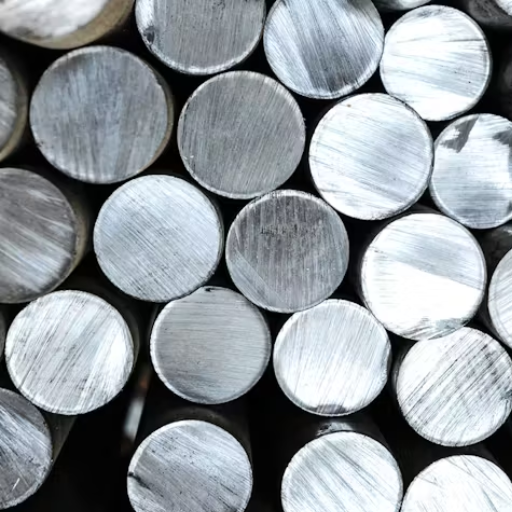
Recent advances in automation and technology have created significant modernization and streamlining of the aluminum fabrication industry. Current extrusion and fabrication plants utilize robotics and CNC systems to enable extrusion and fabrication on a precise, repeatable, and rapid scale. Machine learning algorithms and data analytics optimize and forecast when maintenance should be performed in order to reduce downtime. Further, monitors ensure good quality during maintenance operations. By increasing production capabilities, the use of such technology decreases the waste of material and energy consumption energy, which conform to the very objectives of the aluminum industry in their pursuit.
Using data derived from a reputable search engine, one common query is, “How does automation benefit sustainability in aluminum fabrication?” It benefits sustainability by minimizing material wastage through human-error reduction and maximum resource utilization, whereas smart energy management systems optimize energy consumption during the extrusion processes. Thus, from an aluminum fabrication viewpoint, these benefits correspond to reducing the carbon footprint mentioned earlier and from another perspective, reaffirming aluminum as a green material in the modern industries.
Automation technologies lie at the heart of sustainability in aluminum fabrication. According to recent analysis, integrating robotics and AI-powered systems in aluminum production lines can reduce energy consumption by up to 30% because these systems operate with the minimization of idle times and maximization of operational efficiency. Moreover, predictive maintenance prevents machine crash and makes the replacement of spare parts less frequent, thus reducing industrial waste.
Up to 30% reduction in energy consumption through AI-powered systems and optimized operational efficiency
Recycling scrap aluminum with little energy loss after 5% of the primary aluminum production
Furthermore, another recent major transformation is the application of closed-loop recycling systems, which recycle scrap aluminum with little energy loss after 5% of the primary aluminum. These innovative approaches ensure that the environment is preserved, in line with increasing global demand for sustainable and circular production paradigms across various industrial sectors.
These developments affirm aluminum’s ability to really be sustainable and place aluminum as a primary component in industries tasked with Environmental regulations and carbon-reduction goals.
Advancements in aluminum alloy development emphasize increasing the performance and facilitation of sustainability. One major advancement happened with advanced additive manufacturing processes such as 3D printing via aluminum powder. These methods allow for the manufacture of highly complex lightweight structures with high strength-to-weight ratios, thus attracting utmost interest for aerospace and automotive applications. In parallel, there have been developments in the realms of high-entropy aluminum-based alloys that possess far better thermal stability and mechanical behavior than conventional aluminum alloys.
With nanotechnology implemented into production processes, these inventions have paved the route toward manufacturing nanostructured aluminum alloys whereby the introduction of nano-particles greatly improves properties like strength and ductility and corrosion resistance, which are crucial to materials used in harsher environment conditions.
These innovations go hand in hand with new recycling technologies which allow the production of secondary aluminum alloys of high quality while consuming the least amount of energy, thus directly contributing to circular economy initiatives.
According to data, market demand for these types of innovations is pulled by industries looking for materials that are lighter, stronger, and more sustainable to fulfill regulation and consumer expectation. These innovations signify aluminum fighting to become next-generation solutions’ versatile, eco-friendly-material candidate.
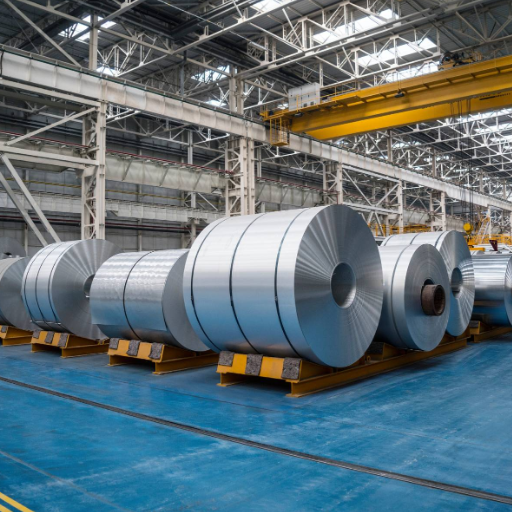
Globally, aluminum is one of the most recyclable materials, and it is said that around 75% of all aluminum ever produced is still in use today. It is recyclable since it can be melted and reshaped without losing its inherent properties, and thus can be reused indefinitely. The current research reports show that recycling aluminum requires up to 95% less energy than manufacturing it out of ore, greatly curtailing greenhouse gas emission. On the other hand, recycling reduces landfill wastes and shrinks bauxite mining activities, which generally cause environmental disturbance.
Still in use today
Less energy required
Infinite recyclability
The economic growth provided by aluminum recycling is as important as its environmental implications. Recycling aluminum to meet the growing market demand for truly sustainable materials also reduces cost of production and hence ensure future supply. Recent statistics indicate that the rise of consumer awareness and regulatory pressures force industries to scale up their aluminum recycling practices. This thus makes aluminum remain a crucial component of sustainable product design, especially in automotive, aerospace, and packaging sectors where lightweight, tough, and environmentally friendly materials are greatly sought after.
Owing to increased awareness of climate change and the environment for sustainable production standards, industries worldwide have been meditating conversion into greener production methods. Specifically, green aluminum production might involve schemes for supplying hydraulic or solar energy to smelting processes to cut down on carbon emissions. The new emergence of inert anode technology also appears to curtail the emission of greenhouse gases in aluminum production.
Innovation Impact: Meanwhile, the establishment of closed-loop recycling systems has contributed to the reduction of raw material extraction and waste generation, with data showing energy savings of about 95 percent when aluminum is produced from recycled materials versus from primary raw materials. These initiatives, aroused by industrial innovation coupled with consumer demand for green products, cement the foothold for an envisaged low-carbon economy.
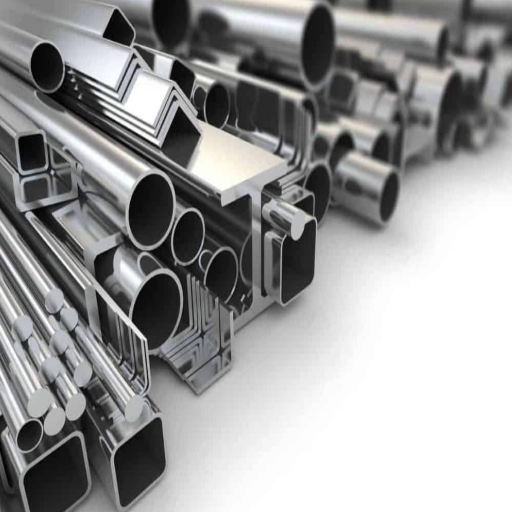
Where aluminum fabrication is concerned, quality and industry experience must be ensured in the realization of best results. Good fabrications assure durability, precision, and compliance with industry standards, whereas it is particularly important for aerospace, construction, and automotive industries. According to the latest search engine data, a top fabrication company would probably show credentials like ISO certifications, some client testimonials, or some case studies where they have excelled. Also, most providers with experience tend to use the latest technology, such as CNC machining and laser cutting, for the custom solutions they provide. In order to find the right partners for your aluminum fabrication work, some basic steps to follow would be to review their portfolio and also assess how comfortable they are working on projects such as yours.
Certifications ensure quality, reliability, and conformance of fabrication service. Industry-level certification such as ISO 9001 lays emphasis on quality management, while AS9100 may provide an example for aerospace applications, and both set a bar for which the provider claims to observe stringent standards in their process and output. All certifications assure precision and consistency and also show accountability in meeting the requirements-regulatory or customer-specific. Moreover, certifications such as that of complying with AWS (American Welding Society) for welding operators turn up evidence of an operator’s technical competency, thereby promoting safety and structural integrity of the fabricated parts.
Quality Management Systems
Aerospace Applications
Welding Competency
Environmental Management
Increasingly, because of the growing concern on sustainability and environmental compliance, consumers tend to choose for certified providers according to recent data from the search engine of. There are certain standards ISO 14001 for instance related to environmental management are becoming a necessity as industries consider their reduction in ecological footprint. Having certifications equate to an added advantage, fostering trust especially where aerospace, automotive, and medical are concerned, failures of which might cause grave consequence in not meeting exact specifications. Therefore, certified fabrication services carry less risk and give increased efficiency to lead to better outcomes on the whole.
Aluminum is a lightweight material that uncouples corrosion and has good thermal and electrical conductivity. Choice of the alloy is essential since properties like strength, ductility, and machinability vary with various aluminum grades. For instance, 6061 aluminum is a best-all-rounder choice for build-up, while 7075 is almost considered the best in strength for aerospace applications.
In initiating the custom fabrication project, close attention to design details should be made to facilitate manufacture. Design for manufacturability by featuring things such as clean welding lines, avoid unnecessary complexities, and tolerance levels suitable for aluminum’s properties.
The latest approaches in modern fabrication technologies, such as CNC machining, laser cutting, and robot welding, improve high precision, repeatability. When modern technology is employed, it goes a long way in reducing wastage of material, ensuring high accuracy, and smooth production workflow, especially for projects that involve real tight tolerance.
It will go a long way to get post-fabrication treatments on the aluminum structures. It was further treated with anodizing or powder coating for needed durability and beautification. Anodizing treatment will increase the corrosion resistance and hardness of the aluminum components, while powder coating treatment provides color options and finishes that best fit the project requirements.
Partnering with highly experienced fabricators’ providers gives technical expertise and industry best practices benefit to your project. Give preference to partners that hold an ISO 9001 or AS9100 certification, as this means they are committed to quality and working to strict standards.
Green up on scenic views of being collaborative aluminum fabrication being one that embraces environmental concerns. Recycling scrap metal and renewable energy sources in production, and waste minimization are considered.
Project Success: By adapting these design considerations and the contemporary market data analysis, project managers can turn out well-fabricated aluminum components meeting functional, economic, and environmental objectives. Paramount is planning and execution for achieving either aerospace innovation or consumer product plotting.
Aluminum CNC Machining Service
This study explores the use of aluminium in metal matrix composites, providing insights into its applications and fabrication techniques.
This research focuses on the incorporation of AlN particulates into aluminium melts, offering detailed analysis of aluminium fabrication processes.
This paper discusses high-quality aluminium fabrication techniques for nuclear applications, including welding and preheating methods to reduce porosity and distortion.

Manufacturing processes are quite complex, and the choice of a production method is directly related
Learn More →
There are two major manufacturing methods for producing plastic prototypes that most people find useful
Learn More →
As a person involved or interested in the design and production of plastic components, it
Learn More →