

Manufacturing processes are quite complex, and the choice of a production method is directly related
Learn More →
Understanding the differences between titanium and stainless steel is important for making informed decisions for industries from aerospace to consumer goods. How these materials are compared usually revolves around strength, durability, and versatility; however, each possesses certain characteristics that make it suitable for different purposes. In this blog post, we will discuss the difference between titanium and stainless steel focusing on matters such as weight, resistance to corrosion, and cost factors among others. This information will also be useful to engineers, designers, and consumers that are looking for the most effective solution.
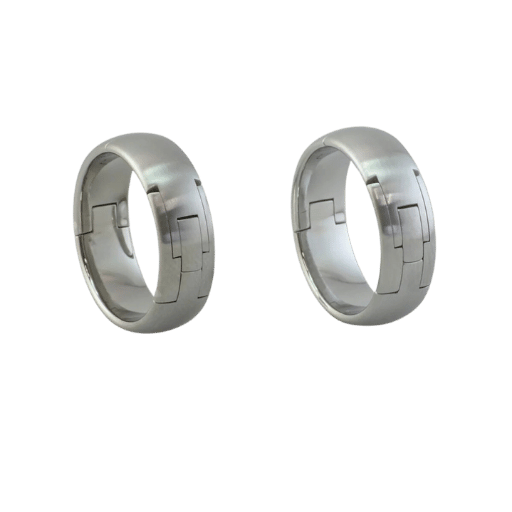
Considered one of the best alloys, titanium is much stronger than steel and significantly lighter. Alongside that, titanium does not rust even in acidic environments surpassing the corrosion resistance of normal stainless steel. In addition, titanium is biocompatable, meaning it is non toxic and can be used for implants and is also proficient in enduring extreme temperatures. Due to having all these specialties, titanium is highly sought after and is widely used in various industries. Further, because of the raw coating it oxidizes to in the environment, it is biocompatible and corrosion resistant, giving it great utility for a plethora of aircraft and medical applications. Great strength, biocompatibility, and corrosion resistance are the tips of the iceapberg for titanium.
Using various metals and combining them always results in a manganese which has specific properties, and steel is a great example of this. Steel, for instance, is predominantly made out of Iron, Carbon, and a few other metals. As far as I am concerned, the specially plated Carbon steals the show when it comes to determining how ductile, strong, or even hard the steel is. Due to this flexibility in the carbon ratio, steel can be tailored for any application such as construction, automobiles, or tools. Because of its immense strength, alongside with its low cost of production it is no surprise that steel is one of the most widely used metals in the world.
Knowing these differences allows the selection of materials to be more closely tailored to the needs of the application.
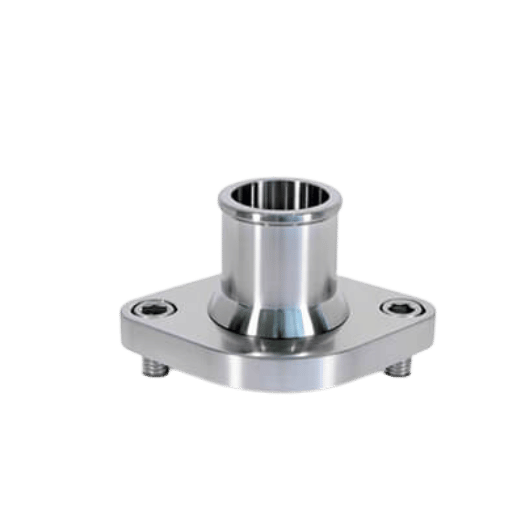
Titanium enjoys great fame for its corrosion resistance, which can be attributed to an oxide layer that forms on titanium’s surface. This feature of titanium literally sets it apart among metals. The oxide layer acts as a coating that assists in the prevention of corrosion from seawater, chlorine, and most acids. Because of this, titanium is useful for marine engineering components, medical implants, and chemical processing equipment. This means that titanium is exposed to a variety of conditions usage components and is appreciated for being lightweight too. In addition, titanium’s resistance to pitting and stress corrosion allows it to be more effective and dependable in extreme cases.
Chromium is primarily responsible for protecting stainless steel from future corrosion. With the presence of oxygen, chromium reacts and oxidizes to form a passive protective layer of chromium oxide on the surface of stainless steel. The film that is formed will prevent further oxidation and protect the stainless steel from rusting or other forms of damages. The strength of corrosion protection depends on the alloy composition since it is oxygen dependent as well. Higher amounts of chromium alongside molybdenum or nickel would provide better corrosion resistance in highly aggressive conditions. Stainless steel is preferred in construction, food processing, and pharmaceutical industries because it is very effective for corrosion protection in moist or acidic environments. Corrosion protection is also achievable through regular maintenance along with proper alloy selection for different environments.
When determining how long titanium and stainless steel can last, factors like the environmental conditions, the intended use, and the type of alloy need to be considered. Titanium is very renowned for its lengthy longevity due to its strong strength to weight ratio alongside its high corrosion resistance in marine and highly acidic environments. This makes it suitable for use in harsh conditions such the aerospace field, medicine, and marine applications.
Stainless steel, however, displays considerable endurance in various industrial applications, especially when alloyed with chromium, nickel, or molybdenum. Although stainless steel has a lower strength-to-weight ratio and corrosion resistance compared to titanium, it has excellent abrasion resistance and can endure significant structural loading.
In the end, while titanium may outperform in longevity in extreme conditions because of its outstanding corrosion resistance, and resilience, stainless steel is a more practical material in many other applications because of its cost-effectiveness and superior mechanical properties. A thoughtful analysis of the environment and material characteristics needed shapes the optimal selection.
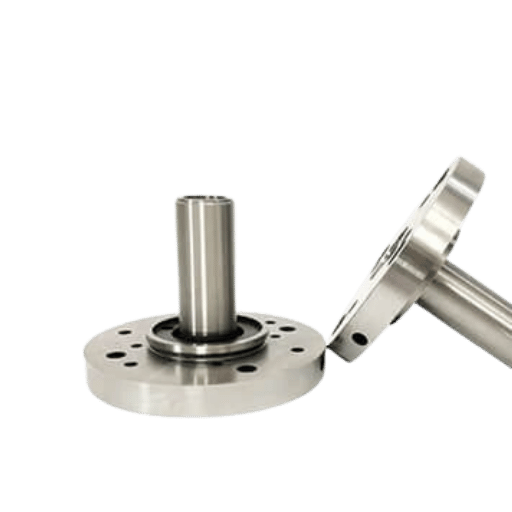
Yes, titanium is significantly lighter than steel. The average titanium weighs 4.5 g/cmᶾ while steel weighs 7.8 g/cmᶾ. That means titanium is about 40 to 45 percent lighther than steel. Because of these properties titanium can provide a comparable height value of steel while at the same time lowering weight drastically. This is particularly important for aerospace, automotive, and sports equipment where every ounce matters. In addition to being lighter, titanium has excellent mechanical properties which makes it durable and reliable in harsh conditions.
One of the major aspects of aluminum and titanium comparison is working temperature are steel is and titanium is stronger than steel in some applications. Titanum is stronger than steel and therefore has a better strength to weight ratio. Moreover, this particular trait renders titanium more beneficial in cases in which the reduction of weight is vital, but the firmness of the material must be preserved. On the other hand, it is a lot more weaker when compared to steel which is stronger bearing many conditions. While the absolute strength of steel is greater than titanium, steel is heavier and thus its practicality is limited in weight sensitive industries.

Based on the material characteristics of titanium, it is significantly stronger on a per-weight basis. This is due to the fact that titanium can handle an average amount of force without breaking but has a much lower density than steel. This feature alone gives titanium the ability to resist deformation and fatigue under stress exceptionally well. On top of that, titanium has the ability to withstand corrosion at extreme environments, further improving its durability and long-term performance. For these reasons, titanium is frequently used in industries such as aerospace, medical, and other industries where weight is a critical factor.
Steel yield strength is defined as the stress at which the material is permanently strained. This is not the same for every form and type of steel as the yield strength tendency to change. The most basic carbons steels have a yield strength that ranges from 250 to 400 megapascals (MPa) while high strength alloys such as structural or alloy steels can achieve yield strength of over 700 Mpa. This tolerance range allows steel to serve as a dependable material for construction and automotive tools along with heavy equipment, where steel frames are commonly used.
Both steel and titanium are strong materials; however, their strength is relative and differs from application to application. For instance, titanium is stronger than steel in strength to weight ratio, making it useful in aircraft and other industries where weight is of concern. On the other hand, steel, depending on the grade and alloy, also has higher overall tensile strength and is stronger than titanium. In trying to make a choice between the two, other variables such as weight, corrosion resistance, and cost also come into play since titanium is lighter and more resistant to corrosion, but more expensive than steel.

Titanium has greater benefits over stainless steel. For instance, titanium alloys are preferred over stainless steel in fields where strength, weight, and corrosion resistance matter the most. Reality is, titanium alloys are far more expensive compared to stainless steel, but they are cost-effective in the long run; this would be especially important for industries with multiple support structures. Quality control industries which focus on the performance of advanced materials rely on alloys because of their exceptional strength-per-weight ratio. It’s no wonder titanium dominates the aerospace sector, medical implants industry, and specific automotive parts. Besides being lighter, alloys require less maintenance and perform better over an extended period. Also, unlike stainless steel, titanium is exceptionally resistant to harsh conditions like saltwater and chemical exposure making titanium alloys suitable for those environments too.
There are some applications where stainless steel would outperform titanium alloy stainless steel; that’s the catch-22 everyone is trying to solve. Stainless steel is relatively inexpensive and accessible making it ideal for simple tasks. Provided that some steel types and alloys are designed for harsher conditions, they can compete with titanium over specific conditions and locations.
Nonetheless, stainless steel is much heavier than titanium alloys, making it less suitable for sectors like aerospace and high-performance automotive engineering where weight reduction is critical. Furthermore, while stainless steel is suitable for many applications, it does not perform as well as titanium does under highly aggressive or extreme environments, such as prolonged exposure to saltwater or chemicals.
In the end, the determination of which material to use, comes down to the unique demands of the application. Stainless steel is suitable for projects that are cost sensitive and require reliable materials while titanium is best used for projects that demand lightweight performance coupled with extreme durability.

Stainless steel is ideal for certain applications where strength, moderate corrosion resistance, and cost are important factors. It is used in the fabrication of construction, kitchenware, and medical instruments due to its strength and ease of fabrication. Additionally, stainless steel is also used as industrial equipment materials, such as for storage tanks and piping systems, where its strength and corrosion resistance ensures reliable service life with normal operating conditions.
Exceptionally strong biocompatible titanium alloys are the material of choice in applications which require extreme corrosion resistance, high strength to weight ratio, and biocompatibilty. It is applied in aerospace engineering for parts of aircrafts and spacecrafts due to the low weight demand coupled with high strength. Likewise, titanium also performs very well in the marine environment and in chemical processing equipment because of its resistance to corrosion by salt water and other aggressive media. Moreover, titanium is preferred in the medical field for implants and prosthetics because it is incredibly strong, lightweight, and biocompatible to human tissue.
A: The main distinction lies in the type of metal and its properties. While titanium is a lot costlier and lighter, stainless steel is stronger and more affordable. Additionally, with respect to particular uses, titanium is superior in terms of resistance to corrosion and extreme temperatures.
A: Compared to stainless steel, titanium is lighter as it weighs almost 50 percent less. The aforementioned difference in weight presents a critical aspect in utilizing either titanium or stainless steel for situations where weight reduction is crucial.
A: Titanium grades are referred to as the alloys of titanium available for different applications. Commercially unalloyed pure titanium grades are ideal for high resistance to corrosion while the titanium alloys are reserved for higher strength.
A: The selection between stainless steel and titanium is critical where its weight, strength, cost, and corrosion resistance matter the most. For instance, the aerospace sector would benefit from titanium owing to its low density and high corrosion resistance while construction and kitchen equipment would utilize stainless steel due to its economical nature and strength.
A: It is true that something cannot be stronger than what it is compared with. Thus, steel is generally stronger than titanium. But discussions revolving around titanium and steel tend to put forth the titanium having the better strength-to-weight ratio and the ability to resist corrosion as its upper hand – which it has, regardless of steel dominating in overall strength.
A: Stainless steel is widely accepted because it is, cost wise, the lowest material out in use as well as having considerable strength and high durability. Stainless steel is even easier to fabricate than titanium and easier to weld too. The higher strength of stainless steel means that this metal could be utilized in structural elments as well as heavy machinery.
A: The price of titanium is markedly greater than that of stainless steel because of the unique features that comes with titanium, such as lightweight components, high levels of corrosion resistance, and its ability to be accepted by the human body. In addition, titanium comes with a higher price when compared to stainless steel which is much more common and straightforward to process.
A: One of the main applications of titanium is in the production of aerospace components, medical implants, and corrosion resistant high-end sporting gear. At the same time increase in strength and boast in durability allow the extensive use of stainless steel on buildings, cars, kitchen utensils, and surgical tools.
A: While both titanium and stainless steel boast resistance to corrosive elements, titanium shines when dealing with extreme environments. This characteristic makes titanium ideal for use in aerospace and marine industries. While stainless steel can also deal with corrosion, it doesn’t compare to the resistance offered by titanium.
A: Indeed, there are cases where the use of titanium and stainless steel is not interchangeable. Take medical implants for instance; titanium is favored due to its biocompatibility. Stainless steel, on the other hand, is preferred in structural applications that have a higher consideration for cost versus strength.

Manufacturing processes are quite complex, and the choice of a production method is directly related
Learn More →
There are two major manufacturing methods for producing plastic prototypes that most people find useful
Learn More →
As a person involved or interested in the design and production of plastic components, it
Learn More →