

Manufacturing processes are quite complex, and the choice of a production method is directly related
Learn More →
The lead’s melting point, a fundamental physical characteristic, has been vital in defining its effectiveness across industries for centuries. Understanding this property is essential, whether one looks from the perspective of construction, durable materials, or even technological innovations. This guide will explore the science behind the lead’s melting point, including factors influencing it, its significance for industrial processes, and implications on material performance. It does not matter whether you are a materials engineer, a metallurgical engineering student, or just inquisitive about the properties of this metal; this article aims to enhance your understanding by presenting a detailed and technical overview.
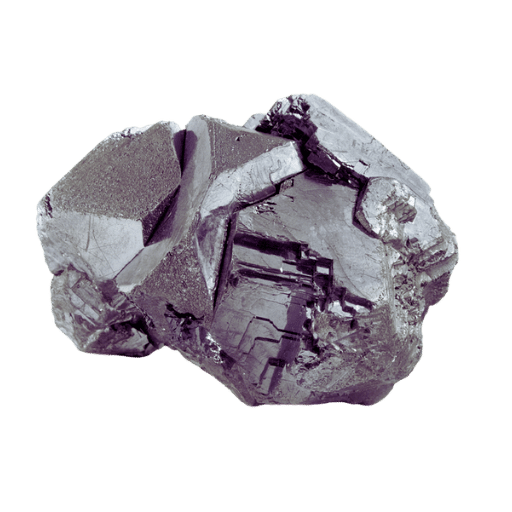
Lead melts at 327.5°C (621.5°F) in standard atmospheric conditions. This relatively low melting point allows lead to be utilized for soldering, casting, and battery manufacturing, unlike other metals with higher melting points.
The melting point of a metal is the temperature at which it changes from solid to liquid, which occurs at a lower temperature for lead than other metals. This always occurs at a set temperature due to the structure of the metal’s atoms and their inter-atomic bonds. However, factors like the metal’s purity and outside conditions such as pressure may change the melting point slightly. Knowing the melting point of the metal is needed to process metals for metallic procedures such as casting, welding, and manufacturing.
Lead has a relatively low melting point of about 327.5 °C (621.5 °F) compared to other metals. In comparison, iron and aluminum have significantly higher melting points of approximately 1,538 °C (2,800 °F) and 660 °C (1,220 °F), respectively. This low melting point makes lead especially advantageous in soldering and casting, where easy melting and fitting are essential. Unfortunately, it is constrained to low-temperature settings with metals needing higher melting points.
The low melting point of lead is due to its atomic structure and weak metallic bonds. The lead atoms are larger and more loosely held together than the other metals with higher melting points. The reasons for this are the atomic attractions, which are very weak. Weak bonding does not require much energy to break, so converting lead from solid to liquid at relatively lower temperatures is easier.
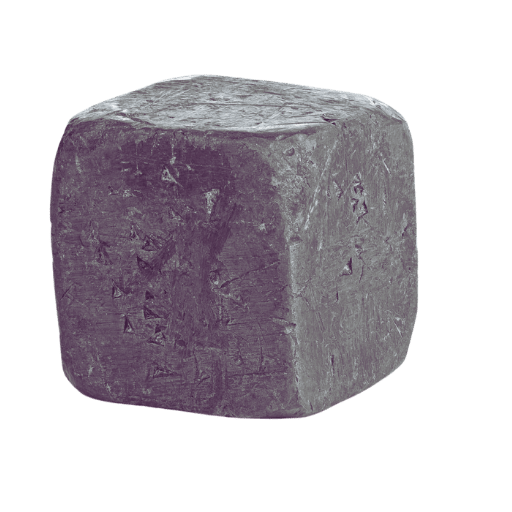
The melting temperature of lead can be affected by several factors, most importantly external conditions like pressure and impurities. Increased pressure can slightly elevate the melting point since it compacts the atomic structure and strengthens interatomic bonds. On the other hand, impurities in the lead usually lower the melting point as they tend to disrupt the uniform metallic lattice, thus facilitating structural failure under heat. These examples demonstrate how environmental and compositional factors can lead to changes in the solid-liquid equilibrium of lead.
External factors such as pressure, altitude, and the existence of other chemicals significantly affect both melting and boiling points. At more significant pressures, the boiling point usually elevates as more energy is required to break the seal of the surrounding environment. In contrast, the boiling point is reduced at greater altitudes with lower atmospheric pressure. Likewise, the existence of other substances would change both the melting and boiling points by interrupting the uniform structure of the material, which would primarily result in lower thresholds. These variations demonstrate the extent to which different environmental conditions impact melting and boiling points.
Lead alloys with other elements tremendously affect the melting point value of lead. The new elements added disrupt the crystal structure of pure lead, which usually drives the melting point lower. For instance, in solder, lead is melted together with tin, which lowers the material’s melting point, increasing its ability to join different metal parts effectively. The extent of these changes is proportional to the type and amount of alloying element; thus, control over the material’s heating and cooling properties can be achieved for several applications.
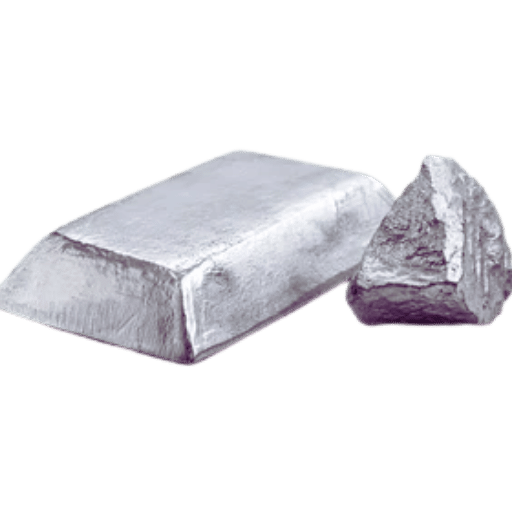
Due to its corrosion resistance, low melting point, and malleability, lead and its alloys are highly incorporated in various industries. Lead-acid batteries are one of the most notable applications in vehicles, ranging from automobiles to industrial machinery. Recent industry statistics suggest that 85% of lead is consumed by lead-acid batteries globally, highlighting the importance of lead in energy storage.
Lead is also used to protect against dangerous exposure, serving as a radiation shield for highly dense materials. In medicine, it is helpful in blocking harmful radiation in imaging equipment, including X-ray machines, and in nuclear facilities where controlled environments are vital. It is also incorporated in the manufacture of protective aprons and panels that healthcare professionals and patients wear. It significantly reduces radiation exposure and greatly exemplifies the role of lead atoms.
Moreover, lead is applied in the production of solder, where it is blended with tin to form dependable thermal and electrical joints. This procedure is essential to the electronics sector, notably during circuit board assemblage. Some markets are being pushed by regulatory requirements to adopt lead-free solders for environmental reasons; nonetheless, lead-based solders continue to be widely available in more specialized applications because they are easier to use and perform better.
While the use of lead in paints and gasoline has been largely phased out due to environmental concerns, it remains essential in some areas, such as corrosion-resistant sheeting in chemical processes and as counterweights in machinery. This Underlines the Range and flexibility of lead, even when most industries shift to more sustainable materials.
Lead’s low melting point, approximately 327.5 °C (621.5 °F), is particularly useful in the lead industries. This property improves the efficiency of casting and molding methods that use lead and allow lead to be used for elaborate designs and shapes. For instance, lead is used to make dense, thin sheets or bespoke parts that require precision and detail, like radiation shields for medical or industrial purposes.
Moreover, the low melting point translates to lower energy expenditure during manufacturing, a significant benefit for industries focused on saving costs. This feature also benefits soldiers in electrical and plumbing systems by providing dependable, quick fixes that don’t need high-temperature tools. Recently, lead-based solders are still far more useful than other options because they offer better durability and join reliability which warrants the use of this metal.
In addition, lead alloys, like the ones used in automotive batteries, take advantage of this attribute for ease of processing and recycling. Contemporary recycling processes demonstrate that lead-acid batteries have a rate of almost 99%, indicating that lead is deeply integrated into sustainable energy systems, considering the heavy reliance on lead in these technologies. These industries illustrate how lead has been used efficiently by capitalizing on its low melting point, which is adaptable to traditional and emerging technological shifts.
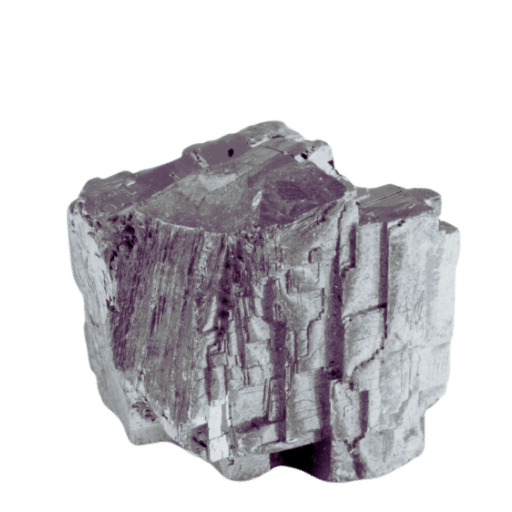
When handling molten lead, appropriate safety measures must be taken. Ensure good circulation in the workplace or use the proper fume hoods to eliminate the possibility of breathing hazardous fumes. One also needs to don specific personal protective equipment (PPE) to shield from the possibility of burns and eye injuries. Heat-resisting gloves, face shields, and safety goggles are essential. Make sure that the garments worn cover the exposed skin to avoid splashes. In addition, always use a stable surface to place the heat-resistant containers for melting lead; doing so minimizes the risk of moisture infiltration, which creates dangerous splattering. Furthermore, use a fire extinguisher while ensuring the proper segregation of materials containing lead to minimize the risk of contamination or inadvertent exposure.
The following equipment is required to melt lead properly:
All equipment should be maintained regularly to ensure proper safety laws during the lead melting procedure.

Mixing lead with other metals like antimony, tin, or bismuth transforms pure lead into lead alloys with different compositions and physical properties. For instance, lead is a soft, malleable metal with a melting point of 621.5°F (327.5°C); lead alloys are created by combining lead with other metals, enhancing the alloy’s hardness, strength, or durability. Furthermore, when compared to pure lead, lead alloys have a modified melting point along with enhanced corrosion resistance, which makes them suitable for various industrial applications such as batteries, soldering, and radiation shields.
Tin and antimony significantly influence the nature and properties of lead alloys. To enhance ductility and resistance to corrosion, suitable amounts of tin are added to the alloy, which optimizes its use in manufacturing pipes and soldering. Antimony increases the hardness and strength of the alloy, which is important for battery grids and ammunition. These elements also affect the melting points of the alloy, thus enabling more precise control over processing and the use of the alloy in numerous industrial applications, especially when lead is present. Antimony and tin help sharpen lead alloys’ performance and durability when combined in optimal amounts.
A: In metric degrees, the melting point of lead is approximately 327.5° C, and in Fahrenheit, it would be around 621.5° F, and in Kelvin, roughly 600.65. This is a relatively low melting point which allows lead to be useful for a number of applications, especially in industries where it is employed for its advantageous traits.
A: Among common metals, lead has a relatively low melting point compared to others, like iron, which melts at around 1538° C. This characteristic, along with its lower range of temperature, is why it is used in diverse applications. This is due to their usefulness in casting and molding purposes.
A: Various other metals can be used to change the melting points of lead. For instance, using alloys with common metals in lead can change the melting characteristics of lead, making it either more or less adaptable for use in casting, depending on the requirements.
A: Different lead grades in markets offer varying purity levels, which may slightly impact their melting points, but differences are generally inconsequential; pure lead’s melting point is around 327.5°C.
A: Lead’s melting point makes it a useful addition to solder, a material used to fuse multiple metals. Soldering with lead is advantageous as lead-based solders melt easily, forming a secure bond without damaging parts.
A: Lead exposure, whether it be through lead dust or fumes, is detrimental. It is advised to work within controlled environments with sufficient ventilation and use protective gear to mitigate risks associated with lead exposure during melting and casting.
A: The high density of lead makes it useful in applications that call for heavy metals, like radiation shielding. In addition, high density means good heat retention, which influences melting and cooling.
A: Lead can be alloyed with other metals to alter the melting point for better properties in specified applications. For example, when lead is combined with tin, it forms solder with a lower melting point.
A: Yes, using lead in specific applications is practically useful. However, there are environmental and health concerns associated with it. Redundant lead can be exposed to many paths, and extremely safe disposal methods are needed to contain it.
1. Lead Hydroxide Nanorods’ Thermal Decomposition Yielding Lead Oxide Nanorods: The Melting Point Analysis
2. Analysis of Characterization Bi-Sn-In Low Melting Point Lead-Free Solders
3. The Influence Resulting from Strain on the Melting Point of Lead Caused by Mechanical Milling

Manufacturing processes are quite complex, and the choice of a production method is directly related
Learn More →
There are two major manufacturing methods for producing plastic prototypes that most people find useful
Learn More →
As a person involved or interested in the design and production of plastic components, it
Learn More →