

Manufacturing processes are quite complex, and the choice of a production method is directly related
Learn More →
Lathe machines have traditionally been the most versatile in manufacturing and mechanical engineering for their flexibility, precision, and speed. Whether making small intricate parts for machinery or large temperamental parts for specific applications, lathe machining stands between raw material and perfectly shaped and valuable pieces. The blog examines the basics of lathe machines by explaining components, types, and the working principle. We want it to be your complete guide that will not only clear the fog on how a lathe works but also express its significance in modern industries. Suppose you are an expert machinist, an engineering student, or someone who wants to learn about manufacturing. In that case, this article will give you the basics to appreciate the importance of an actual lathe machine and lathe machining.
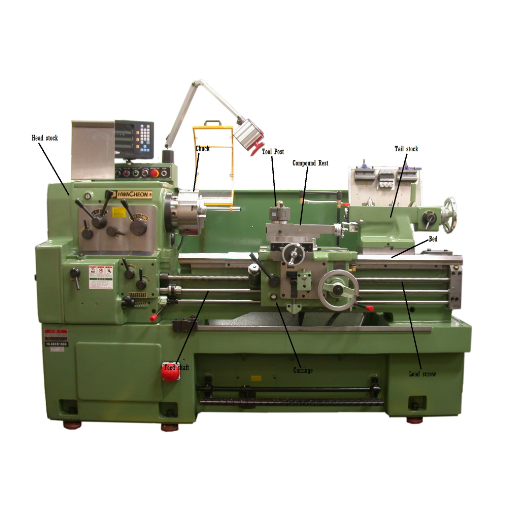
Lathe machining can be termed as a manufacturing operation wherein material, like metal, wood, or plastic, is shaped and altered to a required form. The workpiece is firmly clamped in a chuck that rotates while in contact with one or more cutting tools meant to take away material to execute the shaping into the desired geometry. Bearing various types of operations on a lathe, from turning, threading, boring, to drilling, it is truly a versatile machine. Lathes make parts with exact mirroring symmetry. Because of the enormous output, these machines are used heavily in the automotive, aerospace, and construction industries. Lathes are thus among the truly indispensable machine tools of modern manufacturing because of their incredible efficiency and utmost precision.
First, let’s try to recreate the development of lathe machines. Their rudimentary use has been documented as far back as 1300 BC in ancient Egypt. Called a two-person lathe, this crude machine involved one person turning the wood with a rope while another honed the material with a highly sharp tool. Over time, with improvements in design and technology, the lathes gained better efficiency and capabilities.
The 18th century proved pivotal in developing the lathe before and during the peak of the Industrial Revolution. Towards the late 18th century and early 19th century, Henry Maudslay came up with the idea of the screw-cutting lathe that could make precise threads; thus, it ushered in a new era in mechanical engineering. Added metalworking operations made the lathe instrumental in mass production in those years.
Electric variations of the lathe came to be in the 20th century, boosting speed and productivity. From the 1950s, CNC further improved the dimension of precision, whereby automated control systems would perform machining with great accuracy. CNC lathes are now among the most common in the manufacturing industry, allowing CNC manufacturing methods across various applications.
Late last year, it was concluded that the global market for lathe machines was valued at about 10.5 billion in 2022. This heightening demand is dictated by increasing demand from industries such as automotive, aerospace, and medical device production, all of which require components that must have an extreme degree of precision and quality.
Historically, lathes have remained at the cutting edge of technological evolution, metamorphosing from simple machines operated manually into complex CNC-driven systems, forming the backbone of modern manufacturing.
Having undergone various assignments, a conventional lathe works by rotating the material and applying one or more cutting tools. First and foremost, the workpiece must be securely attached to the spindle. The rotation of this spindle varies wildly, depending on the work material and precision of operation desired, although low-speed rotation can also be applied for manual finishing purposes. The cutting tool is carried on a carriage or is fixed to a tool post that moves along perfectly established axes, removing material from the workpiece using turning, facing, and perhaps drilling. The CNC lathe augments the basic notion of making at a magnitude of computers; programmed instructions now dictate movements along the axes with the beauty of mathematical precision, repeatability, and efficiency.
Recent technological updates reveal that CNC lathes have altered the landscape of conventional machining. Those machines, in fact, by using advanced software and automation, can make adjustments in real-time, thereby minimizing errors by the operator and increasing the production rate. They are also suitable for objects of complex geometry and require minor manual intervention; thus, they are central to the automotive and aerospace fields. By this development, not only will the quantity and quality of production be increased, but simultaneously, the demand for precision existing today in the highly competitive industrial arena can be met.
Lathe technology has been vastly redefined through the years and is shaped by precision, speed, and flexibility requisites across different industries. the modern-day lathe contains features for multiple-axis machining, CNC programming, and monitoring systems on a digital sphere. This enabled the manufacturers to maintain the minuscule intricacies required for renewable energy, health, and electronics fields. Moreover, IoT-enabled machines can transmit live data to monitor machinery performance along with predictive maintenance, thus reducing downtime. Hence, interfacing an essentially old machine with technology is a classic example of how lathes have innovated manufacturing processes through time.

This is the most commonly used type-generic lathe. It is equally capable of performing turning, boring, and threading operations.
It is designed for repetitive production work and allows several cutting operations without resetting the machine.
The CNC lathe is used for high precision and high automation levels for complex production engagements and batch production.
The lather used for exact work in making tools and repairs.
Although it is relatively simple in construction, it provides higher spindle speeds and is usually used for woodturning, polishing, or light-duty metalworking.
Tailstock
Placed opposite the headstock, the tailstock supports the workpiece at the free end. It is mainly used for drilling or turning long objects. The tailstock can be moved along the bed and locked at a desired position.
Bed
The bed is the base structure of the lathe upon which all components are assembled. It provides support and alignment and assures stiffness and precision during machining.
Headstock
The headstock contains the main spindle, motor, and gear mechanisms. It powers the lathe, rotates the workpieces, and forms an essential machine part.
Cross-Slide
Mounted on the carriage, the cross-slide allows the cutting tool to traverse the workpiece’s face. It controls the cut’s depth during operations such as facing or grooving.
A modern lathe machine has become a complete tool by integrating the essential parts with CNC (Computer Numerical Control) facilities. It has much automation and can provide detailed, fast machining, an advantage to the automotive, aerospace, and furniture industries. When a professional buys a lathe, he will use these parts to select the right one based on his machining needs.
The most common lathe type is an operator-driven type that serves many purposes, such as turning, threading, and facing. It is widely used in workshops and industries for its flexibility and durability.
A bench lathe is smaller than an engine lathe. It sits on a bench and is best suited for small-scale work requiring high precision. Hobbyists or small workshops usually use bench lathes.
Tool room lathes have high precision and complex features, making them helpful in producing tools, dies, and intricate components. These machines are also used in manufacturing areas where excellent tolerances are necessary.
The CNC lathe is almost entirely automated and is programmed through computer terminals to perform complex and repetitive tasks with absolute precision; these products find extensive application in industries requiring high production rates and precision, such as Aerospace and Automotive.
With its rotating turret equipped with multiple tools, the turret lathe can effect many operations simultaneously with practically no manual intervention. It is highly efficient for mass production and widely applied in batch-work-oriented industries.
Surrounded by precision and efficiency, CNC lathe machines encapsulate the important parts working in unison. The chief parts of a CNC lathe machine are:
It holds the spindle, drive mechanism, and various types of gears. It is a driving force that holds the workpiece and rotates it at a speed necessary for precise machining operations.
The tool turret is a rotating platform that serves as a tool holder. It provides the indexing facility to enable the work of tools in sequential order. This allows the machine to carry out many operations without manual intervention to change the tools.
Anyway, the chuck clutches the workpiece neck for rotation. Various chucks, such as a 3-jaw or 4-jaw chuck, may be used in multiple machining operations.
The bed is the machine’s base, a foundation upon which all its parts are supported. It keeps the components aligned and reduces vibrations during operation.
The carriage holds the cutting tool and moves it relative to the workpiece. It helps with fine control during the machine in both the X and Z axes for facing, turning, and threading.
The control panel is the machine’s command center, where the operators key in their commands or set the various parameters that form inputs to the CNC controller in the controller cabinet. The controller cabinet interprets the G-code commands and, in turn, controls the machine to perform the automated process.
It holds the workpiece on the other end when long or thin jobs need to be machined. It facilitates alignment and minimizes deflections.
Thus, allied with outstanding software and programming, the CNC lathe machine has gained recognition as versatile and reliable for shaping accurate and complex parts in modern industries.
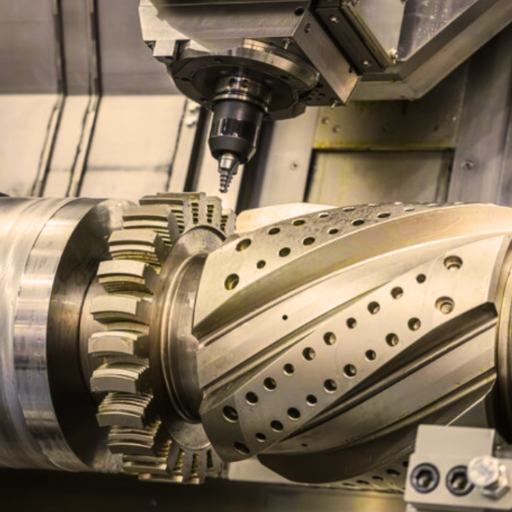
Lathe machining parts are used across many industries and applications due to precision and versatility. Some major applications include:
In the aerospace industry, lathe-machine components are used to manufacture the exact parts of aircraft engines, landing gear, and structural elements.
Components like gears, shafts, and bearings are manufactured using lathe machining, guaranteeing durability and accuracy.
Lathes produce surgical instruments, prostheses, and medical implants that meet rigorous standards.
Delicate and precise components like connectors, housings, and enclosures are fabricated using lathe machining techniques.
Machining of half custom parts is done to heavy-duty requirements, such as valve components and pipeline fittings.
Such applications convey the importance of lathe machining for manufacturing technically sound, application-level components in all walks of life.
Beyond electronics, oil, and gas, there are other industrial applications in which lathe machining is critical. According to recent information, industries such as automobile manufacturing use lathe machining to make essential components like engine parts, gear shafts, and brake cylinders. Surgical precision, implants, and prosthetics are made in the medical field through sophisticated lathe machining operations that insist on accuracy and durability. The aerospace industry can also benefit almost equally from lathe machining, where, for instance, turbine blades, landing gear components, and structural parts are developed to stand up to the most severe environmental conditions. This gives us insight into how versatile and vital lathe machining is across industries where precision and reliability are most important.
Lathe machining is of the utmost importance in turbine blade manufacture in both the aerospace and energy fields. It is one of the most discerning processes, requiring precise dimensions and surface finish to achieve the best aerodynamic shape and durability under high-stress conditions.
Engine shafts have found applications primarily in the automotive and aerospace fields. These shafts demand precision dimensioning and a balanced design to assure efficiency of operation and adequate life. Lathes thus enable the manufacturing of smooth cylindrical and grooved designs essential for the efficient operation and life of shafts.
Used widely in machinery, automotive systems, and robotics, precision gears require lathe machining for their teeth and dimensions, allowing them to interlock perfectly and transmit motion.
All types of medical implants such as bone screws and joint implants are often made on lathe machines. These implants require biocompatible materials, finishes, and designs to precise specifications to ensure they are safe and comfortable for the patient.
Bolts, nuts, and threaded rods are commonly encountered lathe-machined parts. The lathe produces these components, ensuring consistent threading that will allow secure assembly in various applications.
Lathe-machining precision in manufacturing is considered a prerequisite for product functionality, durability, and compatibility in different industries. The modern age of technology and data has suggested that a slight imperfection in machining can cause equipment failure, decrease product life, or pose potential hazards to critical uses, such as Aerospace or Healthcare. According to recent sources, the global geared context for ultra-precision manufacturing has seen exponential growth in the past decade, with the tighter tolerances in complex designs driving this focus. Therefore, state-of-the-art technologies are designed such that a CNC lathe comes equipped with sensors and intelligent systems to perform at a micron level of accuracy. Such proficiency enhances the quality of parts and reduces material waste, saving costs and promoting a sustainable way of working.
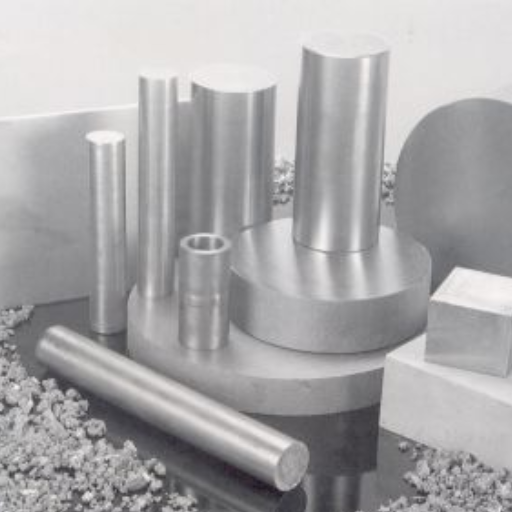
Various materials are used for lathe machining, each serving a particular purpose based on the application or requirement. In general:
The choice of material depends on the intended use, mechanical properties, and cost.
When choosing materials for lathe machining, various considerations come into play, such as machinability, engineering application, and cost-effectiveness. Modern viewpoints hold that, traditionally, the most machined materials, balancing utility with sustainable and innovative performance, are nowadays the most machined materials.
The latest developments in the material sciences have opened up more options for machining and thus have encouraged artisans and manufacturers to weigh innovative choices against practical engineering constraints.
The material selection process is the deciding factor in machining practice, performance, sustainability, and cost-efficiency.- Rising eco-friendly attitudes for high-performance materials from consumers and industries reflect this consciousness in environmental impact and product life. Thus, industries are convinced to choose materials that are either more durable or have a smaller carbon footprint, including recycled metal, biodegradable polymer, and composites. These selections are used for sustainability consideration in the present-day market and lead to innovations in product designs. When materials are selected based on land and performance issues, companies address consumer issues while working towards a sustainable future.
Advanced composites and plastics are engineered materials created to meet the ever-stringent demands imposed by modern industries, from aerospace and automotive to consumer electronics. These materials combine light properties with high strength and durability, forming a fundamental element needed to pursue innovation within product design. There is a steady increase in search interest in sustainable composites, indicating that social and industry preferences are shifting toward materials offering excellent performance at the cost of the environment. Companies are now looking into bio-based resins and fiber-reinforced composites as greener alternatives to conventional plastics to minimize their dependence on fossil fuels and carbon emissions into the atmosphere. This escalation of interest should also imply, given meeting regulatory requirements and consumer expectations, the challenging act of integrating sustainability with advanced material technologies.

Precision machining on lathes has several benefits; therefore, it is preferred in manufacturing:
Such benefits have made the lathe necessary for industries that require a high-quality, reliable machining process.
If there are other tools to utilize in terms of production efficiency, I prefer the lathe since it greatly streamlines manufacturing processes. Lathes, by nature, produce precision parts, fostering fewer errors and greater repeatability. I can use them to make high-quality parts quickly and with little waste. I cherish meeting deadlines and keeping costs down for delivering a reliable product.
With CNC lathe machining being recognized for high precision, it also boasts being one of the more cost-effective machining methods. Such machines save on labor costs as they, to a large extent, eliminate human intervention in processes. They support human factors as far as errors go while maintaining consistent quality. On the other hand, CNC lathe machines could carry out work with very little waste, rendering materials less costly. CNC lathe machining makes it easier for a company to upscale its operations without slowing down; indeed, it is a wise investment in the short and long term.
The CNC lathe machining process is known for its ultimate precision, requiring high-quality output. The differences among individual pieces are rewarded with tiny fractions of a millimeter. Cutting-edge programming and automation allow the CNC lathe to avoid inconsistencies in manual machining. Recent research indicates increased demand for precisely manufactured components in several industries, including aerospace and medical. This makes the case for utilizing CNC systems capable of meeting stringent quality standards while ensuring productivity.
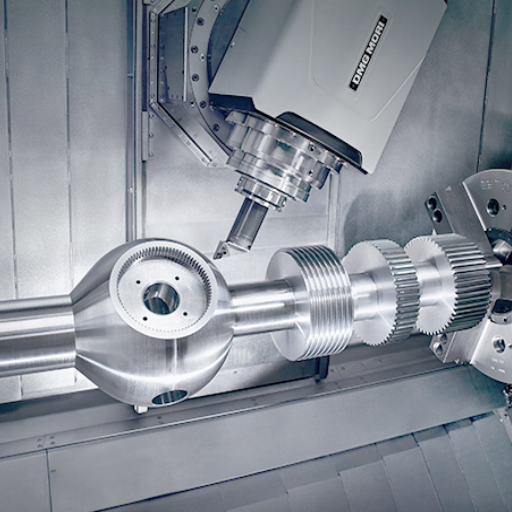
One of the latest developments in lathe machining includes the integration of Industry 4.0 technologies like an IoT-enabled system for real-time monitoring and predictive maintenance. This translates into less downtime and more production for manufacturers. Multi-axis CNC lathes are also becoming more common as these can perform tasks involving complex geometries more accurately and efficiently than older lathes. This makes the need for secondary operations very minimal. Additionally, robotic arms and machine-tending systems automation provide larger throughput and more consistency in manufacturing processes. Thus, these developments speak about the ever-evolving field of more innovative, faster, and reliable lathe machining solutions.
CNC lathes impart superb precision, often attaining tolerances of ±0.0001 inches. This much-needed accuracy ensures the parts are made to tighter specs, which is crucial in aerospace and medical device manufacturing.
The automation provided by CNC lathe machining restricts any human intervention and thus results in consistent quality in large batches. Uniformity is of paramount importance in automotive parts where consistency is required.
Using computer-aided programming and automation, CNC lathes can execute complicated tasks at top speed, thus reducing time consumption in production. Some of these systems can operate for 24 hours a day with only minor supervision.
CNC lathe machining can work with many materials, namely metals (customarily steel, aluminum, and titanium), plastics, or composites, making them suitable for many industries or applications.
The high level of precision, in addition to well-thought-out CNC programs, ensures materials are not wasted during machining. Less scrap means lower labor costs, which results in an overall cost loss in manufacturing.
The pricing for custom lathe parts changes dramatically due to various reasons, including design complexity, material selected, tolerance requirement, and production quantities. An individual single piece of a manufactured part that is comparatively smooth can be charged $20 or $50. In contrast, expensive or high-tolerance parts might cost a couple hundred or thousand dollars for a single piece. However, a high quantity order can reduce the per-unit cost since setup and machining times are distributed over multiple items. Materials such as aluminum or mild steel are generally cheaper, and the price will increase if exotic metals such as titanium or specialty alloys are selected. Other things that may affect the price include special surface finishing or some post-machining treatments. To get an exact quote, contacting the machining company and furnishing them with detailed specifications and design parameters would be wise.
With the closer downsizing of environmental impact, the industry’s focal concern is sustainable machining materials. Countries with recycled aluminum, biodegradable polymers, and environmentally friendly composites place greater importance on materials with a smaller carbon footprint than conventional ones. Recycled aluminum, among others, retains strength and durability for machining while lowering considerable energy consumption. Biodegradable polymers provide an ideal substitute for any part not subjected to extreme mechanical stress, so disposal has the least effect. Another ground for development in sustainable alloys is the use of recycled metals to make an alloy that can be machined and is durable while fulfilling green standards. With these materials in the machining process, manufacturers can work toward a circular economy, ensuring they never compromise quality and functionality. Organizations interested in embracing sustainable material options should consult with industry experts and continue to keep abreast of new green technologies.
A: The essential parts of a lathe machine include the lathe bed, headstock, tailstock, spindle, and carriage. These components work together to perform various machining operations on the workpiece, allowing for precise shaping and cutting.
A: A CNC machine enhances lathe operation by providing automated control over the machining process. The CNC control panel allows for precise programming of movements and tool actions, resulting in high accuracy and efficiency when machining parts.
A: The tailstock supports the opposite end of the workpiece and can also house tools like drill bits for additional machining operations. It features a tailstock quill that can be adjusted to accommodate various workpiece lengths.
A: A lathe can machine various types of materials, including metals like cast iron, aluminum, and steel, as well as plastics and wood. The choice of material often depends on the intended application and the specific properties required in the finished part.
A: Thread cutting on a lathe involves using a tool holder equipped with a cutting tool that shapes the workpiece into a helical form. The lathe spindle rotates the workpiece while the tool moves in and out to create the desired thread profile.
A: The chuck is a critical component for securely holding and rotating the workpiece during machining. Different types of chucks, such as three-jaw or four-jaw chucks, can accommodate various shapes and sizes of workpieces.
A: The lathe bed is the foundation of the lathe machine, providing stability and support for other components. It ensures that the moving parts, such as the carriage and tailstock, operate smoothly and accurately along their length.
A: CNC lathe parts include the components that make up a CNC lathe, including the control panel, servo motors, and precision cutting tools. These parts are significant because they enable automated and highly accurate machining processes, essential in modern manufacturing.
A: Machining services on intricate parts are performed on a lathe using precise programming and specialized tools. CNC turning allows for complex shapes and features to be machined efficiently, ensuring high quality and accuracy in the final product.

Manufacturing processes are quite complex, and the choice of a production method is directly related
Learn More →
There are two major manufacturing methods for producing plastic prototypes that most people find useful
Learn More →
As a person involved or interested in the design and production of plastic components, it
Learn More →