

Manufacturing processes are quite complex, and the choice of a production method is directly related
Learn More →
Owning a Jeep isn’t just a way to get from A to B; it’s a ticket to the open road and the trail beyond it. Ask nearly any owner, and they’ll tell you that tweaking, lifting, and dressing up the ride is half the fun. That’s where CNC Jeep parts strut onto the stage. These machine-milled pieces aren’t your off-the-shelf, bend-in-the-sun junk; they boost strength, style, and overall guts. Stick with us, and we’ll lay out how such upgrades can turn a factory stock Jeep into a true one-off beast, no matter if yours sees gravel weekly or only pops off pavement on paydays.
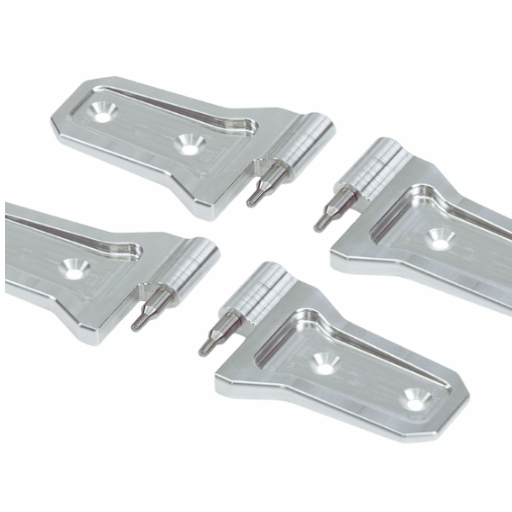
The linchpin behind the precision is the Computer Numerical Control setup, a code-driven method that cuts, drills, and shapes metal with laser-jet focus. Many shops lean on rugged aluminum or heavy-duty steel to dodge cracks and warps when the trail gets nasty. That tech level means the dimensions stay on point even if production runs into triple digits, giving you a drop-in fit that beats any mass-market compromise. When reliability counts, those quarter-inch differences are the ones you’ll notice with every axle deep in muck.
CNC machining uses computer-guided tools that slice through metal with laser-like focus. The result is a part that fits your Jeep as snugly as a glove, helping eliminate annoying rattles and ensuring every system talks to the next one.
No factory-grade component can match the toughness of those cut from billet aluminum, heat-treated steel, or even aerospace-grade titanium. These materials shrug off mud, salt, and rock strikes, so you’re less likely to replace them after a single gnarly weekend on the trails.
A good CNC shop doesn’t just offer catalog items; they treat each job as an open blueprint. You can ask for a one-off suspension bracket, a bespoke winch mount, or any other do-dad that matches your driving style, and the machine will deliver it without extra drama.
Finish work often gets short shrift, but not here. Polished surfaces or anodized colors stand out under trail lights and camera flashes alike, turning a functional upgrade into an accent piece that says Im serious about my rig.
All that accuracy pays off in better handling, sharper control, and a measurable boost in bite when those tires meet loose earth. Weight is shaved where it’s safe, strength is packed where needed, and the net effect is a Jeep that almost feels like an extension of your hands.
Off-road drivers are always on the lookout for parts that won’t quit when the trail gets rough. That’s where CNC-machined bits jump in. Made from tough aluminum or rugged steel, they shrug off the bone-jarring stress that comes with deep ruts and rock gardens. Because the cuts are computer-controlled, each piece fits a Jeep frame perfectly- no gaps, no wobble, just solid hold.
One of the quieter advantages is how well these parts guard the heart of the truck. Suspension arms and drivetrain pieces take a beating, yet the added heft and precision of CNC result in fewer trips to the shop. Clever shaping keeps weight balanced, so the rig stays calm when the ground bounces.
Looks matter too, especially when mud and salt sneak in. Most CNC parts get a bright surface coat, either powder finish or anodized sheen, that fends off rust and scratch marks. With that extra armor in place, the hardware can hustle up miles year after year, making it one of the smartest upgrades any off-road lover can snag. Complex technology, more challenging trails, and still no complaints of failure- what more could you ask for?
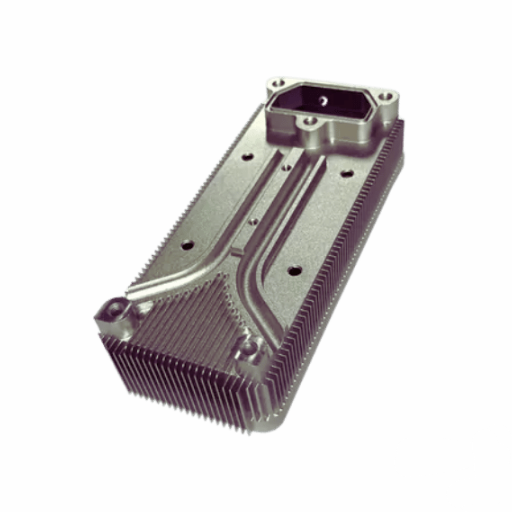
Jeep fans know the JL and JK models carry different vibes, and that difference shows up in the aftermarket CNC gear. With upgraded tech and fresh materials, the newer JL gives us lighter, tougher CNC bits that make off-road life a little easier. Its precision-machined suspension pieces, for example, really sharpen handling when the trail gets rough.
Flip to a JK and you’ll see a design that predates those advancements, so the parts can’t be swapped without much guesswork. Bumper mounts, skid plate holes, and even bolt patterns are unique, locking each model into its ecosystem. The JL even slicked up its shape for better mileage, meaning specialty CNC components must follow that new airflow, or they simply won’t fit.
If you’re shopping for replacements or upgrades, double-check the model year printed on the part. One wrong digit, and you’ll end up modifying something that should have bolted on straight. Manufacturer specs are boring reading, but they beat an afternoon spent wedged under a Jeep that won’t cooperate.
A stock Jeep Wrangler JK and the newer JL may look similar, but they don’t share the same bolt-holes, frame lines, or upgrade habits. CNC manufacturers often note that the JL has extra mounting points and structural tweaks that allow it to carry fresher hardware. In short, the two-generation gap shows up immediately in the CAD files.
|
Feature |
JL Model |
JK Model |
|---|---|---|
|
Mounting Points |
Updated |
Standard |
|
Frame Design |
Revised |
Original |
|
Lighting |
LED Options |
Basic |
|
Suspension |
Enhanced |
Traditional |
|
Technology |
Advanced |
Basic |
Shoppers who check online for CNC braces, skids, or control arms will notice the JL listings outnumber the JK options in almost every catalog. That trend makes sense; builders usually chase the newest platform as a test bed for cutting-edge ideas. Aussie-made aluminum plates, laser-cut belly-lands, and adjustable track bars first appear in JL sections and arrive for the JK once interest cools. Aftermarket forums buzz about JL mods, and fresh vendors pop up weekly to fill another niche.
Because of that momentum, wrench-happy Jeep fans lean toward the JL vote whenever they want modern flair and durability. The JK lineup still offers solid, battle-tested parts, but shoppers looking for tomorrow’s upgrade will most often walk away with a product designed specifically for the newer Wrangler.
Drivers often notice that the new JL Wrangler feels snappier than the older JK. Shifts are quicker, the axles are more rigid, and even the fuel gauge moves in a friendlier direction. The newer frame also tackles trails with a fresh set of tech buttons most JK fans never dreamed were possible.
|
Feature |
JL Model |
JK Model |
|---|---|---|
|
Transmission |
8-speed auto |
5-speed auto |
|
Axles |
Upgraded Dana |
Standard Dana |
|
Fuel Economy |
Improved |
Moderate |
|
Off-Road Tech |
Advanced |
Basic |
|
Steering |
Electric assist |
Hydraulic |
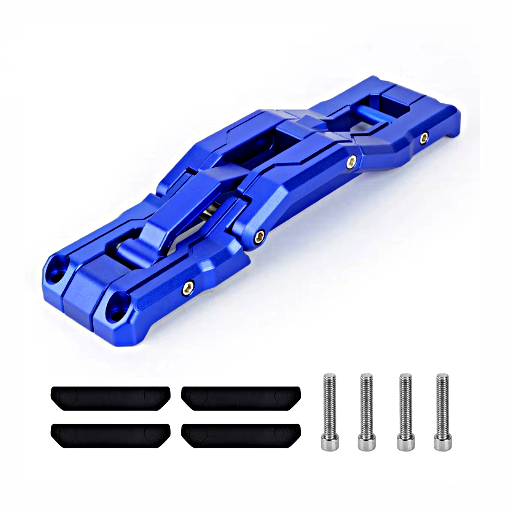
Those still loyal to the JK can chase their upgrades with CNC-machined parts. The aluminum control arms, heavy-duty tie rods, and stout diff covers bring factory-level accuracy and extra muscle. A name-brand set from a maker that lists JK compatibility makes part-shopping less of a gamble. Strictly speaking, every bolt benefits from careful installation work, whether that means a pro wrench or a weekend project backed by solid instructions. Once the dust settles, steering is sharper, suspension is quieter, and the rig keeps cool when the trail gets ugly.
Picking the right CNC aluminum bumper for a Jeep JK is a fun but head-scratching process. ARB, Smittybilt, and EAG are the names most guys and gals keep returning to. Each brand uses billet aluminum that has been milled to a tee, so fitment issues almost vanish. Plenty of kits slide a winch plate right into the design and tack on D-ring mounts for good measure. That extra hardware saves a driver a trip to the parts store after installation. More importantly, aluminum laughs at rust, giving the metal a shot at outliving the truck. Matching the look and load rating to personal trail plans is still step one.
If you love bouncing over rocks and washboard trails, a CNC-built skid plate is one upgrade you’ll be glad you tucked under your rig. The heavy metal keeps your oil pan, transmission, and other soft bits from meeting the ground first during a rough slide.
Installing the plate is mostly grunt work, not rocket science, and just about any weekend mechanic can do it in an afternoon. First, jack the vehicle sky-high or drive it up a sturdy set of ramps so you won’t have to crawl on your belly. A second pair of hands makes the job much easier, so grab a buddy or a sturdy work light.
Once you’re under, peel away the factory plastic trays if they’re still bolted on; most will tear off with a ratchet and extension. Hold the new plate up to the frame, eyeball the holes, and start each bolt by hand to keep the threads clean.
The final twist is the torque spec the installer sheet calls out, and ignoring it can mean stripped threads or a plate that rattles loose on the next big bounce. Cycle back through the bolts with a torque wrench, then crawl out and double-check that everything feels locked down.
Many off-roaders appreciate that good skid plates do more than guard metal; they flat-out extend the lifespan of the drivetrain when the trail gets nasty. Some kits even drill drainage holes to let mud rinse out before it hardens like concrete, a minor feature that speeds maintenance and keeps rust at bay.
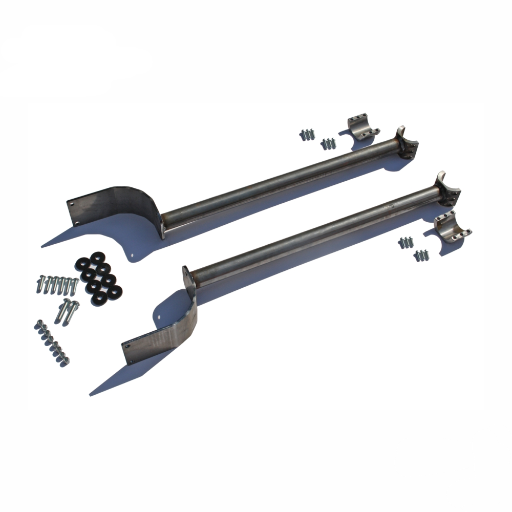
Custom Jeep parts usually begin as a quick sketch on a computer screen. That draft is done in CAD (Computer-Aided Design, if you’re wondering), and it must line up with the exact bolt holes on your Jeep frame. Get those numbers wrong, and the piece simply won’t fit.
Next, you decide what the part will be made of. Aluminum keeps things light and resists rust, while steel brings old-school toughness that laughs at serious trails. Your choice pulls double duty, affecting strength and weight all at once.
With the design dialed in, the file gets exported as a CAM blueprint. CAM stands for Computer-Aided Manufacturing, and it programs the CNC mill or router to know where to cut, drill, and slice. Load a fresh slab of steel or alloy, clamp it down like a vise grip, and match spindle speeds to the material so the end mill isn’t wasted.
A dry run is worth its weight in pennies. It lets you watch the machine trace air paths before the bit touches metal. That mock cycle will catch tiny mistakes that ruin both parts and pride. Last, measure and fit the bracket, or perhaps a wheel spacer, on the Jeep just to be sure.
If that quick check passes, you slide the piece into place for good. Follow the build steps, and you suddenly have one-off components ready for any trail, road, or glorious lack of either.
Making Jeep parts on a CNC machine can be a blast, but you can’t wing it with leftover gear from the garage. A short checklist of must-haves will keep things moving smoothly.
When those items sit within reach, combined with practice and a little planning, custom Jeep parts go from sketch to steel, ready for the next trail.
A: A variety of Jeep accessories are available for the Gladiator, including bumpers, tire carriers, fenders, and winches. These parts are designed to enhance the functionality and aesthetics of your Jeep Gladiator.
A: To enhance your Jeep Gladiator’s off-roading capabilities, consider adding a lift kit, heavy-duty bumpers, and all-terrain tires. Additionally, installing a winch can help you navigate challenging terrains.
A: Yes, specific builder parts are available for the Jeep JK and JL models. These include front and rear bumpers, tire carriers, and fenders designed for easy installation and maximum durability.
A: CNC parts for Jeep bumpers are commonly made from high-quality materials such as aluminum alloy and stainless steel. These materials provide strength and resistance to corrosion, making them ideal for off-roading.
A: You can install a rear bumper with a tire carrier on your Jeep Gladiator. This upgrade provides a secure place to mount your spare tire and enhances your vehicle’s overall style and functionality.
A: Laser-cut parts offer precision and accuracy, ensuring a perfect fit for your Jeep. This method of fabrication results in cleaner edges and a more polished finish, which is beneficial for aesthetics and durability.
A: Yes, there are heavy-duty options available for Jeep accessories. These include reinforced bumpers, sliders, and belly pans designed to withstand harsh off-roading conditions and provide added protection.
A: When choosing tires for your Jeep, consider factors such as the type of terrain you will be driving on, the size of your wheels, and whether you need all-terrain or mud-terrain tires. It’s essential to select tires that complement your Jeep’s off-roading capabilities.
A: CNC plasma and waterjet cutting provide precision manufacturing for Jeep parts, allowing for intricate designs and shapes. These cutting methods ensure that parts fit perfectly and are durable for off-road use.

Manufacturing processes are quite complex, and the choice of a production method is directly related
Learn More →
There are two major manufacturing methods for producing plastic prototypes that most people find useful
Learn More →
As a person involved or interested in the design and production of plastic components, it
Learn More →